
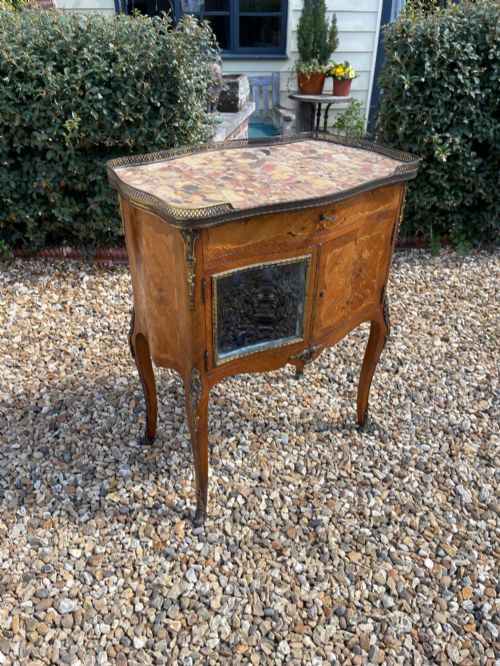


French Louis XV Display Table
A french louis xv display table brings refined surface display and glazed showcase storage together, rooted in eighteenth-century continental elegance.
French Louis XV Display Table
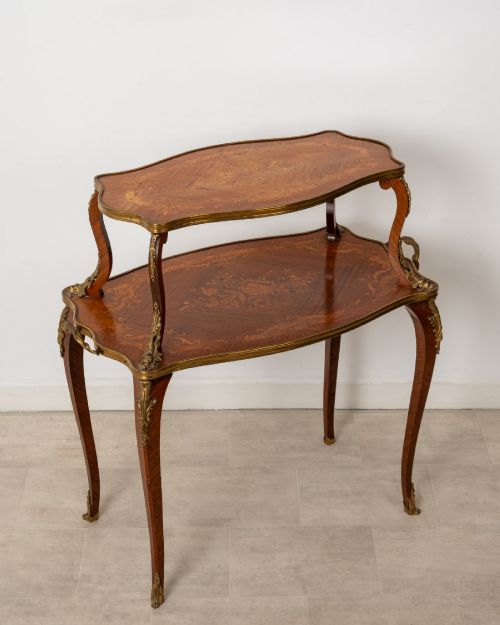
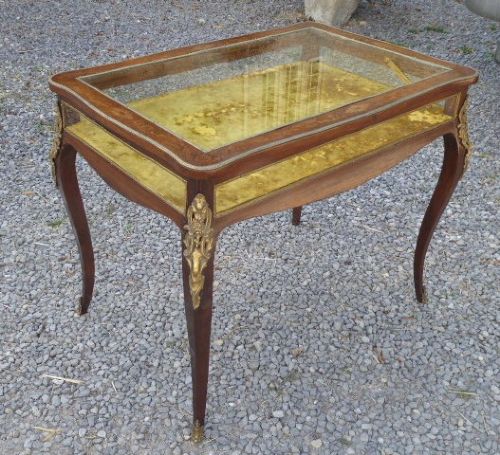
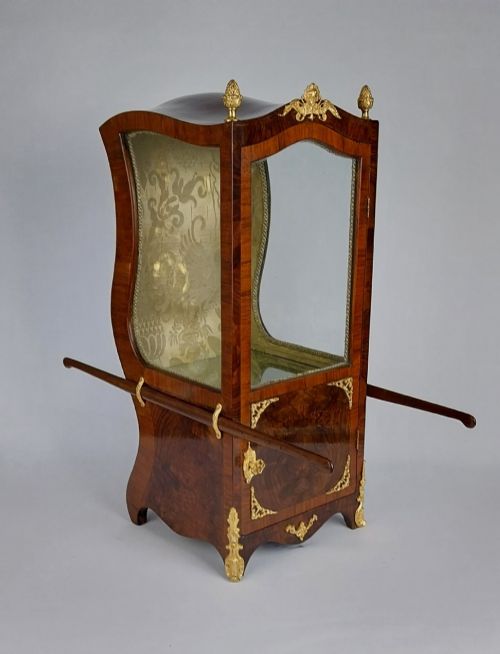
A french louis xv display table functions primarily as a showcase for small treasures, featuring glass panels and glazed compartments designed for intimate viewing. These pieces emerge predominantly in forms such as bijouterie tables, etageres, and occasional display cabinets reflecting the revived tastes of the nineteenth century.
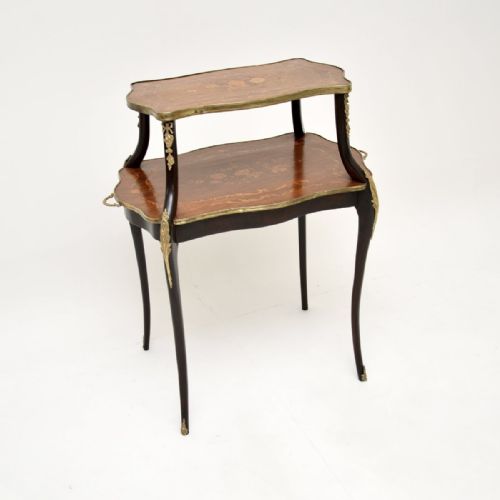
Makers of the period adapted classic serpentine contours and cabriole supports to create multi-tiered etageres and glass-topped vitrines. Walnut, mahogany, and kingwood form the structural foundation for these display surfaces, often enhanced by marquetry inlay.
The aesthetic draws heavily on French Rococo revivalism, prioritizing graceful curves and ornamental metal mounts. Buyers encounter numerous variants from the nineteenth century onward, ranging from two-tier occasional tables to substantial side cabinets.
Quality Variations
The refinement of marquetry work establishes the baseline of artistic ambition in a piece, distinguishing simple geometric veneers from elaborate floral picture panels. Precision in cutting and fitting multiple exotic woods dictates the visual depth of the top surface.
The execution of ormolu and gilt-bronze mounts separates standard production from exceptional output. Heavily chased, crisp metalwork demonstrates superior foundry skill compared to soft, cast brass details that lack definition.
Structural integrity within the leg joints and the smooth operation of hinged display compartments indicate superior workshop standards. Timber selection and secondary wood usage further reveal the original cost and intended status of the furniture.
The inventory records pieces spanning the nineteenth century through the Edwardian era, incorporating velvet linings and bevelled glass.
The French Louis XV Display Table Glossary
- Bijouterie table
- A glazed display table specifically designed for showing small valuable items and jewellery beneath a glass top. These pieces often feature velvet-lined interiors and hinged lids.
- Etagere
- An open tiered piece of furniture used for displaying small objects or books. They frequently appear with two or three levels supported by slender uprights.
- Ormolu
- Gilt bronze applied as a decorative mount to furniture and decorative objects. The technique involves creating a mercury gilding finish over cast bronze.
- Marquetry
- The art of applying pieces of veneer to a structure to form decorative patterns and pictures. Craftsmen utilise various coloured woods to achieve tonal contrast.
- Vitrine
- A glass-fronted cabinet or display case designed to exhibit porcelain and curiosities. The sides and top frequently incorporate glass to maximise internal light.
French Louis XV Display Table: Frequently Asked Questions
What is a bijouterie table?
A bijouterie table is a specialised display surface featuring a glazed compartment beneath the top. It serves to exhibit small collectables and keepsakes safely.
Most examples include a hinged glass lid and an interior lined with fabric such as velvet. They function as occasional tables in sitting rooms.
How do I identify the period?
Identifying the period involves examining the timber species, construction methods, and mount quality. Nineteenth-century revivals frequently utilise machine-prepared veneers alongside hand-chased brass.
Stylistic cues also point toward the era of production, noting that revival pieces interpret eighteenth-century forms with Victorian or Edwardian manufacturing techniques.
Where should I place an etagere?
An etagere suits corners or wall spaces where multiple open tiers can hold decorative objects. Their slender profiles prevent rooms from feeling overcrowded.
Placement should avoid direct sunlight to protect vulnerable wood veneers and interior fabric linings from fading over time.
What woods were used?
Cabinetmakers relied on exotic and domestic hardwoods including kingwood, mahogany, walnut, and rosewood. These timbers provided stable bases for intricate marquetry designs.
Secondary woods like oak or pine often appear internally, while lighter contrasting veneers such as satinwood highlight floral inlay details.