




French Glass Urn
These french glass urn pieces bring ornamental weight and distinct silhouette to a room, drawing the eye through tactile surface and rich colour.
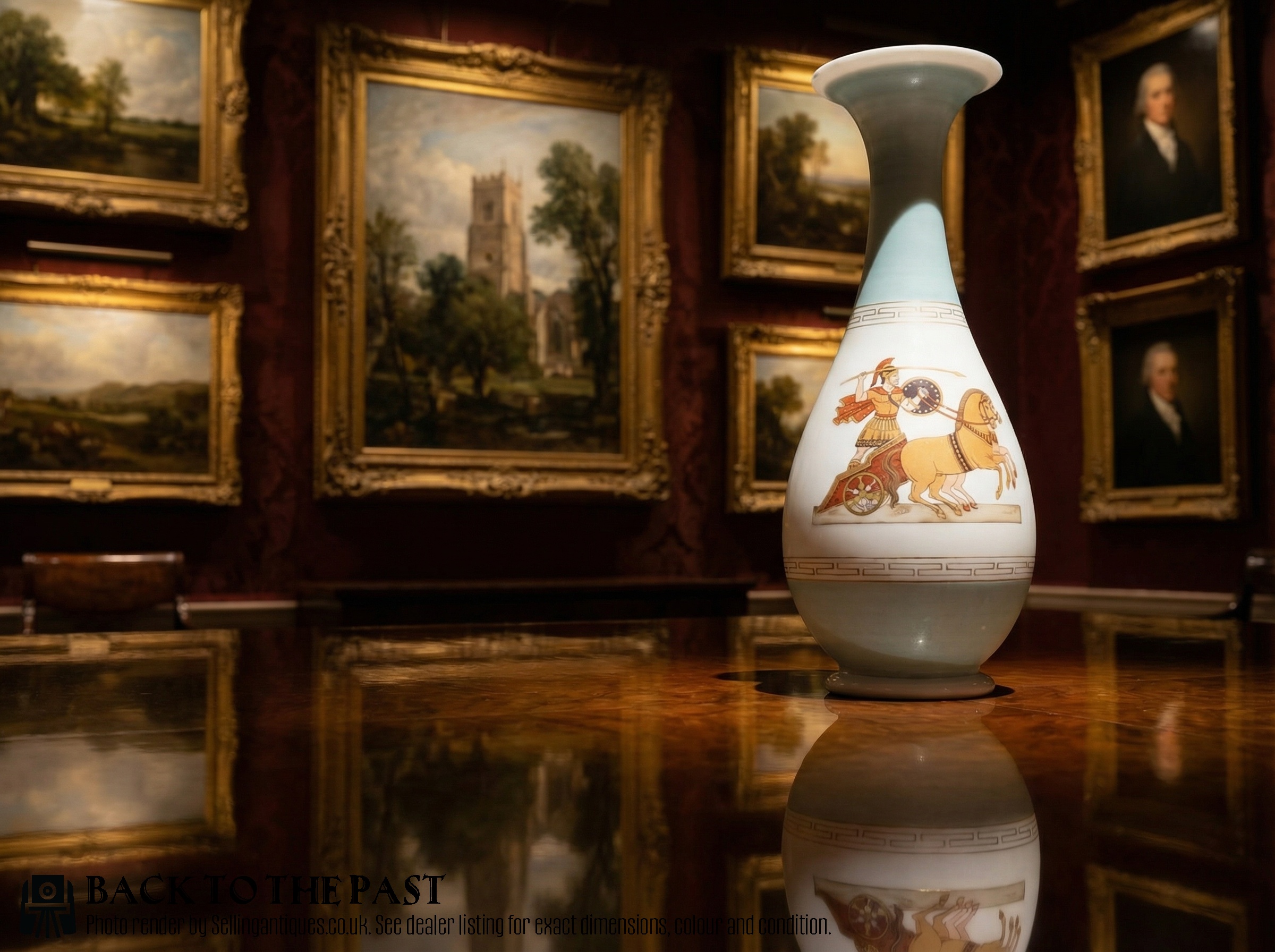
French Glass Urn
A french glass urn typically presents as a substantial vessel designed for display, often drawing on styles from the nineteenth and early twentieth centuries. The pieces on this page lean heavily into decorative forms like vases, ewers, and ornamental urns.
Makers shaped these objects during periods spanning Victorian revivalism through Art Nouveau and Art Deco. Buyers will encounter both transparent crystal and dense coloured glass, frequently paired with metal mounts.
Materials and production methods
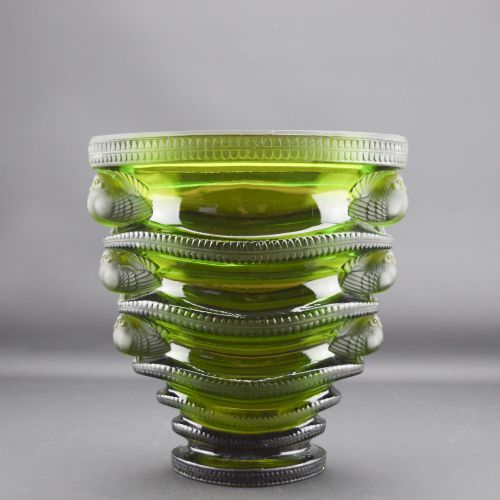
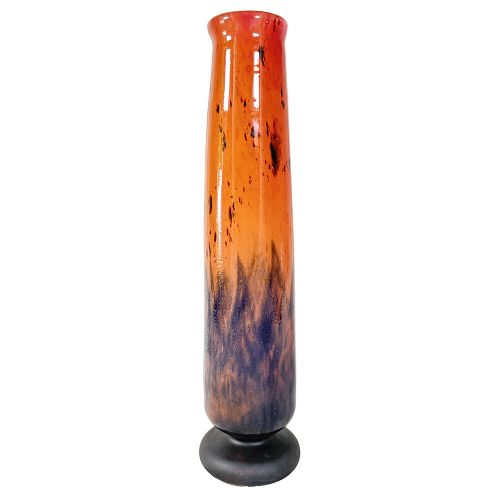
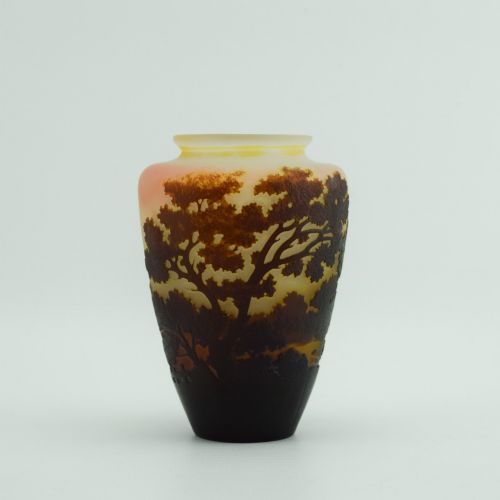
Makers utilised techniques such as moulding, blowing, and cameo carving to build depth and texture within the glass body. Acid etching and enamel work further refined the surface of many pieces.
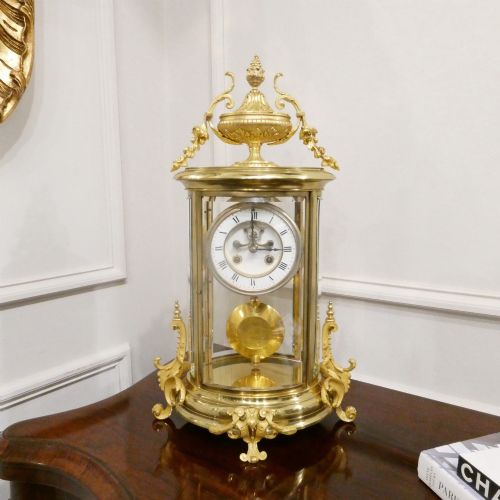
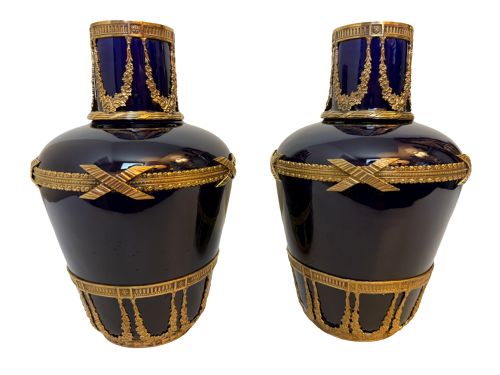
Mounts and structural elements often incorporated ormolu, gilt bronze, and brass. These metal additions provided structural framing and decorative contrast to the glass vessels.
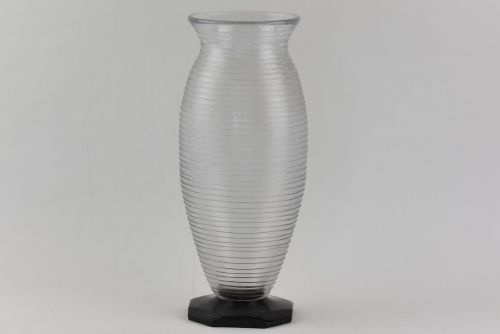
The listings here encompass pieces from the Victorian era through the Art Deco movement, featuring moulded glass, cameo work, and ormolu mounts.
Assessing craftsmanship and execution
Quality rests in the crispness of the glass moulding and the depth of the cameo layers. Superior pieces show precise control over colour gradients and deliberate handling of frosted surfaces.
The integration of metal mounts dictates the calibre of ornamental objects. Finely chased ormolu and robust casting separate standard vessels from exceptional works.
René Lalique·Daum·Galle·Schneider·Samuel Marti
The French Glass Urn Glossary
- Cameo glass
- Glass vessels formed with multiple layers of different colours, then carved or acid-etched to create a raised design. This technique requires immense skill to achieve contrast between the background and foreground.
- Ormolu
- Finely ground high-carat gold applied to a bronze base, commonly used for decorative mounts on nineteenth-century pieces. It adds a warm, metallic lustre to the composition.
- Opalescent glass
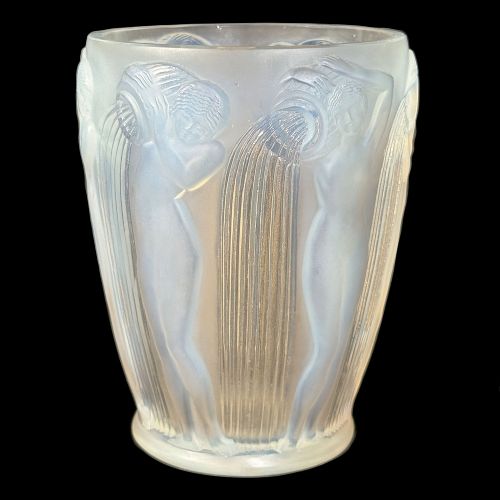
- Glass that diffuses light with a milky, translucent quality, often shifting in tone between amber and blue. This effect became central to many Art Deco designs.
- Ewer
- A large pitcher with a wide spout and elaborate handle, historically used for pouring water but later adapted purely for display. These vessels often feature prominent vertical proportions.
French Glass Urn: Frequently Asked Questions
What defines a french glass urn?
These decorative vessels combine coloured or clear glass bodies with distinct classical or modern silhouettes, often serving as centrepieces.
They reflect shifts in design from nineteenth-century revivalism into the modernist styles of the twentieth century.
How do I identify Art Deco pieces?
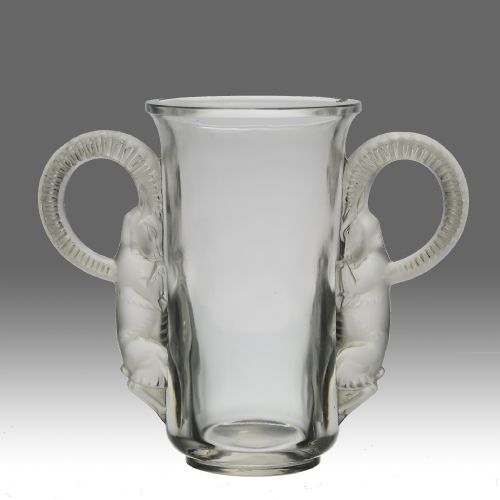
Art Deco items generally display geometric patterns, stylised floral motifs, and stylised animal reliefs moulded into heavy opalescent or clear glass.
They reject nineteenth-century ornamentation in favour of clean lines and symmetrical weight.
Where should I display these objects?
Place them on mantelpieces, sturdy consoles, or dedicated display cabinets where natural light can pass through the glass body.
Positioning them away from high-traffic zones protects delicate mounts and protruding handles.
How were metal mounts attached?
Mounts in ormolu or brass were custom-fitted to the fired glass vessel, often secured with pins, collars, or threaded rods.
These additions reinforced vulnerable rims and bases while elevating the decorative status of the object.