
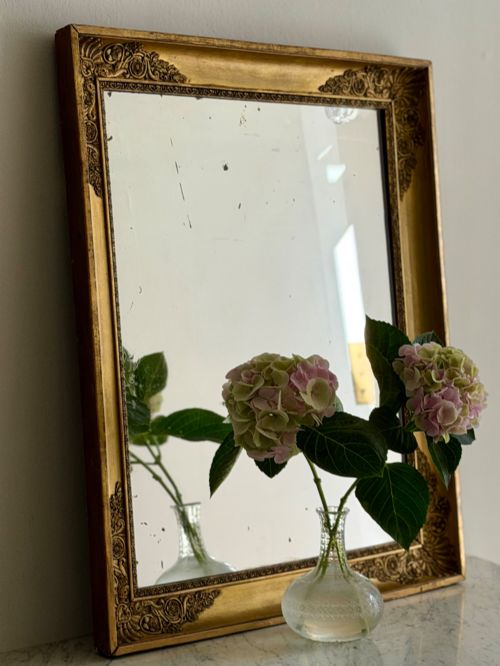
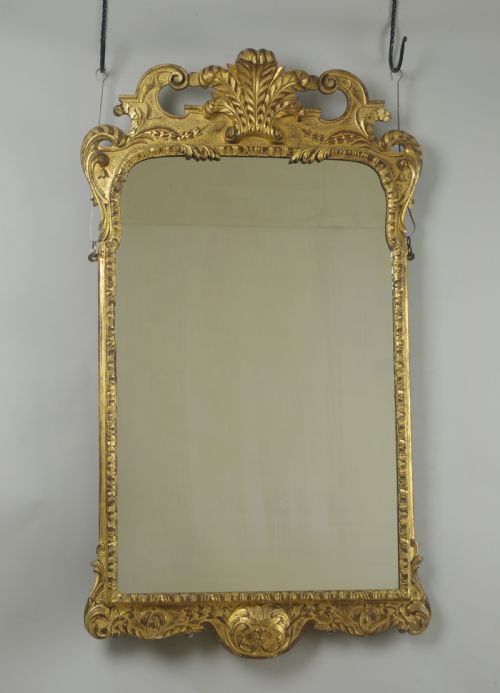
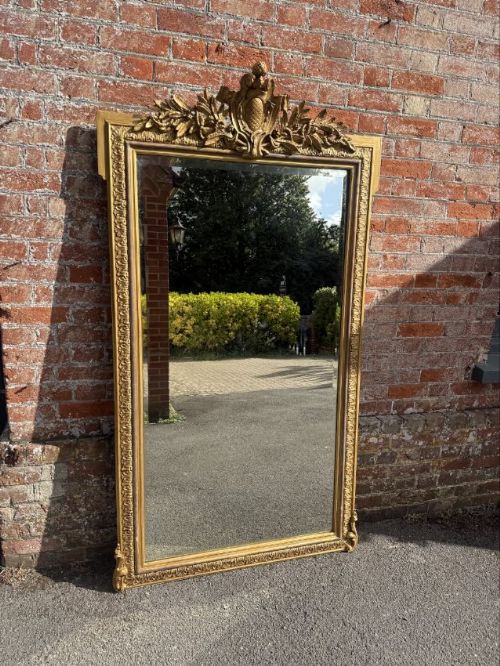
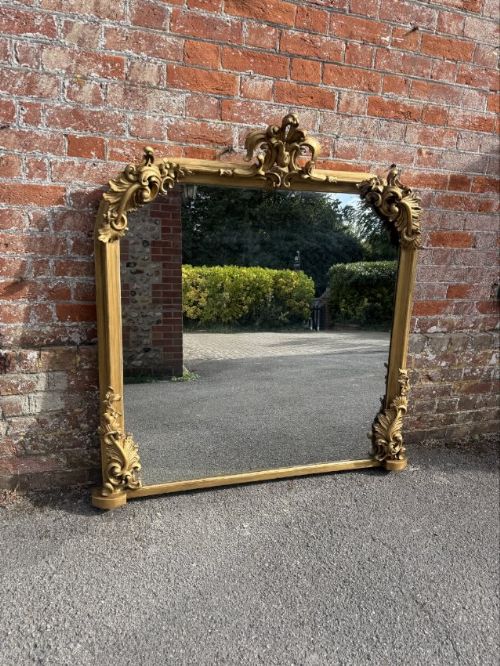
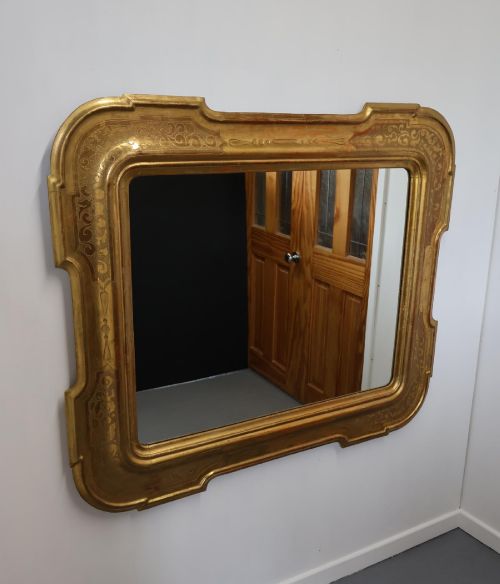
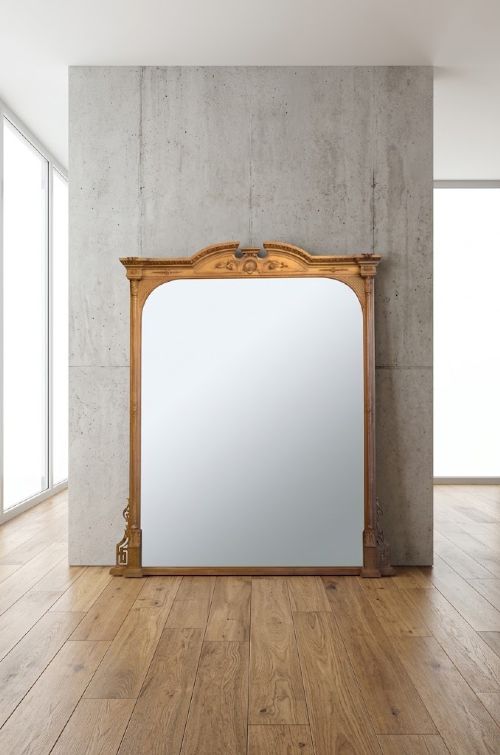
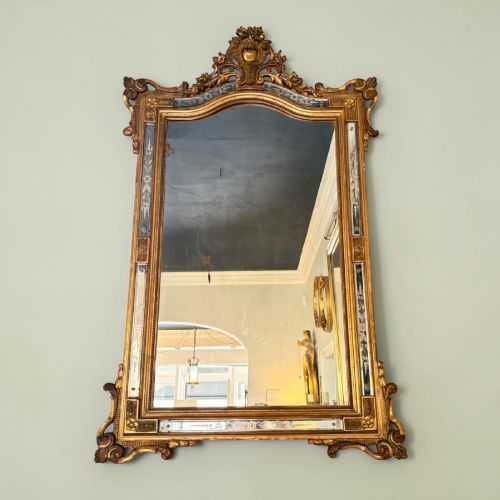
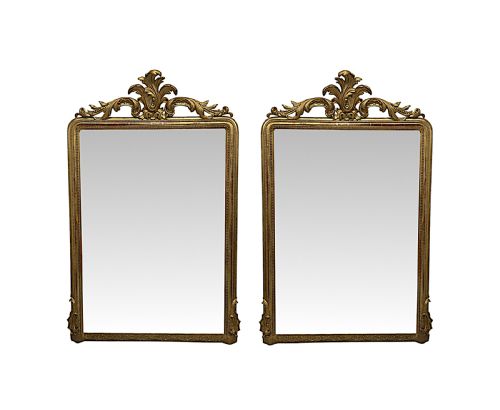
French Giltwood Overmantel Mirror
A french giltwood overmantel mirror brings grand proportions and reflective light to a room, anchoring a fireplace with period character.
French Giltwood Overmantel Mirror
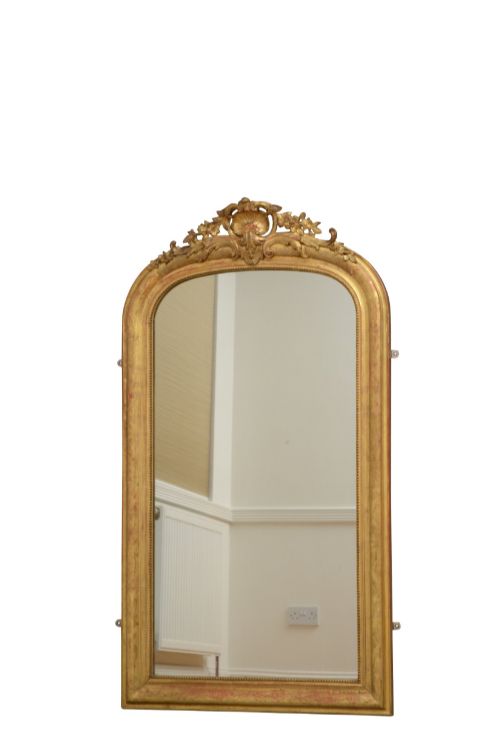
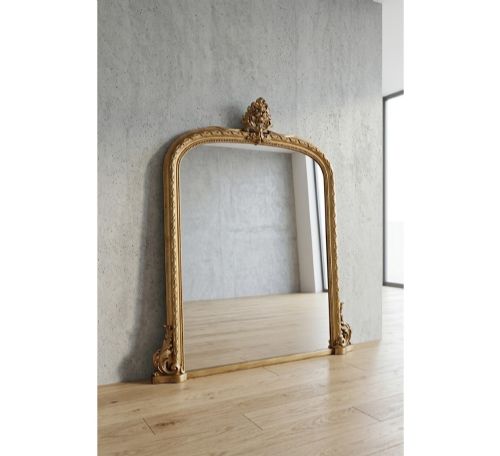
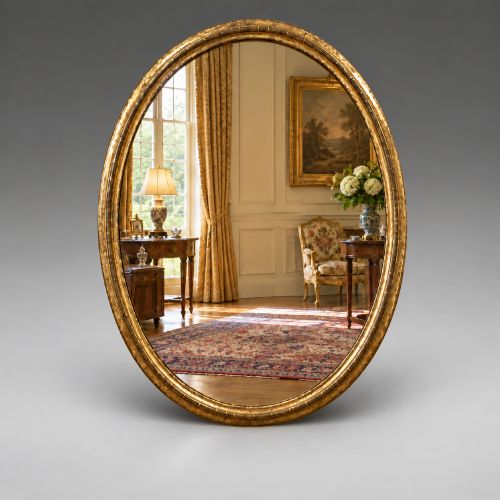
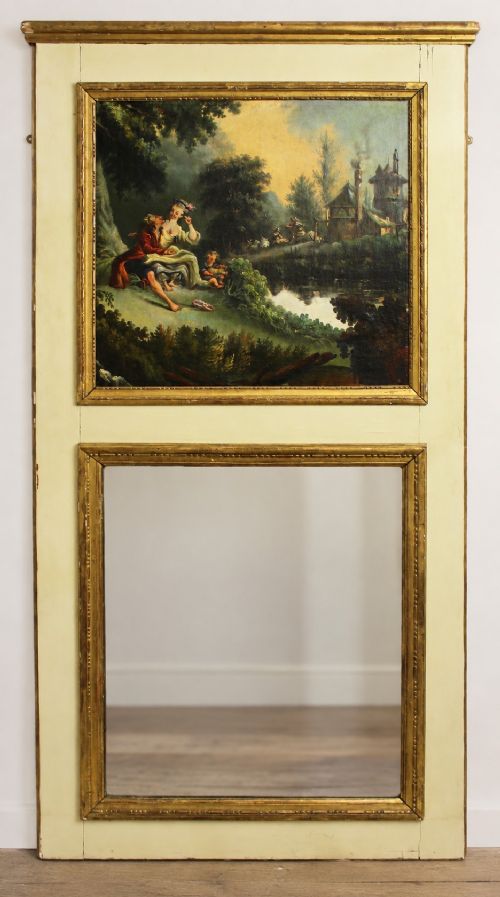
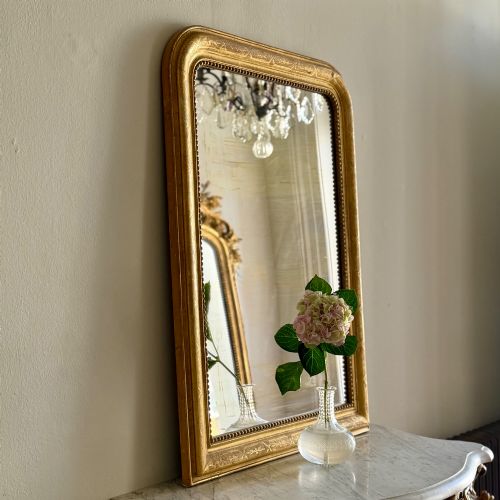
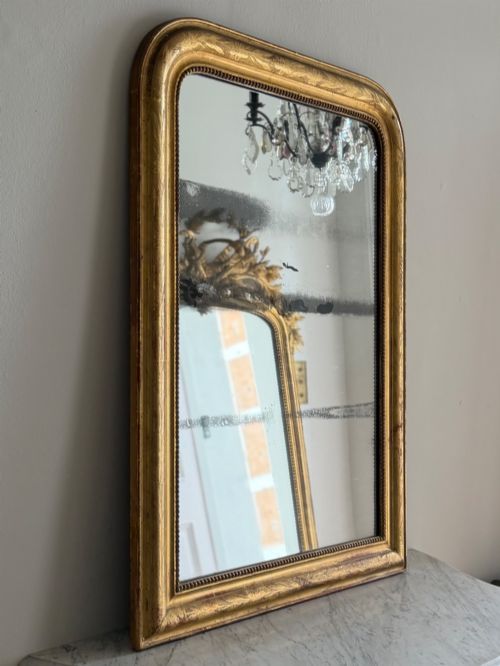
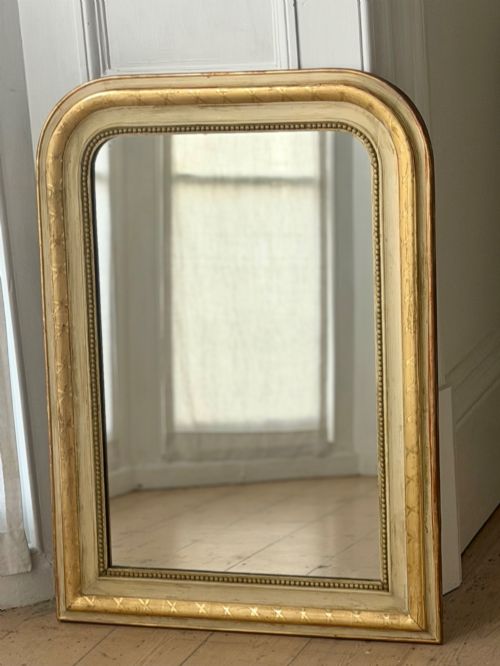
A french giltwood overmantel mirror is a substantial architectural glass designed to sit above a mantelpiece, reflecting interior light and expanding the visual space of a room. Most examples found here originate from the nineteenth century, spanning styles from Rococo Revival and Napoleon III to French Neoclassical and Louis Philippe.
These pieces function as focal points in reception rooms and parlours, often measuring well over a metre in height. The forms range from arched and shaped tops to triple plate designs and large rectangular formats meant to be leaned against a wall or mounted securely above a fireplace.
The aesthetic draws heavily on continental traditions, combining ornate carved wooden frames with gilded finishes. Buyers searching for a french giltwood overmantel mirror encounter both decorative wall pieces and heavy pier glasses designed to fit specific architectural spaces.
How They Were Made
The construction of these frames relies upon carved wood, frequently layered with gesso to create smooth surfaces for detail work before the application of gold leaf or composition ornaments. Artisans shaped intricate motifs including floral carvings, rope twists, and mythological elements directly into the wooden substrate.
Mirror plates in older examples, particularly those dating to the eighteenth century, utilise mercury glass distinguished by characteristic foxing and spotting. Later nineteenth-century variants often incorporate bevelled mirror plates fitted into heavy, robust frames built to support substantial glass weight.
Some nineteenth-century makers incorporated nautical rope twists into formal gilt frames, proving even the navy needed a bit of sparkle.
What Varies in Quality
The distinction between standard decorative pieces and exceptional examples rests in the depth and sharpness of the hand-carved detail on the wooden frame. Superior items exhibit crisp relief work in the gesso and foliage, whereas lesser pieces rely on simpler moulded composition details.
The integrity of the original gilding and the character of the mirror plate also determine quality. Retaining genuine gold leaf alongside untouched mercury glass with authentic age-related foxing elevates the desirability of a french giltwood overmantel mirror.
The French Giltwood Overmantel Mirror Glossary
- Giltwood
- Wood that has been coated with gold leaf or a gold-coloured substance. This finish provides the bright metallic sheen characteristic of formal period frames.
- Gesso
- A plaster-like mixture applied to wood frames to create a smooth surface for carving and gilding. It allows for crisp, detailed decorative moulding.
- Overmantel
- A large mirror or painting designed to be hung or placed specifically on the wall above a fireplace mantel. These pieces were scaled to balance the hearth below.
- Foxing
- The natural ageing of mirror glass resulting in dark spots and mottled patches. This chemical transformation occurs behind the glass over many decades.
- Pier glass
- A tall, narrow mirror designed to be hung on the section of wall between two windows. They often share stylistic traits with overmantel mirrors.
- Composition
- A moulded material made from whiting, resin, and linseed oil used to create decorative details on frames. It offers a cost-effective alternative to hand carving.
French Giltwood Overmantel Mirror: Frequently Asked Questions
How do I hang a heavy overmantel mirror?
Due to their substantial weight, these large frames require professional wall fixing directly into masonry or secure wooden studs using heavy-duty brackets.
Many owners also choose to rest the base of the mirror securely on the mantelpiece while anchoring the top to the wall for stability.
What is mercury glass?
Mercury glass refers to historic mirror plates created by applying a reflective tin and mercury amalgam behind the glass. This technique produces a warm, uneven reflection distinct from modern silvered glass.
Over time, this material develops foxing, which collectors prize as an indicator of genuine antiquity.
Can these mirrors be leaned rather than hung?
Leaning an overmantel mirror against the wall is a traditional placement method, particularly for taller or heavier formats designed as leaner mirrors.
This approach works well in rooms with high ceilings, provided the base is protected and the frame is secured at the top to prevent tipping.
How do I identify a Rococo Revival style?
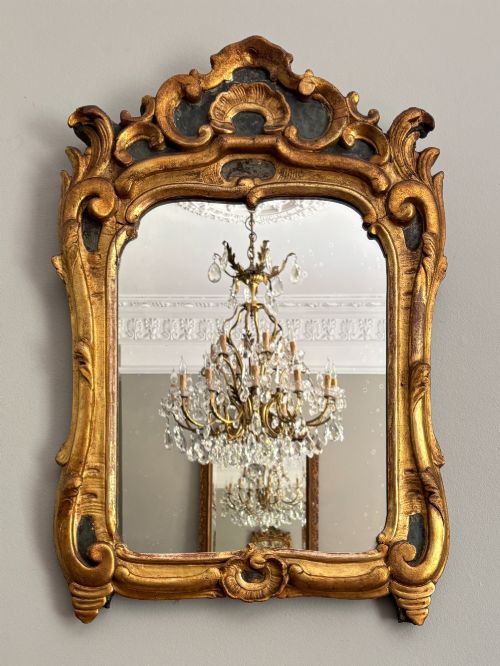
Rococo Revival pieces feature asymmetrical scrolling, naturalistic plant motifs, and C-scrolls carved into the giltwood frame. The overall aesthetic mimics the ornate French decoration of the eighteenth century.
These frames often display dramatic, curved top profiles rather than strict geometric lines.