
Victorian Crest Wall Mirror
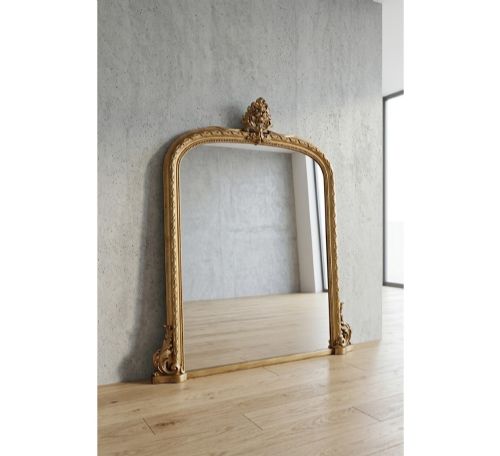
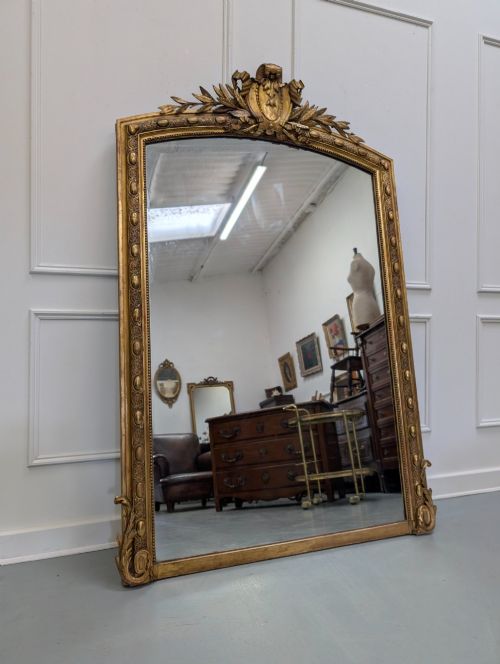
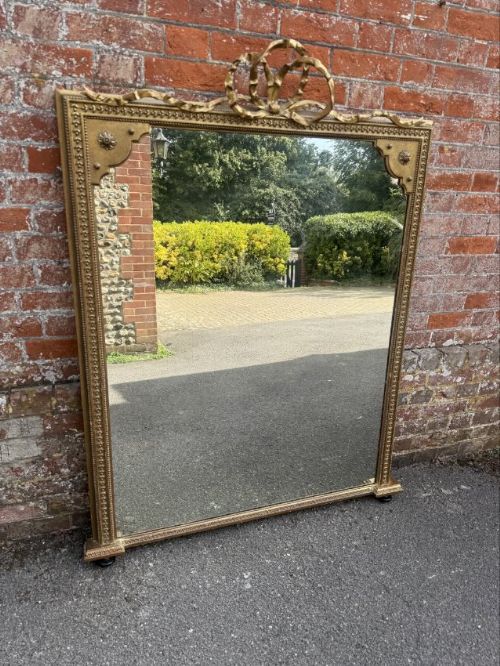
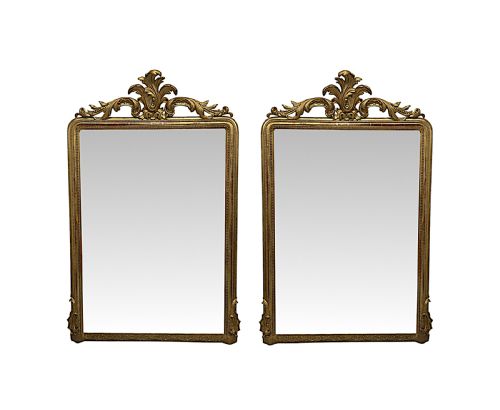
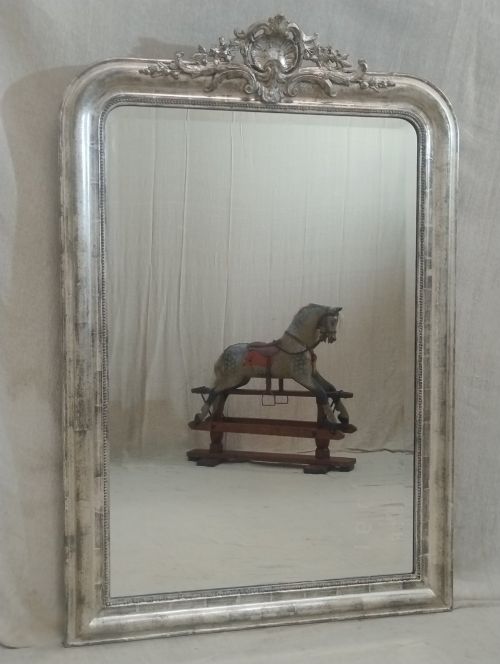
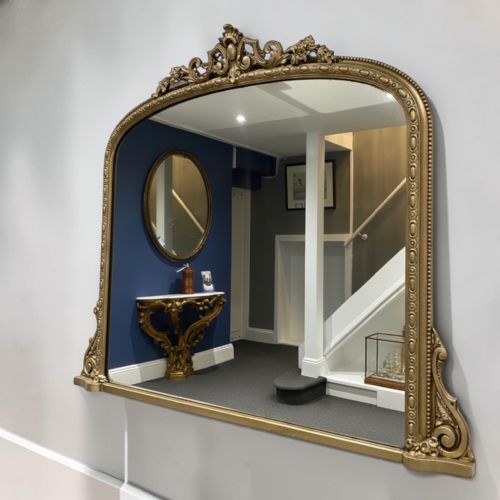
A victorian crest wall mirror brings nineteenth-century focal weight to a room, offering grand proportions and ornate carved details that anchor an interior.
Victorian Crest Wall Mirror
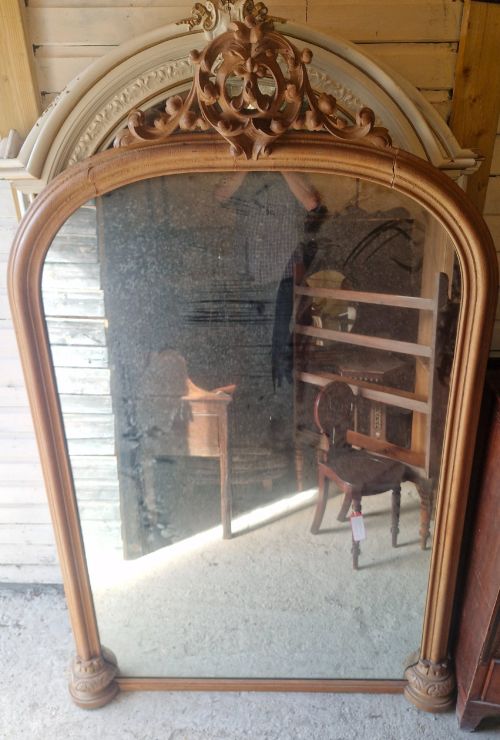
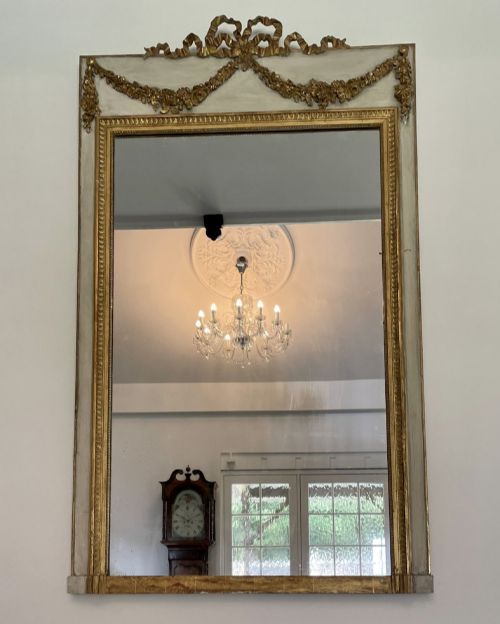
A victorian crest wall mirror encompasses grand overmantels, tall pier mirrors, and decorative wall pieces originating from the nineteenth century. These objects function primarily to reflect light and expand interior spaces while providing a distinct architectural presence.
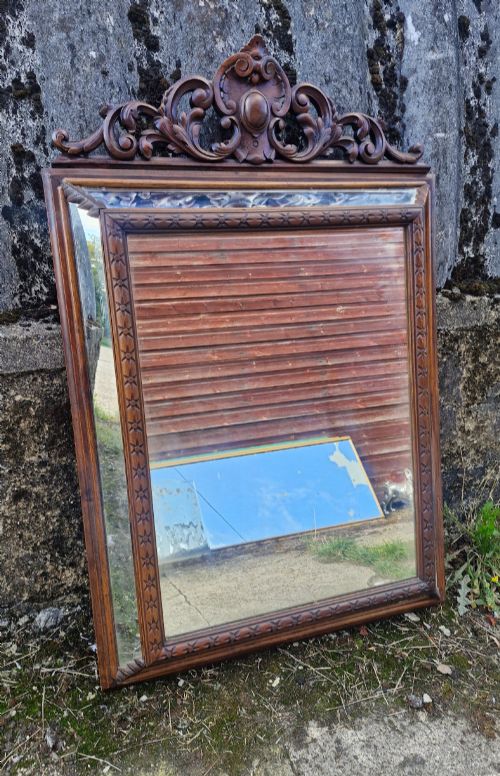
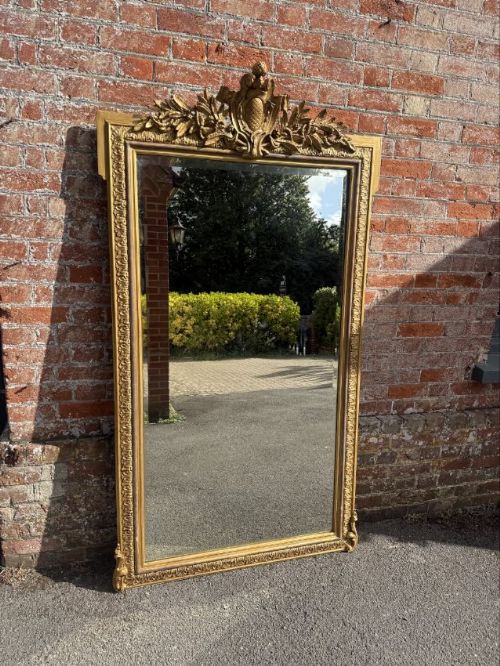
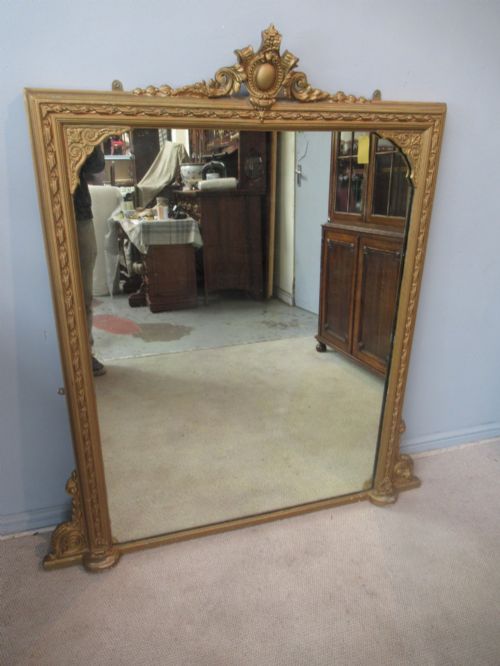
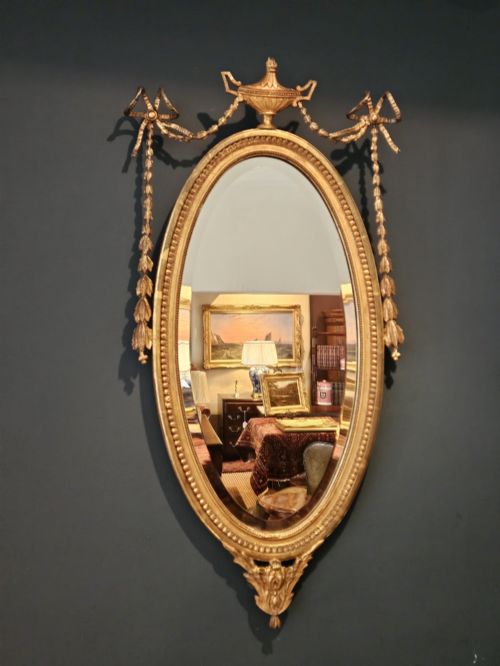
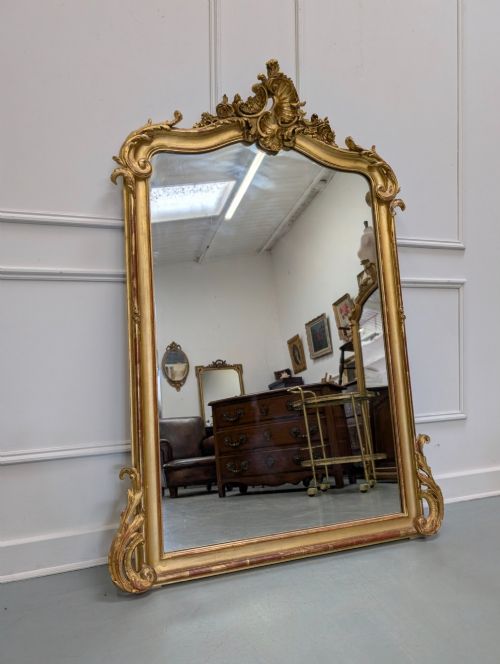
The versions most commonly met on this page span the mid to late nineteenth century, incorporating revival aesthetics such as Chippendale and Neoclassical styles. Makers utilised substantial proportions, often featuring shaped tops, cartouches, or prominent crestings above the main glass plate.
How they were made
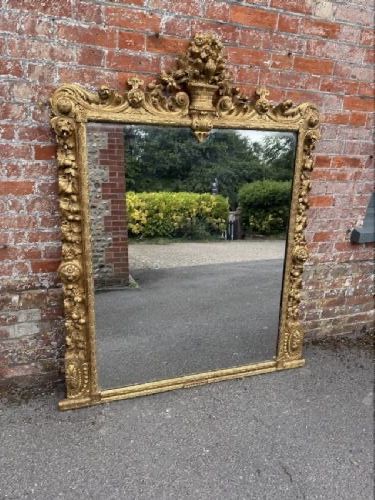
Carved wood forms the structural base for many examples, frequently enhanced with applied gesso and composition ornaments to create deep relief motifs. Giltwood finishes utilise gold leaf applied over bole, while other pieces showcase ebonised surfaces with parcel-gilt highlights.
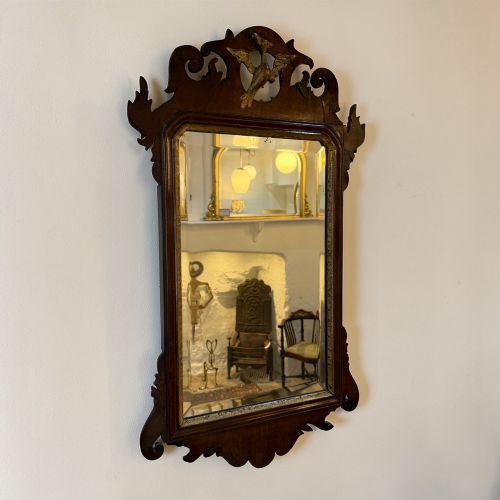
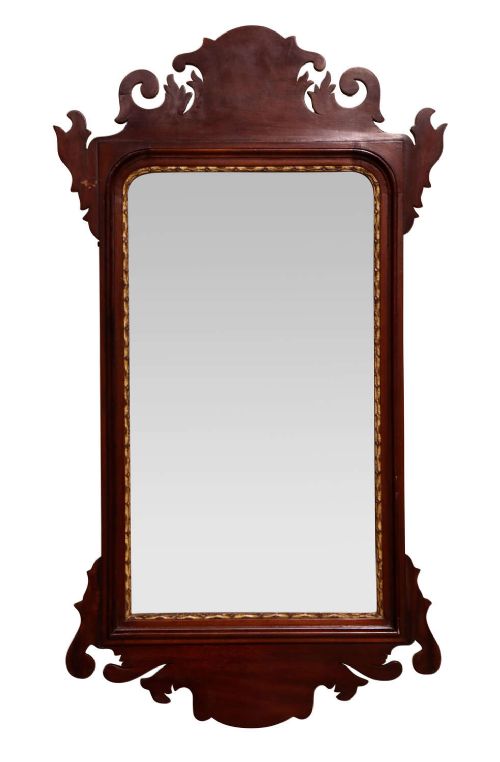
Mahogany appears frequently in revival frames, shaped through intricate fretwork and joinery techniques. Mirror glass is set within these frames, sometimes accompanied by detailed crests depicting birds or urns.
Listings feature nineteenth-century pieces spanning the 1860s through to 1900, incorporating giltwood, mahogany, and composition materials.
What varies in quality
The depth and crispness of the hand-carved woodwork distinguish finer examples from standard production, particularly where gesso ornaments retain sharp definition rather than soft moulded edges. Original gilding and untouched surface patination command greater regard among collectors.
Structural integrity of the timber frame and the retention of original mirror glass with natural ageing contribute significantly to a piece's standing. Elaborate crest details, such as carved birds or urns, demonstrate superior craftsmanship when executed with proportional balance.
William Kent
The Victorian Crest Wall Mirror Glossary
- Gesso
- A plaster-like mixture applied to wooden frames as a base for gilding or painting. It allows craftsmen to carve intricate relief details before finishing.
- Giltwood
- Timber coated with gold leaf or metal powder. This finish catches candlelight and natural illumination in nineteenth-century interiors.
- Overmantel mirror
- A large horizontal mirror designed specifically to hang above a fireplace mantelpiece. These pieces often feature shaped arched tops to match architectural proportions.
- Pier mirror
- A tall, narrow mirror traditionally hung on the solid wall space between two windows. They maximise light in rooms with high ceilings.
- Parcel-gilt
- Partially gilded woodwork where gold leaf highlights specific carved elements against a contrasting painted or dark wood ground.
- Cartouche
- An ornamental tablet or oval frame design resembling a rolled-up scroll. It often occupies the centre of a cresting.
Victorian Crest Wall Mirror: Frequently Asked Questions
Where should I hang an overmantel mirror?
These large mirrors sit naturally above a fireplace mantelpiece, where their proportions balance the hearth below. They also function effectively on principal living room walls to draw light across the space.
Ensure the wall construction supports the substantial weight of carved wood and gesso frames. Professional fixings are essential for secure installation.
How do I identify a Chippendale revival mirror?
Chippendale revival pieces typically feature mahogany frames with intricate fretwork, asymmetry, and scroll motifs inspired by eighteenth-century designs. Look for distinctive elements such as the Ho-Ho bird cresting at the top.
These nineteenth-century interpretations capture the lighter, organic forms of earlier cabinetmakers while utilising Victorian manufacturing techniques.
What is parcel-gilt finish?
Parcel-gilt involves applying gold leaf selectively to specific raised carvings or details on a frame. The remainder of the wood is often ebonised or painted a dark tone.
This technique creates contrast and highlights the intricacy of the woodwork without overwhelming the entire object in gold.
How do I care for antique mirror glass?
Clean the glass gently using a soft cloth and mild, non-abrasive solution, avoiding harsh chemicals that might seep behind the plate. Preserve the original wooden frame by keeping it away from direct heat sources and damp environments.
Natural foxing or clouding on nineteenth-century glass is part of the object's history and should be preserved rather than replaced.