
Gilt Wall Glass
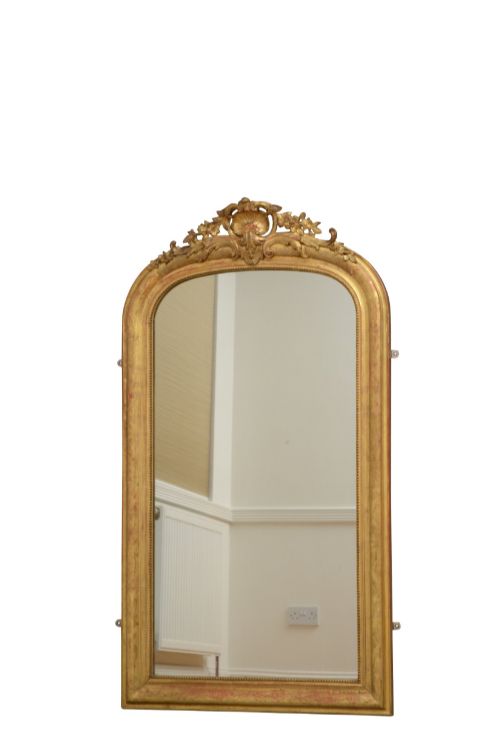
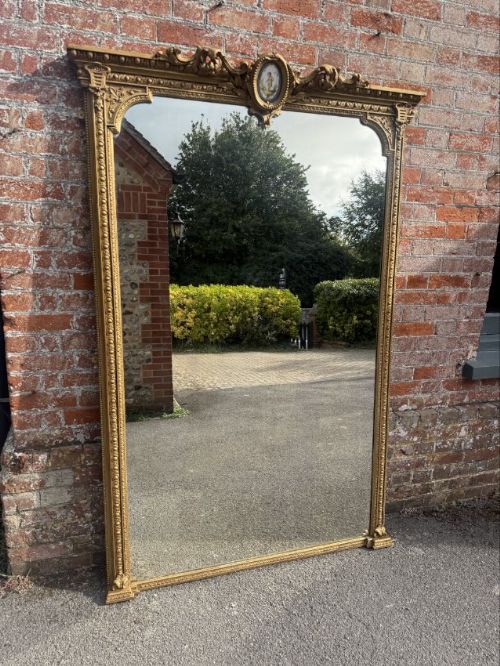
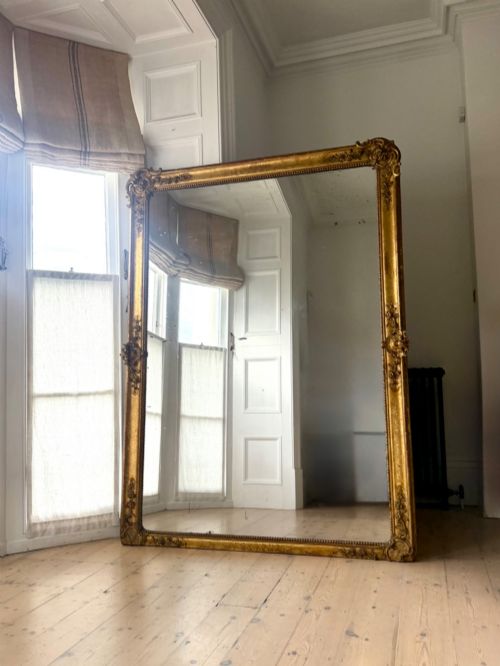
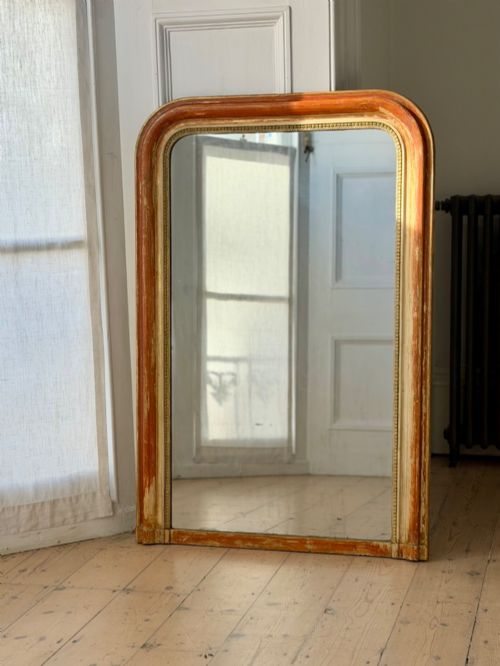
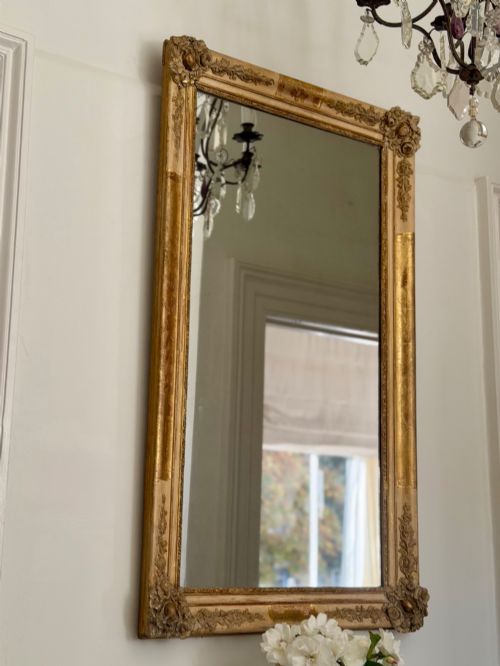
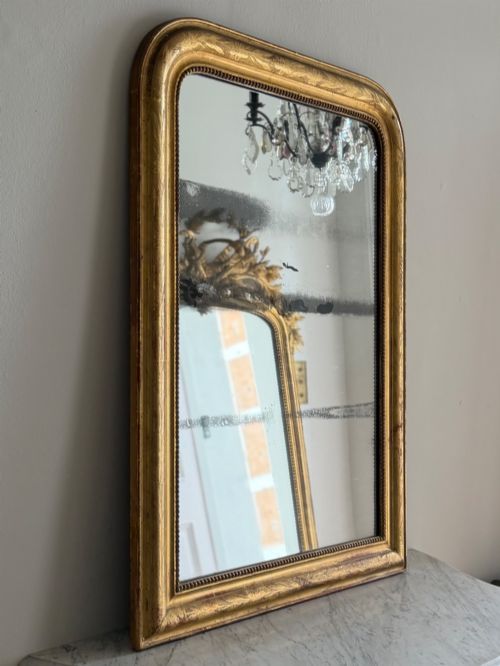
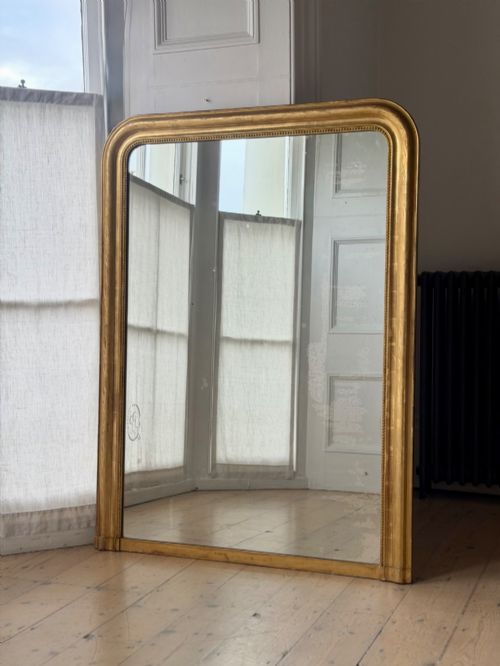
Gilt wall glass brings light and reflection into a room through carved wood, gesso, and gold leaf frames shaped across Georgian, Regency, and Victorian periods.
Gilt Wall Glass
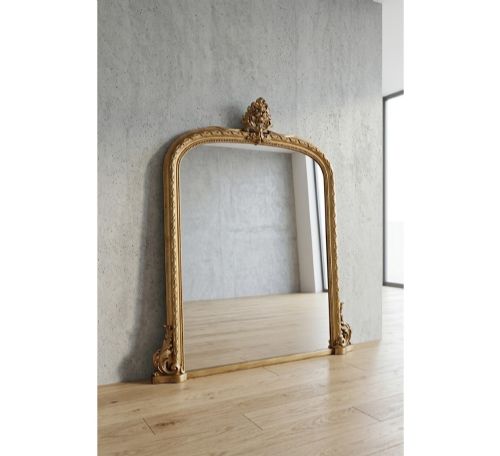
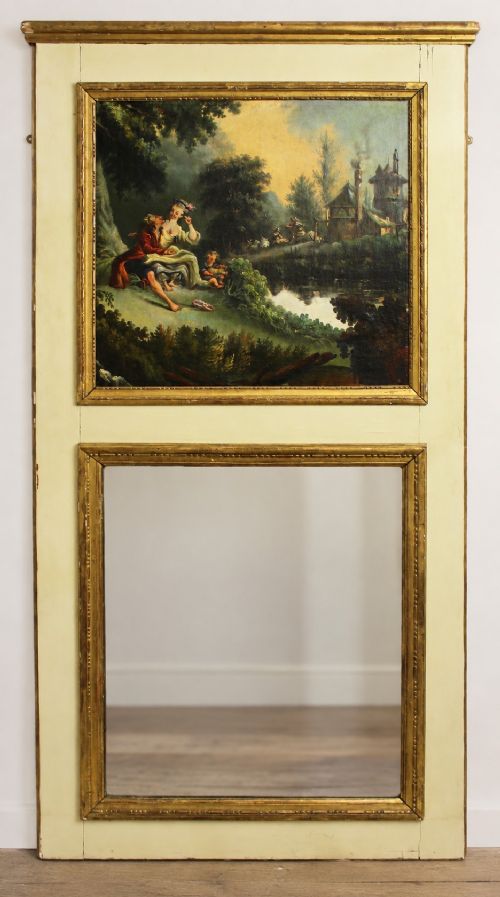
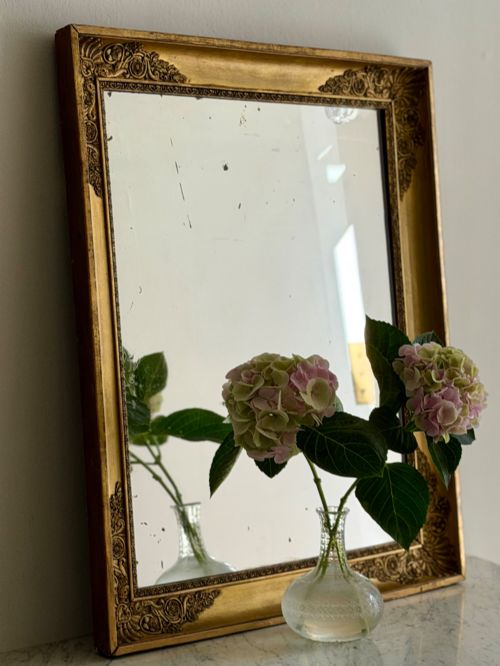
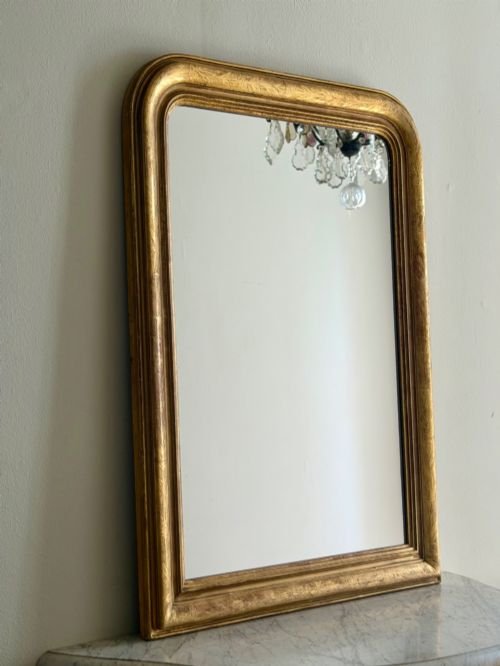
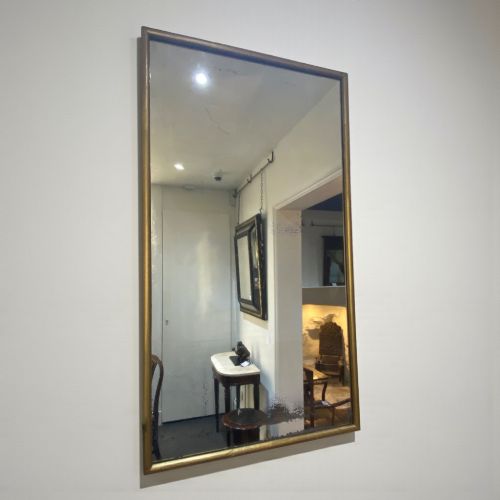
When searching for gilt wall glass, buyers encounter a variety of decorative looking glasses designed to hang in principal rooms or sit above mantelpieces. The selection spans distinct eras from the eighteenth century through the nineteenth century, including Georgian, Regency, and Victorian iterations.
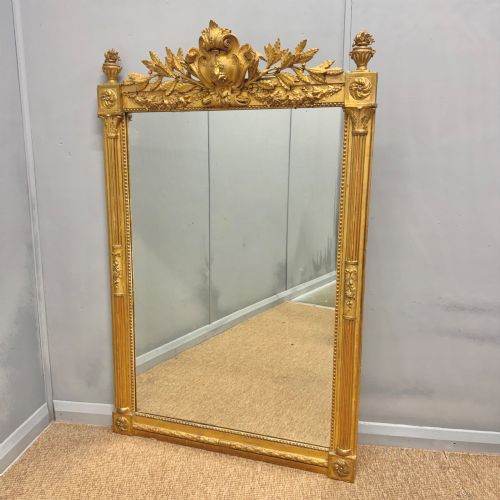
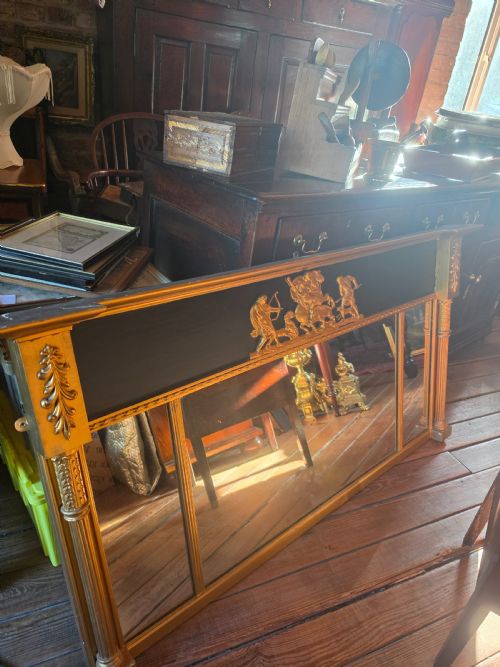
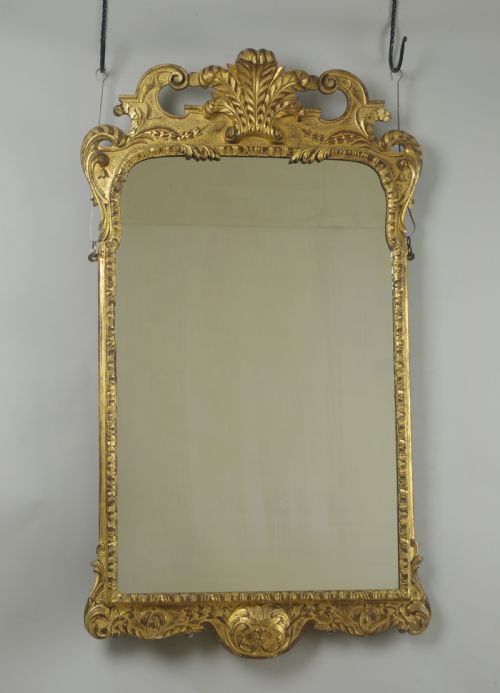
Overmantle mirrors and tall pier glasses dominate the selection, often featuring carved wooden frames coated in gesso and finished with gold leaf. French neoclassical and Rococo revival designs appear alongside English walnut and mahogany parcel gilt pieces, providing architectural presence on a wall.
Smaller convex butler mirrors and oval girandoles also emerge within the listings, alongside related items such as console tables and wall sconces. These forms reflect historical interior schemes where mirrors doubled as light sources by multiplying candlelight across gilded surfaces.
Materials and construction methods
The foundation of these frames typically relies on carved timber such as pine, oak, walnut, or mahogany, which provides structural integrity. Artisans then applied layers of gesso - a mixture of chalk and binder - to the wood base in order to sculpt intricate motifs, floral carvings, and rope twist details.
Guilders applied gold leaf or composition metal onto the prepared gesso surface, often using water gilding techniques that allowed parts of the red bole underlayer to show through with age. Early pieces frequently incorporate original mercury glass plates with characteristic foxing and spotting, while later examples utilise bevelled plate glass.
Several mirrors retain their original seventeenth-century reflections of mischievous salon guests who forgot to duck.
Craftsmanship and preservation
The distinction between tiers of quality rests upon the crispness of the hand-carved gesso ornamentation and the depth of the gilding. Superior examples display sharply defined motifs without the softening that comes from heavy over-painting or clumsy restoration.
The integrity of the original mirror plate further separates pieces, particularly where untouched mercury glass or period bevels survive intact within the original frame construction. Proportion and balance in the architectural framing elements dictate the visual impact of the glass on the wall.
The Gilt Wall Glass Glossary
- Gesso
- A plaster-like material applied to wooden frame bases and sculpted into ornate relief decorations before gilding. This mixture of chalk, gypsum, and glue accepts fine detail work.
- Pier glass
- A tall mirror specifically designed to hang on the narrow pier of wall space between windows. These tall glasses often matched console tables placed directly beneath them.
- Overmantle mirror
- A wide horizontal looking glass created to sit securely on the mantelpiece above a fireplace opening. They often anchor the decorative scheme of a reception room.
- Mercury glass
- An early form of mirror plate backed with a silver and mercury amalgam rather than modern aluminium or silver nitrate. It produces a dark, mottled reflection known as foxing.
- Parcel gilt
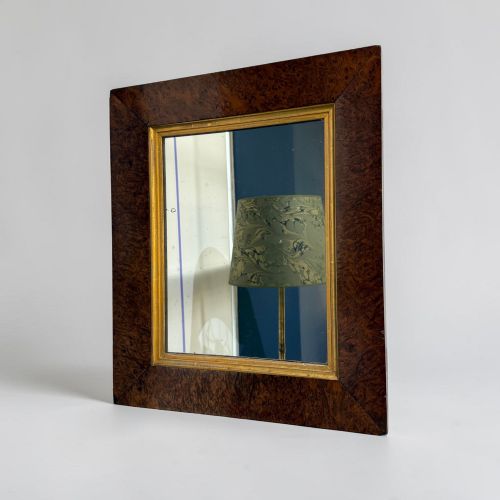
- A decorative treatment where parts of a wooden frame show their natural mahogany or walnut grain while other sections receive a gold leaf finish.
- Girandole
- A wall-mounted mirror equipped with attached candle sconces or arms that project forward. The reflective glass multiplies the flickering light of the candles.
Gilt Wall Glass: Frequently Asked Questions
How do I date an old gilt mirror?
Dating relies on examining the construction methods of the wooden frame, the composition of the gesso, and the characteristics of the mirror plate itself. Hand-cut pine or hardwood backing boards and early joinery methods point firmly to eighteenth or early nineteenth-century origins.
Mirror plates provide further clues, as mercury silvering displays natural foxing and uneven dark spots over time. Stylistic details like Regency rope twists, Georgian fretwork, or Victorian Rococo Revival moulding help narrow down the decade of manufacture.
What is mercury glass?
Mercury glass refers to mirror plates produced by pouring a liquid mercury and silver amalgam between two layers of blown glass or applying it to the rear surface. This historical technique yields a deep, slightly distorted reflection that ages with distinctive dark speckling.
Most mirrors utilising this method date from the eighteenth and early nineteenth centuries before safer silvering techniques were adopted. Collectors prize intact mercury plates for the authentic antique character they impart to the glass.
How should I hang a heavy gilt glass?
Hanging heavy antique mirrors requires locating secure wall studs or using heavy-duty structural fixings suited to the weight of wood and gesso frames. Due to the substantial weight of older timber and thick glass plates, picture wire alone is rarely sufficient for larger overmantle pieces.
Many substantial mirrors feature integrated iron strap hangers affixed directly to the sturdy wooden carcass on the reverse. Professional installation ensures the frame is properly supported and sits flush against the wall surface.
Can damaged gesso be repaired?
Damaged or missing sections of gesso ornamentation can be restored by skilled conservators using traditional plaster compounds and matching gold leaf. Because gesso is relatively brittle, historic frames frequently show minor losses around high-relief carved areas and corners.
Professional intervention involves casting missing motifs from surviving surrounding details and toning the new gilding to blend seamlessly with the aged surface. Original patina should be preserved whenever possible during any conservation work.