

French Gilt Table
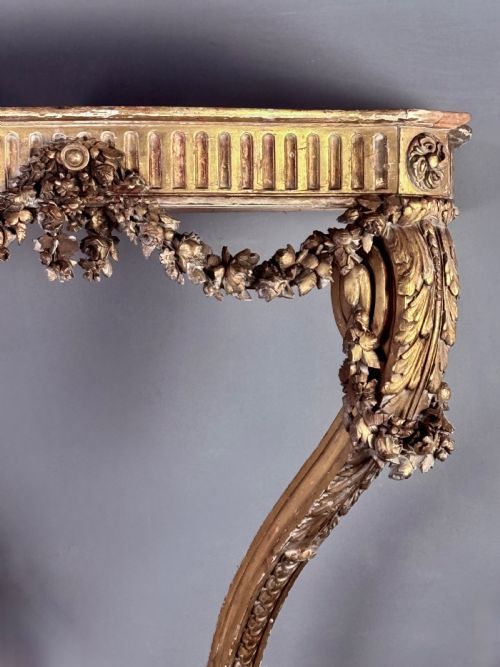
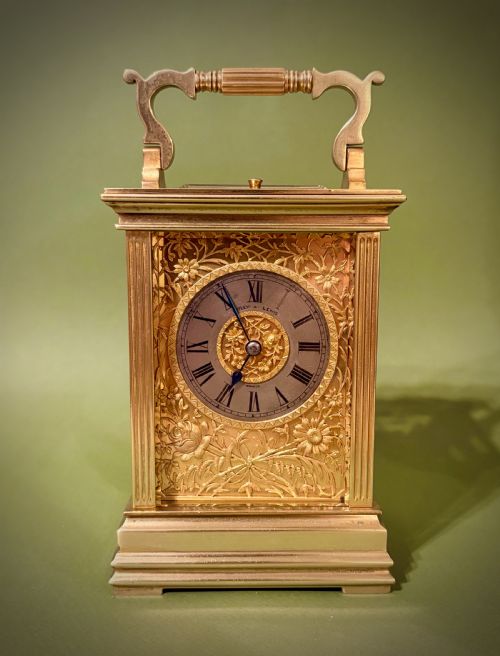
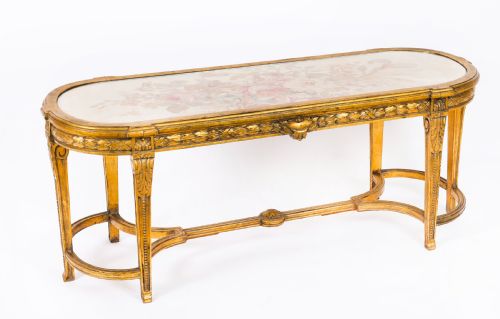
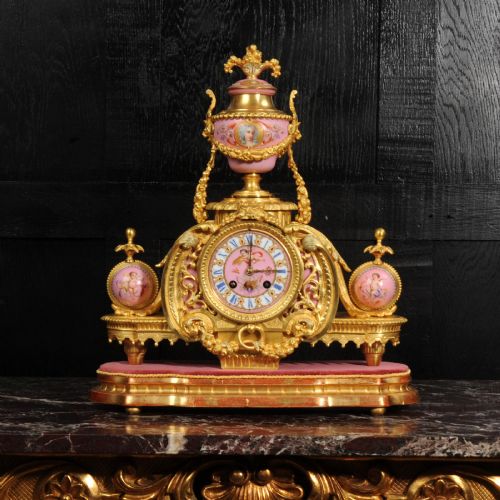
When collectors search for a french gilt table, they seek ornate 19th-century centre tables, console tables, and desks defined by gilded metal mounts and rich hardwoods.
French Gilt Table
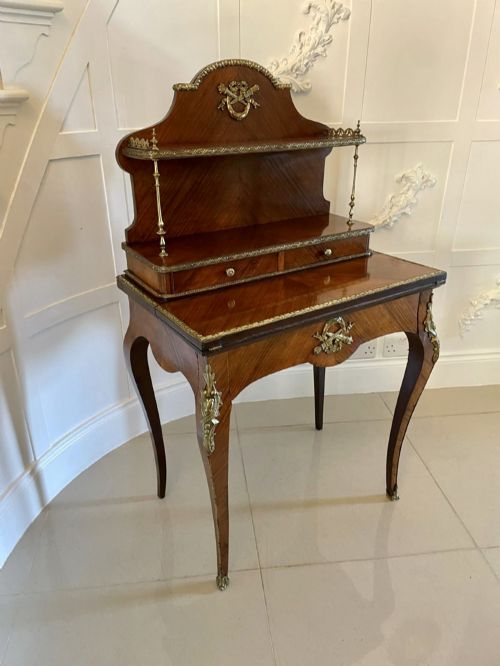
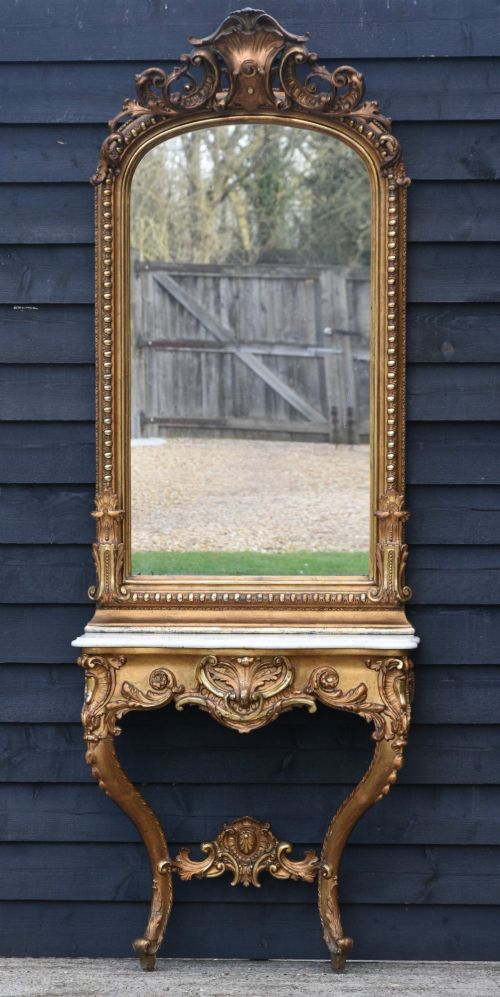
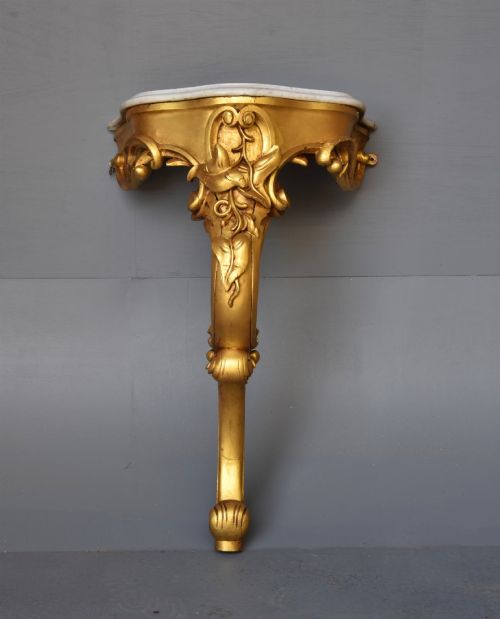
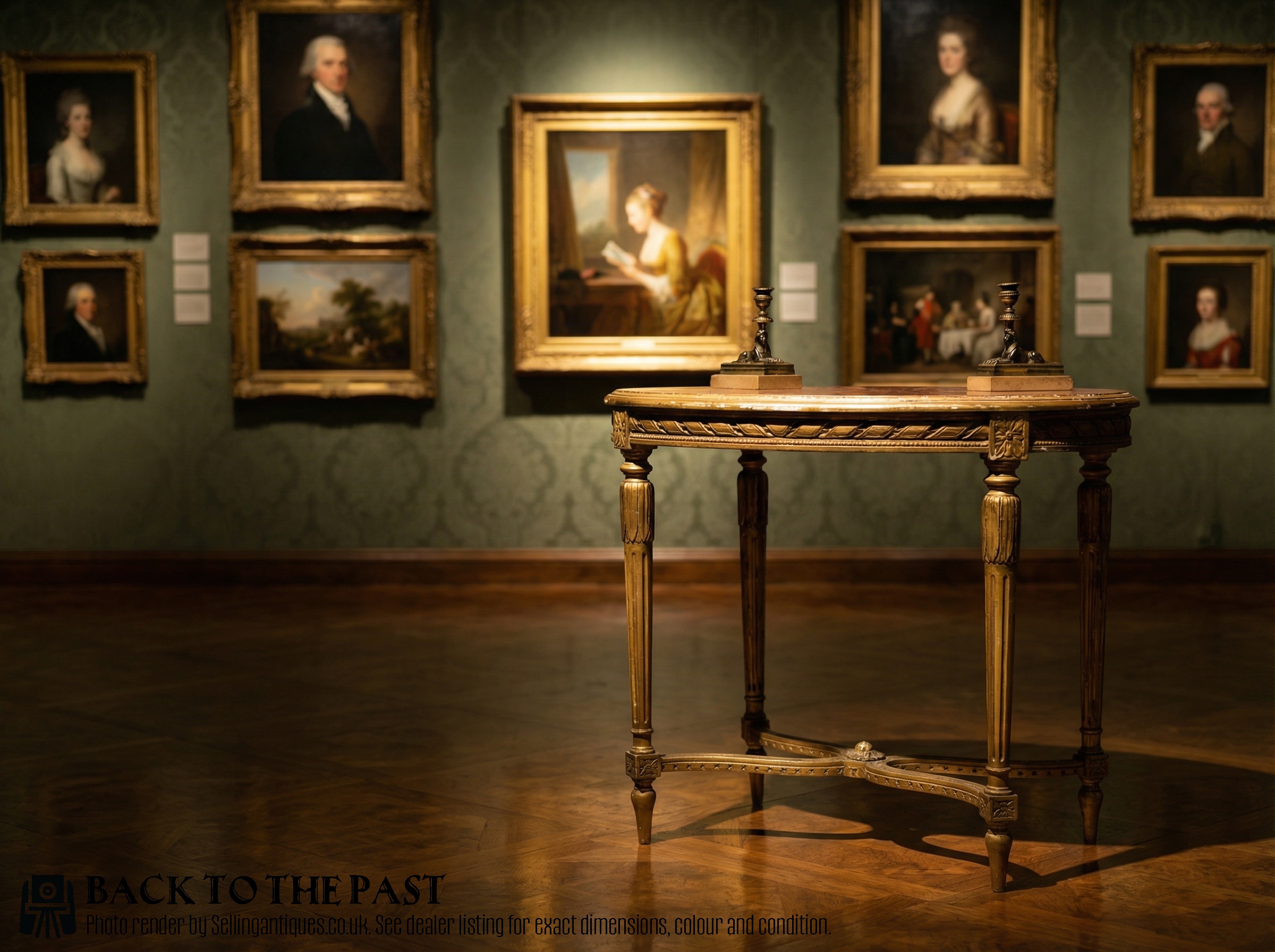
A french gilt table encompasses a diverse range of forms, primarily originating from the nineteenth century and drawing heavily upon historic design revivals. Buyers frequently encounter console tables with marble tops, freestanding centre tables, occasional tables, and elaborate desks such as the bureau plat.
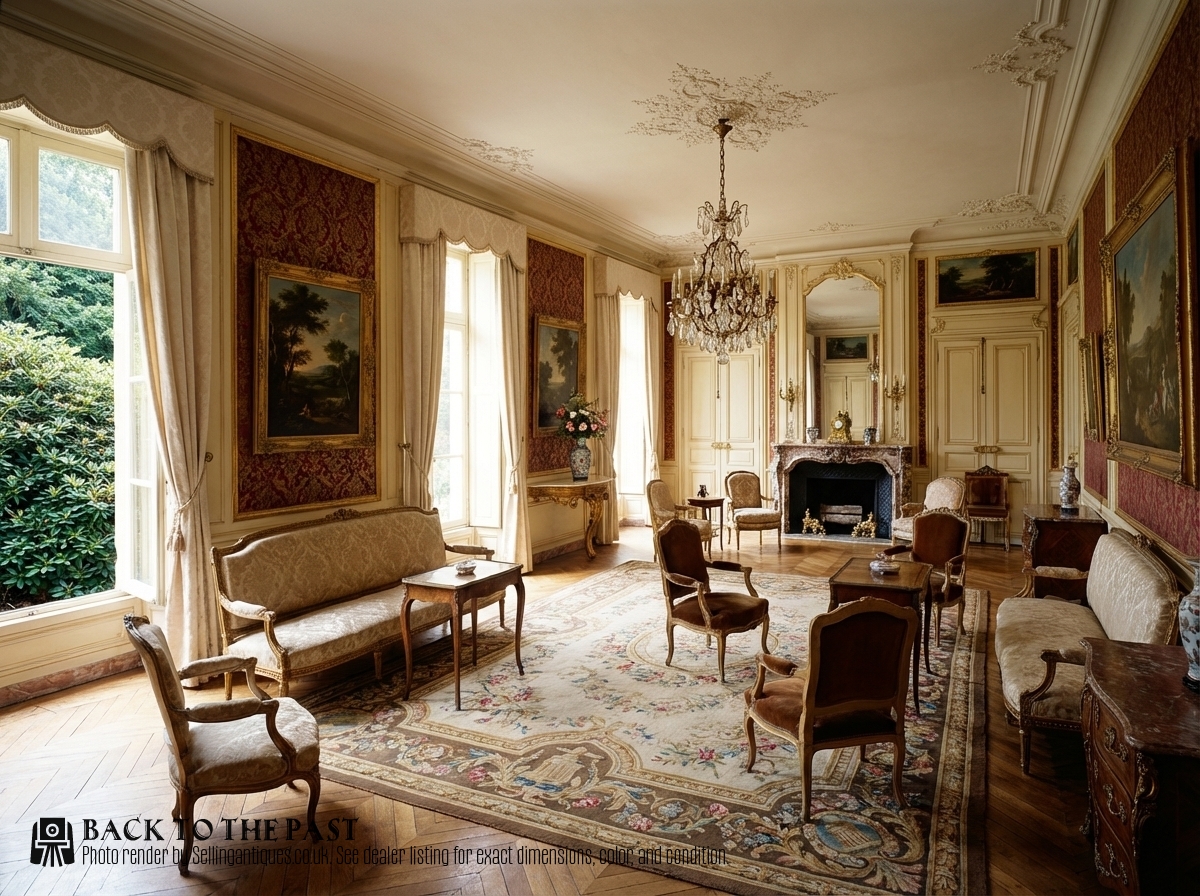
The aesthetic vocabulary spans Louis XV and Louis XVI revivals, French Rococo, and Empire styles. These pieces were designed to anchor formal reception rooms, serving both decorative and functional roles within high-status domestic interiors.
Originating largely from Parisian workshops and major cabinet makers, these tables reflect the height of nineteenth-century European craftsmanship. Surviving examples preserve the ambition and stylistic confidence of their period.
Materials and Techniques
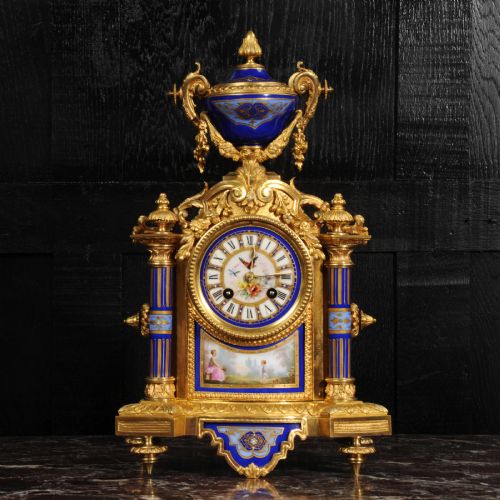
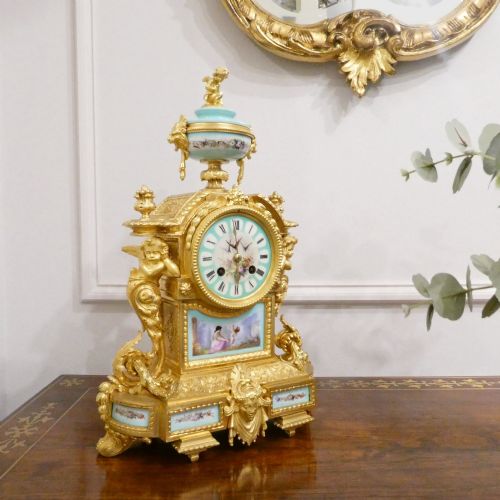
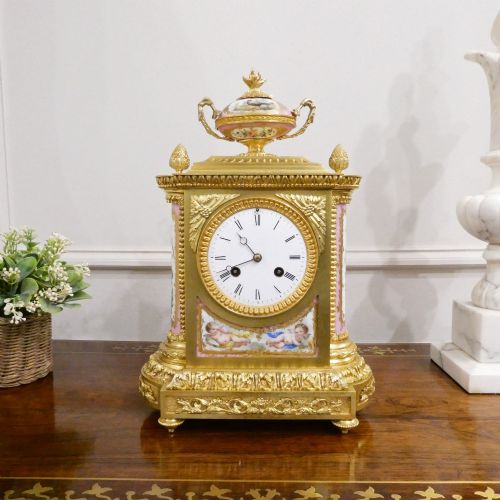
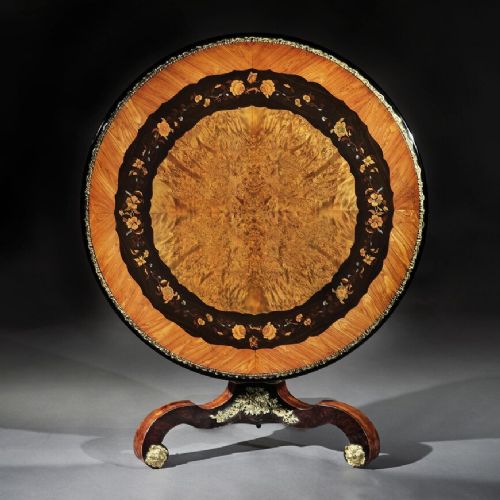
The construction relies heavily on foundational timbers such as kingwood, mahogany, and walnut, frequently embellished with intricate marquetry and parquetry patterns. Surface decoration is dominated by fire-gilt bronze or ormolu mounts, cast and chased to accentuate the structural lines and corners of the furniture.
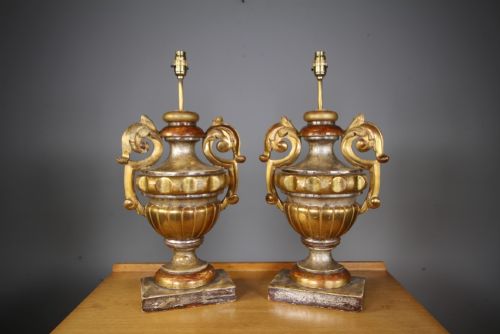
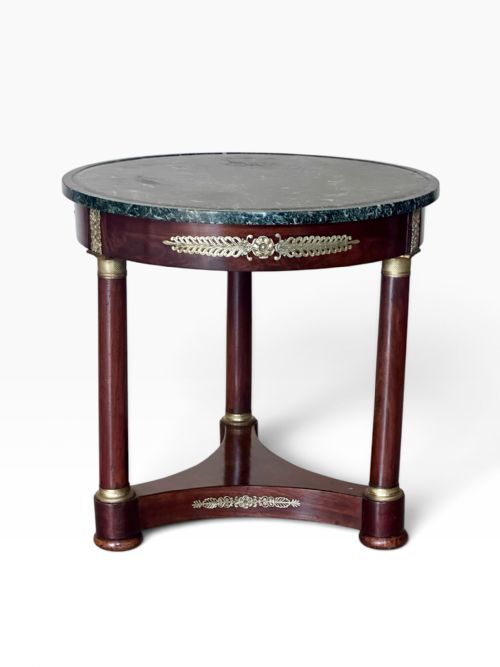
Many tables incorporate inset surfaces of white, rouge, or brèche violette marble, requiring precise joinery to support the substantial weight. Giltwood variants utilise carved pine or gesso applied over wood, then meticulously gilded to achieve a brilliant metallic lustre.
Listings feature items spanning the nineteenth century, the Edwardian era, and the early twentieth century, utilising ormolu, kingwood, marble, and giltwood.
Craftsmanship and Detailing
Quality reveals itself in the crispness of the ormolu chasing and the depth of the wood veneers. Superior pieces display finely articulated bronze mounts where every leaf and scroll is hand-finished rather than cast flat.
The sophistication of the internal mechanics and the integrity of the secondary timbers dictate the upper tier of manufacture. Master cabinet makers employed precise joinery and complex mechanisms that operate smoothly over generations, distinguishing bespoke workshop production from standard commercial output.
Edward Holmes Baldock·Achille Brocot·Henry Marc·Maison Millet·Charles à Orléans·Japy Freres·Samuel Marti·François Linke·Edwards and Roberts·Joseph-Emmanuel Zwiener·Paul Sormani
The French Gilt Table Glossary
- Ormolu
- Gilded bronze, where a mixture of gold and mercury is applied to cast bronze and fired. This technique creates a durable, rich metallic finish characteristic of fine nineteenth-century French furniture.
- Bureau plat
- A freestanding writing desk with a flat top, typically featuring drawers across the frieze. These desks are frequently mounted with ormolu and inlaid with exotic veneers.
- Console table
- A wall-mounted or freestanding table designed to stand against a vertical surface, often paired with a matching mirror. They commonly feature marble tops and elaborate giltwood frames.
- Guéridon
- A small, round table supported by a central pillar or multiple legs. Originating in the seventeenth century, nineteenth-century revivals often utilise marble tops and gilt bronze mounts.
- Marquetry
- The art of applying pieces of veneer to a structure to form decorative patterns. Makers used contrasting woods like kingwood and rosewood to create floral or geometric designs.
French Gilt Table: Frequently Asked Questions
What is a french gilt table used for?
These tables served various domestic functions depending on their specific form. Console tables provided surfaces for decorative objects and mirrors in formal hallways, while centre tables occupied the middle of reception rooms.
Desks like the bureau plat functioned as writing surfaces for the household elite. Occasional and coffee tables supported lamps and smaller display items.
How do I care for a marble top?
Marble surfaces require gentle cleaning with a soft, damp cloth and neutral soap to avoid scratching the polished stone. Acidic substances such as wine, citrus, and vinegar should be kept away from the marble to prevent etching.
Applying a specialist stone wax periodically helps protect the porous surface from staining while maintaining its subtle sheen.
How do I identify the period?
Dating relies on examining the construction methods, secondary timbers, and stylistic markers characteristic of specific revivals. Nineteenth-century pieces often exhibit machine-cut screws alongside hand-cut dovetails, bridging traditional craftsmanship and industrial techniques.
Maker stamps, bronze signatures, and stylistic adherence to Louis XV or Louis XVI revivals further narrow down the decade of manufacture.
How do I maintain ormolu mounts?
Ormolu mounts should be dusted gently with a dry, soft-bristled brush to remove particulate matter from recessed chasing. Avoid abrasive commercial metal polishes, which can strip the delicate gold layer from the bronze beneath.
Professional conservation is recommended if the gilding shows signs of wear or tarnish.