

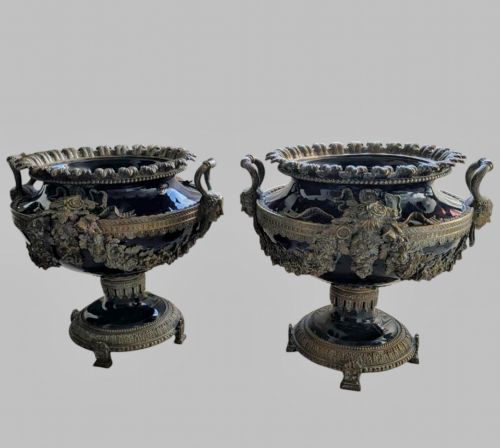
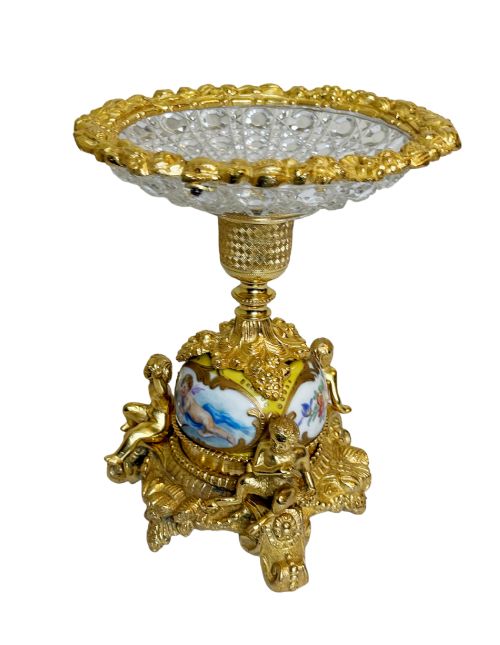
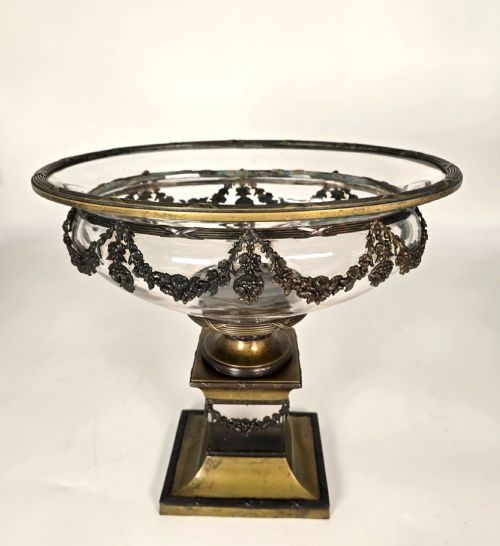
French Gilt Pedestals
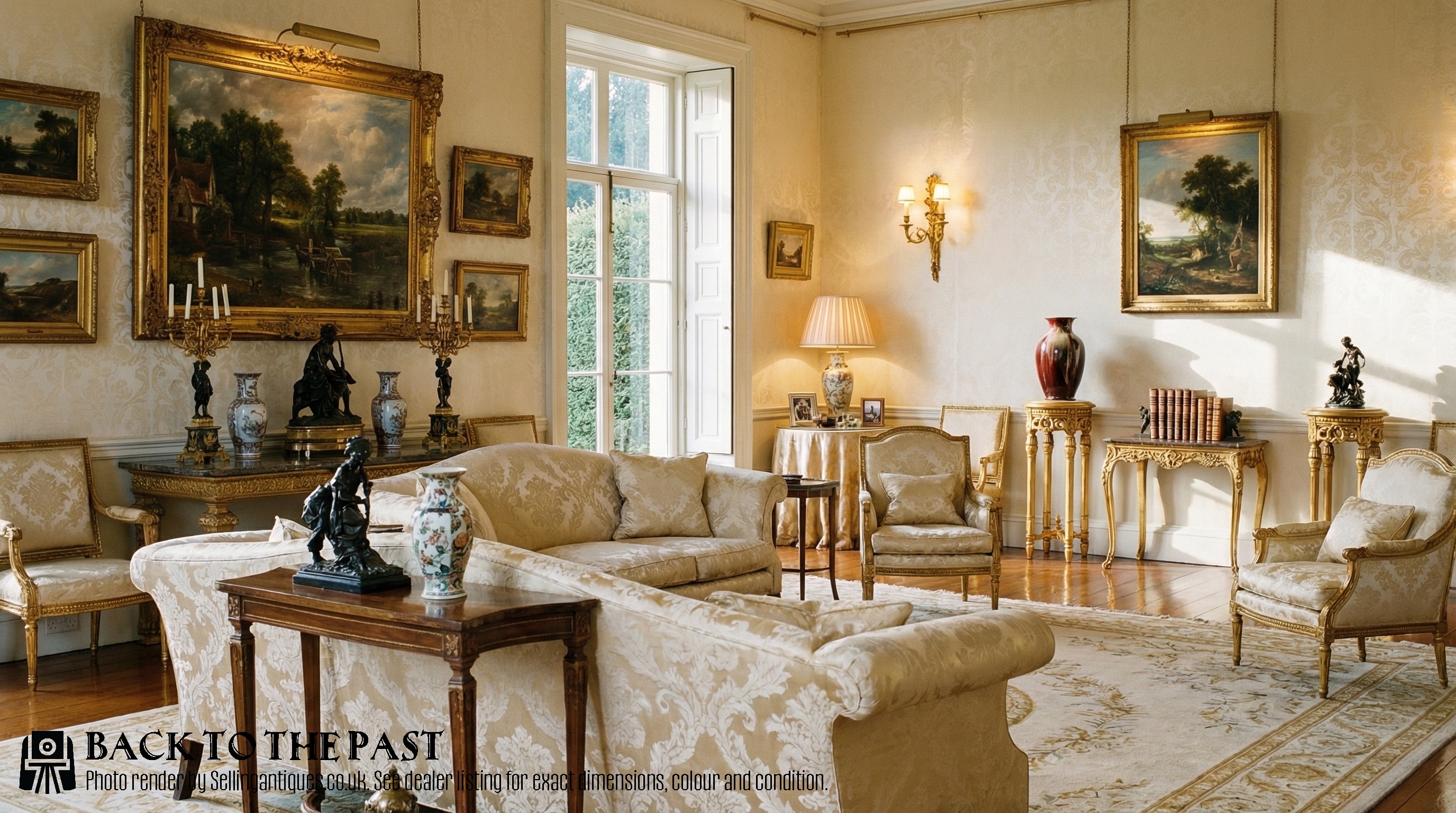
These French gilt pedestals bring warmth and classical proportion to a room, combining rich metalwork with cool marble.
French Gilt Pedestals
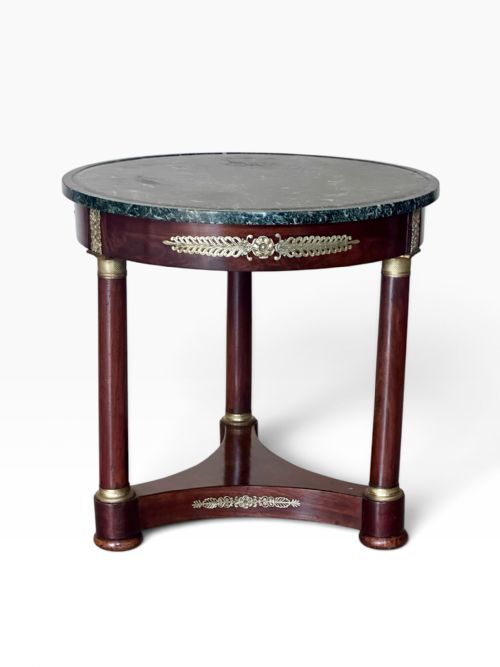
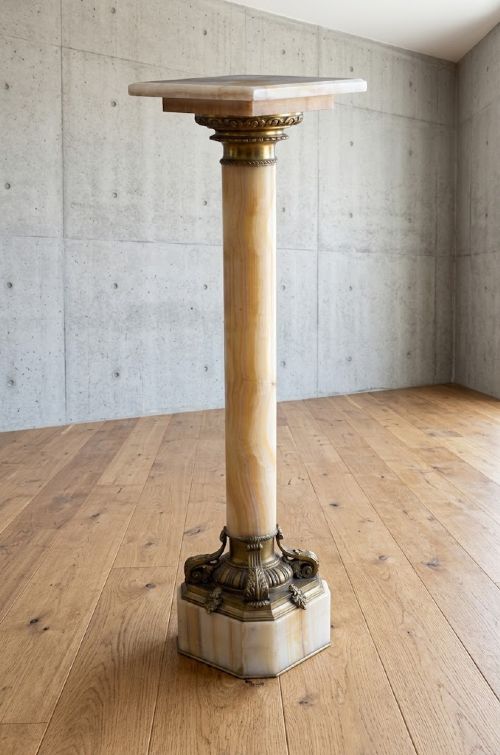
French gilt pedestals are decorative display columns and stands designed to elevate urns, sculptures, or lamps within an interior. When searching for French gilt pedestals, buyers encounter items dating predominantly from the nineteenth century, including pieces from the Victorian era and the French Empire period.
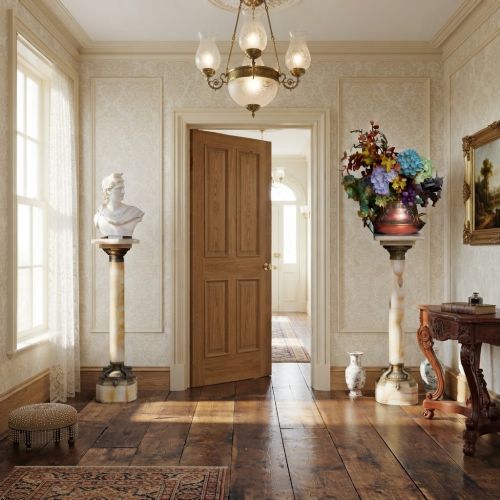
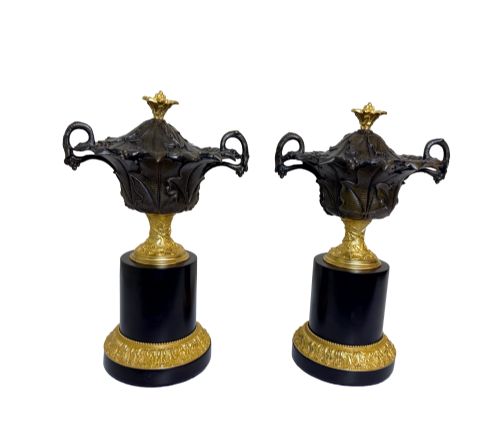
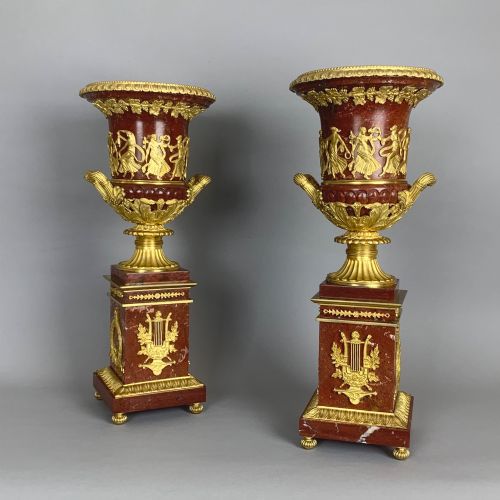
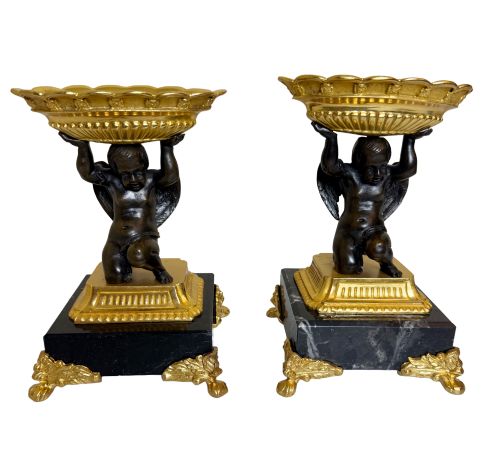
The selections on this page span several distinct forms, from slender onyx columns and marble-topped torchères to classical pedestals and plinths. Many examples incorporate bronze or brass mounts alongside gilded surfaces to create a sense of architectural structure.
Originating largely from French workshops and Parisian makers, these pieces reflect historical revivals such as Rococo and Neoclassical styles. They function both as independent decorative objects and as practical supports for other ornamental works.
Materials and construction
Makers combined natural stone with cast metals, pairing white or variegated marble and onyx with ormolu, gilt bronze, and brass collars. Wooden structures received applications of gesso and gold leaf to produce rich giltwood surfaces.
Foundry work involved casting bronze elements before applying fire gilding or chemical patination to achieve a durable golden finish. Stone shafts were turned on lathes and fitted with precision metal mounts that secured the column sections together.
Listings feature nineteenth-century items incorporating ormolu, onyx, marble, and giltwood within Neoclassical and French Empire styles.
Assessing quality
Quality rests upon the crispness of the metal chasing and the depth of the gilding applied to the bronze or wood. Finer examples display meticulously hand-finished mounts with sharp relief work rather than soft, mass-produced cast details.
The choice of stone also dictates the grade of the piece, with solid marbles and unblemished onyx sections representing higher tiers of craftsmanship. Construction integrity, including the tightness of the joints between stone and metal, marks the difference between standard items and superior works.
Marguerite·Weisweiler
The French Gilt Pedestals Glossary
- Ormolu
- Gilded bronze produced by applying a mercury and gold amalgam to a bronze base and heating it. This technique creates a durable, luminous metallic finish characteristic of nineteenth-century decorative arts.
- Torchère
- A tall, slender stand or column originally designed to hold a candle or torch. In later periods, these pieces served as pedestals for decorative urns or floral arrangements.
- Gueridon
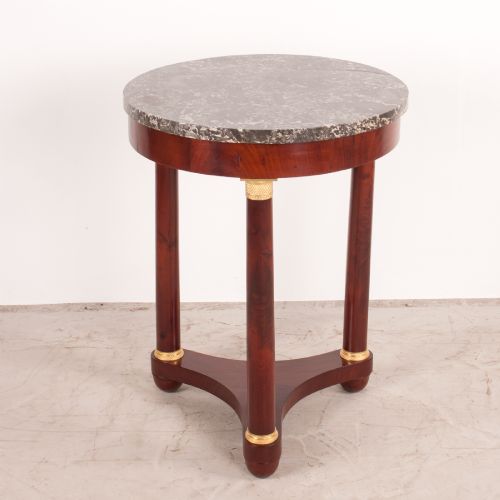
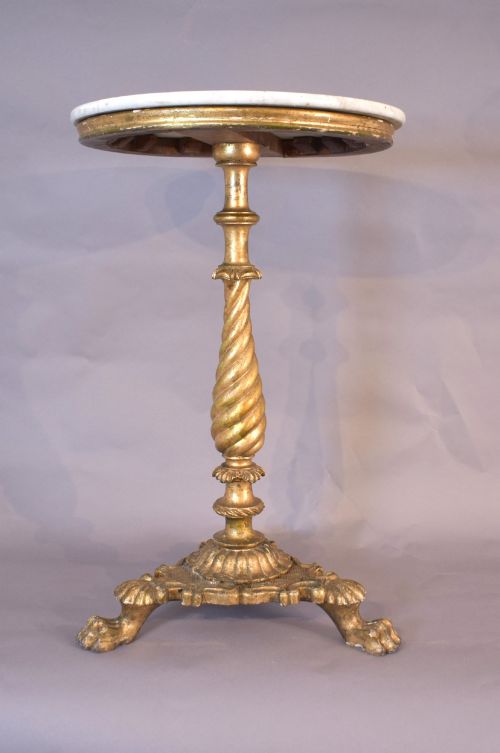
- A small French round table supported by a central pillar or tripod base. These tables often feature marble tops and gilt mounts.
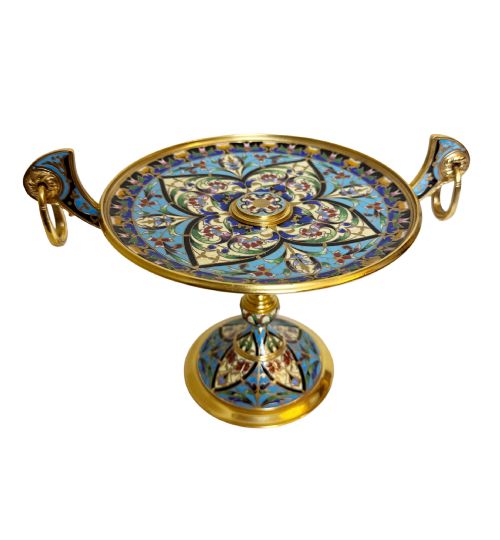
- Tazza
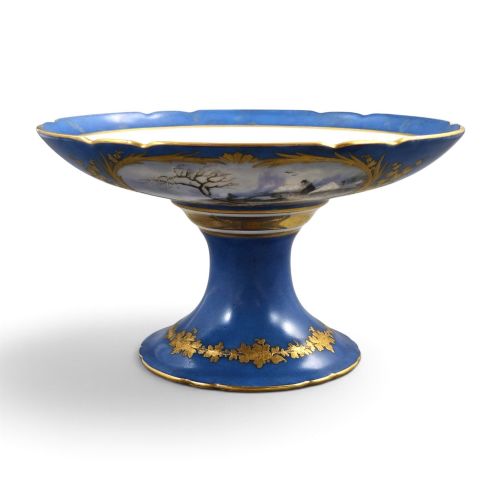
- A shallow saucer-like ornamental vessel mounted on a stem and foot. They appear frequently in bronze, porcelain, and marble.
- Champlevé
- An enamelling technique where troughs are dug into a metal surface and filled with vitreous enamel before firing. The resulting patterns complement surrounding ormolu mounts.
French Gilt Pedestals: Frequently Asked Questions
What were French gilt pedestals used for originally?
These columns and stands served to elevate sculptures, vases, and lighting within grand reception rooms. By raising art objects to eye level, they created focal points in nineteenth-century interiors.
They also functioned as standalone decorative furniture that demonstrated the wealth and refined taste of the household through expensive materials like ormolu and marble.
How do I identify the period of a pedestal?
Dating relies on stylistic clues such as the heavy symmetry of the French Empire period versus the ornate curves of the later Rococo revival. Examining the casting quality of the bronze mounts helps narrow down the decade of production.
Material choices also offer guidance, as specific marbles and the use of onyx gained popularity during distinct phases of the nineteenth century.
Can these pedestals support heavy items?
Most antique columns and torchères feature solid stone shafts and robust internal iron rods designed to bear considerable weight. They safely hold heavy bronze urns, marble busts, and large floral arrangements.
However, buyers should check the stability of the base and the attachment of the top plate before placing exceptionally heavy sculptures on them.
How do I care for gilt bronze and marble?
Gilt surfaces require gentle dusting with a soft, dry cloth to prevent the accumulation of grime that can dull the gold leaf or ormolu. Avoid chemical polishes, which strip away the historic metallic finish.
Marble and onyx tops benefit from occasional wiping with a damp cloth followed immediately by drying to protect the polished stone from staining.