



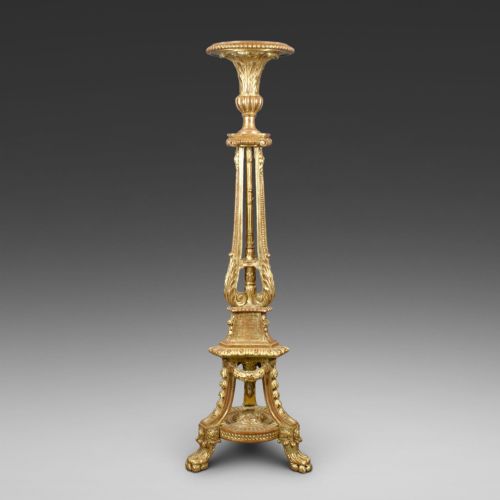


Giltwood Pedestal Stands
These giltwood pedestal stands bring a golden architectural presence to a room, lifting urns, statues and plants into sharp focus.
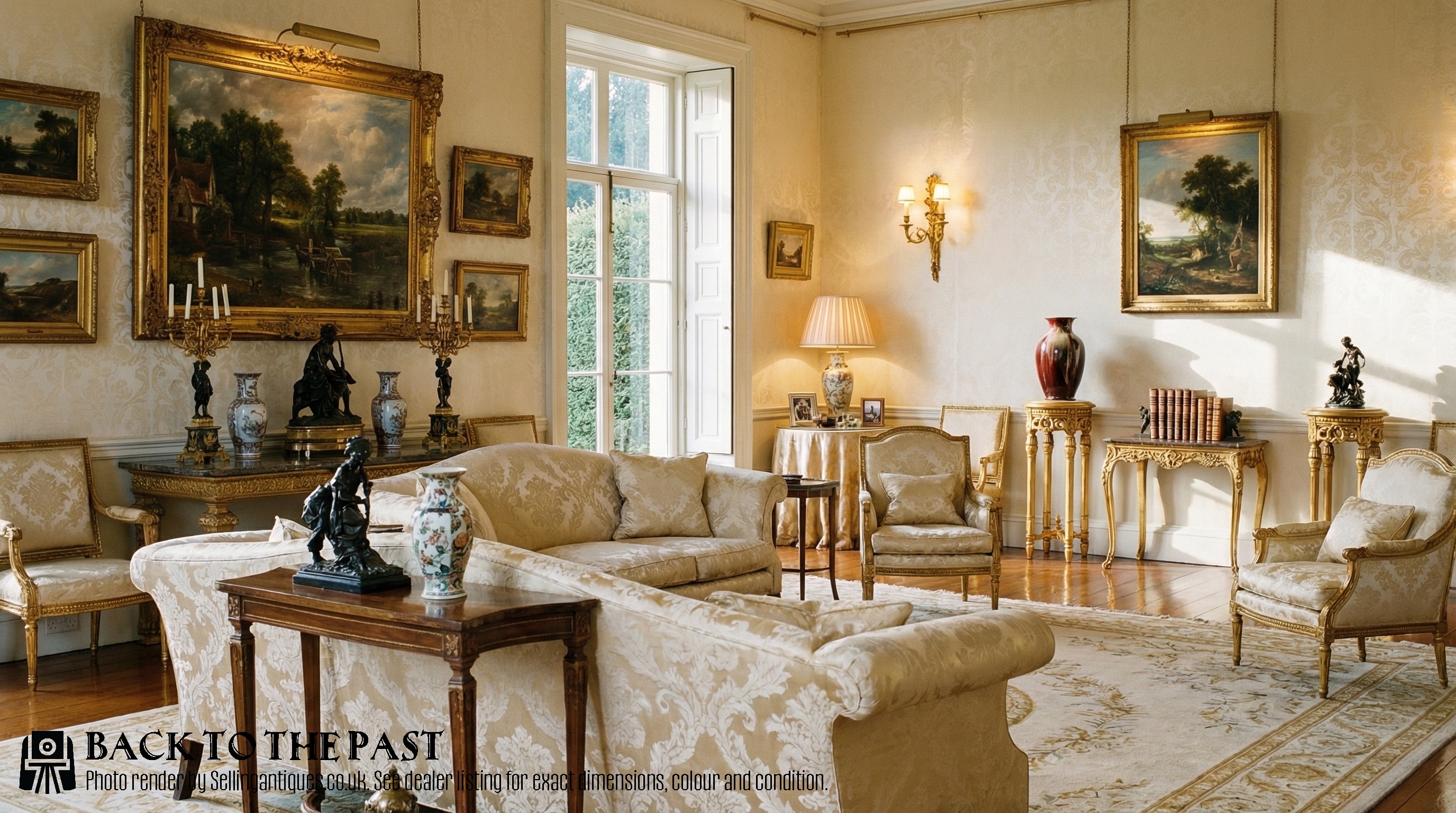
Giltwood Pedestal Stands
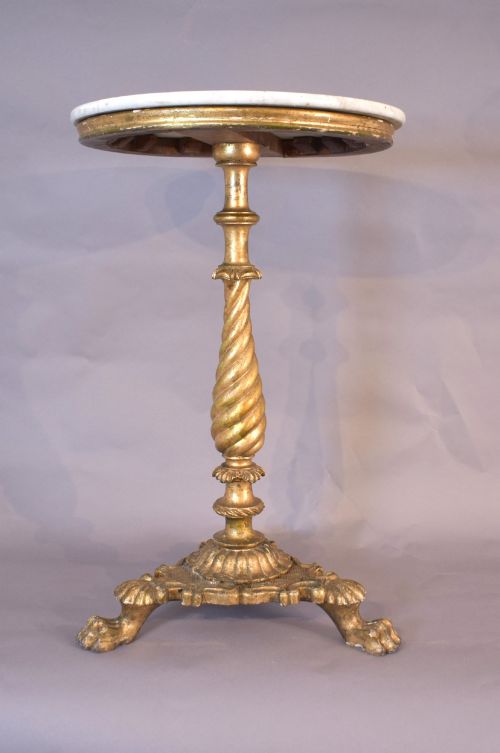
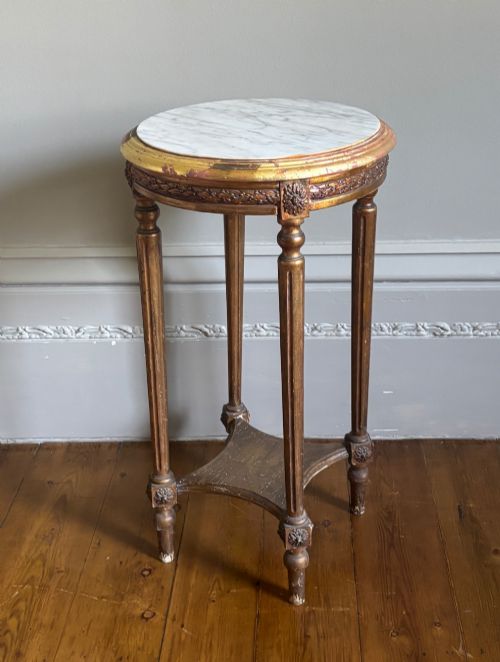
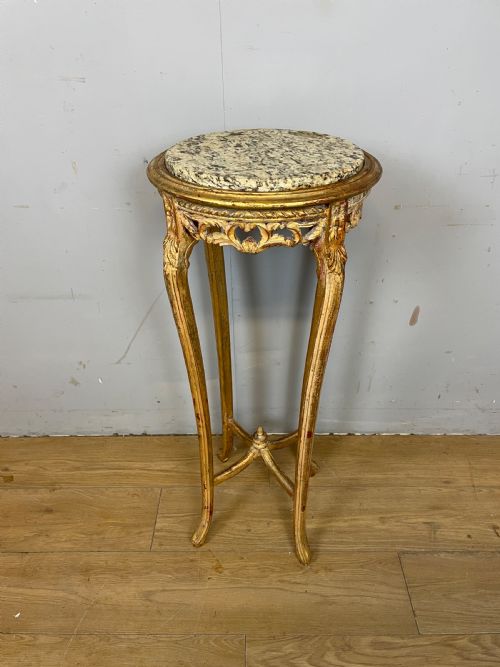
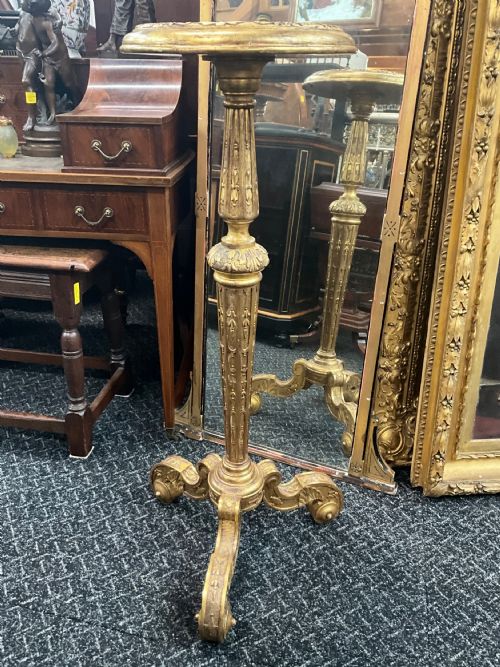
Giltwood pedestal stands are decorative supports designed to elevate sculptures, urns, plants and occasional items within a formal interior. When searching for giltwood pedestal stands, buyers encounter a variety of forms including tall torchaires, triform tables, side tables and cylindrical display cabinets.
The selection ranges from eighteenth-century carved examples through nineteenth-century revivals up to early twentieth-century pieces. Italian and French influences dominate, spanning Baroque, Rococo and Neoclassical styles alongside Venetian figures.
Tripod tables and marble-topped torchaired columns appear frequently among the listings. These objects serve both practical display functions and sculptural roles within period rooms.
Materials and construction
Makers shaped timber through detailed carving before applying gesso and gold leaf to create the characteristic metallic surface. Underlying woods include carved timber finished with paint or gilt coatings.
Many elevated surfaces incorporate inset panels of marble or onyx. These stone tops provide durable contrast to the ornate gilded wooden structures beneath.
Venetian makers occasionally introduced exotic figures holding stands, bringing sculptural human drama directly into the parlour.
Assessing quality
Quality rests in the depth and precision of the wood carving beneath the gilt surface. Crisp floral mouldings and botanical details separate accomplished workshops from simpler output.
The integrity of the gesso and gold leaf application dictates visual success. Surviving original polychrome and undisturbed gilding preserve the intended decorative impact of the period.
The Giltwood Pedestal Stands Glossary
- Giltwood
- Wood coated with gold leaf or gold paint. This finish creates a reflective metallic sheen favoured in formal European interiors.
- Torchere
- A tall ornamental stand designed to hold a light or a decorative object. These slender supports lift sculptures and urns to eye level.
- Triform
- Having three sides or three supporting legs. This structural arrangement provides steady balance for tripod tables and pedestals.
- Gesso
- A plaster-like mixture applied to wood as a smooth base for gilding. It allows carvers to shape sharp relief details before applying gold leaf.
- Polychrome
- Decorated in multiple colours. This paint technique appears on Venetian figures and stands alongside traditional gilding.
Giltwood Pedestal Stands: Frequently Asked Questions
What were giltwood pedestal stands used for?
These stands functioned as elevated platforms for urns, sculptures, and decorative plants in formal rooms. They placed decorative objects at eye level to catch candle or natural light.
Over time, collectors also utilised them as side tables, wine tables, and display cabinets. Their slender profiles allowed them to occupy corners and alcoves effectively.
How do I style a giltwood pedestal stand?
Place a single statement piece, such as a bronze figure, a stone urn, or a trailing plant, on the top surface. The gilded finish works best against plain or dark walls where the metallic surface stands out.
Keep surrounding furniture simple to let the intricate carving and gold leaf dominate the space. They suit entrance halls, drawing rooms, and studies.
How do I tell Regency from Victorian pieces?
Regency stands often feature strict neoclassical restraint, clean architectural lines, and direct classical motifs. They lean towards symmetrical forms inspired by ancient Greek and Roman designs.
Victorian pieces, particularly those in the Rococo revival style, display more exuberant curves and naturalistic flower mouldings. The carving tends to be heavier and more dramatic.