



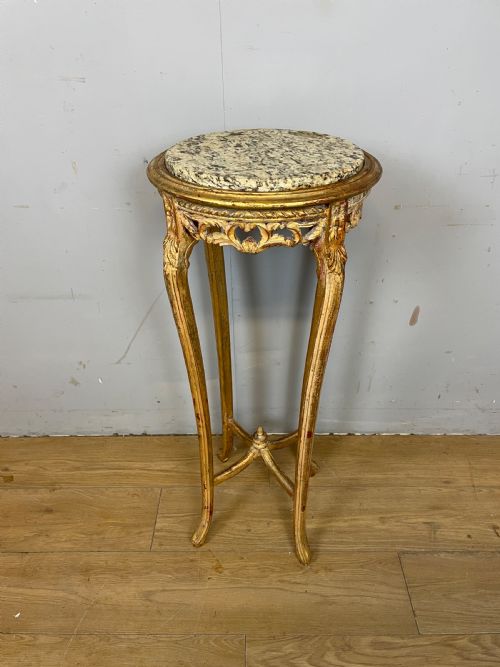
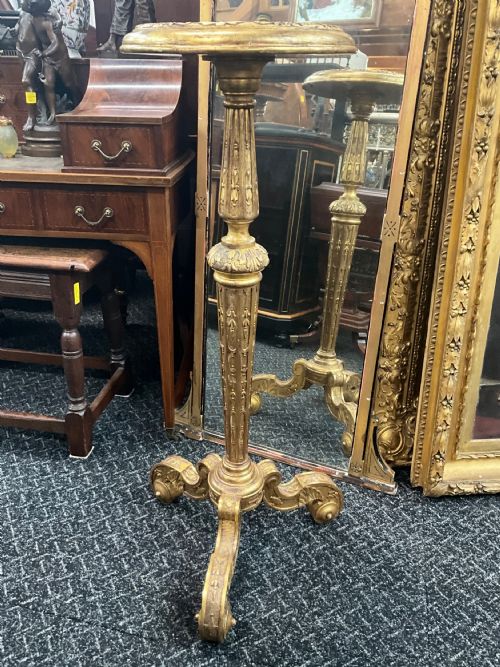
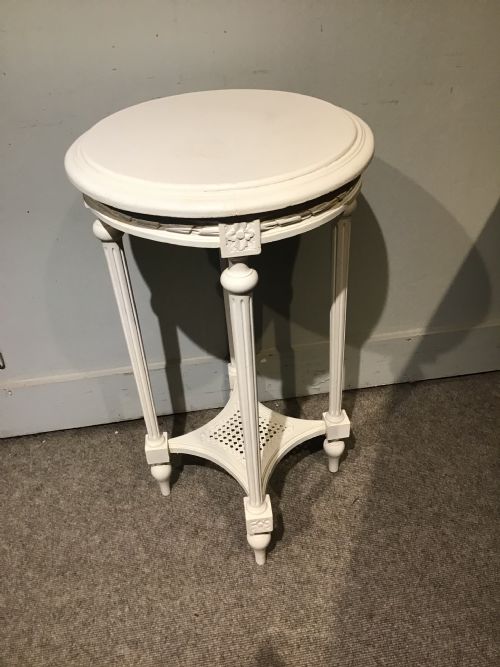
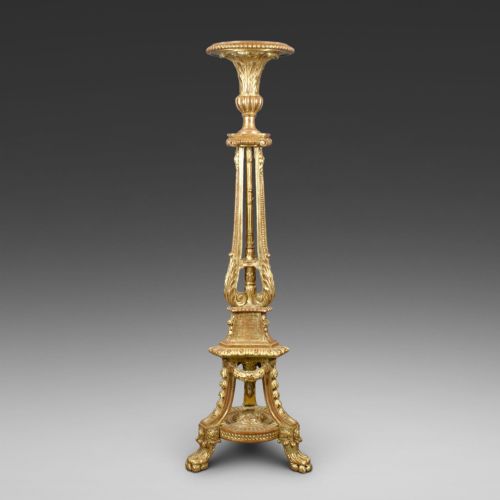


French Torchere Pedestal
These french torchere pedestal pieces bring height and architectural presence to a room, offering a classic stage for lamps or urns.
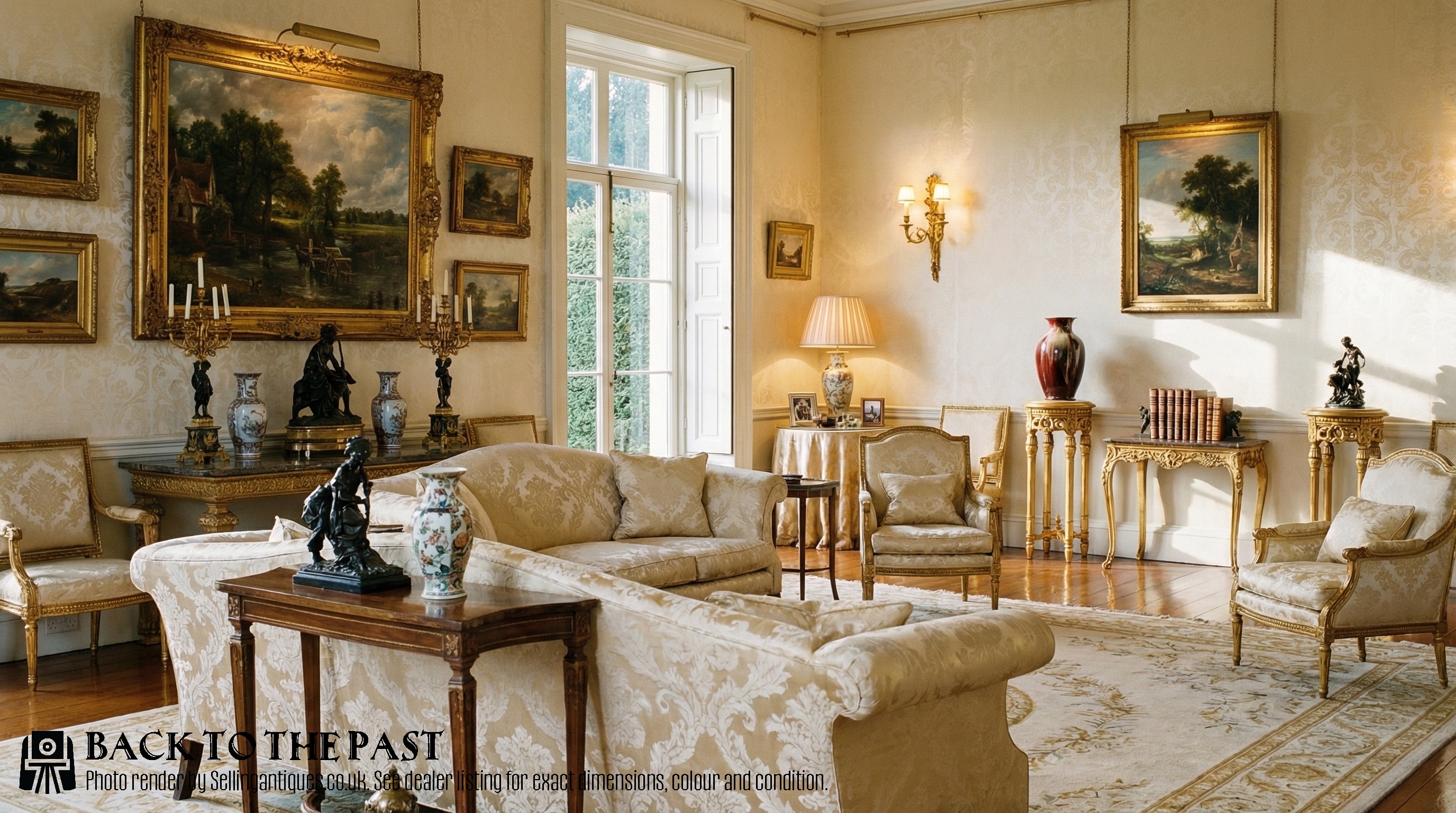
French Torchere Pedestal
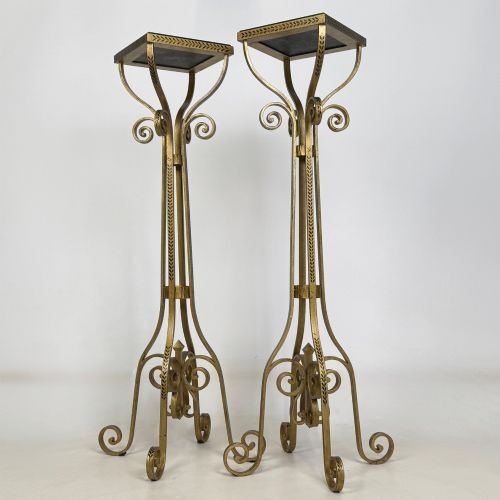
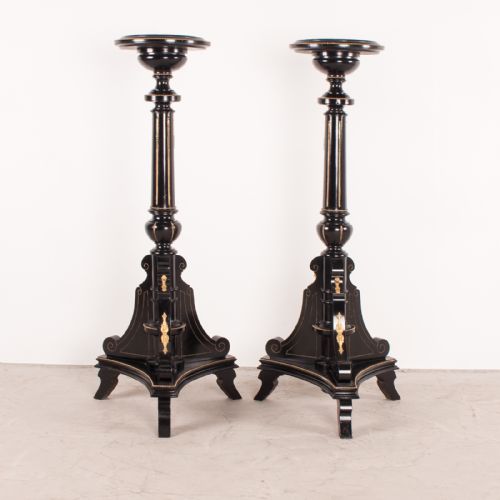
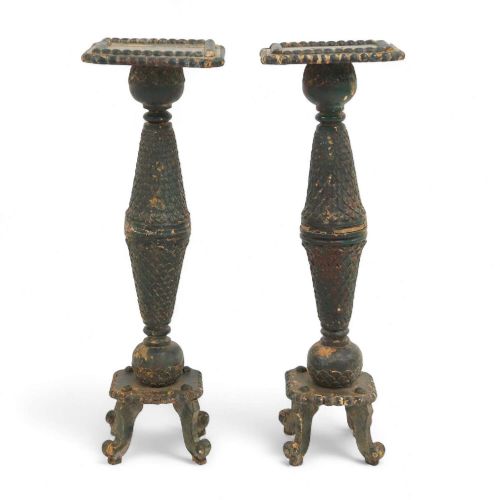
When you search for a french torchere pedestal, you encounter tall, slender supports designed to elevate objects in domestic interiors. The examples available on this page span several centuries and distinct regional interpretations, appearing as single columns or matched pairs.
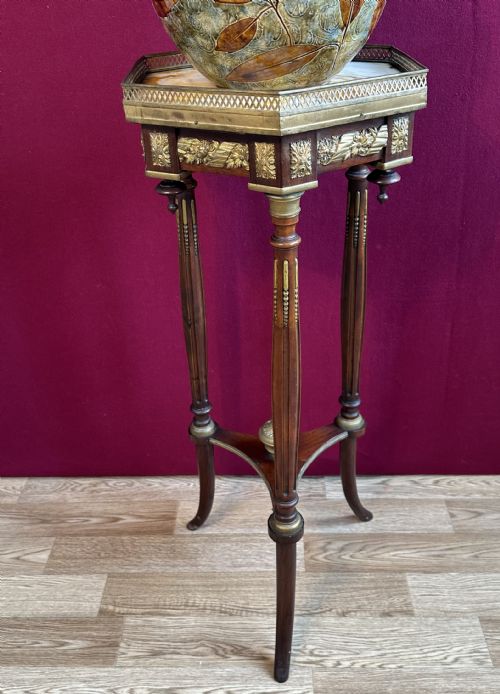
The forms range from triform bases to round tables and column stands, often functioning as plant stands or display plinths. Nineteenth-century interpretations sit alongside Edwardian pieces and earlier eighteenth-century designs.
The selection reflects varied scales and decorative schemes, including distinct French styles such as Empire, Rococo, and Neoclassical. Buyers frequently find these items executed in wood, painted finishes, and stone-topped configurations.
Materials and construction methods
The construction of these pieces relies on traditional cabinetmaking and carving techniques applied to hardwoods, walnut, kingwood, and ebonised timber. Carved wood and giltwood elements receive surface embellishments through gesso and paint.
Many examples incorporate inset marble or onyx tops, adding weight and a cool tactile surface to the upper platform. Metal components such as ormolu, brass, and gilt bronze appear as mounts and decorative accents.
One unexpected automotive-named piece appears among the traditional French walnut stands.
Assessing quality and execution
Quality reveals itself in the crispness of carved details and the depth of surface finishes such as gilding or original paint. Superior pieces display harmonious proportions across their height, with stable joinery and finely cast bronze or ormolu mounts.
The selection of materials, from figured kingwood veneers to solid marbles and substantial hardwoods, dictates the overall character. Finer examples maintain integrity in their structural columns and triform or circular bases without undue wobble.
François Christophe Armand Toussaint
The French Torchere Pedestal Glossary
- Torchere
- A tall stand or ornamental candlestick originally designed to carry a torch or light. In later periods, it evolved into a decorative pedestal for sculpture or plants.
- Ormolu
- Gilded bronze used widely for decorative mounts on furniture. It provides bright metallic detail against dark woods and painted surfaces.
- Gesso
- A plaster-like mixture applied to wood surfaces as a base for gilding or painting. It allows intricate relief ornamentation to be carved or moulded before finishing.
- Triform
- Having three sides or a three-way symmetrical base plan. This configuration gives stability to tall, slender furniture forms.
- Vernis Martin
- A type of decorative lacquer finish developed in France. It mimics Asian lacquer work with translucent layers of varnish over painted scenes.
French Torchere Pedestal: Frequently Asked Questions
What is a french torchere pedestal used for?
These tall stands traditionally supported lighting, such as candles or oil lamps, in grand interiors. Today, they serve primarily as display furniture for decorative urns, sculptures, and potted plants.
Placing them in corners or empty hallways adds vertical interest and draws the eye upward. Their slim footprint allows them to occupy minimal floor space while making a strong visual statement.
How do I identify a 19th-century piece?
Nineteenth-century examples often display specific regional revival styles like French Empire, Rococo, or Neoclassical. Look for construction methods and material choices typical of the period, including gilt bronze mounts and hand-carved wood.
Examining the underside and joints provides further clues regarding age and manufacture. Wear patterns on painted or gilded surfaces also help confirm the piece's historical context.
Where should I place a pedestal in a room?
Pedestals work best in architectural dead spaces, such as empty corners, flanking fireplaces, or terminating a vista down a hallway. Their height creates an intentional focal point that breaks up monotonous wall expanses.
Ensure the location offers enough clearance so the stand does not block everyday traffic. Placing a stable item on top helps anchor the piece visually and physically.
Are these stands strong enough for heavy items?
Load capacity depends on the individual construction, particularly the base design and the material of the shaft. Triform bases and solid hardwood columns generally offer robust support for substantial decorative objects.
Stands with inset marble tops easily bear the weight of heavy stone urns or large plants. Lighter, more delicate giltwood or gesso pieces suit smaller sculptures and decorative vessels better.