




Carved Gilt Column
A carved gilt column brings classical presence and bright metallic warmth to a room, framing mirrors or supporting decorative objects with architectural authority.
Carved Gilt Column
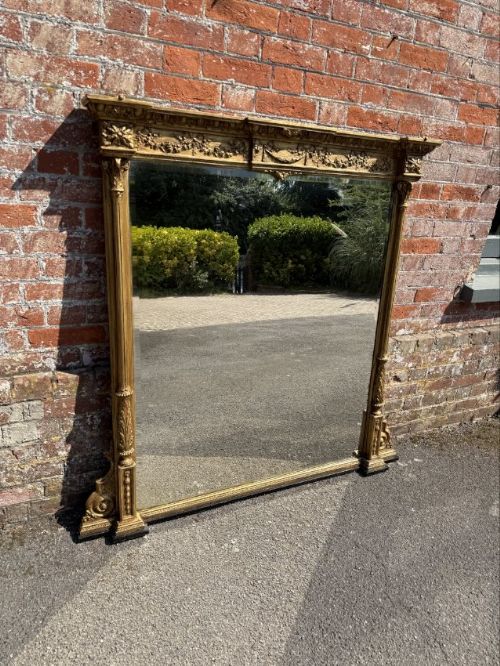
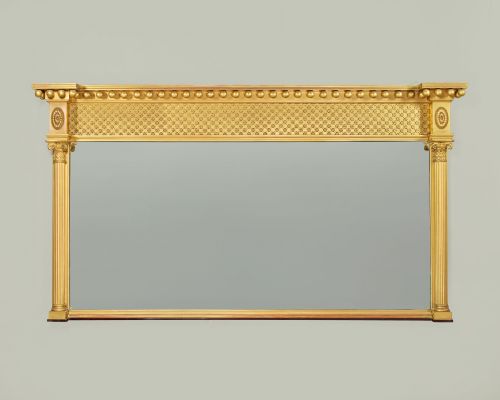
A carved gilt column most frequently appears on this page integrated into grand 19th-century overmantel and pier mirrors, where gilded architectural supports flank the glass. These mirror frames draw on Regency, Neoclassical and French Rococo styles, shaping the visual weight of the timber beneath.
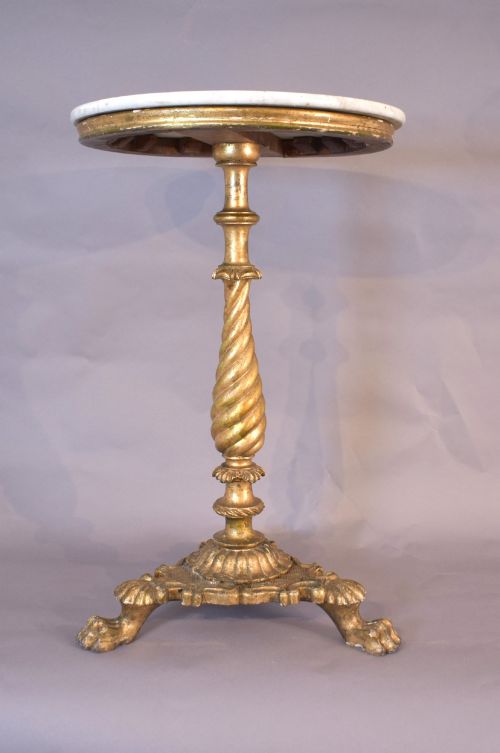
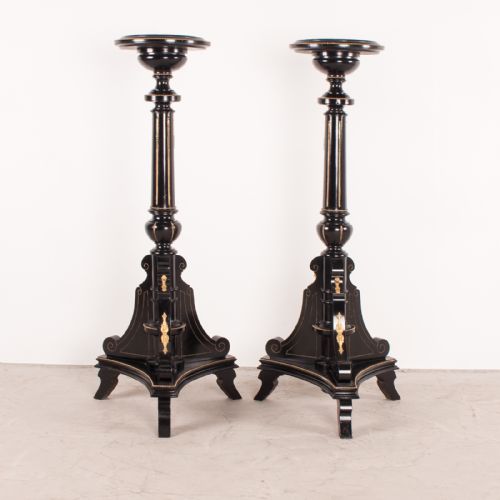
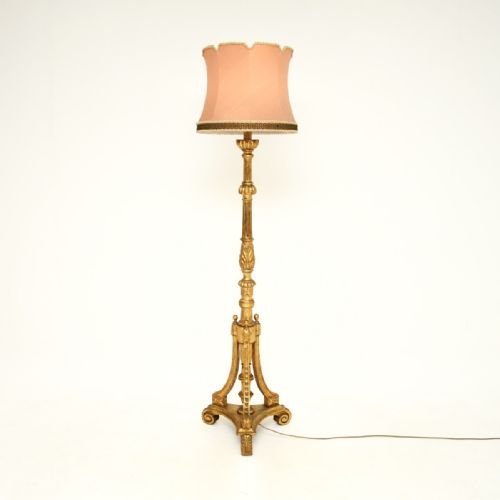
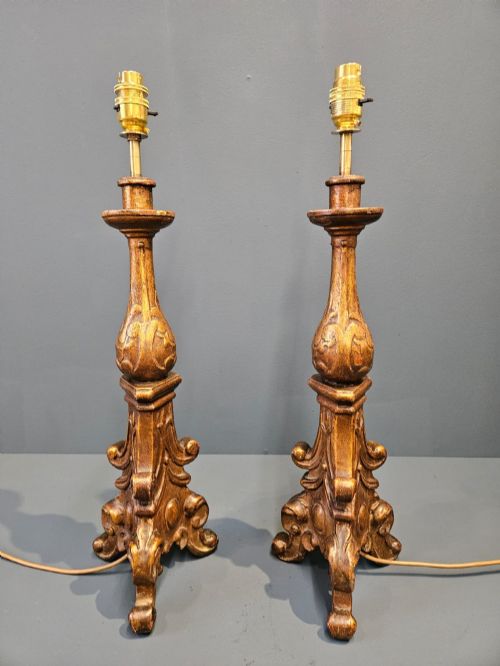
Beyond mirrors, the selection includes freestanding torcheres, display pedestals and lighting standards that utilise columnar forms to elevate objects or illuminate spaces. Pieces range from late 18th-century examples to Edwardian and later 1930s interpretations, often retaining their original giltwood surfaces.
Makers and craftsmen applied these classical architectural elements to furniture and decorative items to create a sense of symmetry and formal dignity. The core of the selection centres on English and continental European pieces designed to anchor traditional interiors.
What varies in quality
The distinction between ordinary and exceptional pieces rests on the crispness of the hand-carving and the integrity of the original gesso and gilding. Superior examples display deep, sharp fluting and well-defined capitals that retain their structural rhythm without softening from past over-painting.
Proportion and scale dictate the visual impact of each column, whether standing alone as a pedestal or framing a large overmantel mirror. Better-executed items maintain balanced dimensions and authentic surface wear that speaks to age rather than degradation.
Several columns double as silent companions to the goddess Fortuna, holding up lamps while she balances on her sphere.
The Carved Gilt Column Glossary
- Gesso
- A plaster-like mixture applied to wood surfaces to create a smooth base for gilding or painting. It allows carvers to achieve fine detail before applying gold leaf.
- Giltwood
- Timber that has been coated with gold leaf or powder over a prepared ground. It forms the primary decorative surface for many classical mirrors and pedestals.
- Torchere
- A tall stand or candlestick designed to hold a light source or display an urn. These slender columnar supports often feature elaborate carved decoration.
- Overmantel Mirror
- A large mirror designed to hang above a fireplace mantel. These pieces frequently incorporate architectural columns and pilasters into their frames.
- Pier Mirror
- A tall, narrow mirror traditionally hung on the pier of wall space between two windows. They often feature matching console tables or columnar framing.
Carved Gilt Column: Frequently Asked Questions
Where should I place a gilt column mirror?
These large mirrors traditionally anchor the wall above a fireplace or sit between windows to reflect natural light. Their architectural framing works best on principal walls where they command visual space.
Ensure the wall construction can support the substantial weight of timber, gesso and glass components. Positioning them opposite a light source maximises their brightness in the room.
How do I care for antique giltwood?
Maintain the surface by gently dusting with a dry, soft feather duster or clean microfibre cloth. Avoid all moisture, commercial cleaning sprays and polishes, which can dissolve the delicate gold leaf.
Keep pieces away from direct sunlight and strong heat sources to prevent the underlying wood and gesso from drying and cracking. Gentle handling preserves the fragile historical finish.
How do I distinguish 19th century pieces from later revivals?
Nineteenth-century items typically show authentic signs of age in the timber shrinkage, the patina of the gold leaf, and the composition of the underlying gesso. Tool marks left by hand-carving differ from the uniformity of later machine-made reproductions.
Examine the backboards, fixings and joining methods to understand the period of construction. Maker marks or labels, when present, also help confirm the exact era.