



Gilt Flower Stands
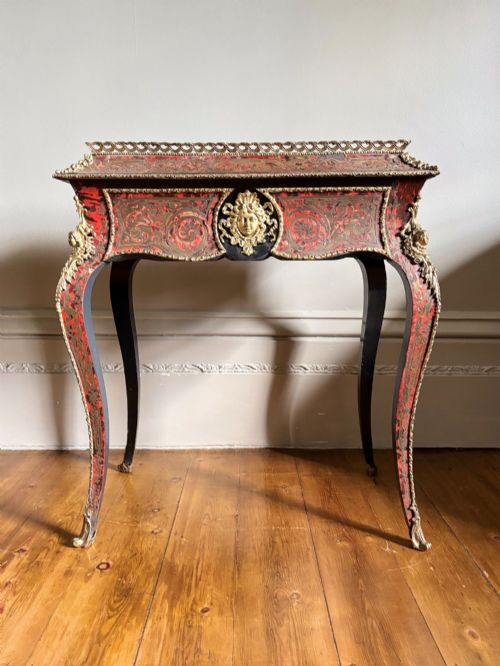
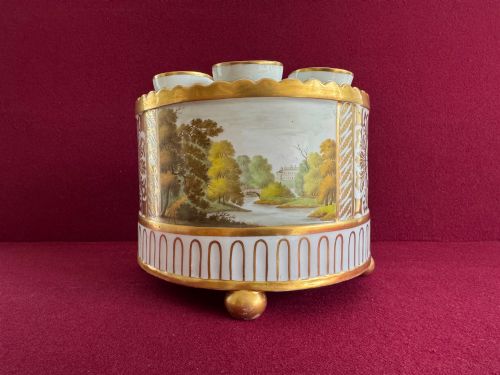
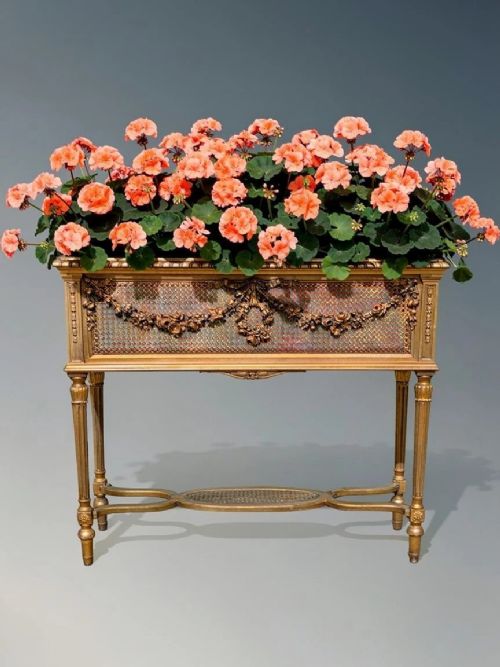
These gilt flower stands bring ornamental plant displays and grand centrepieces into the home through elaborate 19th-century and Edwardian metal, wood and porcelain designs.
Gilt Flower Stands
Gilt flower stands encompass decorative jardinieres, centrepieces, wine coolers, and torchere stands designed to hold plants and floral arrangements in formal interiors. The phrase gathers ornate furnishings intended for display, drawing on centuries of European decorative arts traditions.
You will most frequently meet pieces from the nineteenth century alongside Edwardian examples, often showing French influence through revival styles. These objects range from heavy wooden planters with gilt mounts to delicate porcelain centrepieces adorned with applied flowers.
The forms extend from tall pedestals to small wine tables and low planters, reflecting varied domestic uses for indoor greenery and floral decoration. Each piece employs gilded finishes to catch the light and complement sophisticated interior schemes.
How they were made
Maker's workshops constructed these stands using a foundation of hardwoods like mahogany, kingwood and rosewood, or softer woods prepared for gilding. Metal components incorporate gilt bronze, ormolu, and gilt metal mounts that frame porcelain plaques or stone tops like onyx.
Craftsmen applied thin layers of gold leaf to wooden surfaces, known as giltwood, or cast and chased metal mounts to decorate the structural frames. Porcelain elements, such as those from the Schierholz factory, feature hand-modelled roses and putti fired and glazed before mounting in metal frameworks.
Gilt Flower Stands Retail Price Guide 2026
Typical asking prices for gilt flower stands among the pieces listed under this phrase on Sellingantiques today, from the lower quarter to the upper quarter. They describe what is for sale here now, not the wider market.
Listings feature 19th-century pieces alongside Edwardian examples, constructed from giltwood, porcelain, onyx, and gilt bronze in various revival styles.
What varies in quality
The distinction between standard production and finer work lies in the crispness of the gilt mounts and the delicacy of the applied porcelain details. Master workshops achieved sharper definition in the cast bronze and more naturalistic modelling in floral porcelain ornaments.
Materials dictate the underlying calibre of the piece, with solid exotic timbers and genuine ormolu mounts sitting above simpler metal and painted wooden constructions. The integration of components, such as the fit of an onyx top within a gilt column support, demonstrates the maker's precision.
Schierholz Plaue·C G Schierholz Sohn
The Gilt Flower Stands Glossary
- Jardiniere
- An ornamental pot or stand designed to hold indoor plants or flowers. These items often feature waterproof liners or internal containers.
- Giltwood
- Timber that has been decorated with a thin layer of gold leaf. This technique was widely utilised in ornate European furniture.
- Ormolu
- Finely chased and gilt bronze used for decorative mounts on furniture and clocks. The term derives from the French for ground gold.
- Torchere
- A tall stand or pedestal originally designed to carry a torch or candle, later adapted for lamps and floral displays. They are often carved or cast in revival styles.
- Centrepiece
- An ornamental object placed in the middle of a table, frequently used for floral arrangements or fruit. Examples often incorporate porcelain figures and applied botanical motifs.
Gilt Flower Stands: Frequently Asked Questions
What is a jardiniere stand?
A jardiniere stand is a decorative piece of furniture specifically built to elevate and display potted plants within a room. These stands protect interior surfaces while adding an architectural element to botanical displays.
They appear in various forms, including low table designs and tall pedestals, utilising materials like giltwood, porcelain, and metal mounts to enhance their decorative appeal.
How do you style a gilt flower stand?
These stands suit placement in entrance halls, drawing rooms, or reception spaces where their gilded surfaces can reflect natural light. They function effectively on their own as sculptural objects or loaded with trailing plants and fresh floral arrangements.
When pairing them with interiors, consider the surrounding period details, as revival styles from the nineteenth century complement both traditional and eclectic modern schemes.
How are different periods identified?
Period identification relies on observing the stylistic vocabulary, such as Louis XVI revival motifs, and the specific material combinations used in construction. Nineteenth-century examples often feature heavy gilt mounts and ebonised woods, while Edwardian pieces may present lighter porcelain constructions.
Examining the manufacturing techniques of the metalwork and the type of wood core provides further clues to the date of origin.
Were these stands used outdoors?
These decorative stands were intended strictly for interior use within grand country houses and formal urban residences. Their delicate gilt finishes and fine wood or porcelain construction would suffer damage if exposed to weather.
They served as indoor furniture to bring nature into controlled living environments during the nineteenth and early twentieth centuries.