
French Gilt Mantel Clock
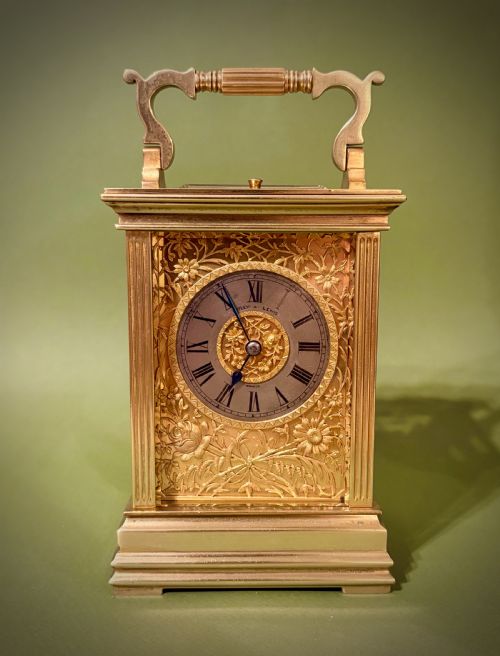
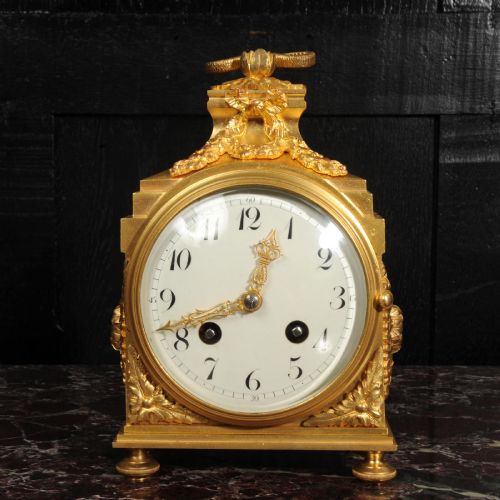
A french gilt mantel clock brings nineteenth-century drawing rooms to life with heavy ormolu mounts, enamelled dials, and French styling.
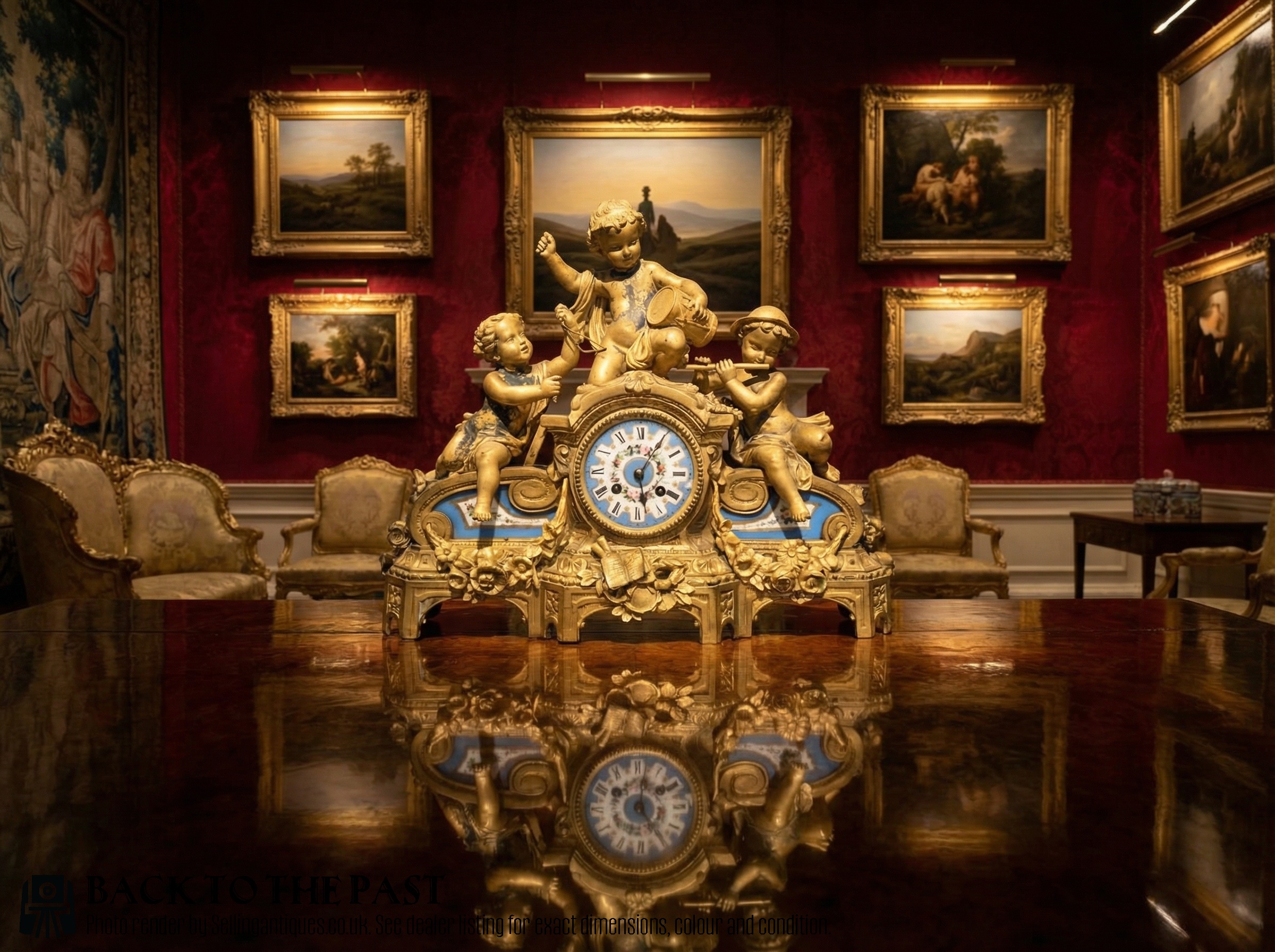
French Gilt Mantel Clock
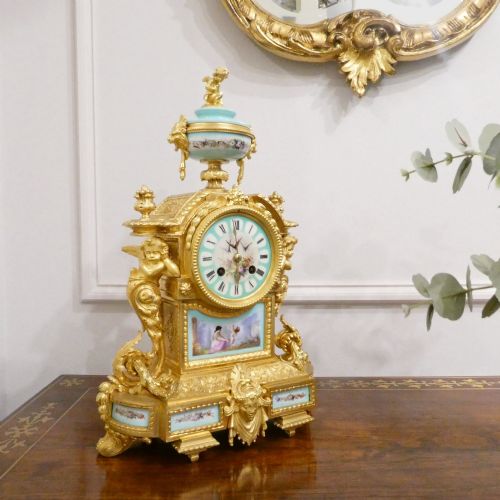
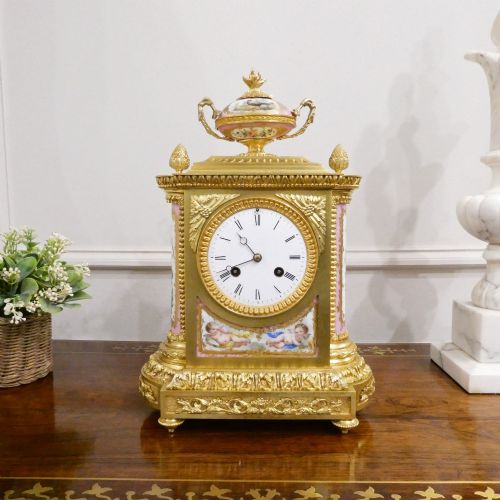
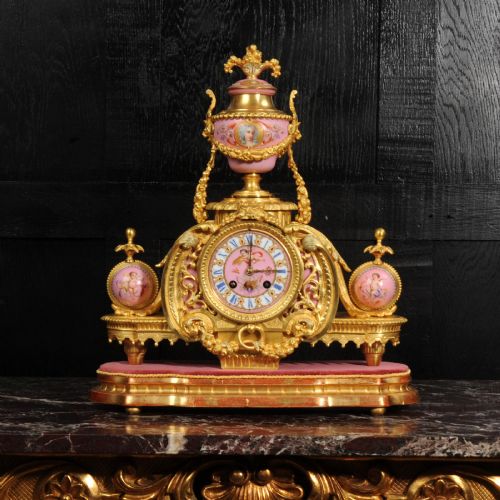
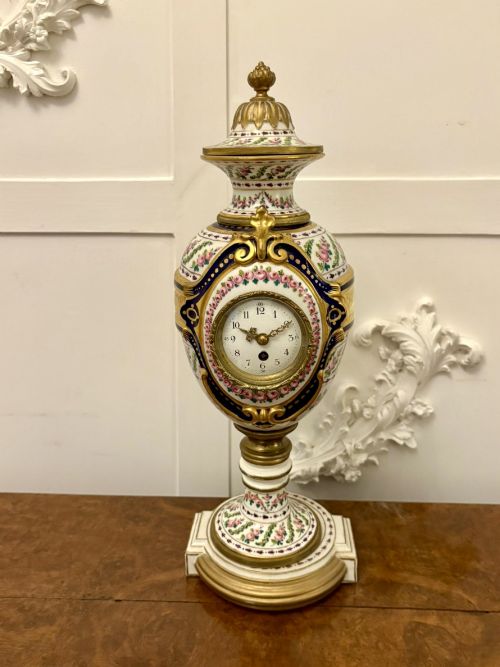
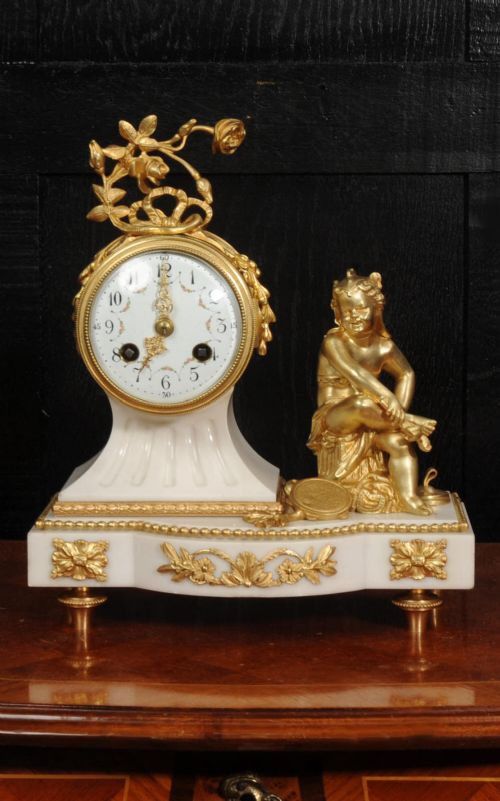
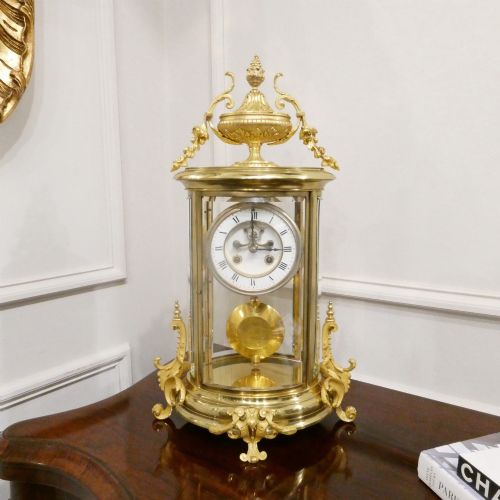
A french gilt mantel clock typically dates from the nineteenth century, spanning periods from the French Empire and Louis Philippe to the Second Empire and Victorian eras. These timepieces take many forms, including architectural marble cases, portico designs, and elaborate figural compositions featuring cherubs or mythological scenes.
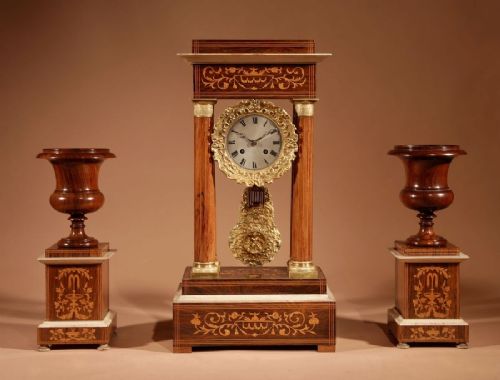
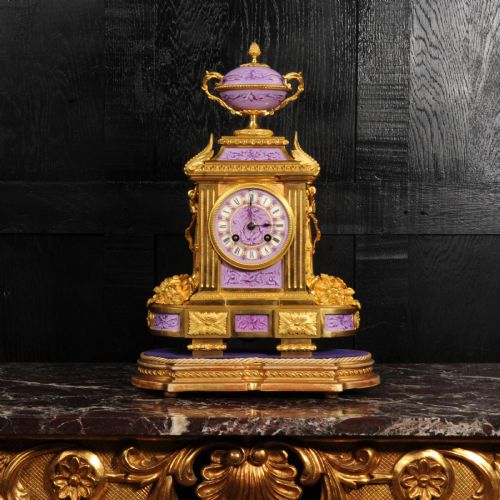
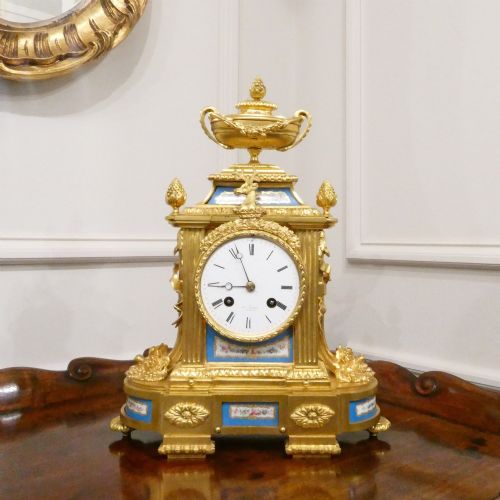
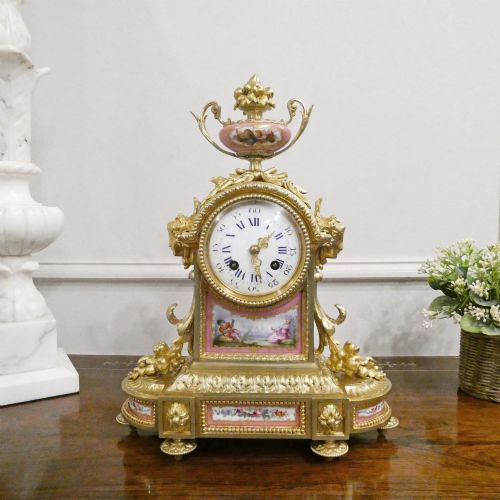
The most common examples on this page are housed in gilt bronze, brass, or ormolu, frequently paired with painted Sèvres-style porcelain plaques and enamel dials. Alongside standalone mantel clocks, buyers encounter matching clock garnitures complete with side urns or candelabra.
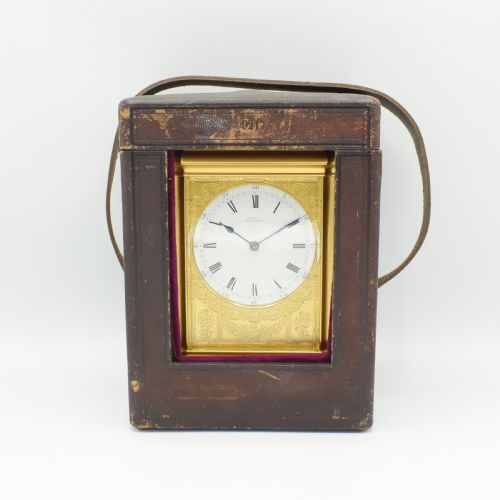
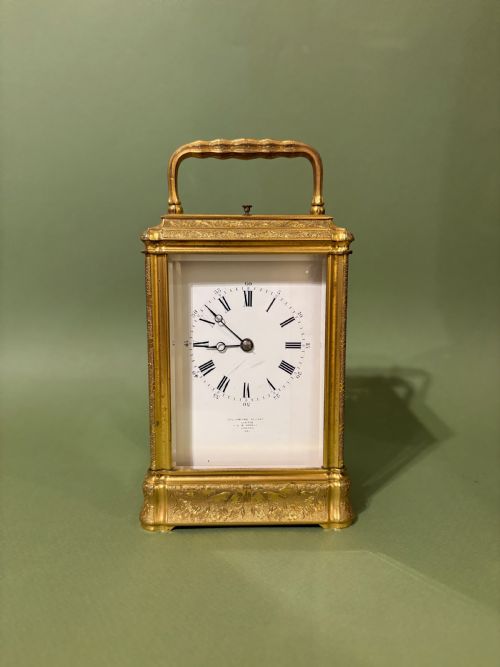
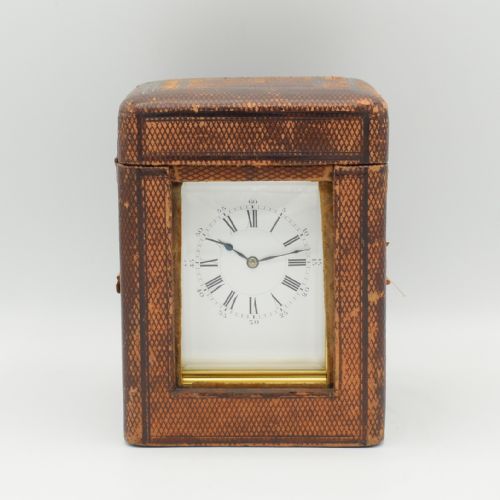
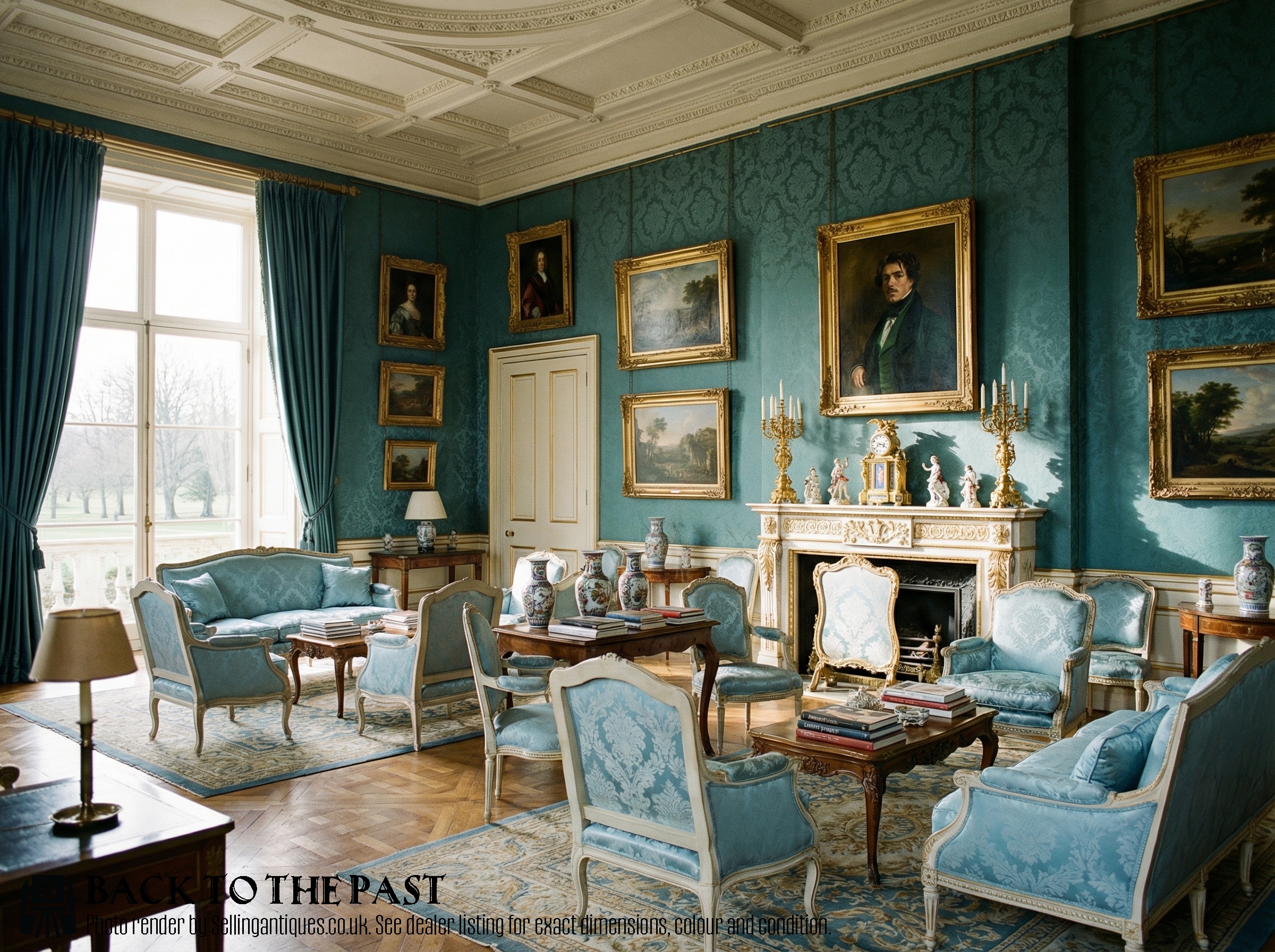
Makers and movement makers represented across the selection include established French workshops such as Japy Freres, Achille Brocot, Henry Marc, and Henri Jacot. Their work ranges from domestic carriage clocks to heavy architectural and rococo revival mantel pieces.
How they were made
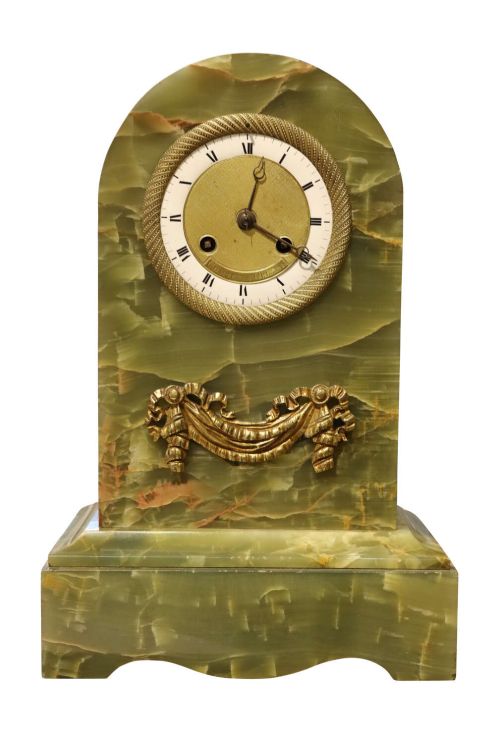
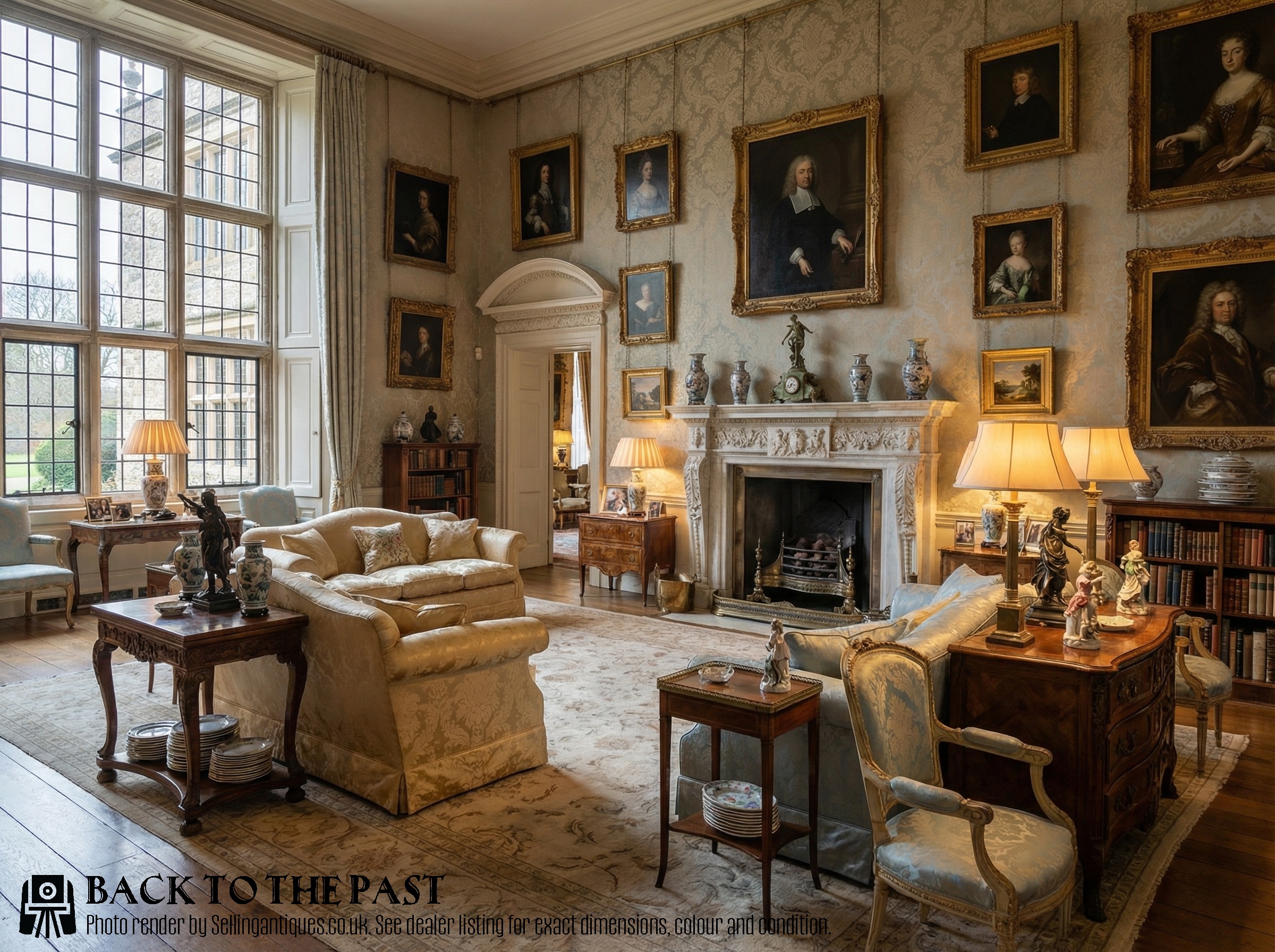
The foundation of a french gilt mantel clock rests on cast bronze, brass, or ormolu, often combined with white or black marble, alabaster, and mahogany. Ormolu application involves mercury gilding or electroplating gold onto a base metal to achieve a bright, reflective surface.
Enamel dials and painted porcelain panels, frequently signed or decorated with birds and floral motifs, are integrated directly into the cast metal housing. Mechanical brass movements drive the timekeeping, striking, and repeating complications housed within the heavy cases.
French Gilt Mantel Clock Retail Price Guide 2026
Typical asking prices for french gilt mantel clock among the pieces listed under this phrase on Sellingantiques today, from the lower quarter to the upper quarter. They describe what is for sale here now, not the wider market.
What varies in quality
The refinement of the casting and chasing separates standard production from exceptional pieces, visible in the sharpness of acanthus leaves, putti, and architectural details. Hand-painted porcelain plaques with fine detail command greater regard than mass-produced transfers.
Signature marks from renowned makers and movement houses indicate higher workshop standards, especially when paired with fully integrated garnitures or complex repeating escapements.
HENRI JACOT·Achille Brocot·Henry Marc·Japy Freres·Samuel Marti·Richard et Cie·Vincenti·PH Mourey·Miroy Freres·Raingo Freres
The French Gilt Mantel Clock Glossary
- Ormolu
- A gilded bronze technique utilising powdered gold suspended in mercury, applied to the cast metal surface. This process gives nineteenth-century French clock cases their distinct warm, golden lustre.
- Clock Garniture
- A set comprising a central mantel clock accompanied by matching side pieces such as urns, vases, or candelabra. These decorative ensembles were designed to sit symmetrically on a fireplace mantel.
- Champlevé Enamel
- A technique where troughs or cells are hollowed out in the metal surface and filled with vitreous enamel before firing. It frequently decorates late nineteenth-century architectural clock cases.
- Pendule d'Officier
- A portable military or travel style of French clock, often housed in a gilt bronze case with a carrying handle. These pieces bridge the gap between carriage clocks and larger mantel timepieces.
French Gilt Mantel Clock: Frequently Asked Questions
How do I wind my clock?
Most mechanical french gilt mantel clocks use a key inserted into arbors on the enamel dial to tension the springs for time and strike trains.
Care should be taken not to over-wind the movement, turning the key smoothly until resistance is felt.
Can these clocks keep accurate time?
Nineteenth-century movements use pendulum regulation, which can be adjusted via a small square nut on the pendulum bob to gain or lose time.
Placement on a stable, level mantelpiece is essential for the escapement to beat evenly.
What is a clock garniture?
A garniture matches a central mantel clock with two side ornaments, such as porcelain urns or bronze figures, designed as a set.
These symmetrical arrangements decorated drawing rooms and grand fireplaces across the nineteenth century.
How do I identify the period?
Stylistic cues such as heavy architectural marble columns point to the Second Empire, while scrolling foliage indicates Rococo Revival.
Maker stamps on the brass movement plates often provide a reliable guide to the decade of production.