
French Gilt Bronze
French gilt bronze brings together heavy cast metalwork, polished surfaces and decorative arts from nineteenth-century salons.
French Gilt Bronze
When searching for french gilt bronze, buyers encounter a wide assortment of decorative and functional objects originating primarily from the nineteenth and early twentieth centuries. These items range from domestic lighting and mantel clocks to large display cabinets mounted with gilt metal accents.
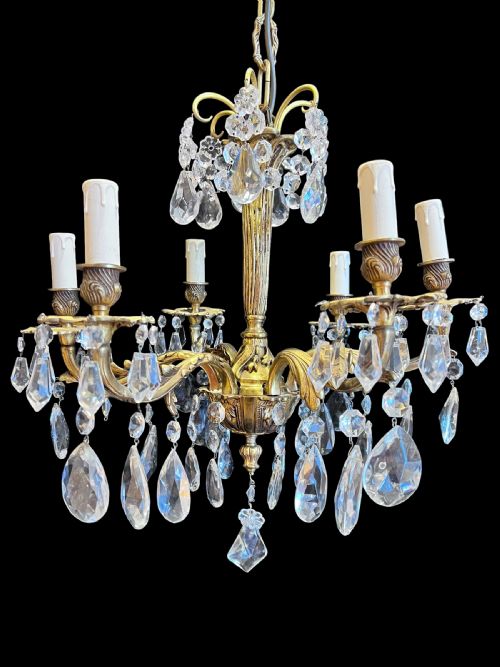
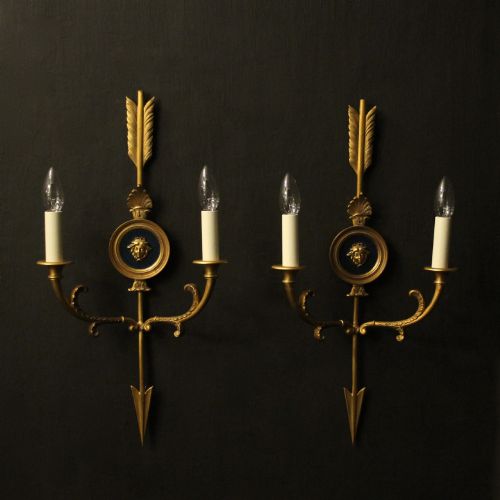
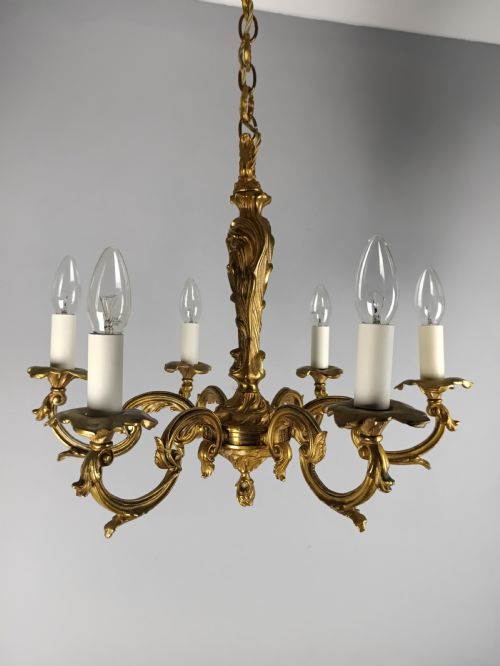
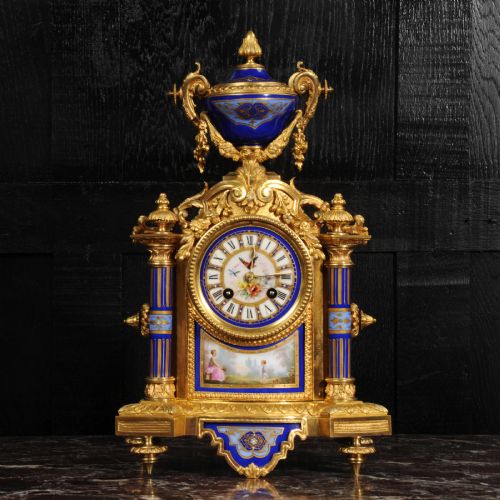
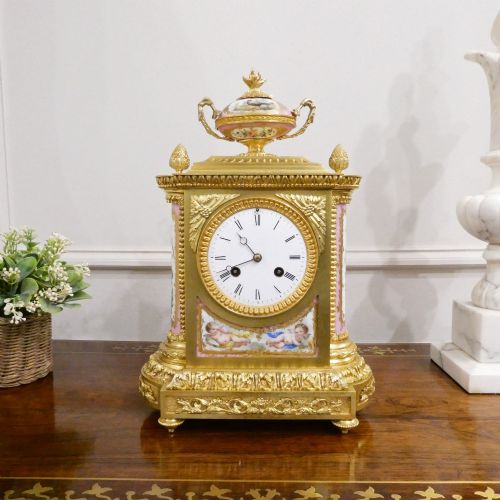
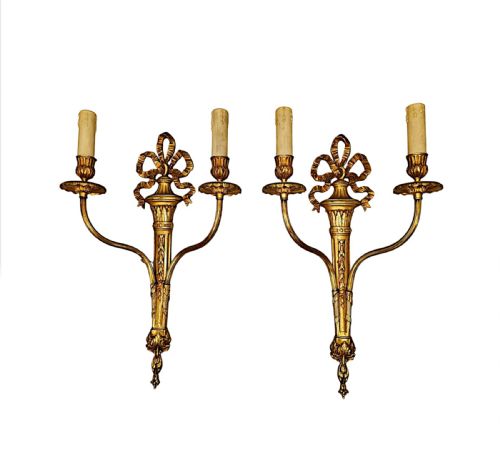
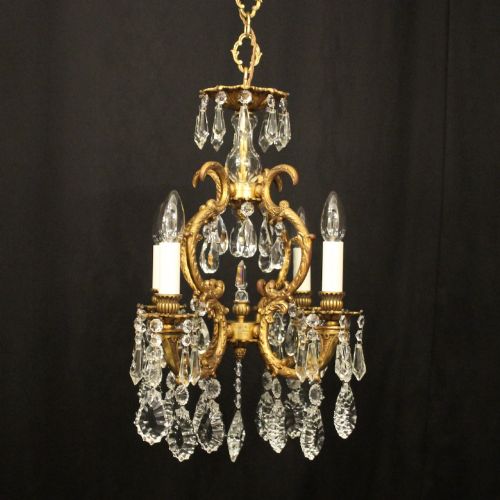
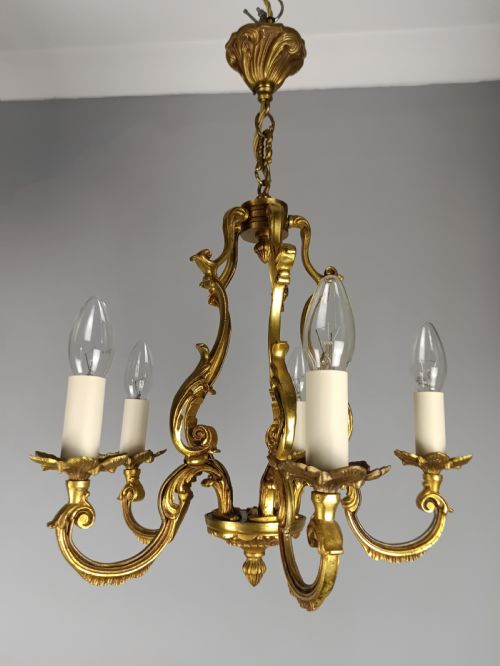
Chandeliers, wall lights, and candelabra dominate the lighting selections, often featuring multiple branches, crystal drops, and intricate casting. Clocks and decorative vessels frequently incorporate contrasting porcelain plaques, marble bases, or enamel work alongside the gilded metal framework.
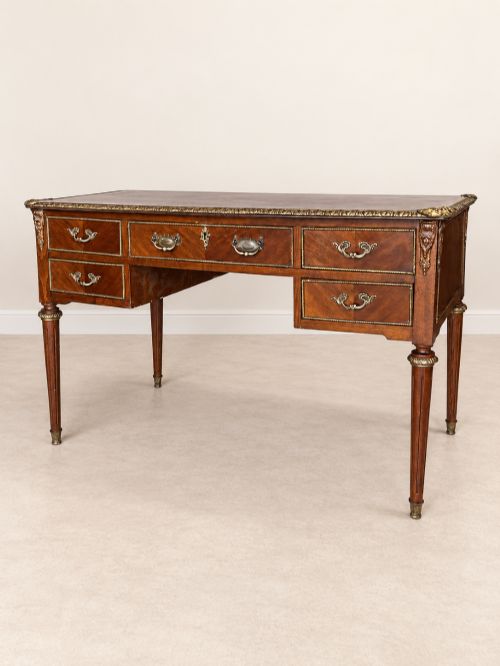
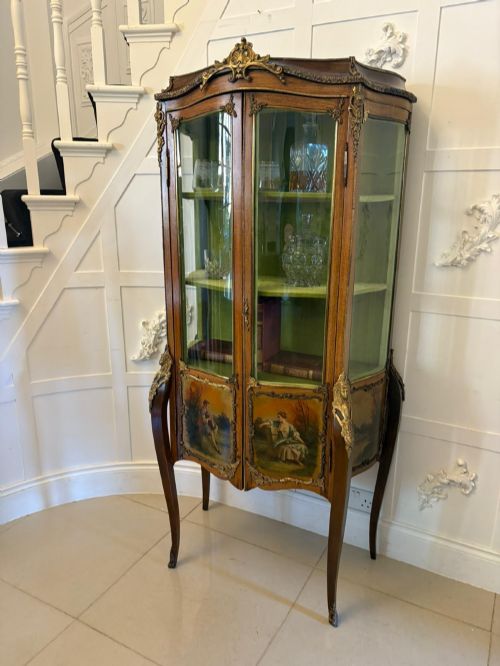
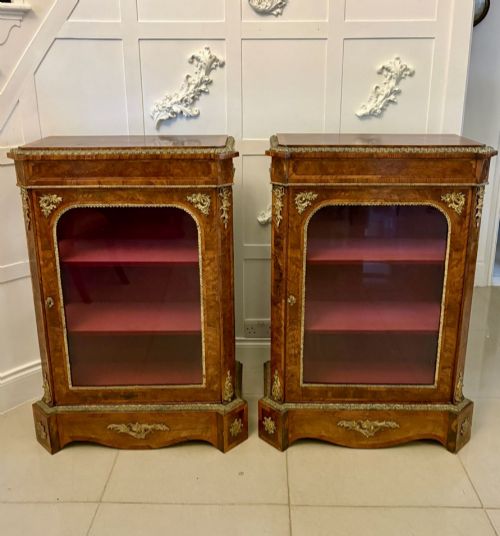
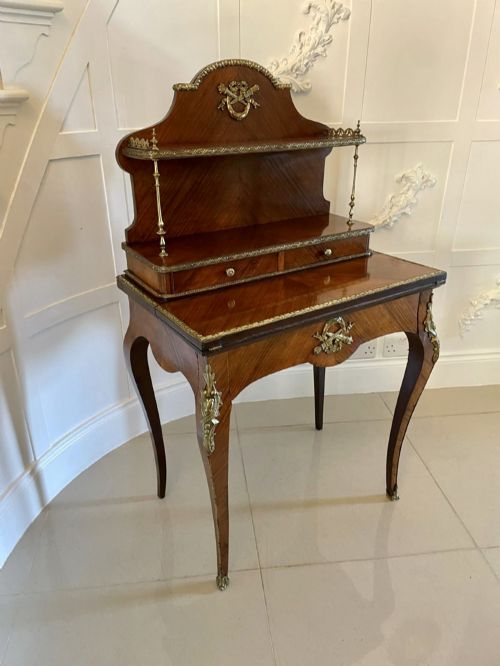
The aesthetic leans heavily toward classical and revivalist designs, including French Rococo, Louis XVI, and Empire styles. Buyers will regularly find these decorative elements applied to furniture such as centre tables, desks, and vitrines.
Materials and Construction Techniques
Makers utilised bronze as the primary structural metal, applying a mercury gilding process or chemical finishing to achieve a bright golden surface known as ormolu. This metalwork was frequently combined with cabinet woods like kingwood, walnut, and mahogany, as well as structural brass.
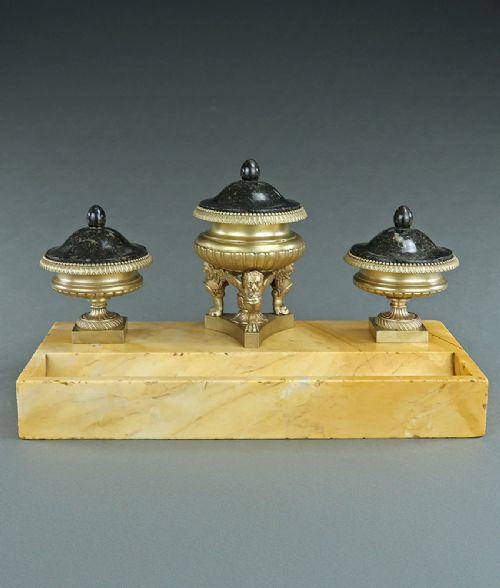
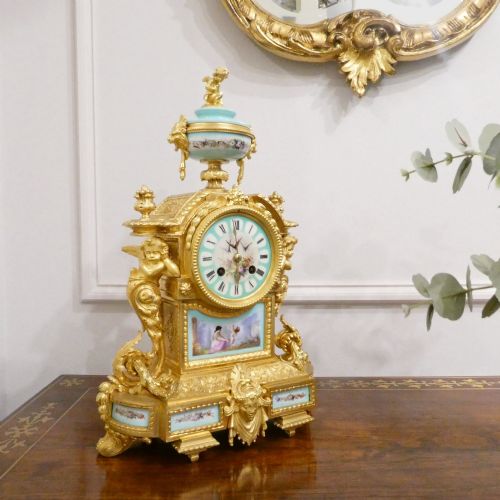
Porcelain plaques from factories such as Sèvres and panels of hand-painted enamel were integrated directly into clock cases, vases, and furniture mounts. Natural stones including marble, onyx, and rouge royal provided solid foundations for table lamps, pedestals, and mantel clocks.
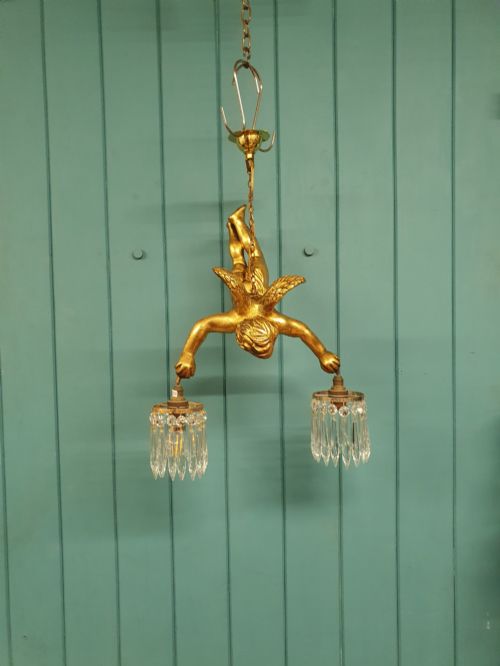
Several items feature winged cherubs, Bacchus figures, and mythical masks keeping a steady watch over domestic mantelpieces and hallways.
Factors Defining Quality
Integration between different materials reveals the skill of the original workshop. In top-tier pieces, porcelain inserts, crystal drops, and gilt mounts fit seamlessly into the timber or stone framework without gaps or misalignment.
Japy Freres·Jean-Baptiste Delettrez·Edward Holmes Baldock·Poix Blin·Achille Brocot·Charles Louis Malric·Susse Freres·Bouhon Freres·Pierre Philippe Thomire·Leroy·Petitot
The French Gilt Bronze Glossary
- Ormolu
- A golden-coloured surface finish applied to bronze metalwork through mercury gilding or modern electroplating techniques. This treatment protects the bronze underneath while providing a bright, decorative lustre.
- Champlevé
- An enamelling technique where troughs or cells are hollowed out of the metal surface and filled with coloured glass paste before firing. It frequently appears on clock faces, vases, and decorative boxes.
- Vitrine
- A glass-fronted display cabinet designed for the exhibition of porcelain, silver, and small decorative objects. These cabinets often feature extensive gilt bronze mounts and marquetry inlay.
- Vernis Martin
- A type of decorative lacquer finish developed in France to imitate Asian lacquer work. It appears on the panels of cabinets and tables alongside gilded bronze trimming.
- Candelabra
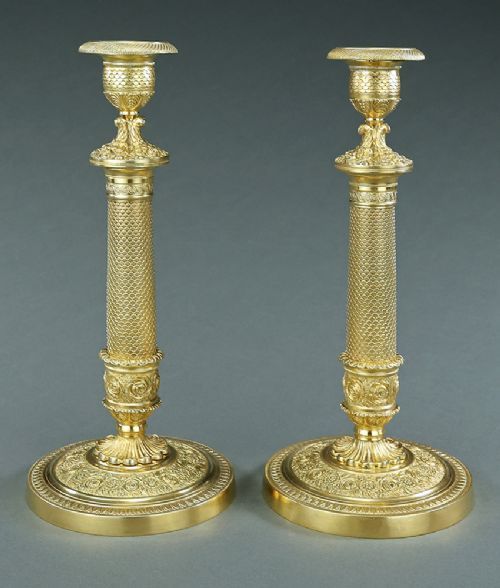
- A branched candleholder designed to sit on tables, mantelpieces, or pedestals. In French metalwork, these are often cast with figural supports and classical motifs.
- Cartel clock
- A wall-mounted clock housed within an ornate, decorative frame made of cast metal or carved wood. These pieces frequently incorporate scrolling foliage and symmetrical motifs.
French Gilt Bronze: Frequently Asked Questions
How do I clean gilt bronze?
Dust the surface gently with a soft, dry brush to prevent the accumulation of dirt within the cast details. Avoid using commercial metal polishes or abrasive cloths, as these will wear away the delicate gold surface layer.
Moisture can damage older finishes, so keep these items away from damp environments. Professional conservation is recommended if tarnishing or grime becomes severe.
Are these clocks still working?
Many antique clocks retain their original mechanical movements and striking mechanisms. Some listings note that an item has undergone full restoration to ensure reliable timekeeping.
Buyers should check individual descriptions to confirm whether a clock has been recently serviced. Pendulums and keys are typically included with working examples.
How do I identify a revival style?
Revival pieces borrow specific decorative vocabulary from earlier periods, such as the exuberant curves of Rococo or the strict symmetry of Neoclassicism. Nineteenth-century makers frequently reinterpreted these historical designs for contemporary Victorian and Edwardian interiors.
Examining the casting methods, fastening screws, and secondary woods helps distinguish a period revival piece from an original eighteenth-century artefact.
Can antique chandeliers be electrified?
Chandeliers from this period were originally designed for candles or gaslight before being adapted for modern electricity over time. Wiring methods vary across individual pieces, with some retaining older electrical components while others are ready for installation.
Consulting a qualified electrician ensures that vintage fixtures meet current safety standards before hanging. Many fixtures allow for the use of low-wattage LED candle bulbs.