
French Gilt Bronze Urn
When you search for a french gilt bronze urn, you uncover heavy, ornate decorative vessels that embody neoclassical elegance and nineteenth-century craftsmanship.
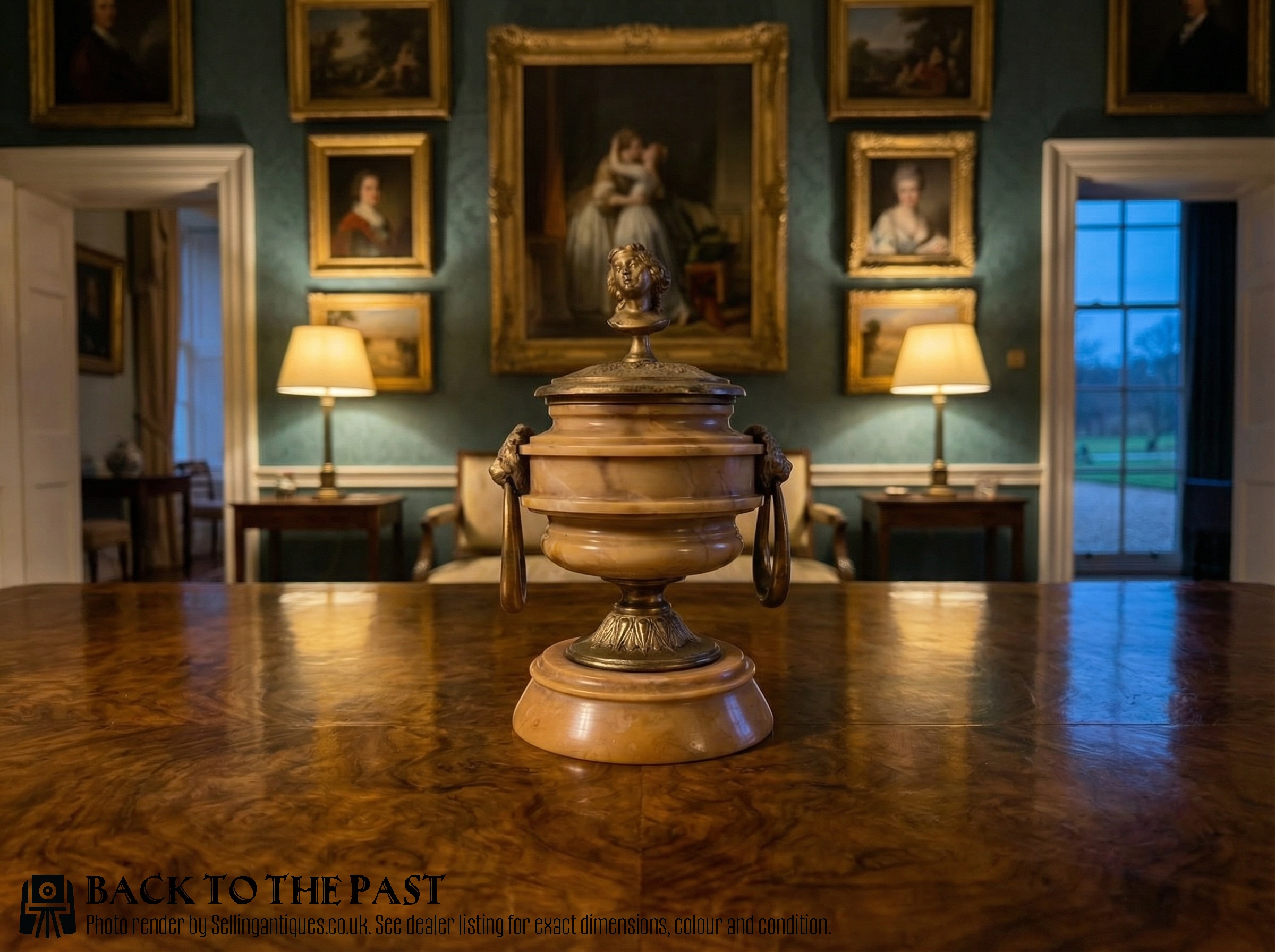
French Gilt Bronze Urn
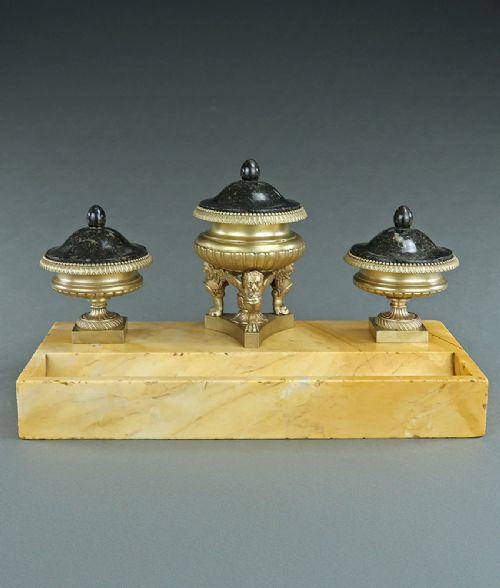
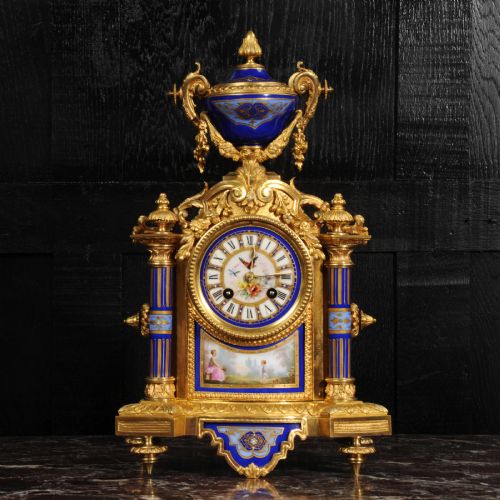
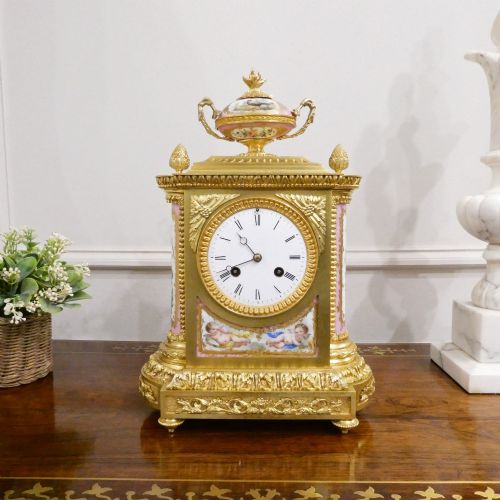
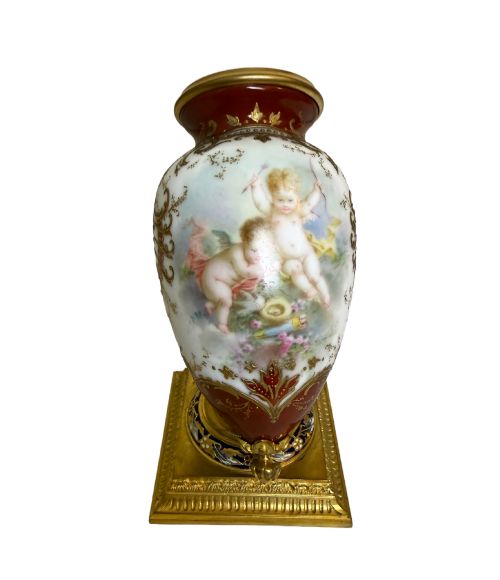
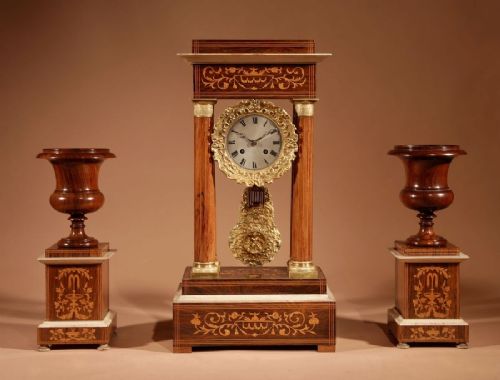
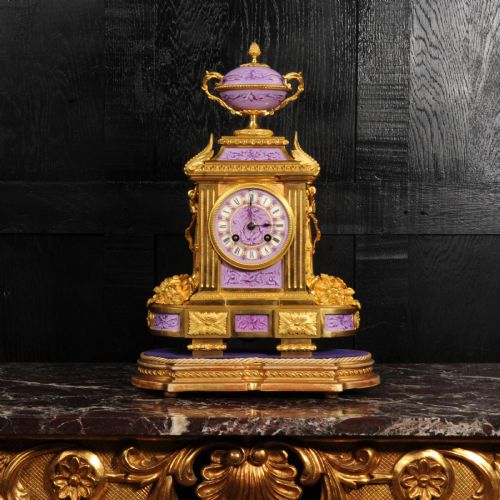
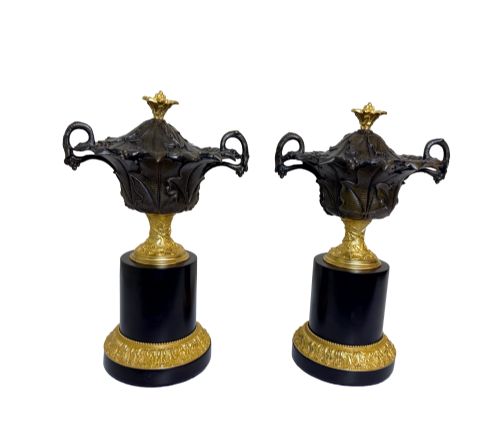
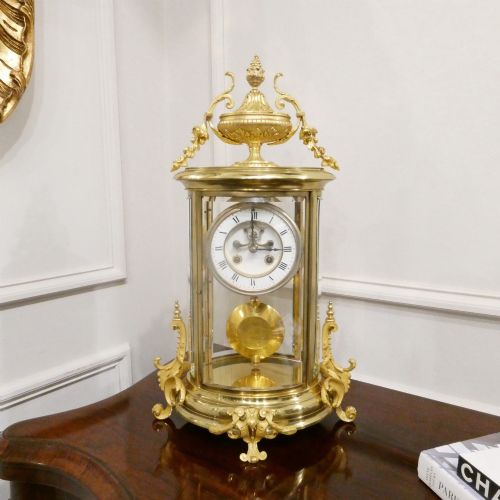
A french gilt bronze urn brings together classical forms and elaborate metalwork, originating predominantly across the nineteenth century in various revivalist designs. These objects take the shape of decorative vessels, cassolettes, and mounted vases, often sitting on pedestals or integrated into clock garnitures.
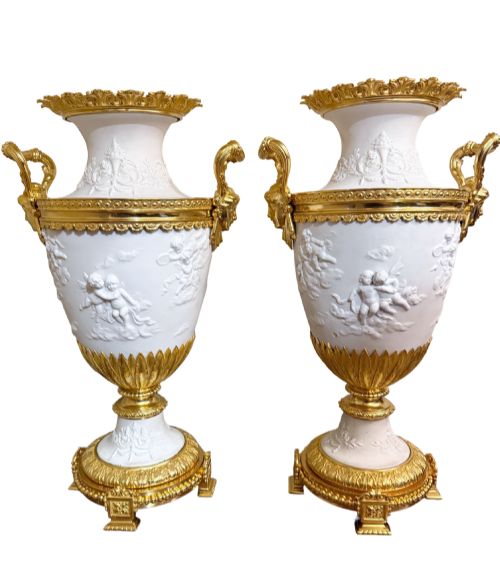
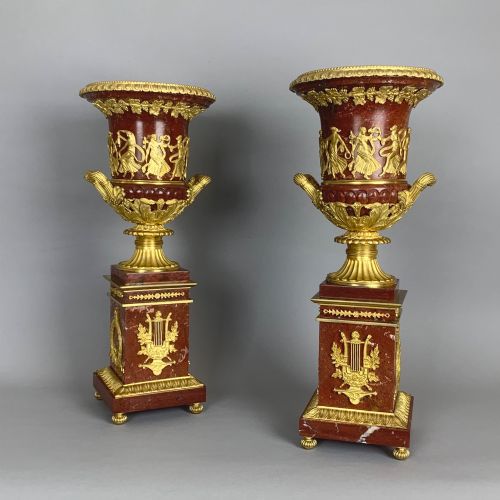
Buyers meet examples finished in the Louis XVI style, Neoclassical schemes, or French Empire aesthetics. Many pieces incorporate porcelain bodies or marble bases alongside the prominent metal mounts.
How they were made
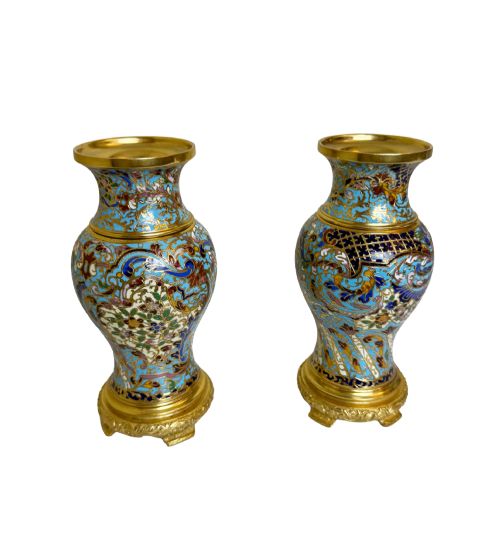
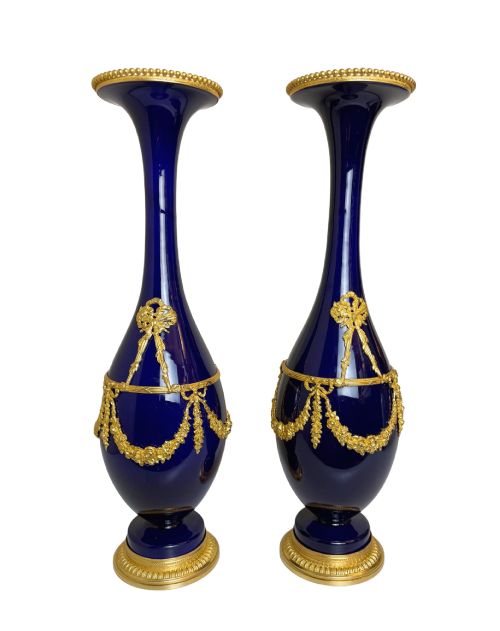
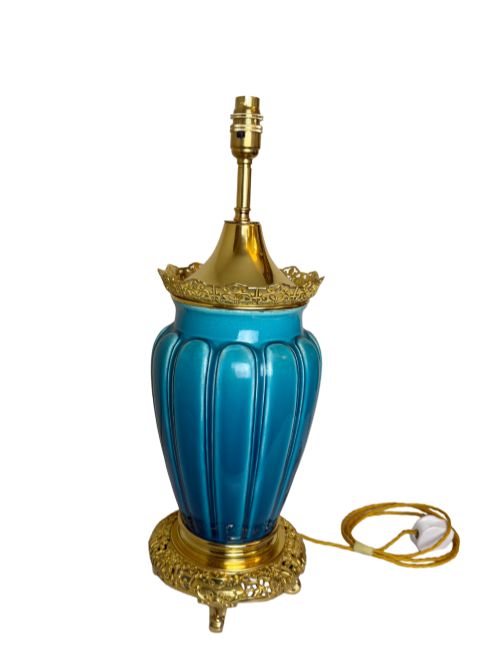
The construction relies heavily on cast bronze treated with mercury gilding or ormolu finishes to achieve a brilliant, enduring sheen. Artisans combined these metal components with hand-turned marble bases, blue ceramic bodies, and champlevé enamel detailing.
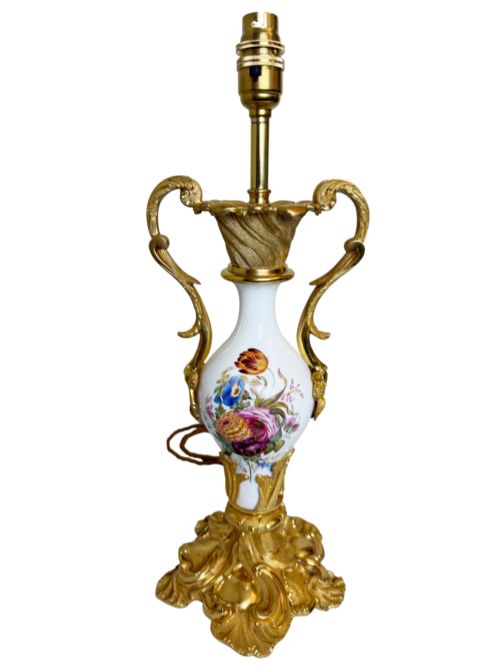
Porcelain elements from Sevres and Limoges frequently form the central body of the vessel, secured by tailored bronze mounts, handles, and trim.
Several urns hide their true versatility, doubling ingeniously as candleholders when you flip their lids.
What varies in quality
The precision of the casting distinguishes standard production from exceptional studio work, particularly in how cleanly the mounts hug the ceramic or stone bodies.
Achille Brocot·Samuel Marti·Casier
The French Gilt Bronze Urn Glossary
- Ormolu
- A technique of applying finely ground high-carat gold to a bronze object using a mercury amalgam. It produces a rich, warm golden surface characteristic of fine French decorative arts.
- Cassolette
- A dual-purpose decorative vessel that functions as a lidded urn or, when turned, as a candleholder. These pieces often feature pierced or solid covers mounted in gilt bronze.
- Champlevé
- An enamelling technique where troughs or cells are carved into the surface of the metal and filled with vitreous enamel powder before firing. The resulting coloured patterns sit flush with the surrounding bronze framing.
- Grand Tour
- A cultural journey undertaken by wealthy young Europeans in the eighteenth and nineteenth centuries to study classical antiquities. Souvenirs from these travels included bronze reductions of famous ancient vessels.
- Garniture
- A set of three or more matching decorative objects, typically comprising a central clock or large urn flanked by smaller matching vases or candelabras. They were designed to adorn mantelpieces.
French Gilt Bronze Urn: Frequently Asked Questions
What is a french gilt bronze urn used for?
These pieces serve primarily as decorative focal points for interior spaces, traditionally placed on mantelpieces, pedestals, or console tables. They were designed purely to display wealth, taste, and an appreciation for classical antiquity rather than for holding flowers or liquids.
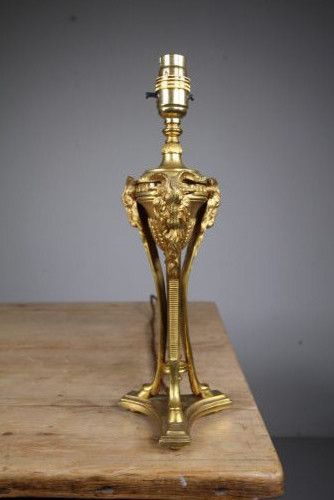
Over time, many of these urns have been adapted into table lamps while retaining their original nineteenth-century mounts and ceramic bodies. Their sculptural presence anchors a room, bringing historical texture and metallic warmth to domestic settings.
How do I care for gilt bronze?
Maintenance requires only gentle dusting with a soft, dry cloth to prevent the accumulation of dirt in the recessed areas of the chasing. Avoid all commercial metal polishes, abrasive cloths, and liquid cleaners, which will strip away the delicate gold layer and expose the base bronze underneath.
Keep the pieces away from direct sunlight and moisture to protect any integrated marble bases or enamel detailing. Handling them with clean hands prevents natural skin oils from tarnishing the ormolu surface over time.
How do I distinguish Louis XVI style from Empire style?
Louis XVI style pieces feature restrained neoclassical symmetry, straight fluted lines, delicate ribbon motifs, and classical urn shapes derived from archaeological discoveries. The decoration leans toward lightness, elegance, and refined floral garlands.
In contrast, French Empire pieces display a heavier, more militaristic and grandiose vocabulary inspired by ancient Rome and Egypt. You will encounter bolder geometric forms, sphinxes, paw feet, and symbols of imperial power executed with greater mass.
Are these urns original to the nineteenth century?
The majority of these decorative objects date from the nineteenth century, spanning revivals from the reign of Louis XVI back through Grand Tour production. Makers utilised traditional lost-wax casting methods and hand-chasing techniques typical of Parisian workshops from that era.
Examining the construction of the interior pins, nuts, and the wear on the mercury gilding helps confirm the period. The patination on the bronze and the ageing of the underlying marble or porcelain offer clear indicators of genuine nineteenth-century manufacture.