



French Expressionist Landscape
These french expressionist landscape works capture visceral energy and bold colour, offering buyers raw emotional depth through mid-century brushwork.
French Expressionist Landscape
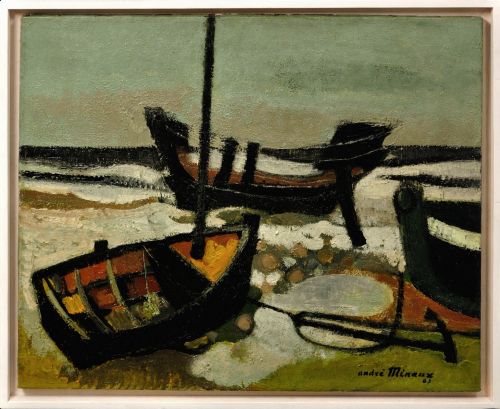
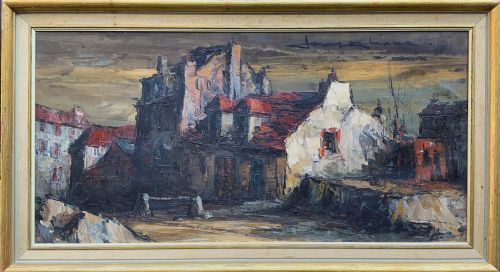
A french expressionist landscape brings together intense chromatic choices and expressive brushwork, capturing scenes ranging from Parisian cityscapes to Mediterranean coastal views. Buyers seeking this aesthetic will encounter mid-century oil paintings that reject rigid academic realism in favour of psychological and atmospheric resonance.
The pieces on this page span the decades from the 1920s through the 1960s, heavily featuring urban settings like Paris alongside rural villages, seaside vistas, and racecourses. These canvases reflect diverse movements including Fauvism, Post-Impressionism, and Mid-Century Modernism.
Most examples rely on oil paint applied to canvas, frequently housed within wood frames. The subjects bridge quiet domestic moments, such as orchards and chicken coops, with vibrant depictions of urban life featuring figures like Pierrot and Harlequin.
Materials and technique
Artists utilise oil paint on canvas as the primary medium, applying pigment with dynamic gestures that define both Fauve and expressionist canvases. This combination allows for thick impasto and rich textural depth across rural and urban compositions.
Supporting these painted surfaces, wood and wood frames provide structural containment, occasionally enhanced with gilt details. The physical construction remains consistent with mid-century European studio practices for fine art paintings.
French Expressionist Landscape Retail Price Guide 2026
Typical asking prices for french expressionist landscape among the pieces listed under this phrase on Sellingantiques today, from the lower quarter to the upper quarter. They describe what is for sale here now, not the wider market.
Secret boxers, photographers, and ladies in white occasionally share seaside canvases with unexpected wartime resistance spirits.
Defining quality in expressionist canvases
Quality rests in the intensity of the composition and the confidence of the brushwork, where masterly handling of oil paint creates palpable atmosphere and light. Stronger works demonstrate a cohesive tension between colour harmony and distorted perspective.
Provenance and attribution elevate certain pieces, particularly those bearing the documented signatures of known painters from the period. The strength of the narrative - whether depicting wartime resistance, urban isolation, or Mediterranean sunlight - further distinguishes superior examples.
Lilian Colbourn·Gabriel Dauchot·Mercedes Legrand·Pierre Peltier·René Thomsen·Yvette Alde
The French Expressionist Landscape Glossary
- Fauvism
- An early twentieth-century painting style characterised by strong colours and visual abstraction over realistic representation. It prioritises painterly qualities and bold use of pure pigment.
- Impasto
- The process of applying paint thickly on a canvas so that it stands out from the surface. This technique adds tactile relief and visible gesture to expressionist works.
- Post-Impressionism
- An art movement that extended Impressionism while rejecting its limitations, focusing instead on symbolic content and heavier weight of form. It laid crucial groundwork for twentieth-century expressionist styles.
- Provenance
- The chronology of the ownership, custody, or location of a historical artwork. Strong documentation adds significant historical context to mid-century paintings.
French Expressionist Landscape: Frequently Asked Questions
What is a french expressionist landscape?
These works are mid-century oil paintings that use vibrant colours and distorted forms to convey emotional responses to nature and urban settings. They depart from strict realism to emphasise subjective feeling.
Created primarily between the 1920s and 1960s, these canvases reflect broader European modernist movements including Fauvism and Post-Impressionism.
How should I display an oil painting?
Hang these canvases away from direct sunlight and excessive humidity to protect the oil paint and canvas substrate over time. Adequate wall space allows the bold colour palettes to breathe.
Consider the existing wood frame when positioning the artwork, ensuring it complements your interior without competing with surrounding decor.
How do I identify the period of a painting?
Examine the stylistic markers, such as the flat perspectives of 1930s Fauve landscapes or the dynamic abstraction typical of 1950s modernist compositions. Brushwork and subject matter often align with specific decades.
Signatures, artist dates, and recorded exhibition history in the listing details provide concrete chronological anchors for dating individual canvases.
What subjects are common in these works?
Common subjects include Parisian cityscapes, Mediterranean coastal scenes, horse racing tracks, and rural village life. Figures such as Pierrot and Harlequin also frequently appear in urban compositions.
These motifs allowed artists to explore light, isolation, and movement through expressive colour palettes and energetic paint application.