



French Equestrian Bronze Figure
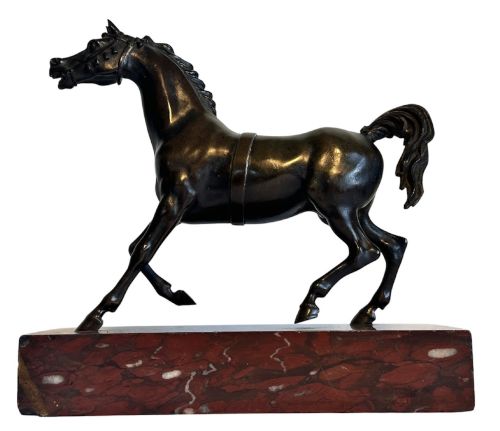
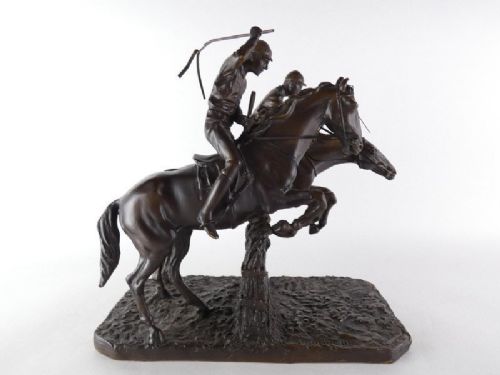
A French equestrian bronze figure captures horse and rider with muscular precision, bringing nineteenth-century foundry mastery straight to a mantelpiece.
French Equestrian Bronze Figure
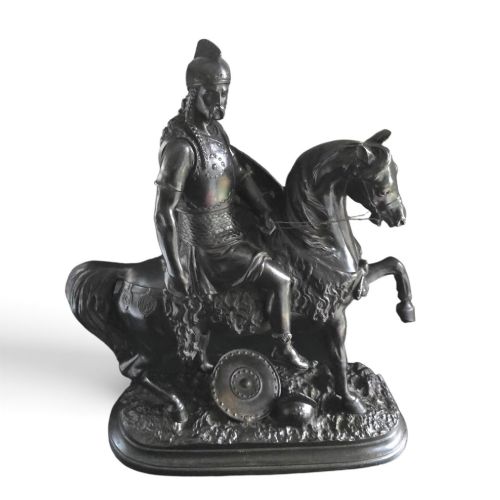
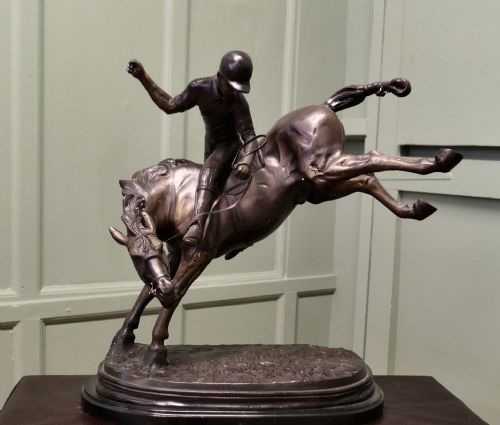
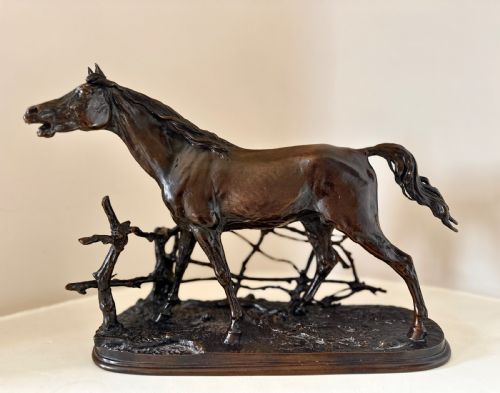
A French equestrian bronze figure typically depicts historical rulers, classical jockeys, or animalier studies of horses in motion. These sculptures span the nineteenth century and into the early twentieth century, reflecting a deep fascination with equine anatomy and heroic narrative.
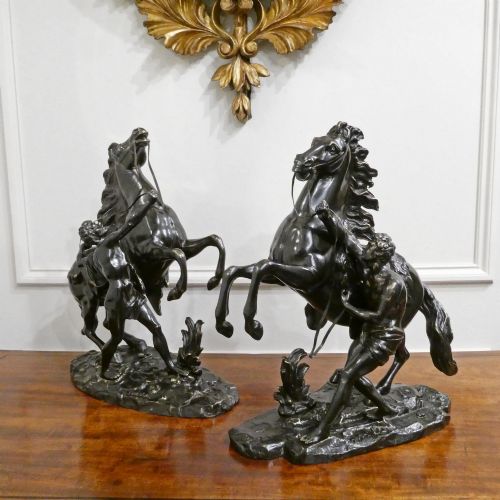
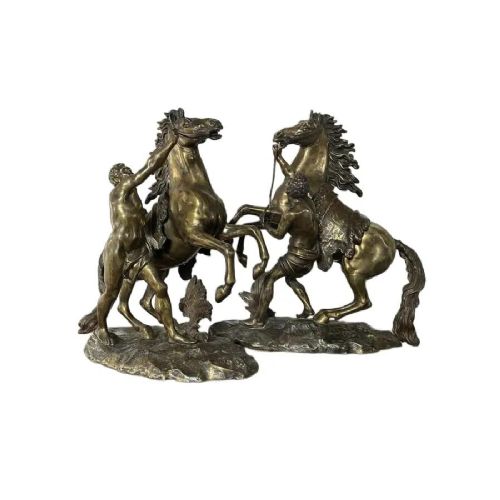
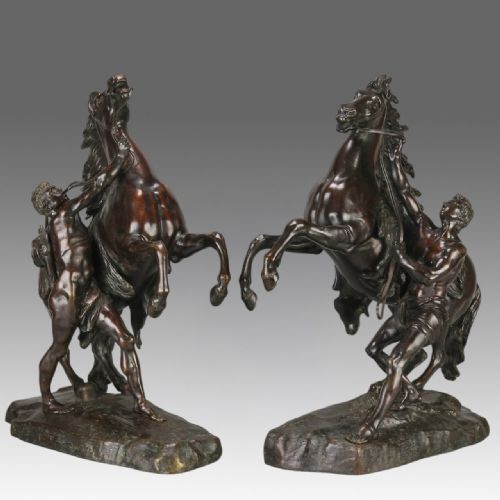
Most examples found here emerge from the Animalier movement or neoclassical revivals, portraying subjects like Napoleon, King Clovis, or the famous Marly horses. They frequently stand upon heavy marble bases, anchoring the dynamic metalwork with solid weight.
Assessing quality in bronze casting
The crispness of the chase work separates ordinary casts from exceptional ones. Skilled artisans chased the cooled metal by hand, defining sinew, reins, and facial expressions with sharp clarity.
The depth and consistency of the patina also dictate quality. Rich, multi-layered patination or well-preserved gilding indicates a superior foundry finish that retains its visual resonance over decades.
French Equestrian Bronze Figure Retail Price Guide 2026
Typical asking prices for french equestrian bronze figure among the pieces listed under this phrase on Sellingantiques today, from the lower quarter to the upper quarter. They describe what is for sale here now, not the wider market.
Listings feature works from the nineteenth century into the twentieth century, utilising bronze, marble, patinated bronze, and gilt bronze.
Théodore Gechter·Isidore Jules Bonheur·Alfred Dubucand·Charles Crozatier·Pierre Lenordez·Pierre Jules Mêne
The French Equestrian Bronze Figure Glossary
- Animalier
- A nineteenth-century artistic movement focusing on the realistic depiction of animals, particularly horses, dogs, and wild beasts. Sculptors in this genre studied living anatomy closely.
- Patina
- The surface coloration and sheen developed naturally through age or applied chemically by the foundry. It protects the metal and defines sculptural contours.
- Ormolu
- Finely ground high-carat gold applied to a bronze base using a mercury amalgamation process. This technique yields a brilliant, lasting golden surface.
- Marly Horses
- A famous pair of monumental marble sculptures commissioned for Louis XIV, frequently reduced in bronze for nineteenth-century collectors. They depict rearing horses restrained by handlers.
French Equestrian Bronze Figure: Frequently Asked Questions
How do I clean a bronze sculpture?
Dust the surface gently with a soft, dry brush to prevent particle buildup. Avoid harsh chemical cleaners or water, which can strip the historic patina.
Apply a very thin coat of microcrystalline wax occasionally if the bronze appears dry, buffing it off completely with a clean cloth.
Why are marble bases used?
Marble bases provide necessary physical weight to counterbalance the heavy metal casting of the horse and rider. They also add a formal architectural finish suited to nineteenth-century display.
Many figures are permanently secured to these plinths as part of their original foundry design.
How can I tell nineteenth-century casts apart?
Examine the sharpness of the casting detail and the hand-chasing marks on the metal surface. Earlier nineteenth-century examples often exhibit crisper definition in the musculature and harness.
Foundry marks, signatures on the bronze base, and the depth of the patination further help determine the period.
Where should I display these figures?
Place the sculpture on a sturdy mantelpiece, desk, or dedicated console table away from direct sunlight and dampness. Ensuring a stable surface protects both the heavy bronze and its marble plinth.
Keep the piece at eye level or slightly below to best appreciate the intricate modeling of the rider and horse.