





French Historical Bronze Statue
A french historical bronze statue brings statesmen, monarchs and poets of the past into the room with notable presence.
French Historical Bronze Statue
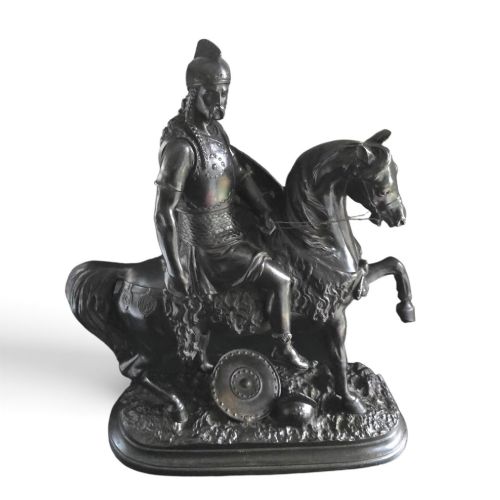
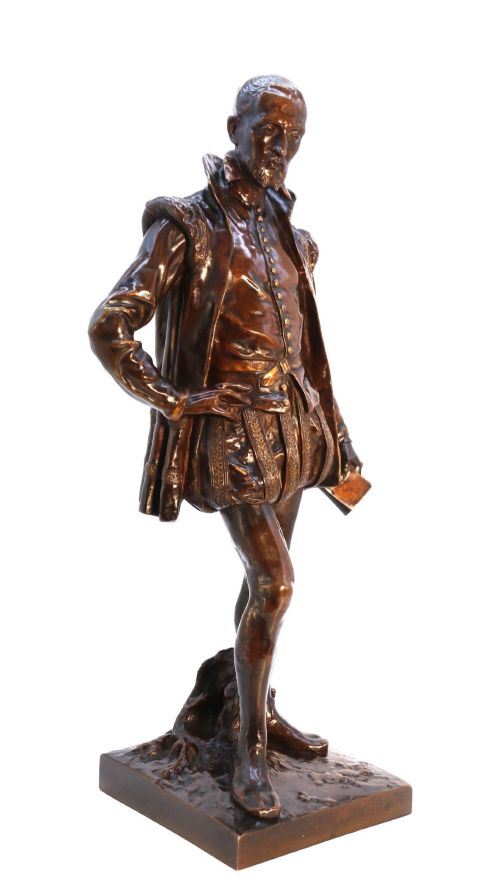
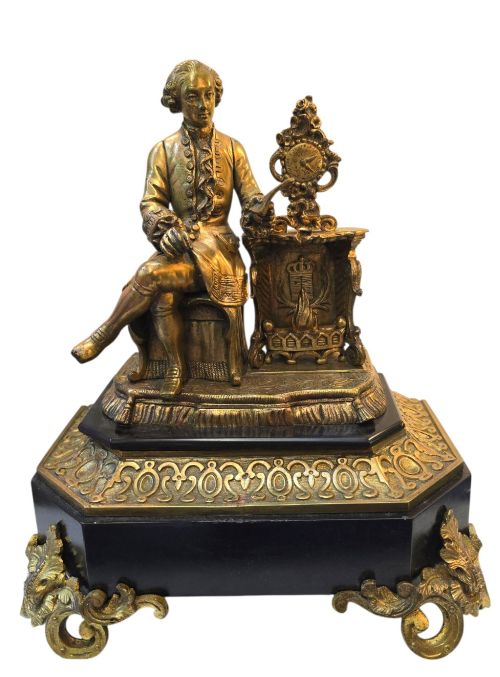
A french historical bronze statue represents figures of significance from French history, including monarchs, poets, soldiers and playwrights. The selection on this page centres on nineteenth century interpretations of these historical personalities, capturing subjects from the sixteenth century onwards.
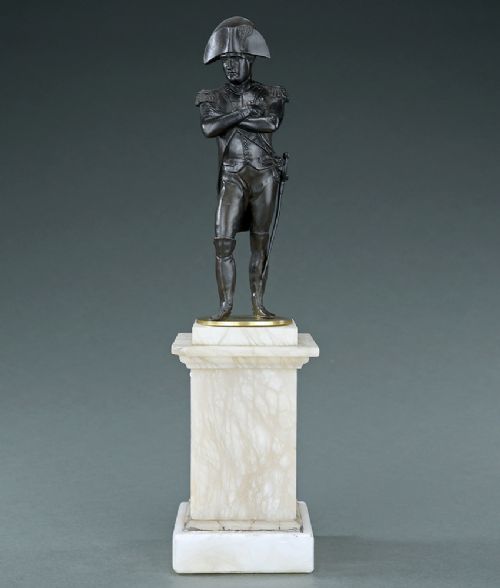
The forms range from full equestrian sculptures and standing figures to portrait busts and library studies. Buyers frequently encounter representations of Napoleon Bonaparte and various French kings alongside literary and artistic figures.
How they were made
These works utilise cast bronze, frequently enhanced with patination ranging from dark tones to green marble bases or gilt bronze and ormolu mounts. The metal is shaped to capture fine details in costume, armour and facial expression.
Foundries and sculptors of the nineteenth century applied traditional lost-wax or sand casting methods to achieve these dense, durable metal sculptures. Surface finishes were carefully hand-finished to create varied patinas that define the contours of each subject.
French Historical Bronze Statue Retail Price Guide 2026
Typical asking prices for french historical bronze statue among the pieces listed under this phrase on Sellingantiques today, from the lower quarter to the upper quarter. They describe what is for sale here now, not the wider market.
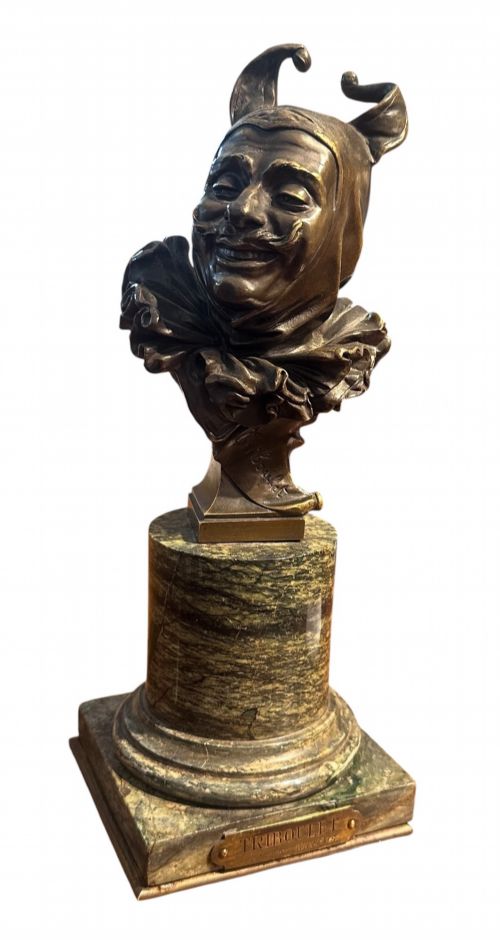
Triboulet the jester stands among kings and poets, reminding us that sixteenth-century court fools get their day in bronze too.
What varies in quality
The depth and consistency of the patina contribute significantly to the visual weight of the piece. A superior casting maintains clean lines and balance without losing the subtleties intended by the sculptor.
Théodore Gechter·Emile Guillemin·E.H. Dumaige·Jean Jules Salmson·James Pradier·C. Anfrie
The French Historical Bronze Statue Glossary
- Patinated bronze
- Bronze that has been chemically or physically treated to alter its surface colour. This process creates darker tones that highlight the sculptural form.
- Ormolu
- Gilded bronze produced by applying a mercury and gold amalgam to the metal surface. It provides a bright golden finish often seen on bases or decorative mounts.
- Equestrian sculpture
- A representation of a figure on horseback. This grand form is frequently utilised for monarchs and military leaders.
- Lost-wax casting
- A method of metal casting in which a molten metal is poured into a mould that has been created by means of a wax model. It allows for intricate detail in complex figures.
French Historical Bronze Statue: Frequently Asked Questions
Who do these bronze statues portray?
These sculptures depict notable figures from French history, ranging from Renaissance monarchs like François I and King Clovis I to military leaders such as Napoleon Bonaparte. Writers, poets and dramatists like Joachim de Bellay and Pierre-Augustin Caron de Beaumarchais also appear.
Subjects were chosen by nineteenth-century artists to celebrate significant historical personalities, literary icons and military commanders from earlier eras of French culture.
How do I care for a bronze statue?
Maintenance requires only gentle dusting with a soft, dry cloth to prevent the accumulation of particles on the surface. Avoid using liquid cleaners or polishes that can disturb the historical patina.
Keep the piece away from direct sources of heat and excessive moisture to preserve both the metal and any associated marble bases.
How can I tell the period of a bronze?
Nineteenth-century French bronzes often bear foundry marks, signature incisions or stylistic cues consistent with the period between eighteen sixty and eighteen ninety. The dress and armour of the subject also reflect the historical era being commemorated.
Examining the base materials, such as green marble or gilt bronze mounts, helps contextualize the manufacturing period alongside the style of the casting.