








French Bronze Table Sculpture
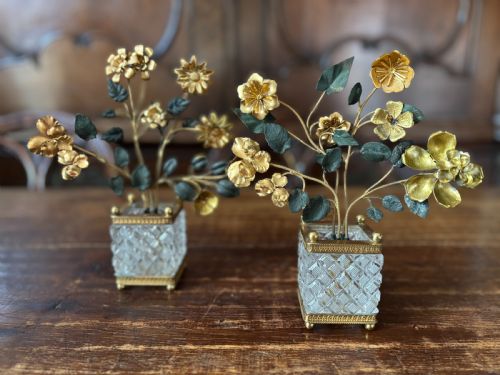
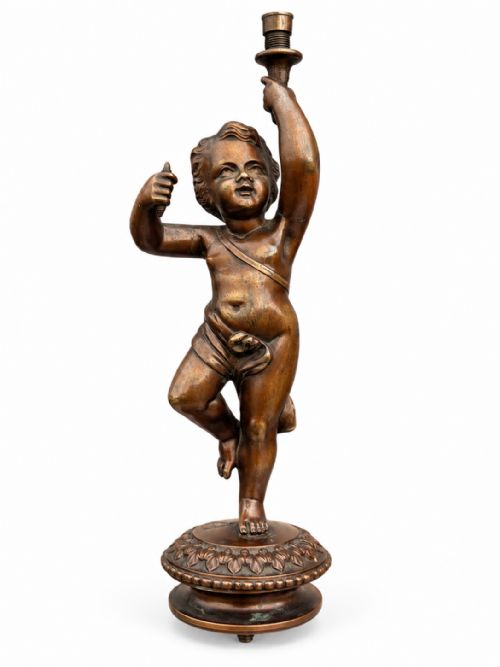
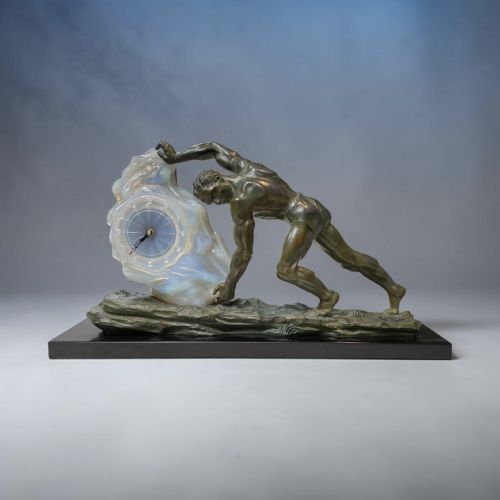
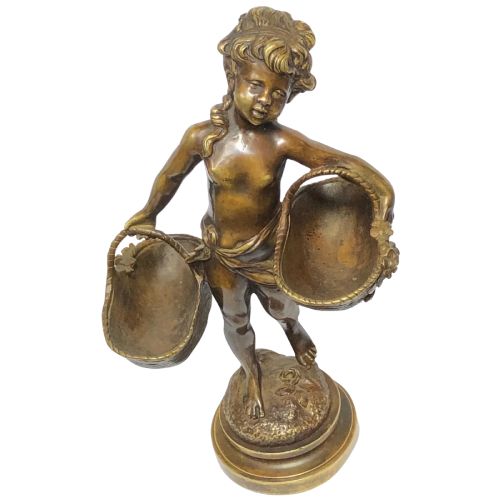
These french bronze table sculpture works bring continental foundry craft to your surface, offering figures, clocks and lamps.
French Bronze Table Sculpture
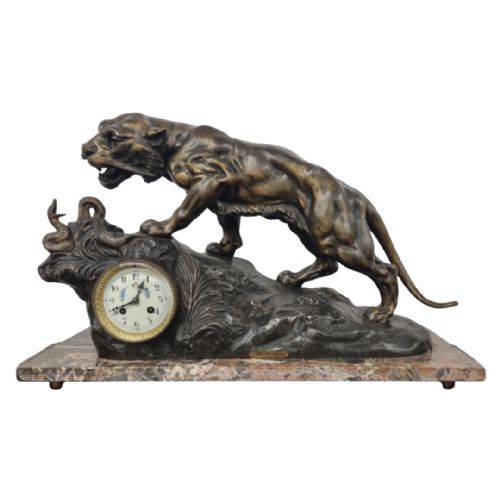
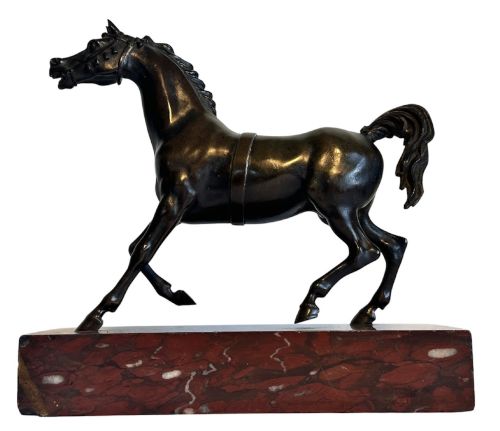
A french bronze table sculpture is a desk or mantel ornament originating from continental workshops across the nineteenth and twentieth centuries. These figures range from animalier studies and classical figures to functional table lamps and mantel clocks.
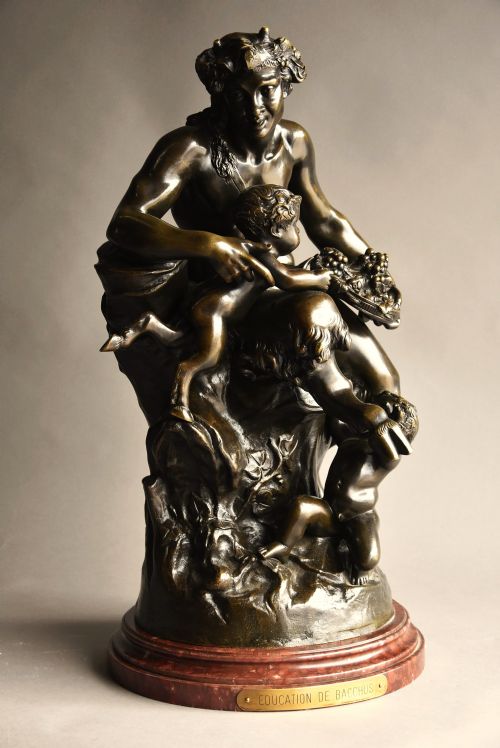
The objects on this page span several distinct movements, from Rococo Revival and Neoclassical designs to Art Nouveau and Art Deco pieces. Collectors frequently encounter mounted works set upon marble plinths or integrated into functional lighting and timepieces.
Makers utilised various scales, from small provincial statuettes to impressive figurative groups. Animal subjects, mythological characters and dancers dominate the forms available for surface display.
How they were made
Foundries cast these pieces using traditional methods, often utilising bronze or patinated metal alongside gilded highlights. Many sculptures incorporate marble bases to add weight and elevate the central figurative element.
Artisans applied surface patination or ormolu finishes to create depth and contrast on the metalwork. Alternative pieces utilise spelter as a base metal, particularly within twentieth-century Art Deco lighting and figures.
French Bronze Table Sculpture Retail Price Guide 2026
Typical asking prices for french bronze table sculpture among the pieces listed under this phrase on Sellingantiques today, from the lower quarter to the upper quarter. They describe what is for sale here now, not the wider market.
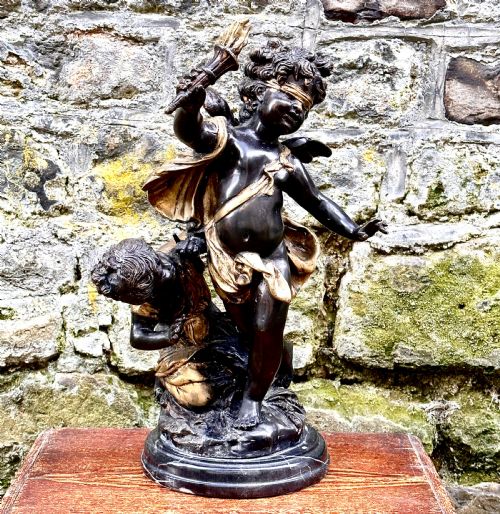
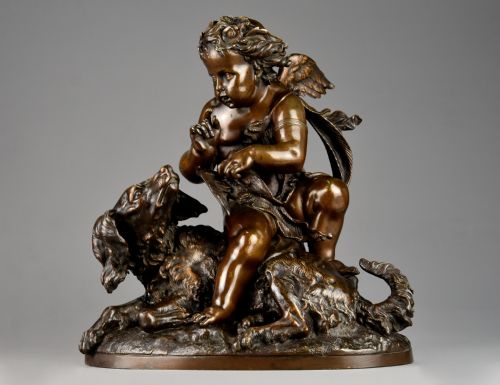
Several pieces feature surprisingly athletic dogs, haughty geese, and cheerful putti keeping watch over the mantelpiece.
What varies in quality
The integration of materials determines the overall harmony of the object. High quality examples feature well-fitted marble plinths and secure mounting that anchor the metal sculpture without distraction.
Théodore Gechter·Auguste Moreau·Pierre Collinet·R Varnier·Claude Michel Clodian·P J Mêne·Alfred Barye·Hector Lemaire·Leon Message·Jollet et Cie·Emile Picault·Geo Maxim·Demetre Chiparus·Jean-Jules Cambos·H Moreau·Emmanuel Villanis
The French Bronze Table Sculpture Glossary
- Animalier
- A nineteenth-century artistic genre focusing on the realistic portrayal of animals, particularly horses, dogs, and wildlife. These works capture creatures in motion or repose with anatomical precision.
- Spelter
- A zinc alloy frequently utilised as a cost-effective substitute for bronze, especially during the Art Deco period. It accepts patination and paint finishes readily.
- Ormolu
- Gilded bronze achieved by applying a mercury and gold amalgam to the metal surface and firing it. This technique imparts a rich, lasting golden sheen to decorative mounts and clocks.
- Patina
- The surface coloration and sheen acquired by bronze over time through oxidation and handling. Founders also applied chemical patinas intentionally to achieve specific dark or warm tones.
French Bronze Table Sculpture: Frequently Asked Questions
What is an animalier bronze sculpture?
An animalier sculpture depicts animals with realistic anatomical detail, often showing horses, dogs or wild beasts in natural poses.
These pieces gained immense popularity across nineteenth-century France through specialist foundries and dedicated sculptors.
How do I clean a bronze sculpture?
Dust the surface gently with a soft, dry brush to remove settled particles without disturbing the underlying patina.
Avoid using harsh chemical polishes or water, which can strip away historic patination and damage the metal.
Are these sculptures signed by the artist?
Many pieces feature cast signatures or foundry marks inscribed directly into the bronze base during the manufacturing process.
Signatures help attribute works to known artists and workshops active during the nineteenth and early twentieth centuries.
What is the difference between bronze and spelter?
Bronze is a durable alloy of copper and tin that takes fine chisel work and develops a rich historic patina.
Spelter is a softer zinc-based metal used extensively for decorative Art Deco figures and lamps as an accessible alternative.