
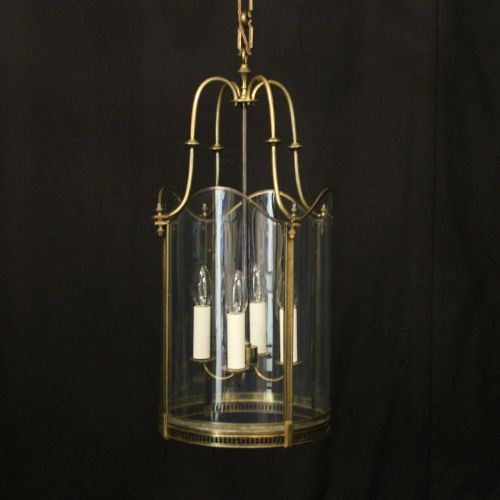
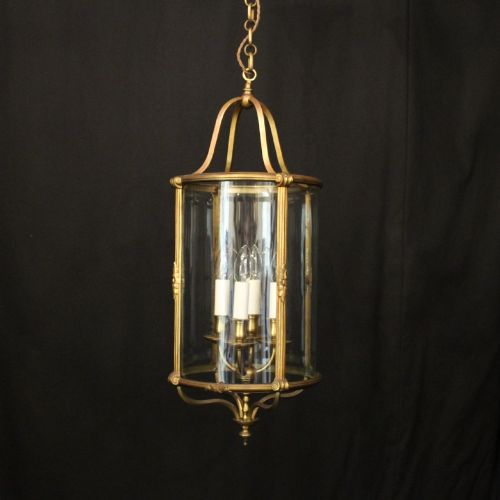
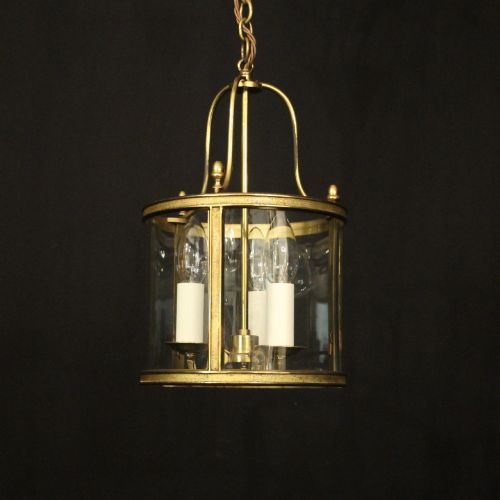
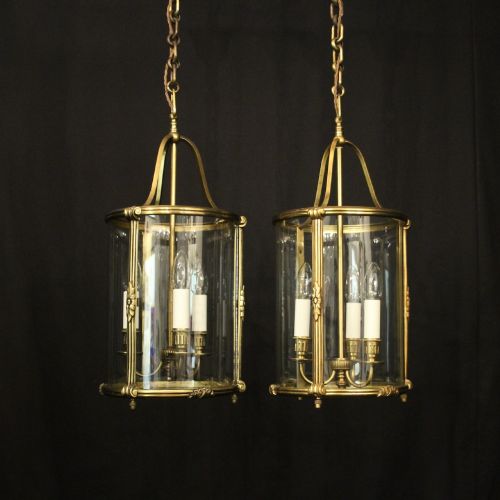
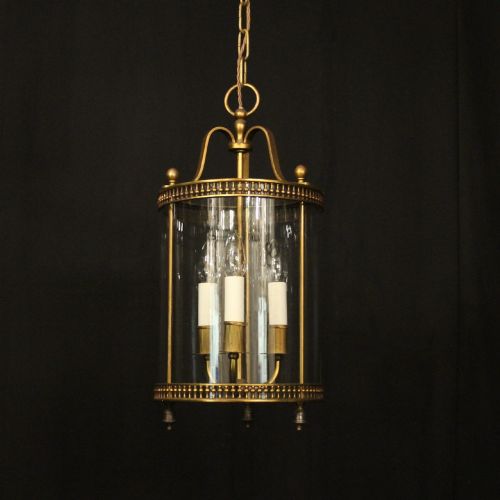
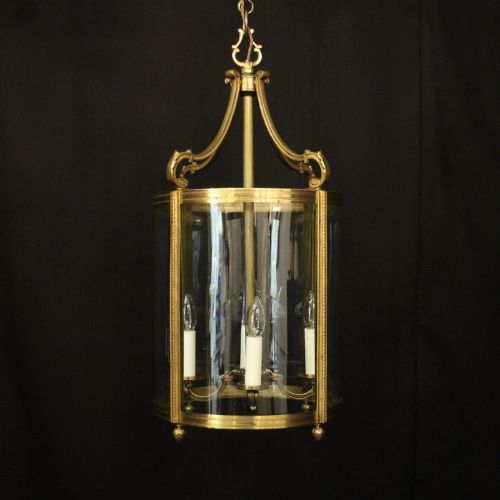
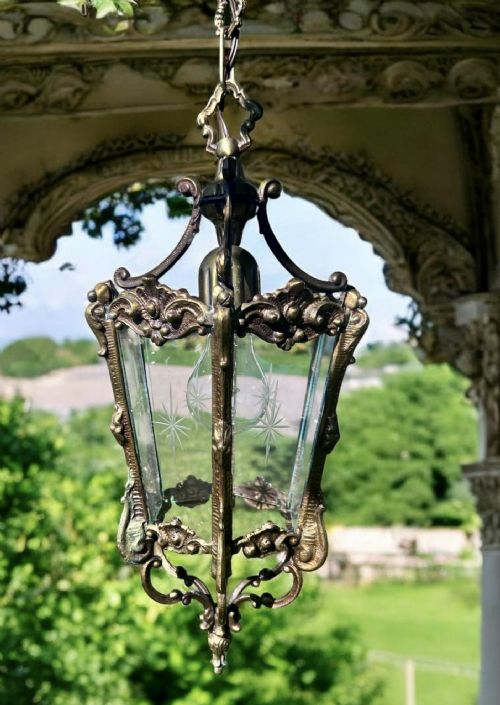


French Entry Hall Pendant
A french entry hall pendant brings immediate architectural presence and warm illumination to a vestibule using period glass and metalwork.
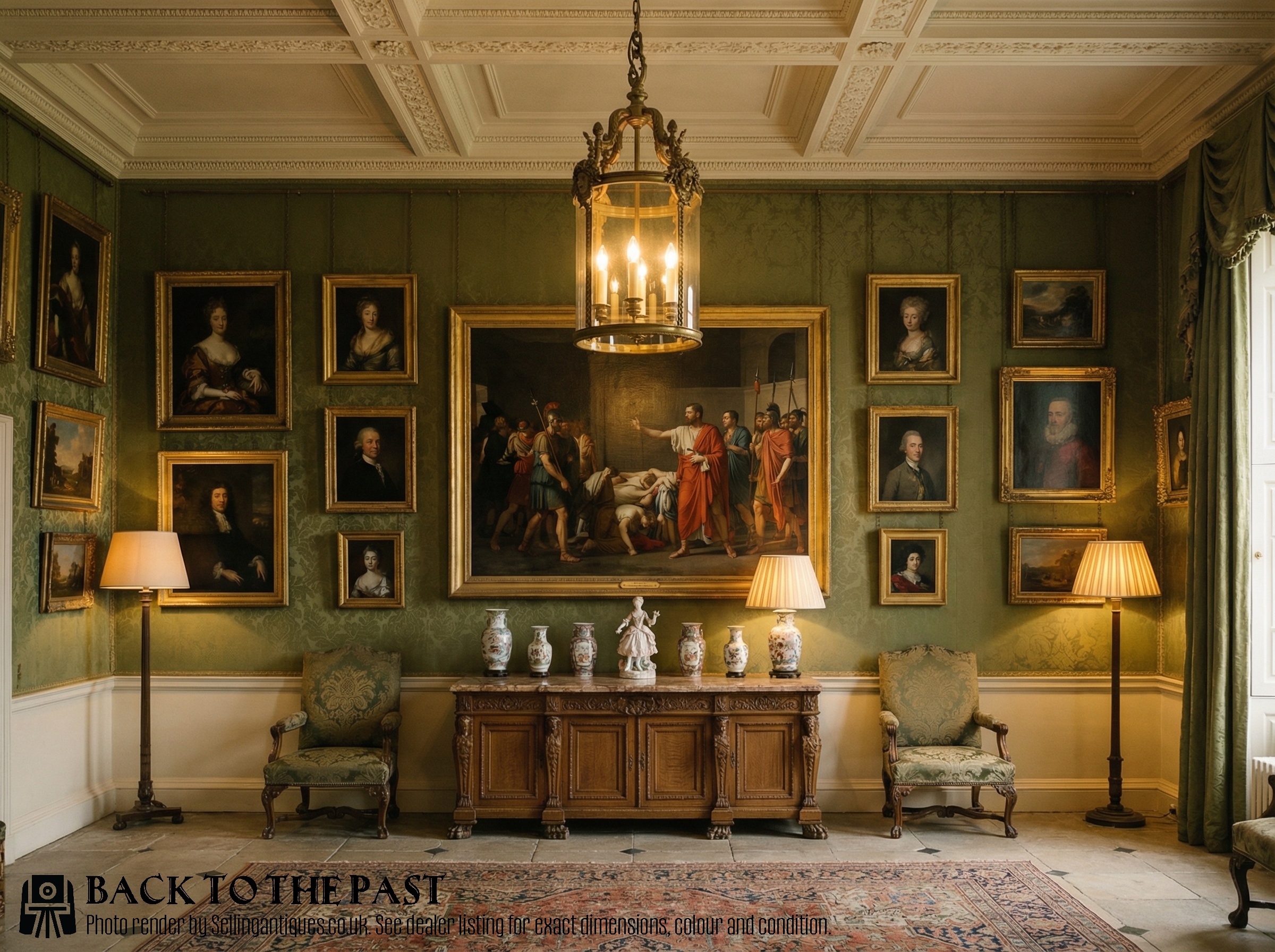
French Entry Hall Pendant
A french entry hall pendant functions as a primary overhead light source in a narrow corridor or reception space. These fixtures appear primarily as hanging lanterns and ceiling lights spanning the nineteenth century through the early decades of the twentieth century. The forms draw on classical, neoclssical, rococo, and chateau design traditions.
Visitors encounter single, triple, and four-light configurations designed to distribute illumination evenly through clear or decorative glass panels. The metal frames adopt hexagonal, convex, and standard lantern shapes that reflect historical periods such as the Regence style. Most examples date from the nineteen-twenties and nineteenth century, showing established French aesthetic preferences.
Materials and Construction
Workshops utilised cast and forged metals including brass, bronze, and gilded bronze to form the structural framework of each pendant. Gilt surfaces applied to brass and bronze provided a reflective sheen that maximised the output of early internal candle or gas and electric lamp holders. Metal components were cast with detailed surface ornament before final assembly.
Glazing involved fitted panels of glass, sometimes bevelled or etched, secured tightly within the metal armature. Cut glass and convex glass panes were shaped specifically to bend and diffuse light across entryways. These elements combined durability with ornamental transparency.
Current listings feature pieces spanning the late nineteenth century through nineteen thirty, utilising brass, bronze, and etched glass.
Quality and Craftsmanship
Distinctions in quality rest on the weight of the metal casting and the precision of the surface gilding. Finer pieces display crisp botanical or scroll details rendered in heavy bronze rather than lighter stamped brass. The depth of the chasing on the metalwork indicates the hand of a skilled artisan.
The choice and treatment of the glass further separate standard production from superior examples. Heavy bevelled panes, convex curves, and intricate edge-cutting require advanced glassmaking techniques that elevate the finished lantern. Structural integrity in the suspension loop and frame assembly completes the measure of excellence.
The French Entry Hall Pendant Glossary
- Convex glass
- Curved glass panels that project outward to soften and disperse light across a wider angle. This technique appears frequently on nineteenth and twentieth century hall lanterns.
- Gilded bronze
- Bronze metal treated with a thin layer of gold or gold-coloured leaf to produce a bright, durable finish. This material resists tarnishing while highlighting cast ornamental details.
- Bevelled glass
- Glass panes featuring an angled edge ground down to create a decorative border. The slope catches ambient light to produce prismatic effects.
- Hall lantern
- A vertical hanging light fixture designed specifically for narrow domestic passageways and vestibules. These fixtures enclose light sources within protective glass and metal panels.
- Rococo style
- An ornate decorative design movement characterised by asymmetrical scrollwork and natural motifs. This aesthetic influenced French lighting design across multiple centuries.
French Entry Hall Pendant: Frequently Asked Questions
How do I hang a hall pendant?
Suspension requires a sturdy ceiling anchor capable of supporting the combined weight of the bronze or brass frame and glass panels. Professional electricians should install the internal wiring to meet safety standards.
Chain length must be adjusted so the bottom of the lantern clears the heads of tall visitors while providing adequate light distribution.
What periods do these pendants represent?
The available fixtures originate largely from the nineteenth century and the early decades of the twentieth century, specifically between eighteen ninety and nineteen thirty. Designers frequently referenced earlier historical eras such as the Regence period.
Stylistic influences span classical, neoclassical, and rococo traditions developed within French decorative arts.
Which metals were used in construction?
Workshops relied heavily on bronze and brass, often applying a gilt finish to enhance reflectivity and appearance. These durable alloys supported heavy glass panels securely.
Over time, the underlying metals develop natural patinas that reflect their age and handling history.
Are the glass panels original?
Many fixtures retain their period glass, which may feature bevelled edges, convex curves, or etched surfaces. Inspecting the glass helps determine the consistency of the piece with its stated manufacturing period.
Subtle surface variations and minor bubbles often indicate older manufacturing methods.