


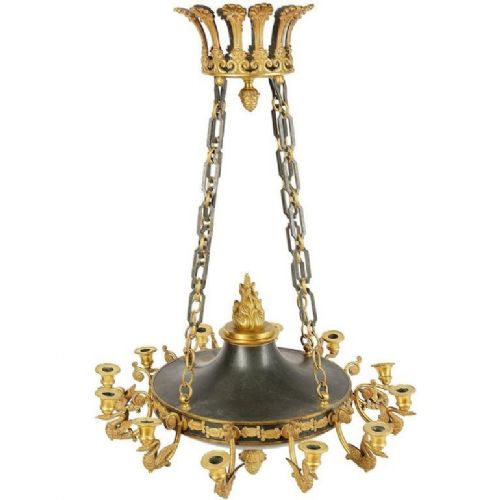
Neoclassical Bronze Pendant Light
A neoclassical bronze pendant light brings classical French elegance and warm illumination to any hall or room.
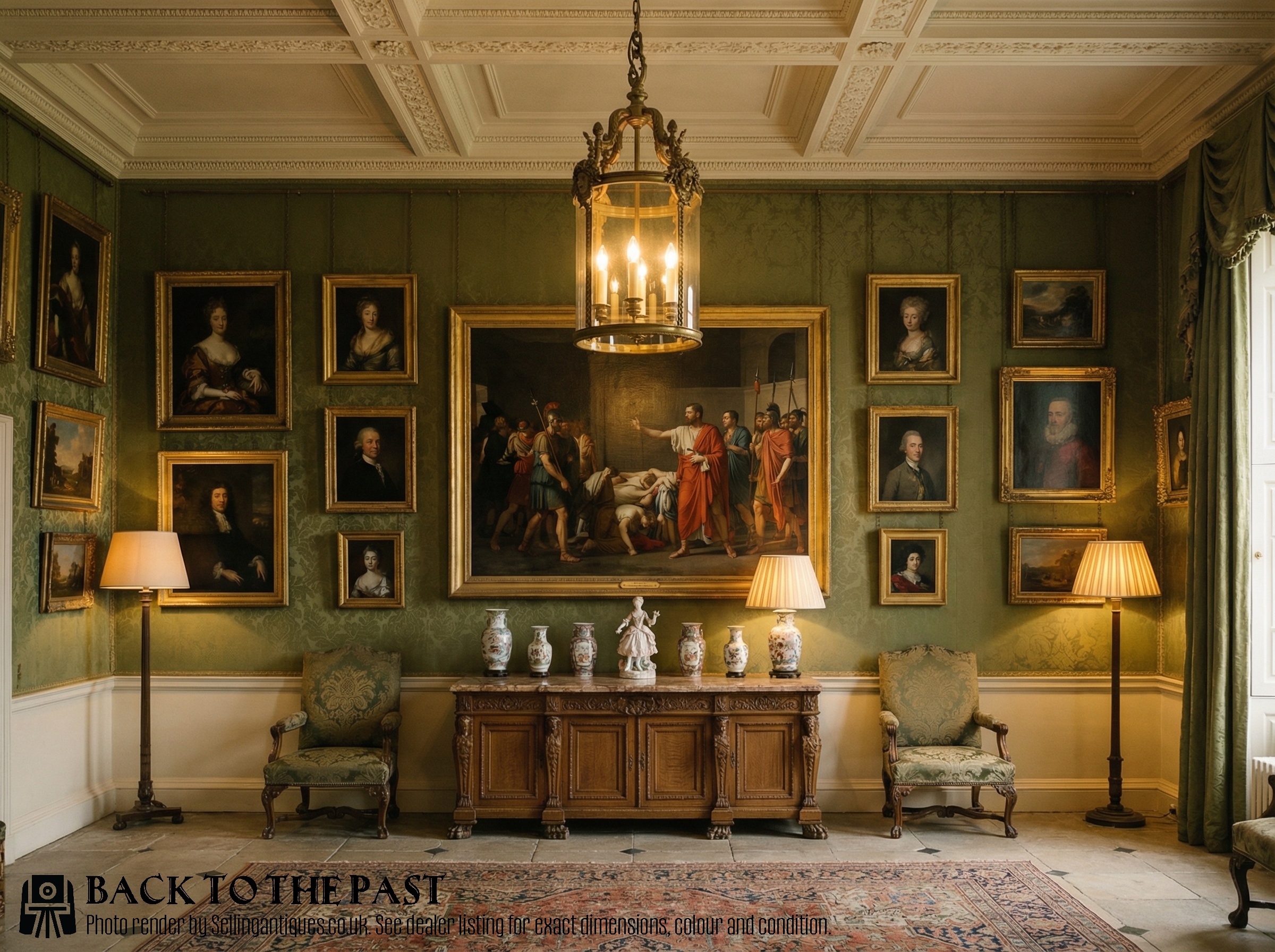
Neoclassical Bronze Pendant Light
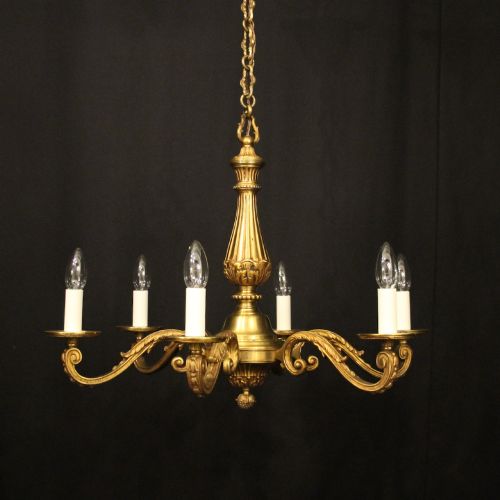
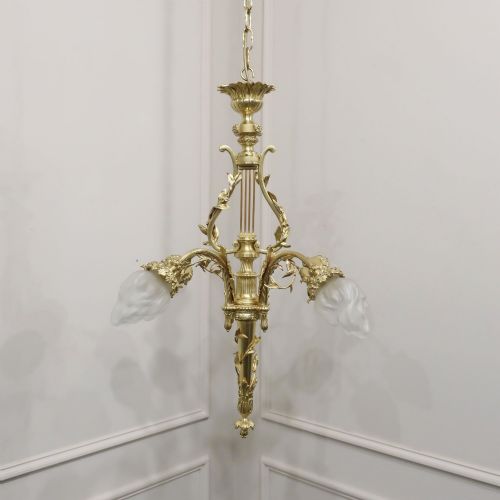
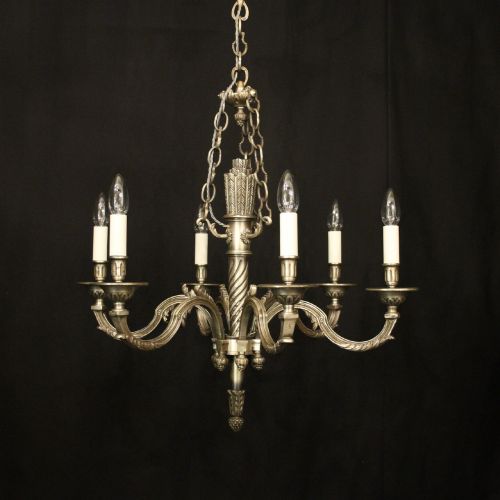
A neoclassical bronze pendant light is an elevated ceiling fixture rooted in historical design vocabularies. When searching for a neoclassical bronze pendant light, buyers encounter pieces that draw heavily on French influence and Empire aesthetics.
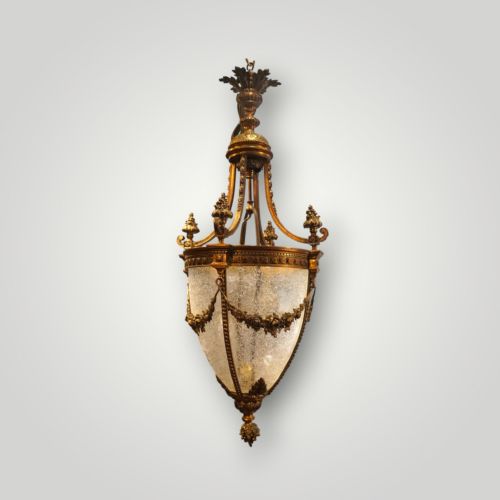
The selections on this page span several decades and centuries, ranging from the nineteenth century through the Edwardian era up to nineteen thirty. Common configurations include multi-armed chandeliers, hexagonal ormolu lanterns, and single shade hanging lights.
Most examples originate from French workshops, utilising rich metals and glass elements. These fixtures serve as central lighting statements that combine classical proportion with functional illumination.
What varies in quality
Quality in these lighting fixtures is determined by the crispness of the metal casting and the depth of the finish. Finely chased details on ormolu mounts and gilt bronze surfaces distinguish superior examples from simpler productions.
The integration of materials, such as the clarity of the glass and the structural integrity of multi-tiered frames, dictates the overall refinement of the piece. Superior construction ensures that heavy bronze components maintain both balance and aesthetic harmony.
Some lanterns proudly reference the Palace of Versailles, bringing royal corridor ambiance straight to your ceiling.
The Neoclassical Bronze Pendant Light Glossary
- Ormolu
- Gilded bronze produced by applying a mercury and gold amalgam to a bronze base, creating a rich golden surface. This technique was widely utilised in fine French decorative arts.
- Patinated bronze
- Bronze that has been chemically treated to alter its surface colour, producing dark brown or greenish tones. This treatment adds depth and highlights the underlying metal contours.
- Neoclassical
- A style reviving classical Greek and Roman artistic forms, characterised by symmetry, restraint, and classical motifs. It forms the core aesthetic for these pendant lights and lanterns.
- Hall lantern
- An enclosed hanging light designed specifically for entryways, vestibules, and corridors. These fixtures often feature glass panels held within a metal framework.
- Chandelier
- A branched ceiling light fixture designed to hold multiple light sources. Examples range from three-arm configurations up to large double-tiered variants holding nine lights.
Neoclassical Bronze Pendant Light: Frequently Asked Questions
Where should I hang a bronze pendant light?
These fixtures suit high-ceilinged entryways, grand hallways, and principal reception rooms where their vertical presence commands attention. They provide both ambient illumination and a distinct focal point.
Ensure the hanging height allows adequate clearance underneath while positioning the piece centrally within the architectural space to maintain proper visual balance.
How do I identify a French neoclassical light?
Look for characteristic design elements such as symmetrical arrangements, urn motifs, and classical foliate details. French pieces often employ gilt bronze or ormolu finishes.
Construction methods and material weights from the nineteenth and early twentieth centuries further help distinguish these continental fixtures from later reproductions.
How do I care for gilt bronze and ormolu?
Dust the metal surfaces gently with a soft, dry cloth to prevent the accumulation of dirt. Avoid abrasive cleaners or harsh chemicals that can strip the delicate gilt or patinated finish.
Professional handling is recommended for rewiring or deep cleaning to preserve the historical integrity of the piece.