


French Empire Frame
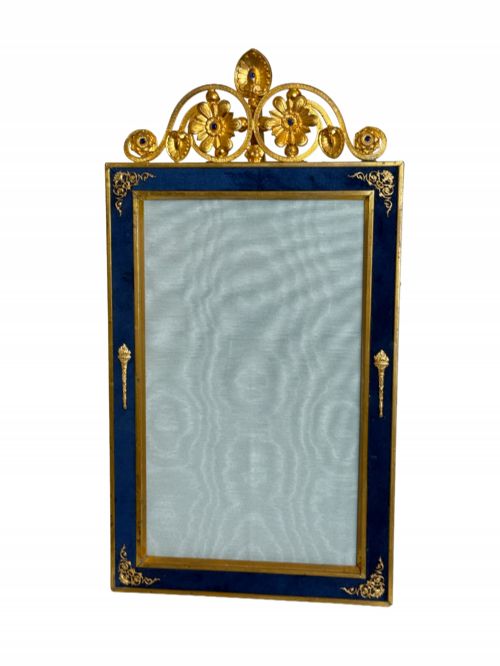
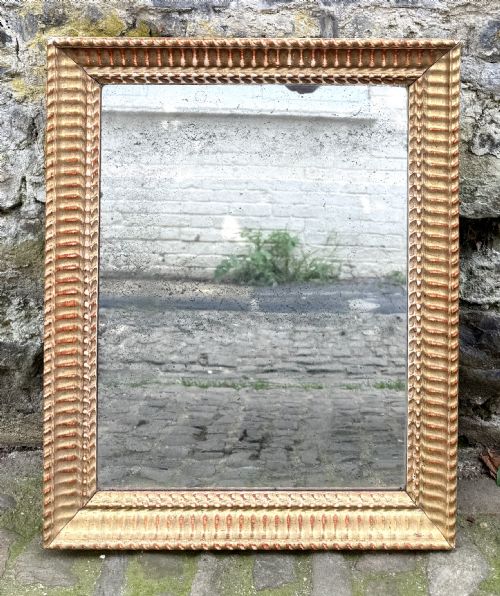
A french empire frame brings monumental classical proportion and rich gilding to mirrors, photographs and paintings.
French Empire Frame
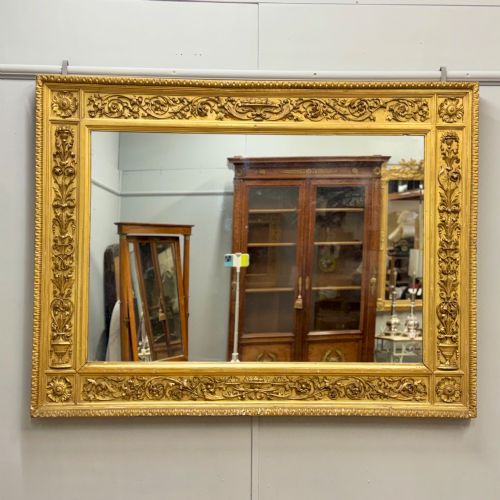
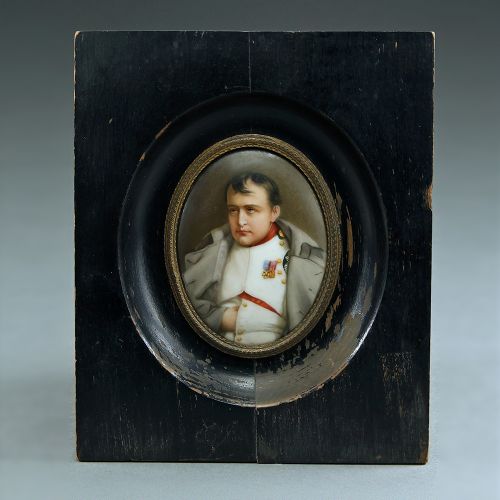
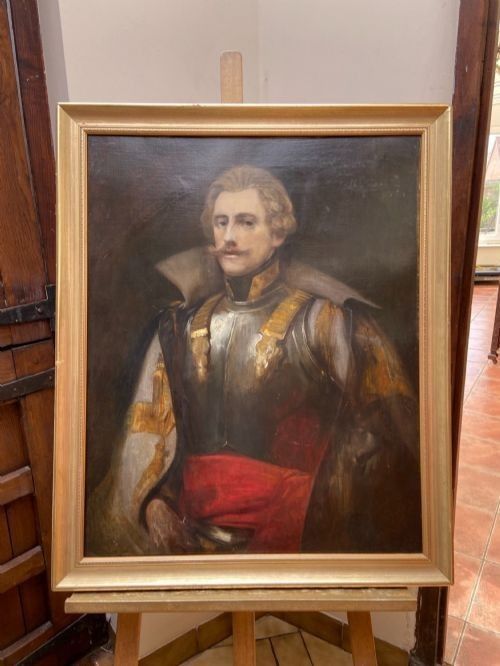
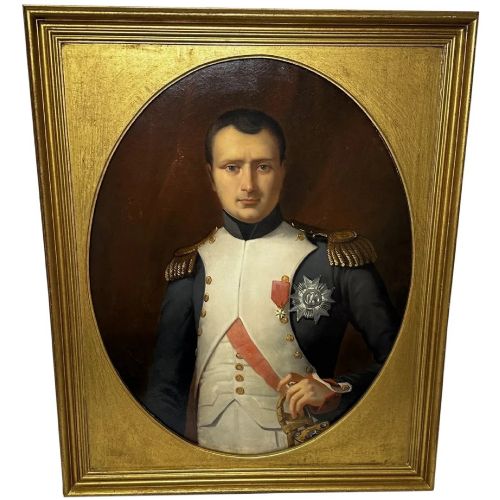
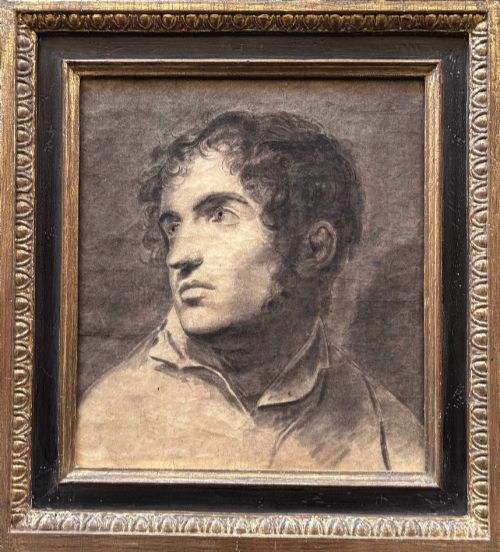
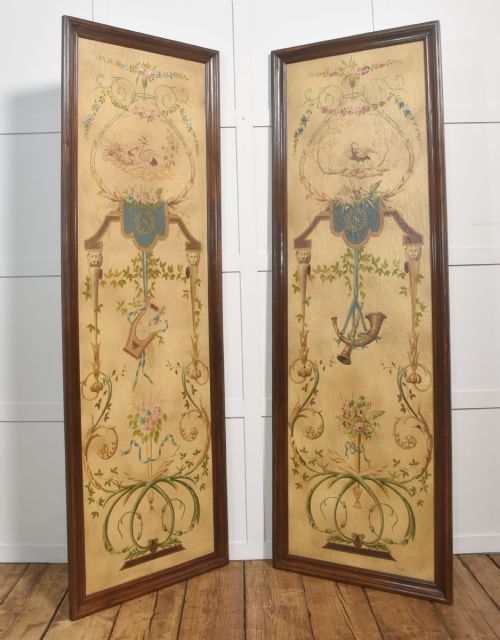
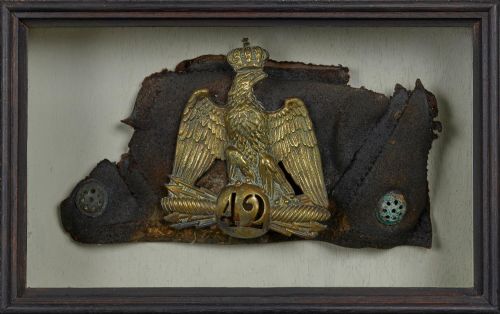
A french empire frame combines neoclassical symmetry with military and classical motifs drawn from early nineteenth century design. Buyers searching this phrase look for architectural moulding, deep cavetto profiles and burnished metal mounts.
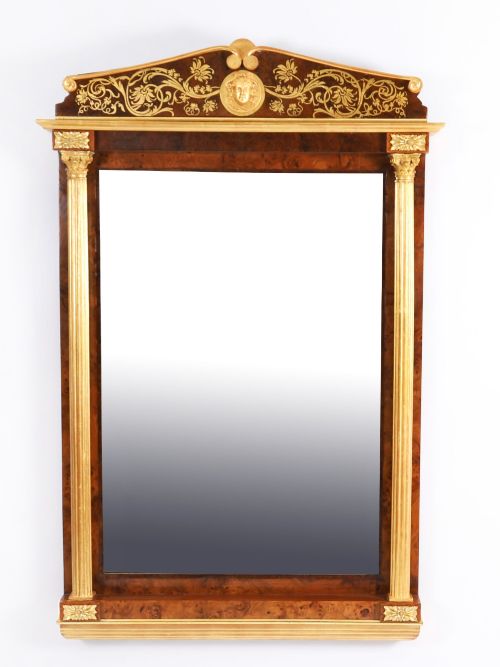
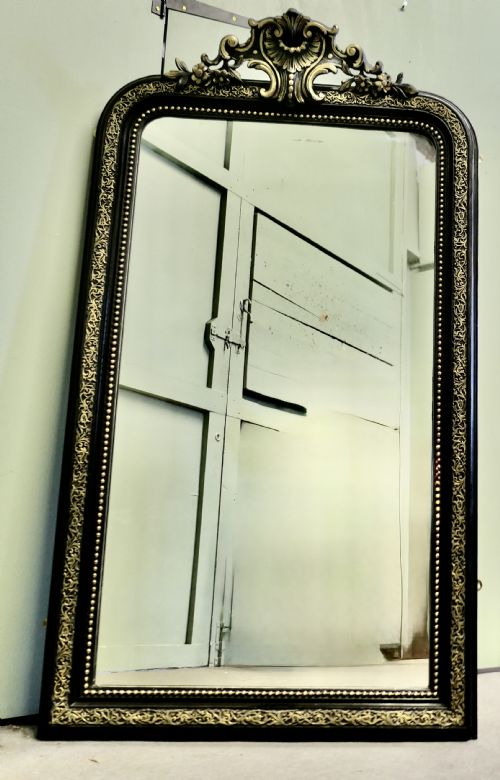
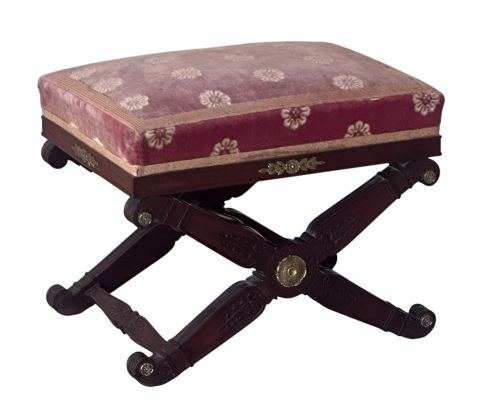
The most common examples on this page take the form of picture frames, photograph holders and wall mirrors built from wood and metal. Many pieces display the dark polished timber and applied gilt bronze characteristic of the period and its later revivals.
Makers drew on Roman and Greek iconography, placing laurel wreaths, palmettes and cherubs around the sight edge. These objects function as focal points in a room, designed to command attention through sheer visual weight and formal discipline.
How they were made
Carpenters constructed the primary carcass from dense timbers such as mahogany or fruitwood, often applying veneers in geometric grains. Giltwood examples rely on a foundation of carved wood built up with gesso before the application of gold leaf.
Ormolu and gilt brass mountings provide the characteristic metallic highlights, cast in detailed relief and fire gilded or polished. These metal elements were pinned or screwed directly to the wooden rails to accent corners and centres.
French Empire Frame Retail Price Guide 2026
Typical asking prices for french empire frame among the pieces listed under this phrase on Sellingantiques today, from the lower quarter to the upper quarter. They describe what is for sale here now, not the wider market.
Frames often enlist chubby winged cherubs to hold up your family photographs.
What varies in quality
Quality rests upon the crispness of the cast bronze mounts and the depth of the timber carvings. Superior examples show sharp relief in the ornament and careful hand chasing across the metal surfaces.
The integrity of the construction and the fidelity of the classical proportions separate standard production from masterwork pieces. Original gilding and untouched surface patination command greater appreciation among collectors.
Boin Taburet·Jean Baptiste Isabey·Paul Lelong
The French Empire Frame Glossary
- Ormolu
- Gilded bronze used for decorative mounts and fittings. This technique involves applying a mercury and gold amalgam to cast bronze before heating.
- Gesso
- A plaster mixture applied to wood frames to create a smooth surface for gilding. Carvers cut fine details directly into this layered compound.
- Cavetto
- A concave moulding profile often seen on deep picture frames. It draws the eye inward toward the central image or glass.
- Palmette
- A fan shaped ornamental motif resembling palm leaves. It forms a recurring element in classical and empire decorative schemes.
- Giltwood
- Wood that has been coated with thin sheets of gold leaf. This finish provides a bright reflective surface that catches interior light.
French Empire Frame: Frequently Asked Questions
How do I date a french empire frame?
Examine the timber construction, the method of joining at the corners and the composition of the gesso or bronze mounts. Early nineteenth century pieces show hand cut fixings and heavier wood shrinkage compared to later revivals.
Look closely at the style of the cast ornaments and the wear patterns on the gilding. Secondary woods at the back of the panel often provide clues to the exact manufacturing era.
Where should I hang a wall mirror version?
Position the piece above a fireplace mantel or a low commode where its architectural proportions can anchor the room. Ensure the wall fixings can support the substantial weight of the timber and metal construction.
Keep the piece away from direct sunlight and damp atmospheres to protect the delicate gold leaf and the integrity of the wooden frame.
Can I polish the ormolu mounts?
Avoid using harsh chemical cleaners or abrasive metal polishes on antique ormolu because they strip away the original fire gilding. Dust the surface gently with a soft dry brush to remove accumulated particles.
Consult a professional conservator if the metal requires deeper cleaning or stabilisation. Preserving the original surface patination is vital for maintaining the historical character.
What is the difference between original and revival pieces?
Original pieces date from the early nineteenth century during the reign of Napoleon, bearing the distinct wear and material characteristics of that specific era. Revival pieces emerge from later periods like the late nineteenth century or the art deco decades, copying the classic vocabulary.
Both categories display high craftsmanship, but collectors often look for the subtle tool marks and material density associated with the earliest workshops.