
French Dresser Cabinet
These french dresser cabinet examples span robust 18th-century oak and cherry designs to walnut sideboards, offering generous storage and distinct regional character.
French Dresser Cabinet
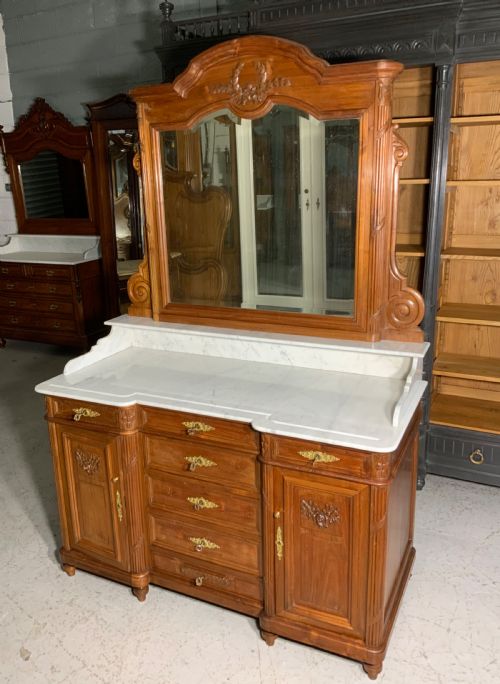
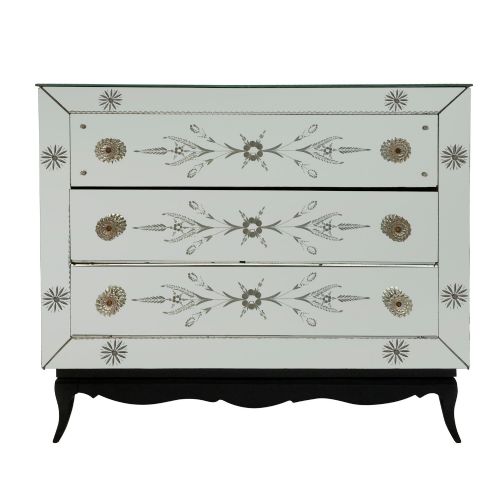
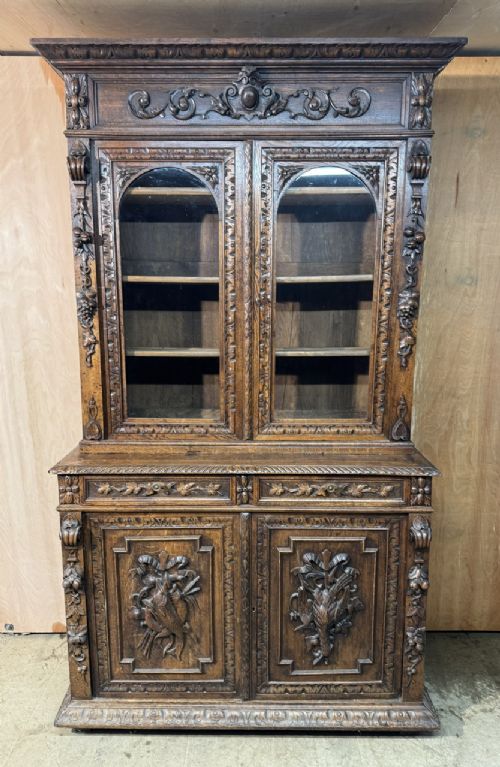
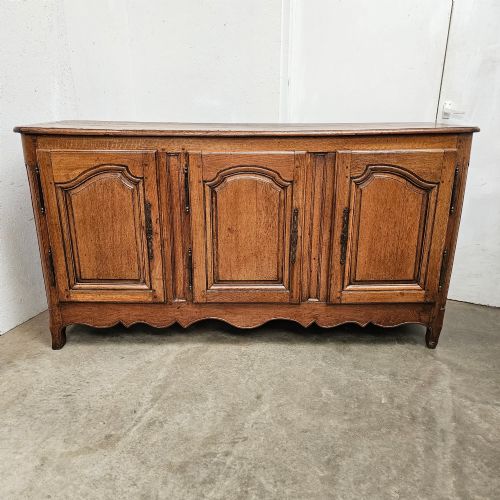
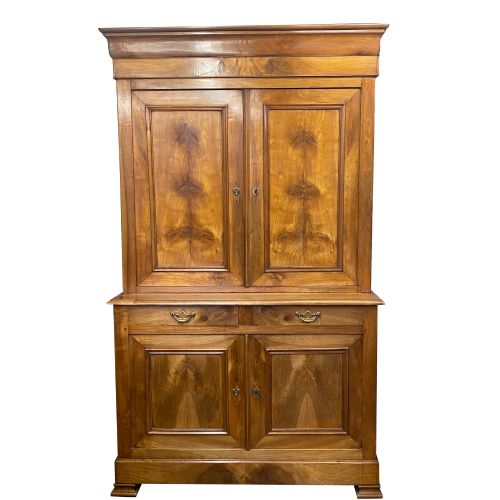
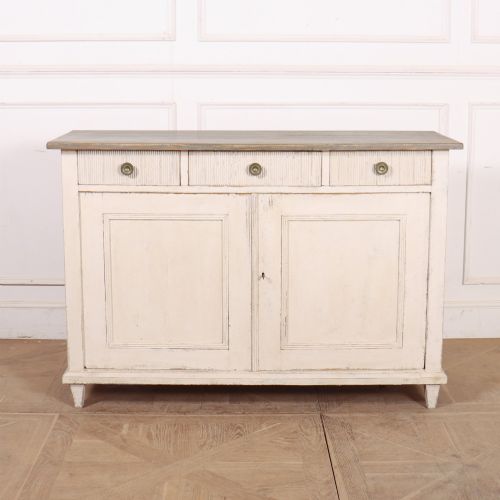
When buyers search for a french dresser cabinet, they encounter a diverse group of storage furniture spanning the eighteenth and nineteenth centuries, alongside early twentieth-century interpretations. These include imposing oak buffets deux corps, practical housekeepers cupboards in cherry or pine, and marble-topped walnut sideboards.
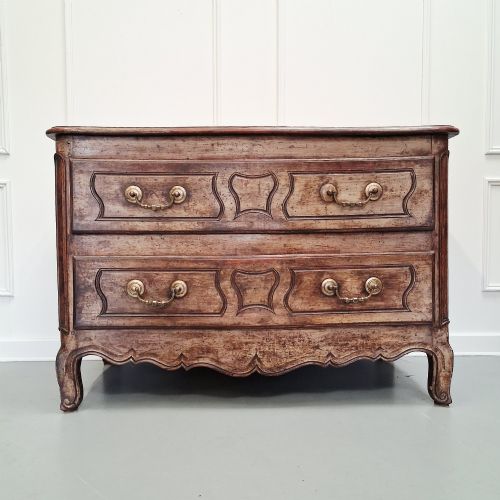
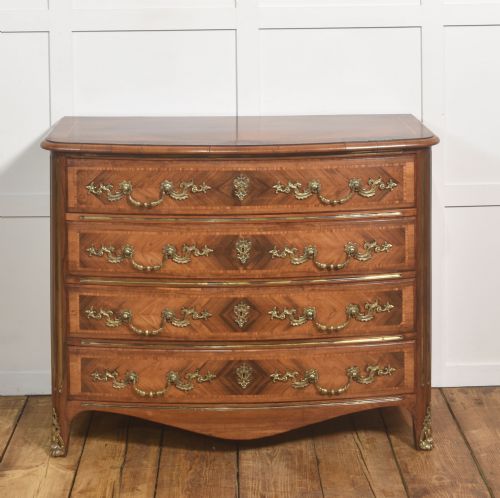
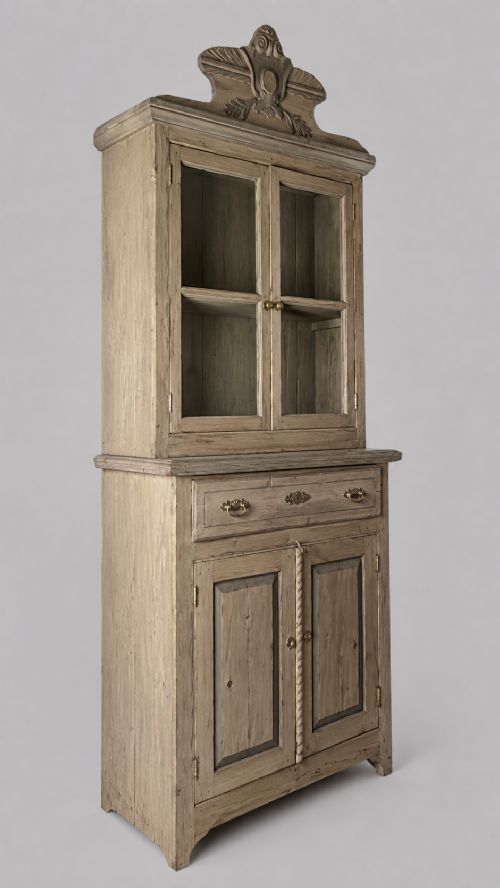
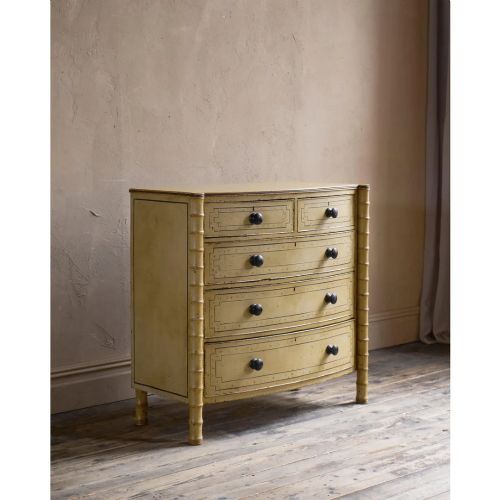
The pieces on this page lean heavily toward provincial and country workshops rather than metropolitan ateliers. Buyers most frequently meet two-part cupboards, commodes with serpentine fronts, and glazed kitchen dressers that served practical domestic storage needs in French homes.
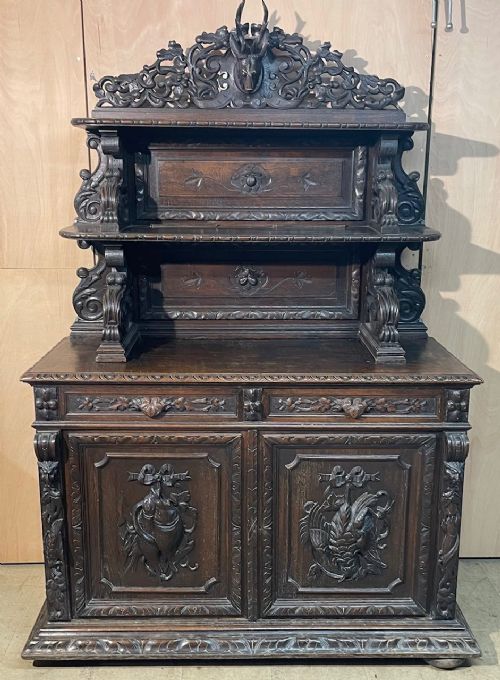
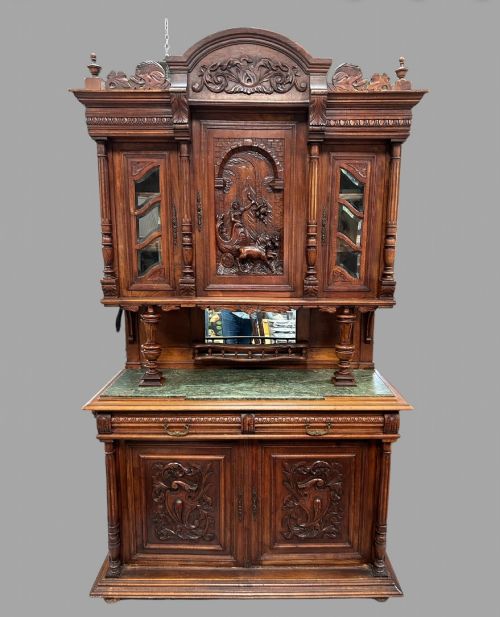
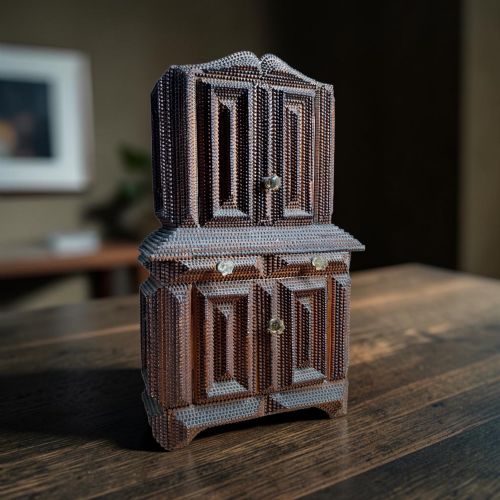
Regional variations shape these forms, ranging from the rustic charm of tramp art buffets to the formal lines of Louis XV style marquetry and Renaissance Revival carving. Each piece reflects the specific utility of its era, whether for holding kitchen provisions or displaying household china.
Materials and construction
Solid hardwoods form the backbone of these pieces, with oak, walnut, cherry and fruitwood predominating in older items, while pine and painted wood serve utilitarian country pieces. Cabinetmakers utilised traditional joinery methods such as mortise and tenon to build frames capable of supporting heavy loads of crockery or provisions.
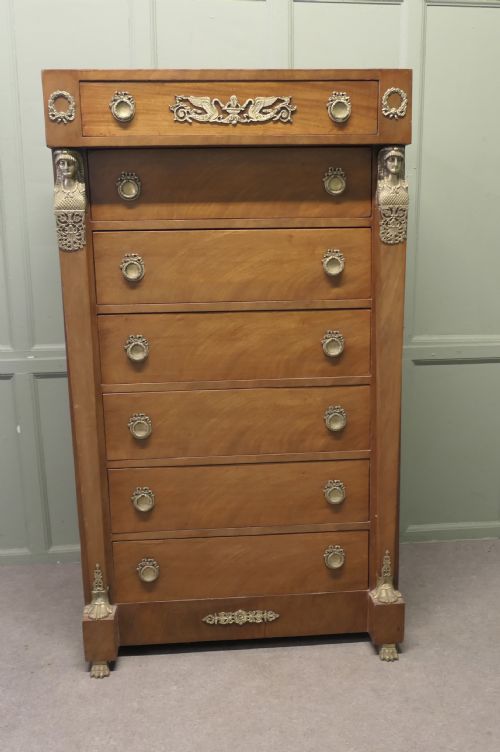
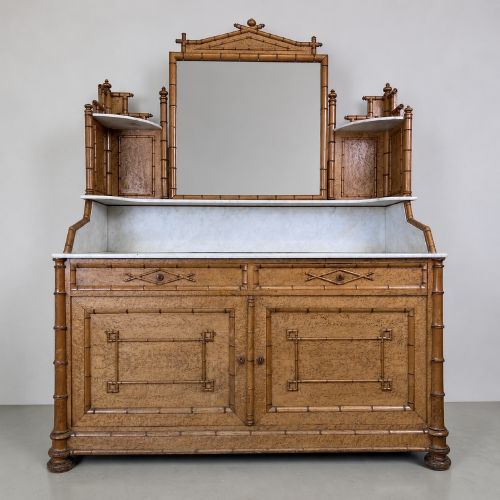
Surface finishes vary from waxed oak and polished walnut to painted finishes and delicate parquetry or marquetry patterns. Integrated materials like white marble tops and brass handles appear frequently on nineteenth-century commodes and sideboards, adding durability and contrast to the timber.
Several rustic pieces retain traces of flour behind their drawer runners from generations of enthusiastic country baking.
What sets examples apart
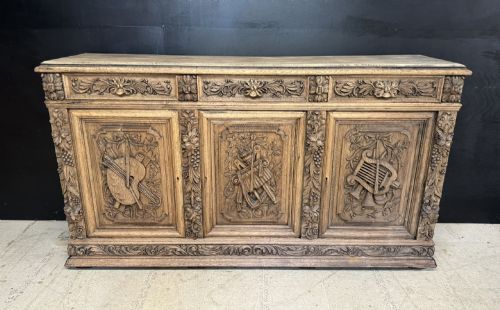
Depth of carving and subtlety of proportion separate standard utility cupboards from ambitious salon pieces. The sharpness of hand-carved motifs on hunting cabinets and the precision of serpentine curves on commodes reveal the hand of a skilled artisan.
Originality of surface and hardware dictates the integrity of a piece. Retained original marble tops, period brass mounts, and untouched aged patina elevate a cabinet above examples that have undergone extensive timber replacement or unsympathetic modern stripping.
The French Dresser Cabinet Glossary
- Buffet deux corps
- A tall two-piece cupboard comprising a lower sideboard base surmounted by an upper cabinet section. This form typically provided substantial storage for household linen and tableware in provincial dining rooms.
- Commode
- A low chest of drawers or cabinet designed for domestic bedrooms or reception rooms. French examples often feature serpentine fronts and marble tops.
- Enfilade
- A long sideboard or buffet featuring three or more doors in a continuous line. These substantial pieces originated in large dining rooms for serving food.
- Marquetry
- Decorative veneer work arranged in geometric or pictorial patterns on the surface of furniture. Cabinetmakers applied thin slices of tinted wood to create detailed motifs on panels and drawer fronts.
- Serpentine
- A furniture front curved in a wave-like shape, turning outward in the centre and inward at the sides. This technique required precise woodworking skill to execute cleanly on solid timber drawers.
French Dresser Cabinet: Frequently Asked Questions
How do I date an old oak cupboard?
Examine the construction methods visible inside the panels and drawer linings, noting hand-cut dovetails and pegged joinery rather than modern screws. Timber selection and the style of any carved ornamentation also offer strong clues to the decade of manufacture.
Compare the overall proportions and hardware with documented examples from the same region. The presence of tool marks left by pit saws or adzes confirms eighteenth or early nineteenth-century production.
Were these cabinets used in kitchens?
Many pine and fruitwood housekeepers cupboards and kitchen dressers served strictly utilitarian roles for storing dry goods, utensils, and crockery. Their robust construction and shelving made them ideal daily workhorses for rural households.
Grand walnut enfilades and marble-topped sideboards, by contrast, belonged in formal dining rooms or reception spaces. Their primary function was serving food and displaying silver rather than food preparation.
How do I care for marble tops?
Wipe marble surfaces promptly with a soft, damp cloth and mild neutral soap to prevent staining from acidic liquids like wine or vinegar. Avoid abrasive cleaning powders that scratch the polished stone finish.
Apply a specialised stone sealer periodically to protect the porous marble from moisture and grease marks. Gentle polishing with a dry microfiber cloth maintains the natural lustre.
What is provincial furniture?
Provincial furniture refers to pieces made in the regions outside Paris, reflecting local tastes, available regional timbers, and traditional craft methods. These items often display simpler lines than metropolitan court pieces while retaining high functional utility.
Makers utilised local fruitwoods, ash, and elm alongside oak, adapting high-style court designs into sturdy domestic forms. This regional independence gives country pieces their distinct character.