

French Country Refectory Table
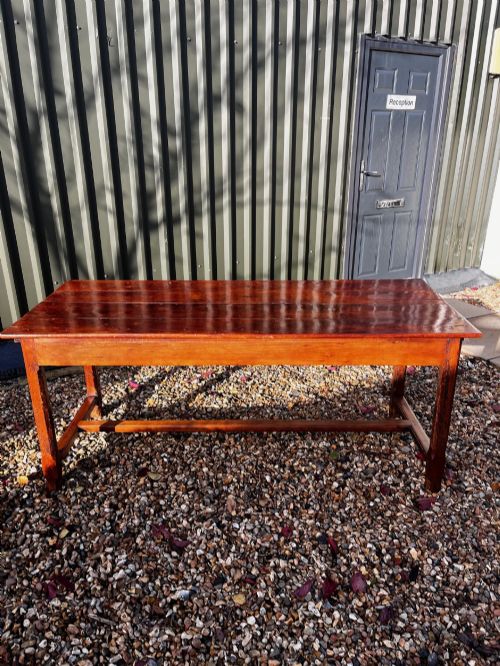
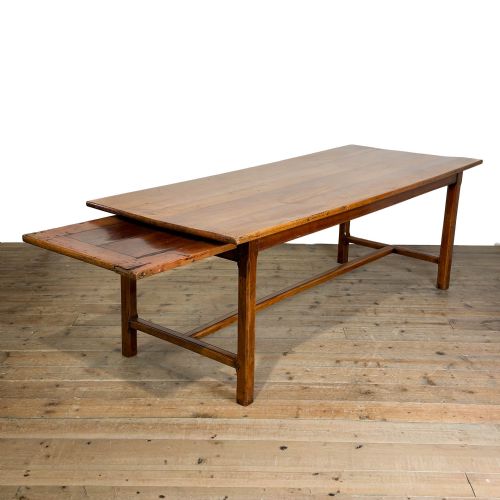
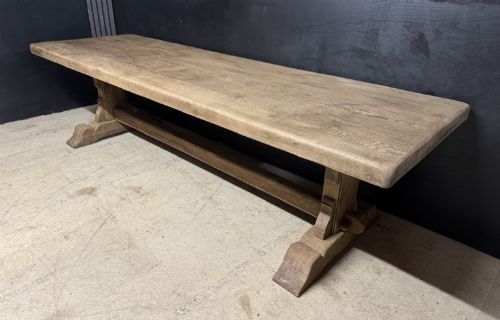
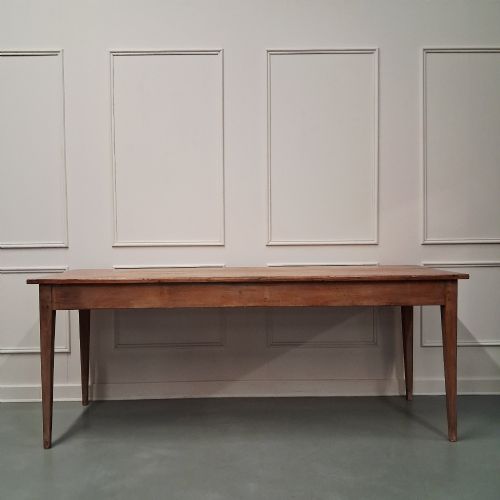
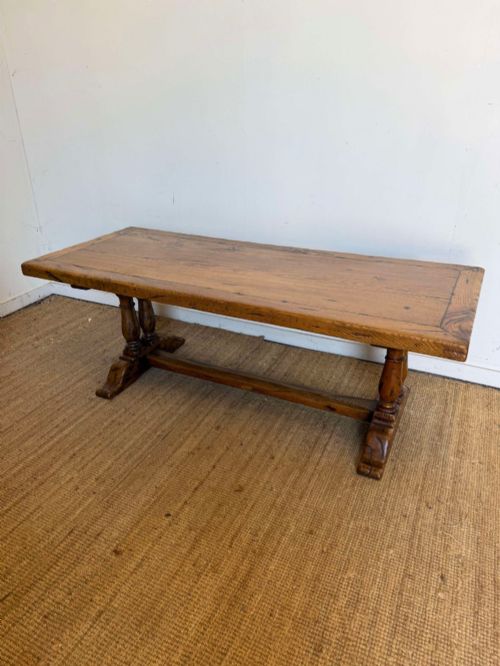
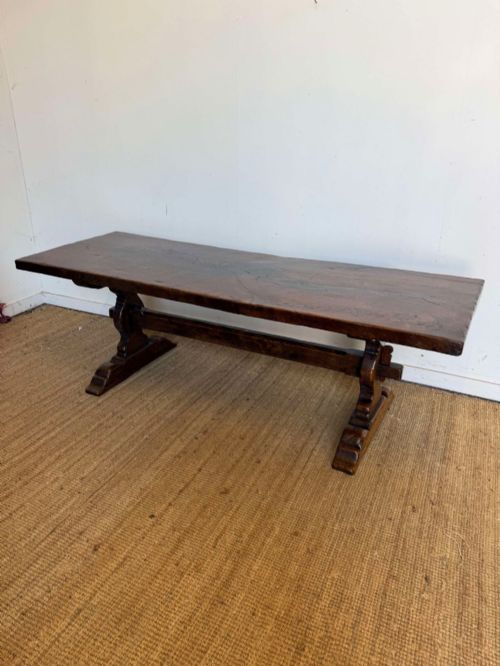
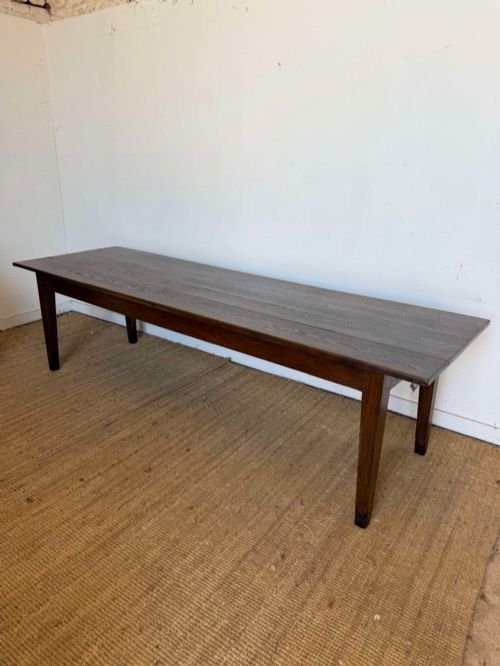
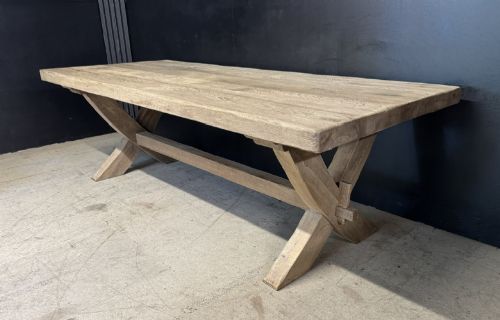
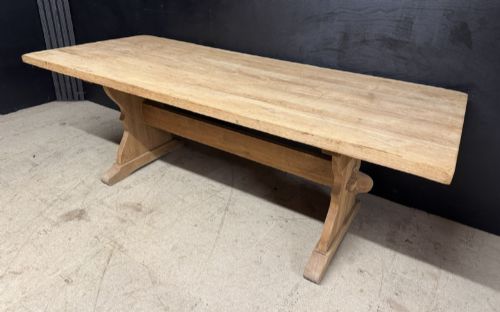
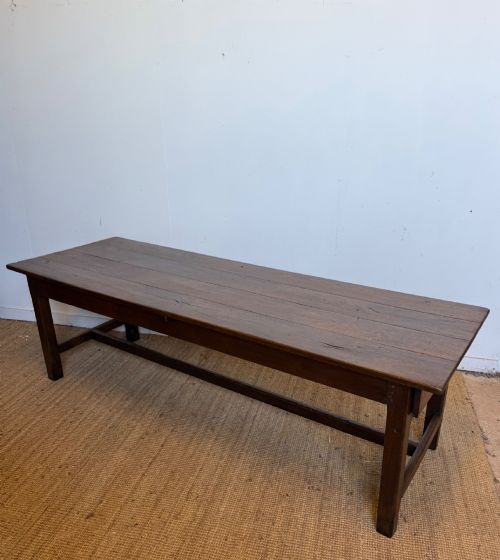
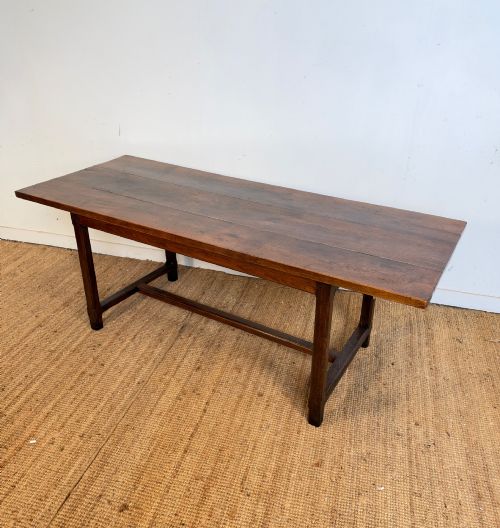
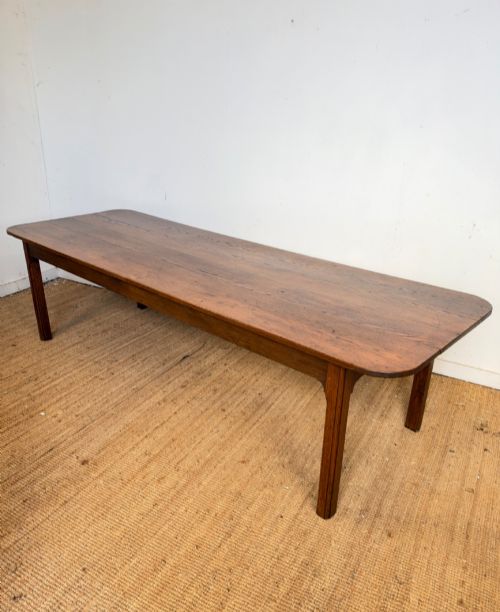
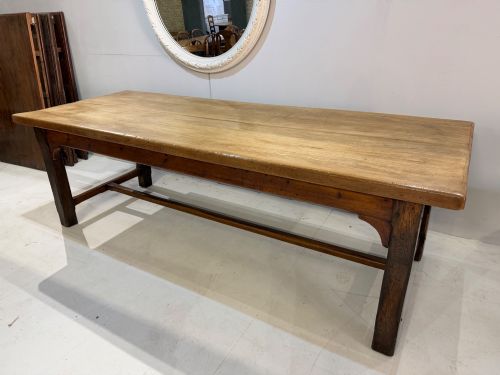
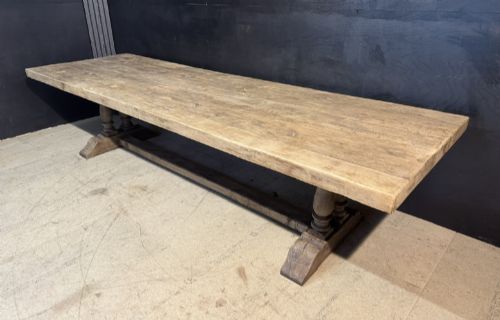
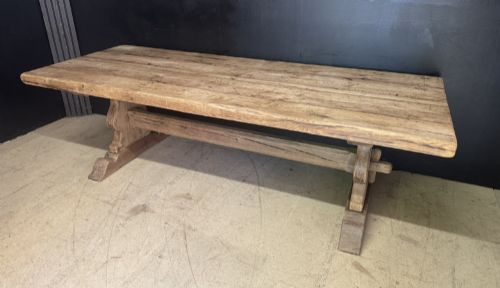
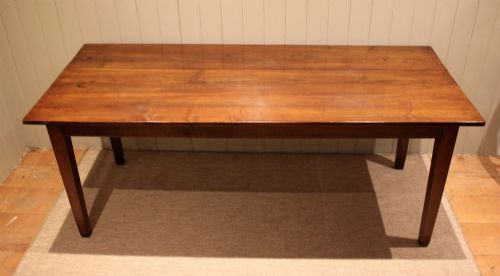
A French country refectory table delivers heavy timber construction and generous proportions, built for communal dining and farmhouse kitchens.
French Country Refectory Table
When you search for a french country refectory table, you encounter substantial dining furniture designed for large households and long-term utility. The pieces seen on this page span the nineteenth century, including specific dates around eighteen hundred and nineteen ninety, reflecting robust provincial craftsmanship.
The primary forms take shape as farmhouse tables, dining tables, and kitchen tables with long rectangular tops. Many examples incorporate drawers or expansive lengths reaching up to nearly four metres, serving utilitarian domestic spaces across rural France.
Materials and construction
Makers utilised solid timbers sourced locally, frequently working with oak, fruitwood, cherrywood, beech, elm, pear wood, pine, and general timber. These woods provided the necessary structural integrity to support heavy daily use without warping under normal conditions.
Joinery techniques relied on straightforward carpentry traditions suited to rustic workshops. Iron components sometimes reinforced the wooden frames, ensuring stability across boards and stretching lengths.
French Country Refectory Table Retail Price Guide 2026
Typical asking prices for french country refectory table among the pieces listed under this phrase on Sellingantiques today, from the lower quarter to the upper quarter. They describe what is for sale here now, not the wider market.
Some tables are so long they practically require a passport just to pass the salt across to the other end.
Distinctions in quality
The choice of primary wood dictates much of the character, where dense hardwoods like oak and cherrywood command greater presence than softer pine or mixed timber. Grain pattern maturity and the depth of natural patina acquired through decades of domestic service separate standard utility boards from superior provincial survivals.
Proportion and scale also define the hierarchy of these tables, particularly in exceptionally long formats designed for ten or more diners. Superior examples maintain structural harmony across expansive lengths without excessive sagging or clumsy reinforcement.
The French Country Refectory Table Glossary
- Refectory table
- A long narrow dining table originally built for monastic dining halls and later adapted for domestic farmhouse use. These pieces emphasise length and sturdy underframes.
- Fruitwood
- Timber harvested from fruit-bearing trees such as pear, cherry, or apple, known for fine grain and warm colour. Makers valued it for provincial furniture.
- Farmhouse table
- A heavy utilitarian table built for daily kitchen and dining tasks. They often feature simple aprons and robust legs.
- Patina
- The surface sheen and colour depth developed through age, use, and polishing. This characteristic signals long service in a domestic setting.
French Country Refectory Table: Frequently Asked Questions
What defines a refectory table?
A refectory table is characterised by its long, narrow proportions designed to seat many people along communal dining spaces. These tables originated in monastic settings before becoming staples in rural farmhouses.
The listings show nineteenth century examples constructed from sturdy timbers like oak, fruitwood, and cherrywood. Their length and simple underframes distinguish them from standard domestic tables.
Which woods were used?
Makers constructed these tables from local timbers available in provincial regions, relying heavily on hardwoods for durability. Oak, fruitwood, cherrywood, beech, and elm appear frequently in the record.
Softer woods like pine and general timber also occur in the evidence. Each material ages differently, contributing distinct grain patterns and surface tones over time.
How long are these tables?
These tables often span significant lengths to accommodate large gatherings in country kitchens and dining rooms. Certain archival pieces measure up to eight and a half feet, while other current listings reach nearly four metres.
Such dimensions make them practical focal points for large open spaces. Their generous proportions reflect their original domestic purpose.
Do they feature drawers?
Some examples incorporate built-in storage drawers beneath the tabletop for domestic utensils. This practical addition appears in specific nineteenth century beech farmhouse tables.
Drawers provided convenient access to cutlery in busy provincial kitchens. Their presence varies depending on the specific regional workshop and intended use.