


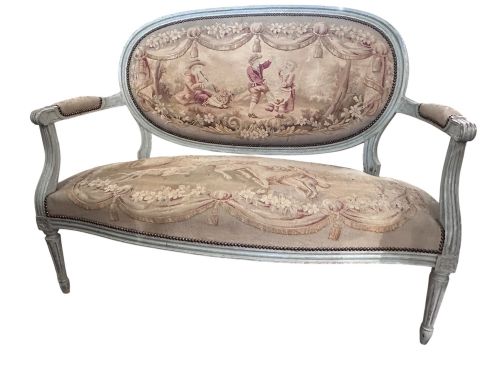


French Country Canape
A French country canapé brings relaxed continental elegance to a room, offering generous seating rooted in historic provincial design.
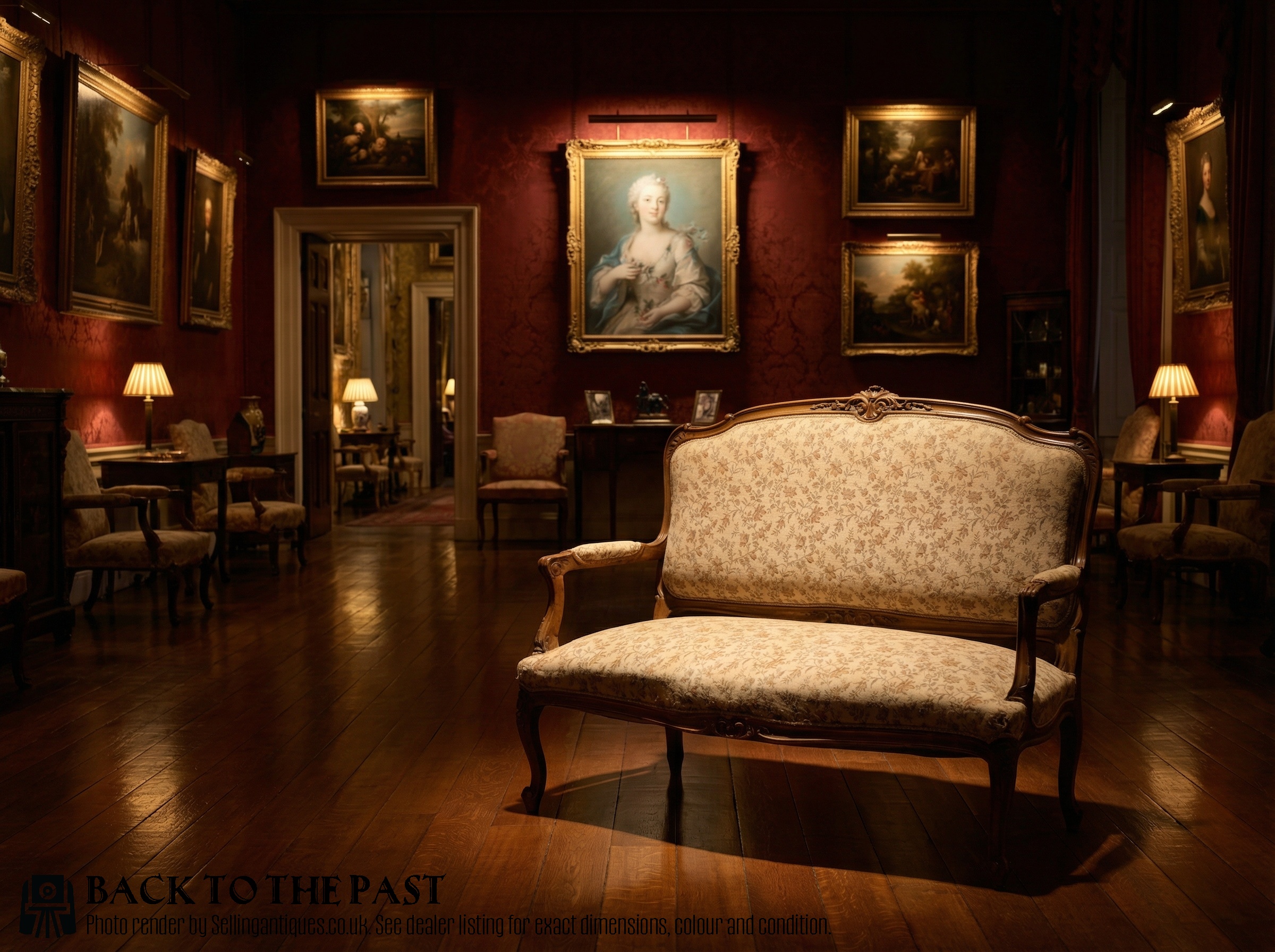
French Country Canape
When you search for a French country canapé, you are looking at upholstered or caned seating designed for grand salons and provincial homes alike. These pieces function as settees, daybeds, and two-seater sofas originating predominantly from the nineteenth century.
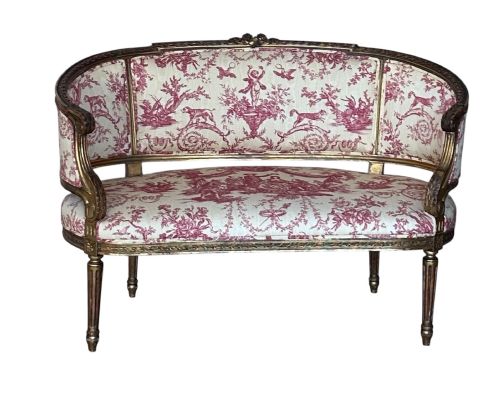
You will most frequently encounter Louis XV and Louis XVI revival styles on this page, often featuring curved wooden frames or straight tapered legs. They range from small end-of-bed settees to large salon sofas suited for principal reception rooms.
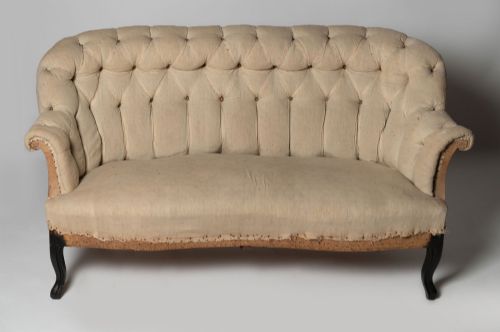
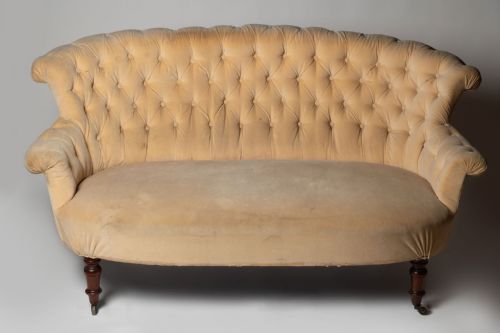
The aesthetic bridges formal chateau luxury and rustic provincial charm, utilising painted, giltwood, or natural wood finishes. Many examples arrive ready for new upholstery or retain period textiles such as velvet, linen, and tapestry.
Materials and construction
The structural framework relies on traditional timbers such as walnut, beech, fruitwood, and giltwood, carved by hand to form flowing contours. Cabinetmakers shaped these hardwoods to support sweeping backs and serpentine rails without modern adhesives.
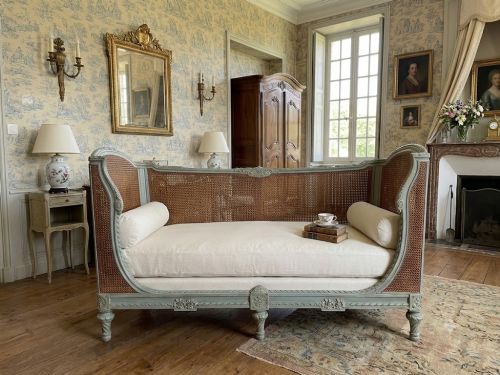
Cane panels appear frequently in backrests and side panels, woven tightly from natural materials to provide lightweight durability. Textile applications involve traditional stuffing methods beneath surface layers of linen, silk, velvet, or tapestry.
French Country Canape Retail Price Guide 2026
Typical asking prices for french country canape among the pieces listed under this phrase on Sellingantiques today, from the lower quarter to the upper quarter. They describe what is for sale here now, not the wider market.
The inventory includes styles spanning Louis XV and Louis XVI revivals, French Provincial, and Directoire designs.
Assessing quality and finish
Depth and crispness of hand-carved ornamentation dictate the standing of a frame, separating mass-produced nineteenth-century items from finer cabinetwork. The choice of primary timber, from humble fruitwood to rich walnut and gilded surfaces, marks the intended status of the seating.
Integrity of the structural joints and the retention of original woven cane determine the resilience of the piece over time. Finer examples display harmonious proportions where the natural grain of the wood or the gilding complements the upholstery lines.
The French Country Canape Glossary
- Canapé
- A traditional French term for a long settee or sofa, typically featuring an upholstered back and seat supported on four or more legs.
- Giltwood
- Timber treated with a thin layer of gold leaf, frequently applied to formal nineteenth-century salon furniture for a reflective, ornate finish.
- Cane
- Strips of rattan or similar plant material woven into an open mesh pattern, used to form breathable backrests and panels on seating.
- Bergère
- An enclosed upholstered armchair or settee with wooden frames and upholstered sides, often paired with a loose seat cushion.
- Louis XV Style
- A revival design movement characterised by asymmetric curves, cabriole legs, and naturalistic floral carvings originating from eighteenth-century aesthetics.
French Country Canape: Frequently Asked Questions
How do I use a canapé in a modern home?
A French country canapé works well as a statement seat in a living room, hallway, or bedroom. Its compact two-seater proportions allow it to fit comfortably where standard modern sofas prove too bulky.
Pair the piece with neutral walls to let the carved wooden frame stand out. Many owners use them for reading corners or at the foot of a large bed.
Are these sofas comfortable for daily lounging?
Original nineteenth-century seating was built with firmer internal stuffing techniques than modern equivalents. Expect a supportive, upright sit rather than a deep, slouching lounge experience.
Comfort levels depend heavily on the internal webbing and padding condition. Some pieces require professional reupholstery to achieve desired softness for everyday use.
What is the difference between Louis XV and Louis XVI styles?
Louis XV pieces feature flowing serpentine lines, cabriole legs, and organic floral carvings. The overall aesthetic feels curved, romantic, and distinctly fluid.
Louis XVI furniture introduces neoclassical restraint with straight tapered legs, fluted columns, and geometric symmetry. This style reflects a shift toward archaeological precision and straight lines.
How do I maintain antique cane panels?
Natural cane requires moderate humidity to prevent drying and snapping. Avoid placing these settees directly against heat sources or in strong, direct sunlight.
Clean the weave gently with a soft brush and damp cloth without soaking the material. Proper care keeps historic woven panels flexible across decades of use.