

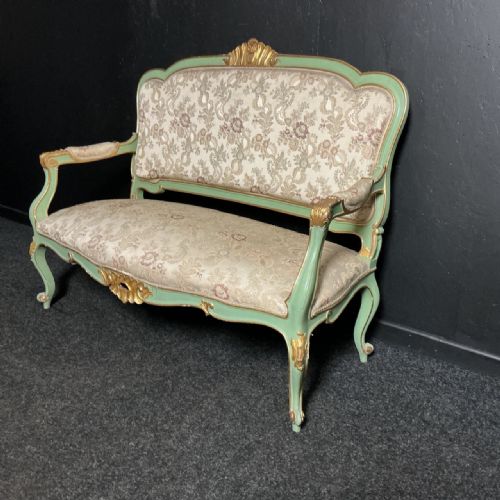
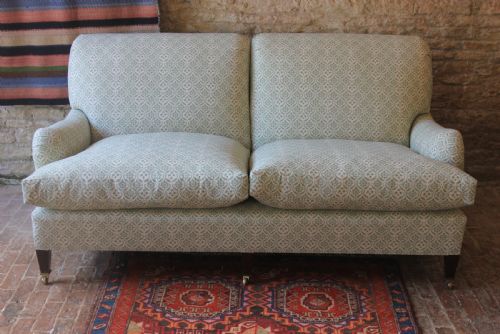
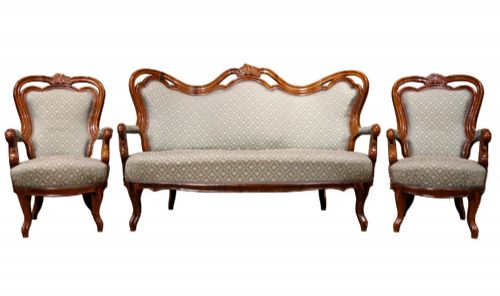
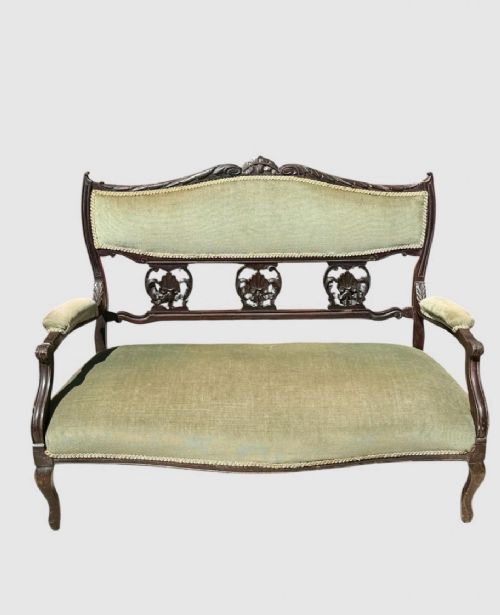


Green Upholstered Settee
A green upholstered settee brings texture and period character to a room, offering generous seating rooted in history.
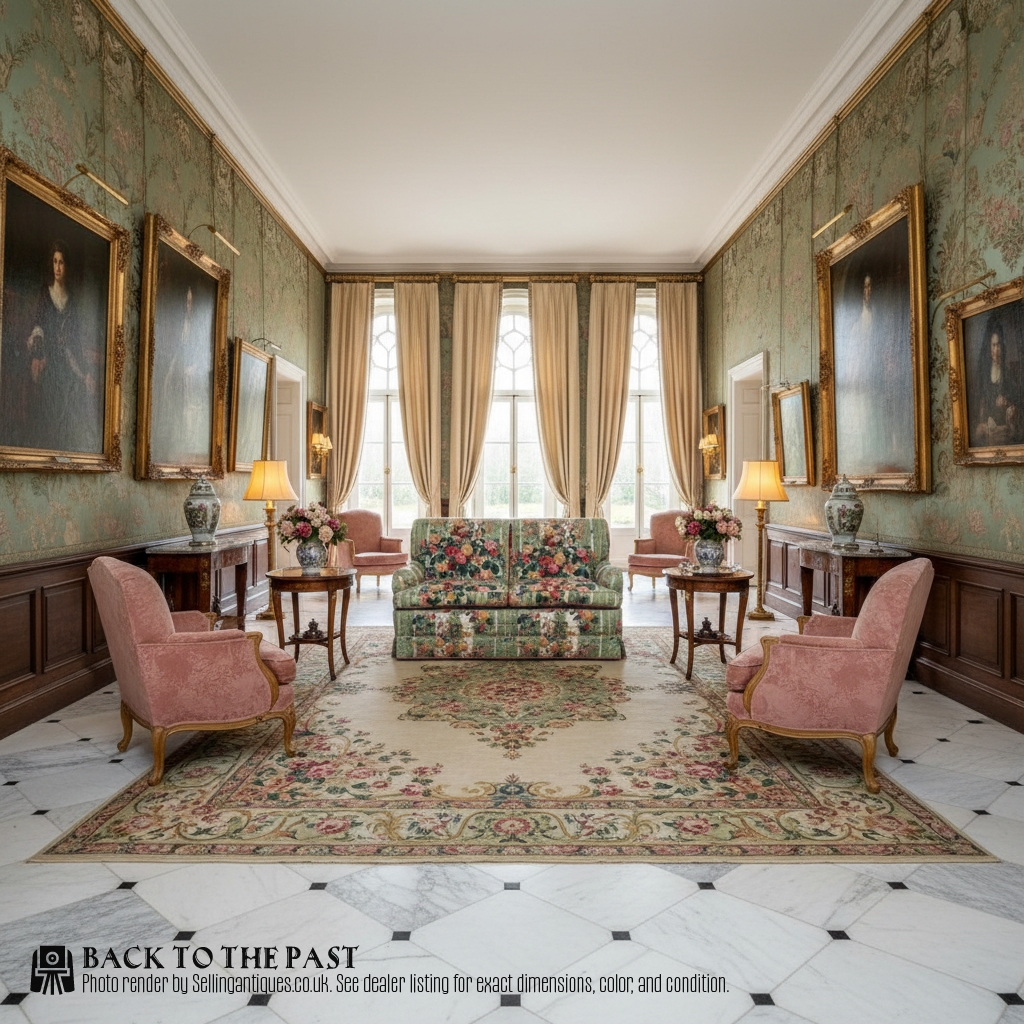
What a green upholstered settee is
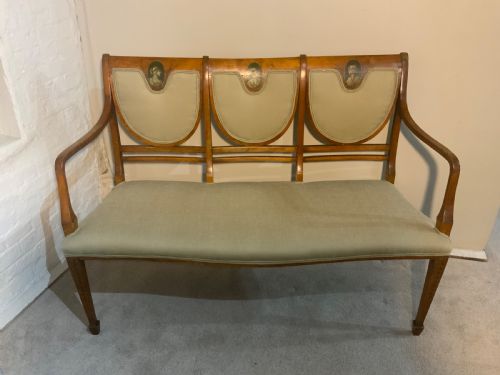
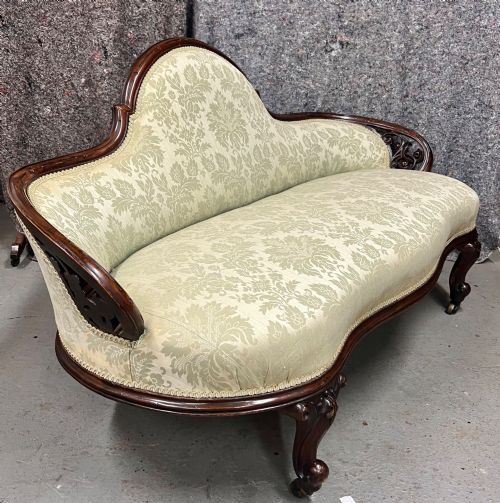
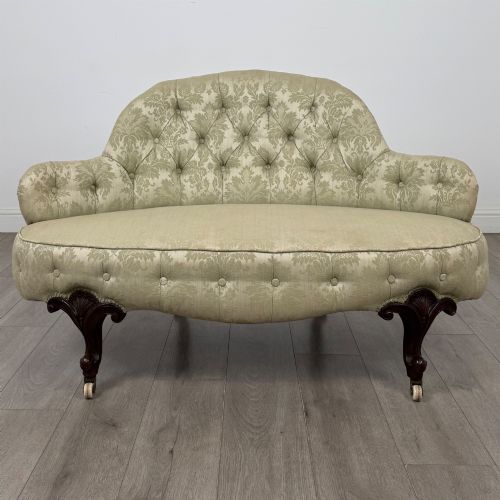
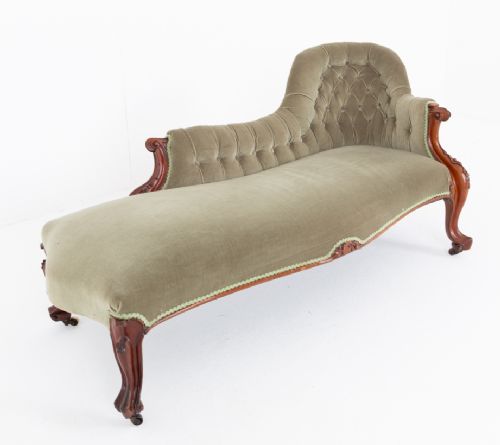
A green upholstered settee spans multiple centuries and design revivals, offering comfortable seating with distinct historical frameworks. When you search for a green upholstered settee, you encounter pieces framed in walnut, mahogany, satinwood, and cane.
The selections on this page range from Victorian mahogany pieces and early twentieth century creations to revival styles like Louis XVI, Sheraton, Queen Anne, and Rococo. These items combine timber frames with plush fabric or cotton chintz upholstery to anchor a living space.

How they were made
Makers constructed these frames from solid timbers including walnut, mahogany, and satinwood, often employing intricate hand carving on the wood. Caning was utilised for open back panels and seat bases on specific revival models.
Upholstery techniques combined traditional padding with materials like cotton chintz, plush fabric, and feather fill interiors to ensure soft seating. Painted finishes also appear on select satinwood frameworks.
Retail Price Guide 2026
Typical UK retail prices for green upholstered settee, calculated from the Sellingantiques database of over a million retail prices indexed since 2003. This retail price guide relies exclusively on Sellingantiques data; no external sources or auction records are used, so the figures do not describe the wider market.
One early twentieth century sofa arrived upholstered by Colefax and Fowler, bringing distinct twentieth century interior pedigree to an older form.
What varies in quality
Quality rests in the crispness of the timber carving and the architectural balance of the frame, whether following Louis XVI, Sheraton, or Rococo lines. Superior examples display dense, well-figured walnut or mahogany and finely worked cane panels.
The standard of upholstery and interior filling defines the comfort and longevity of the piece, distinguishing simpler frames from masterworks with feather fill and premium fabric.
The Green Upholstered Settee Glossary
- Caning
- Woven rattan or split cane utilised for seat panels and chair backs. This technique lightens the visual weight of heavy timber frames.
- Satinwood
- A pale, lustrous hardwood often used for fine cabinetmaking and decorative painted furniture. It provides a smooth canvas for delicate surface artwork.
- Feather fill
- Traditional upholstery stuffing utilising natural feathers for softness. It offers a pliable and luxurious cushion interior.
- Rococo Revival
- A nineteenth century style emulating the elaborate curves, asymmetry, and ornamentation of the mid eighteenth century. It favours natural motifs and scrollwork.
Frequently Asked Questions
What periods do these settees come from?
The listings include Victorian pieces alongside early twentieth century items. Revival aesthetics draw inspiration from older eras.
Craftsmanship spans from mid nineteenth century Victorian work through to nineteen-thirty creations.
Which wood types are used?
Frames are primarily constructed from walnut and mahogany. Satinwood also appears on select decorated items.
Timber selection often defines the stylistic period and visual weight of the frame.
How do I identify a revival style?
Revival pieces borrow decorative motifs from earlier reigns like Louis XVI or Queen Anne. Carvings and silhouettes mimic those historical eras.
Cabinetmakers of the Victorian and Edwardian periods reinterpreted these classic forms.
What fabrics cover these frames?
Upholstery materials include plush fabric and cotton chintz. Interior comfort relies on traditional padding and feather fill.
Fabric choices often reflect both the original period and later interior design updates.