




French Classical Sculpture
French classical sculpture brings classical mythology and heroic figures into bronze and marble, offering enduring forms for collectors of period art.
French Classical Sculpture
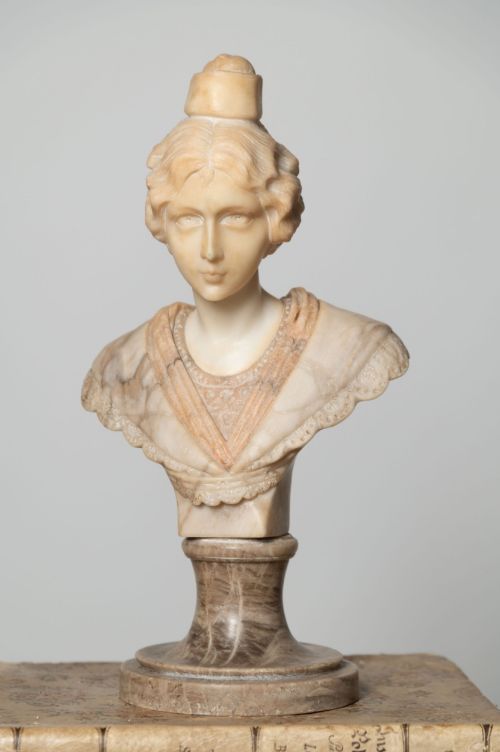
French classical sculpture encompasses figural bronzes, marble busts, and decorative architectural mounts created across the nineteenth and early twentieth centuries. These works draw heavily on neoclassical aesthetics, ancient mythological subjects, and historical figures.
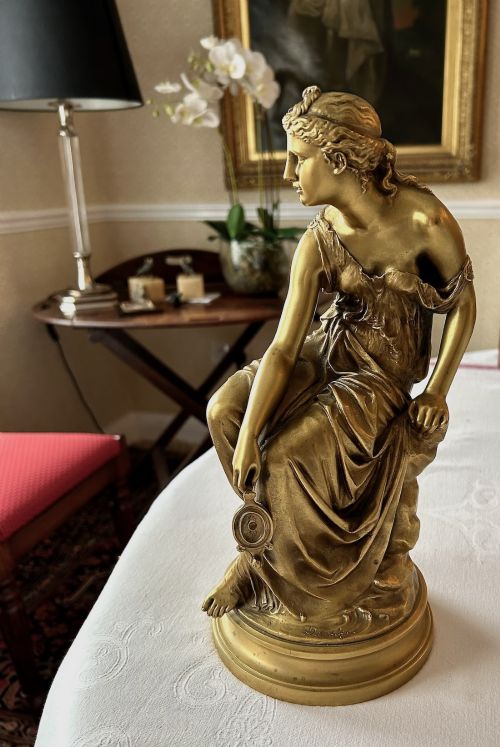
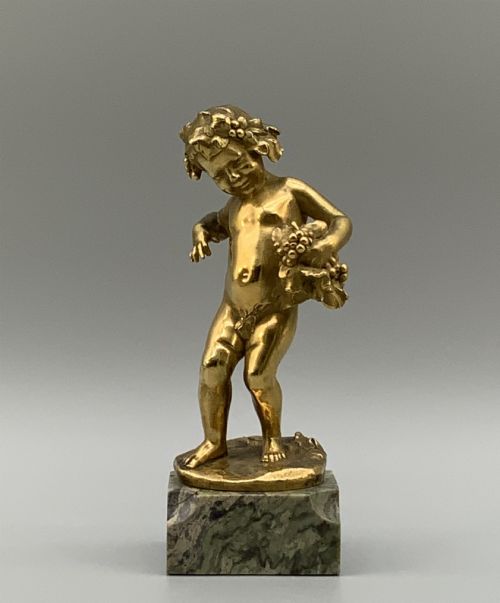
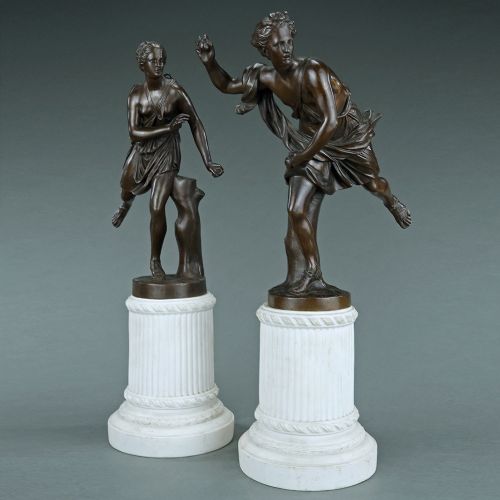
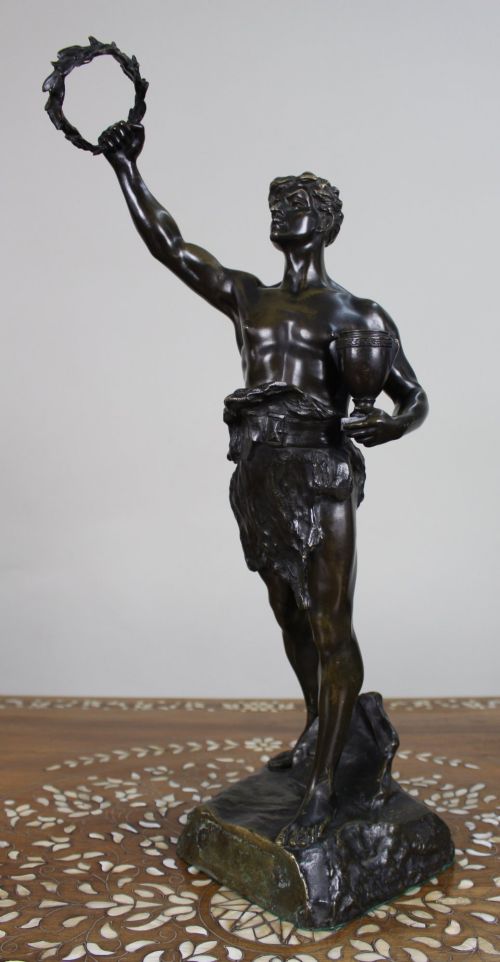
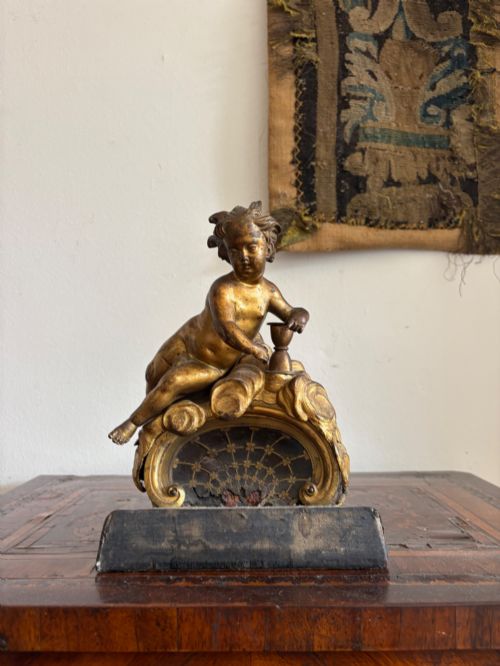
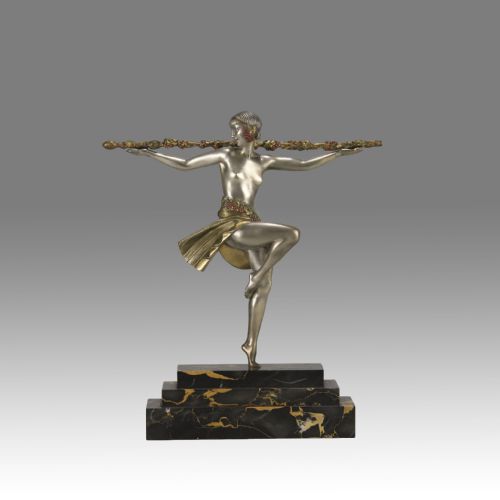
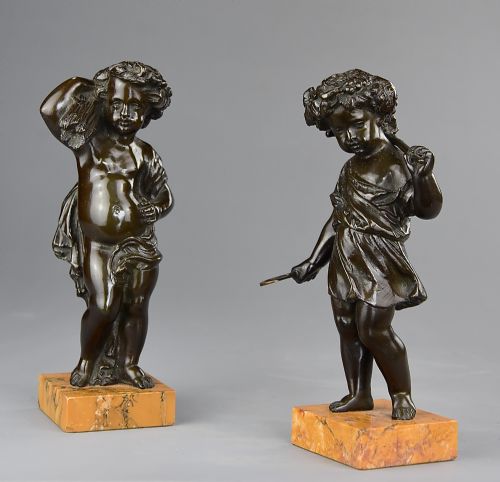
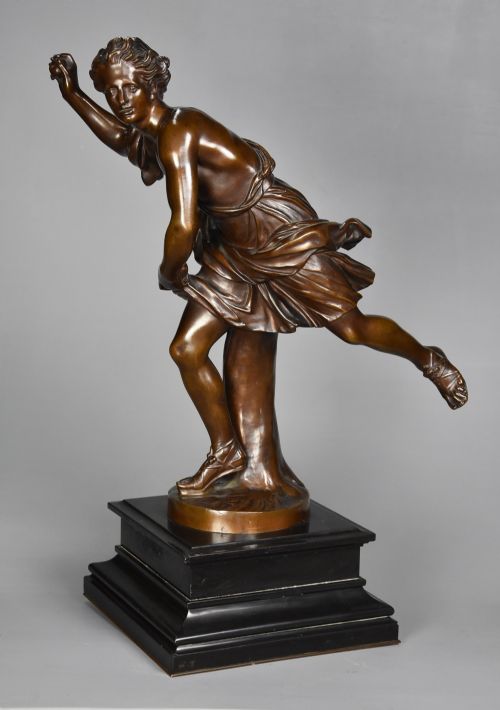
The version a buyer is most likely to encounter here is the nineteenth-century bronze figure, ranging from small cabinet bronzes of putti and dancers to large scale reductions of classical antiquities. These pieces often reflect the output of prominent French foundries and named artisans.
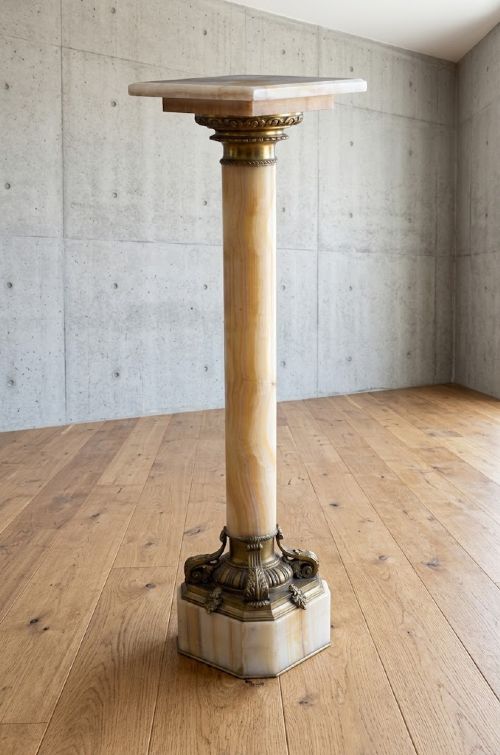
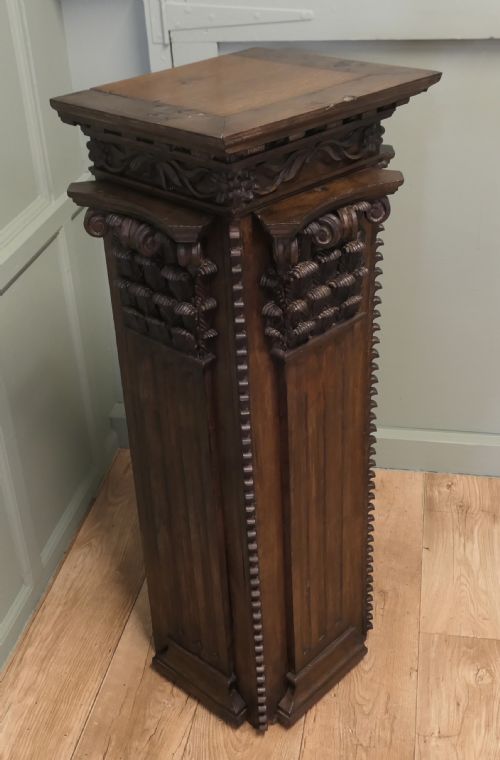
Beyond standalone figures, the selections include architectural columns, pedestals, and carved displays designed to support sculptural works. These display items utilise materials such as marble, onyx, and ebonised wood to complement the bronzes.
Materials and casting techniques
The pieces rely primarily on bronze, patinated or gilt, alongside marble, terracotta, plaster, and occasional cast iron. Artisans employed traditional foundry methods to achieve detailed textures, drapery, and anatomical definition.
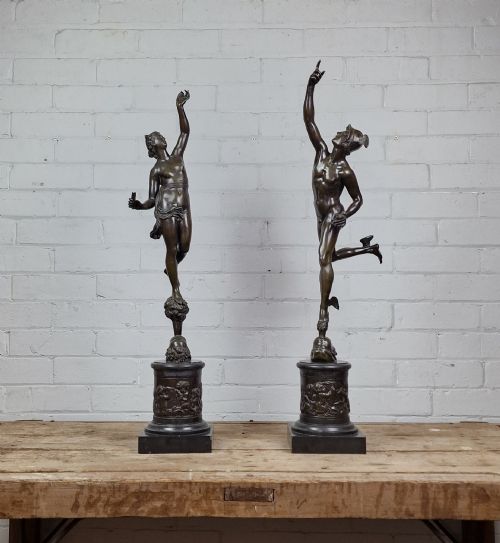
Surface treatments range from cold painting and ormolu mounts to deep patination and mercury gilding. Foundries such as Barbedienne utilised reduction techniques to scale down monumental antiquities into domestic bronzes.
Among the classical deities and solemn heroes, winged putto figures frequently appear wrestling with musical triangles or spaniel dogs.
Distinctions in execution and finish
The integrity of the patina or original gilding also dictates standing, with undisturbed historic surfaces commanding greater regard than later repainting. Additionally, the reputation of the founding foundry and the presence of a clear signature influence the distinction between standard production and masterwork output.
Etienne-Henri Dumaige·Susse Frères·Ferdinand Barbedienne·Pierre le Faguays·Claude Michel Clodion·August Moreau·Émile Louis Picault·Emile Carlier·Mathurin Moreau·Eugene Aizelin·Aurore Onu·C J R Colinet
The French Classical Sculpture Glossary
- Ormolu
- Gilded bronze applied to furniture, clock cases, and decorative mounts. The technique involves a mercury amalgam fused to the metal base.
- Patinated bronze
- Bronze treated with chemical solutions to produce a specific surface colour, ranging from deep brown to green.
- Reduction
- A mechanical process used in nineteenth-century foundries to scale down large classical statues into smaller bronze editions.
- Putto
- A chubby male child figure, often winged, derived from classical art and frequently seen in French decorative bronzes.
- Terracotta
- Fired unglazed clay used for preparatory models or finished sculptural pieces with a warm earthen tone.
French Classical Sculpture: Frequently Asked Questions
What subjects do these sculptures depict?
The pieces frequently portray figures from Greek and Roman mythology, including gods, nymphs, gladiators, and allegorical representations of seasons or virtues. Historical personages such as Napoleon Bonaparte also appear among the subjects.
These representations draw directly on classical antiquity and the Renaissance, reinterpreted through nineteenth-century French artistic conventions.
How were these bronzes displayed originally?
Sculptures of this scale were intended for interior display on mantelpieces, libraries, and dedicated display tables. Larger figures and busts often sat atop marble or onyx columns and pedestals.
Such placement elevated the artwork within domestic spaces, aligning with period architectural tastes for classical symmetry and academic decor.
How can I distinguish period casts from later copies?
Period casts exhibit the weight, tooling marks, and foundry cachets consistent with nineteenth-century manufacturing methods. Examining the underside and the sharpness of the chasing reveals the fidelity of the cast.
Documentation, signatures of known sculptors, and foundry marks further authenticate the era of production against modern reproductions.
What maintenance do bronze and marble require?
Bronze sculptures need only occasional dusting with a soft cloth to prevent particulate buildup on the patina. Wax can be applied sparingly to protect metal surfaces from atmospheric moisture.
Marble and onyx demand gentle cleaning without acidic solutions to preserve the polished stone finish and prevent surface etching.