





Greek Mythology Sculpture
A greek mythology sculpture brings figures like Apollo, Athena and Hypnos into your study, cast in bronze or carved as Grand Tour bronzes.

Greek Mythology Sculpture
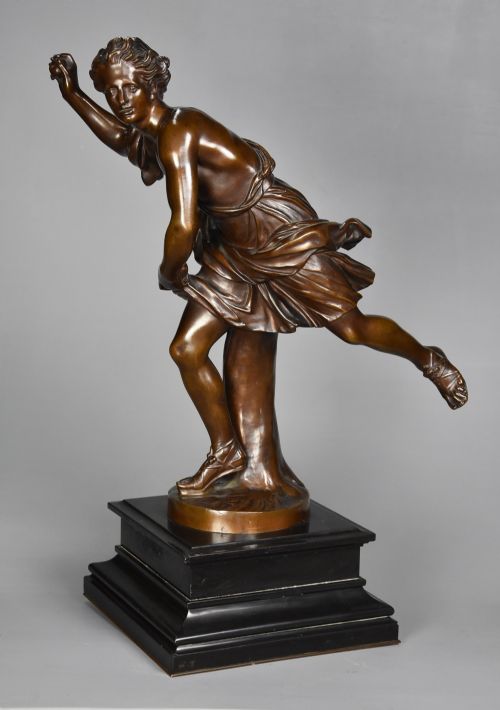
A greek mythology sculpture represents gods, muses and heroes from classical antiquity, often created during the eighteenth and nineteenth centuries as Grand Tour souvenirs or cabinet bronzes. You encounter subjects ranging from major deities like Zeus and Apollo to mythological figures such as Hippomenes, Oedipus, Ajax, Danaides, Pan, Hebe, Perseus and Hypnos.
The objects on this page span several forms, dominated by three-dimensional bronze figures and busts executed in neoclassical and classical revival styles. Alongside these metal casts, you find eighteenth-century engravings documenting the architecture and antiquities of Athens on paper.
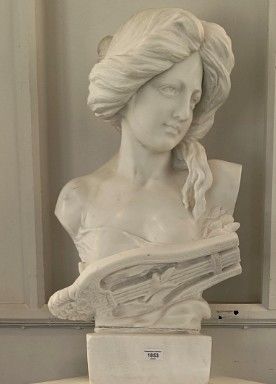
Most three-dimensional works originate from nineteenth-century European workshops, reflecting the Victorian and continental fascination with classical antiquity. These pieces vary from cabinet-sized portrait busts to large figures signed by prominent founders or associated with notable collections.
Materials and Casting Techniques
Bronze serves as the primary medium for these figures, shaped through traditional foundry methods and frequently finished with dark patination or verdigris. Ormolu and gilt bronze appear on specific portrait busts, adding contrasting golden highlights to the metallic surfaces.
Marble and ebonised wood occasionally support the bronze statuary as pedestals or bases, elevating the figures for display. Works on paper utilise ink and paper for architectural engravings detailing classical buildings.
Pan plays his pipes to a captive fawn in one spirited bronze, bringing ancient woodland music straight to the nineteenth-century mantelpiece.
Distinctions in Quality
The definition and crispness of the chase-work separate standard commercial foundry output from superior artistic castings. Finer bronzes retain sharp facial expressions, distinct musculature and precise lettering in signatures or foundry stamps.
The quality of the patina significantly alters the visual depth of a bronze figure, with nuanced chemical patination outperforming flat, uniform modern coatings. Heavier bronze gauge and substantial overall weight indicate greater material substance used by the maker.
Barbedienne·Franz Iffland·James Basire
The Greek Mythology Sculpture Glossary
- Grand Tour
- A traditional trip through Europe undertaken by upper-class young men in the eighteenth and nineteenth centuries to study classical art. Souvenirs purchased along the way included small bronze sculptures and architectural engravings.
- Neoclassical
- An artistic movement drawing inspiration from the art and culture of classical antiquity. It prioritises restraint, proportion and heroic subject matter.
- Ormolu
- Gilt bronze created by applying a finely ground high-carat gold-mercury amalgam to an object of bronze. The mercury is driven off by heat, leaving a rich gold coating.
- Verdigris
- A green patina formed naturally on copper, brass or bronze through atmospheric oxidation. Nineteenth-century founders sometimes replicated this finish deliberately to simulate excavated antiquities.
Greek Mythology Sculpture: Frequently Asked Questions
What is a Grand Tour bronze sculpture?
A Grand Tour bronze is a small-scale nineteenth-century replica of a famous classical sculpture, purchased by travellers visiting Italy and Greece.
These pieces served as academic keepsakes and decorative ornaments for libraries and drawing rooms.
How do I identify mythological figures in sculpture?
Figures are identified through traditional attributes such as weapons, animals, instruments or specific postures associated with each deity or hero.
For example, Pan holds pipes, Hypnos is the god of sleep, and Athena typically appears with martial gear.
Where should I display a bronze figure?
Bronze sculptures suit stable surfaces away from excessive moisture, such as mahogany desks, bookshelves or marble mantelpieces.
Ensure adequate lighting to highlight the patination and fine detail of the cast metal.
How do nineteenth-century casts differ from modern copies?
Nineteenth-century casts utilise older foundry traditions, heavier metal alloys and hand-chased surface details that develop a natural patina over time.
Maker signatures and foundry marks often provide direct links to historical European workshops.