




French Chateau Wall Art
French chateau wall art brings grand interior character to rooms through antique oils, tapestries, and carved panels.
French Chateau Wall Art
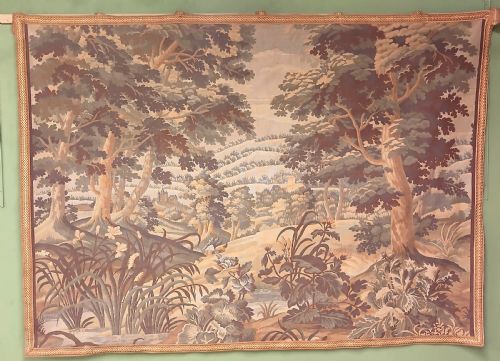
French chateau wall art encompasses historic paintings, woven tapestries, embroidered panels, and architectural carvings sourced from stately continental properties. These pieces capture centuries of elite decorative taste, ranging from eighteenth-century pastoral scenes to nineteenth-century romantic landscapes.
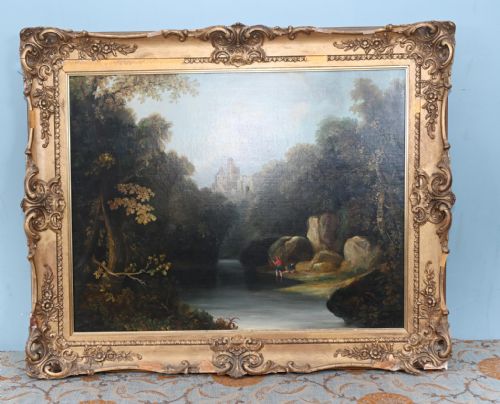
Buyers meet a diverse selection here, with eighteenth-century woven tapestry panels, nineteenth-century oil paintings on canvas, and carved wooden architectural elements appearing most frequently. Canvas panels, silk embroideries, and framed watercolours also populate the collection.
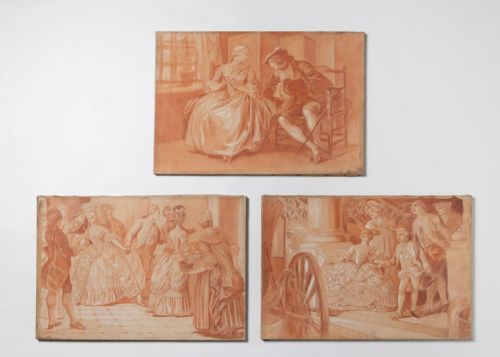
The aesthetic spans several distinct historical revivals and periods, including Regency, French Rococo, Baroque, and Art Deco. Pieces often depict classical figures, courtly gatherings, chateau architecture, or coastal scenery.
How they were made
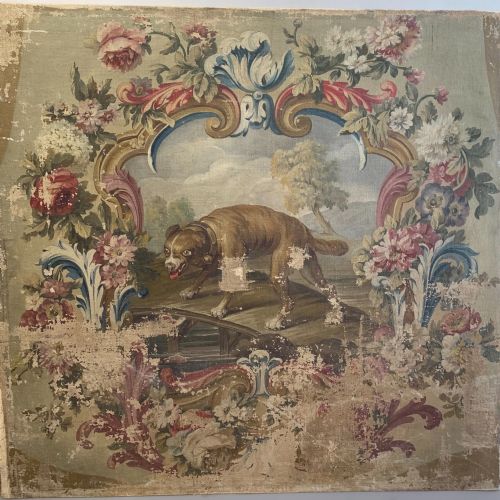
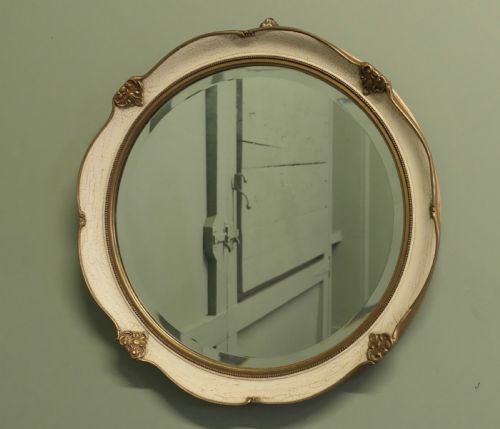
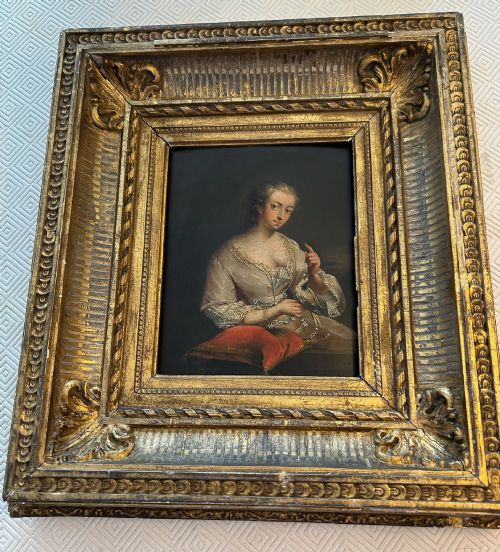
Makers utilised traditional artistic media including oil paint on canvas, watercolour, and pastel to create detailed portraits and landscape scenes. Canvases were frequently stretched and housed within gilded wooden frames or decorative faux tortoiseshell surrounds.
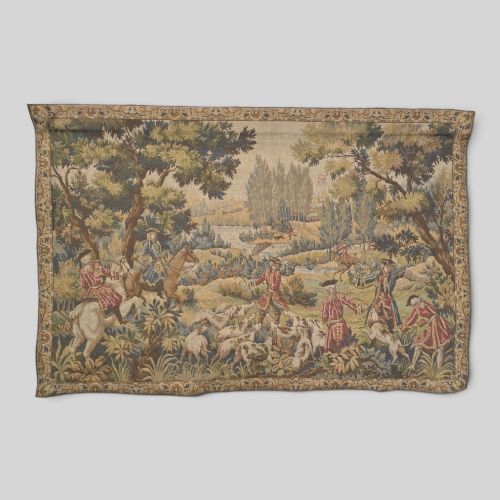
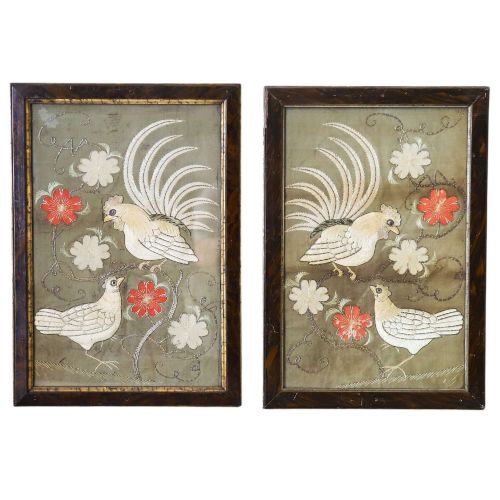
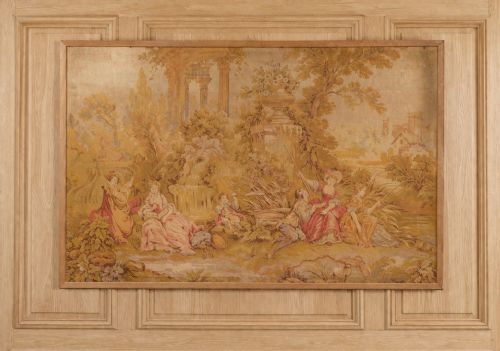
Textile works rely on intricate wool and silk weaving techniques, hand needlework, and silk embroidery. Large wall tapestries required months of labour on vertical or horizontal looms to construct complex figurative scenes.
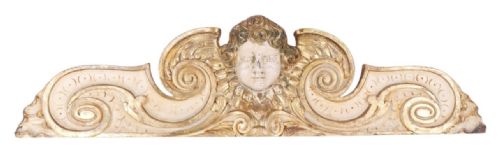
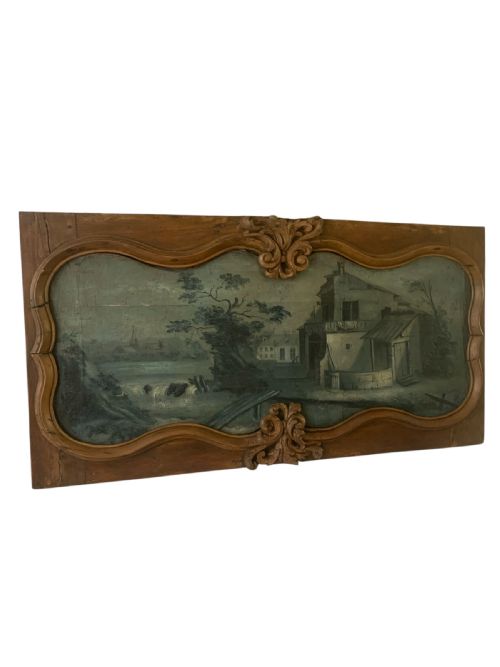
Architectural panels and overmantels feature hand-carved wood embellished with gesso and gold leaf. Painted wooden panels demonstrate skilled brushwork directly applied to timber substrates.
French Chateau Wall Art Retail Price Guide 2026
Typical asking prices for french chateau wall art among the pieces listed under this phrase on Sellingantiques today, from the lower quarter to the upper quarter. They describe what is for sale here now, not the wider market.
Materials documented across the collection include oil paint, canvas, wool, silk, glass, gesso, gold leaf, and carved wood.
What varies in quality
Quality in these works rests primarily upon the fineness of the hand execution, whether in the delicate brushwork of an oil portrait or the tight density of the weave in a wool tapestry. Superior examples display confident draughtsmanship and sophisticated handling of colour and light.
The integrity and original state of the materials dictate the standing of a piece, particularly in textiles where wool and silk yarns can suffer degradation. Intricately carved wooden panels retain value when the original gilding and gesso remain largely undisturbed.
Jean-Baptiste Olive·Charles Eyres Simmons·Martin Pierre Denis
The French Chateau Wall Art Glossary
- Tapestry
- A heavy hand-woven textile featuring pictorial designs created by interlocking coloured weft threads through warp threads. These large decorative panels were traditionally hung on stone walls to provide insulation and visual splendour.
- Overdoor
- A decorative painting or carved wooden panel designed to sit directly above a doorway inside a grand room. They frequently depict allegorical figures, putti, or pastoral landscapes.
- Gesso
- A plaster-like mixture applied to wood or canvas as a prepared base for painting or gilding. It allows craftsmen to carve crisp relief details before applying gold leaf.
- Chinoiserie
- A European artistic style reflecting Chinese aesthetic motifs and decorative patterns. This style gained immense popularity during the seventeenth and eighteenth centuries in furnishings and wall panels.
French Chateau Wall Art: Frequently Asked Questions
How do I hang heavy tapestries safely?
Large woven tapestries require weight-distributing support systems rather than simple hooks. A concealed wooden batten sewn into a pocket along the top edge secures the textile evenly against the wall.
Ensure the hanging method supports the entire span to prevent stretching the historic wool and silk fibres over time.
What rooms suit antique oil paintings?
Historic oil paintings and canvas panels bring warmth and depth to principal reception rooms or hallways. Their rich palettes complement traditional architectural details and period furnishings.
Position these works away from direct sunlight and excessive moisture to protect the oil paint and canvas substrate.
How are carved wooden panels identified?
Carved wooden architectural elements such as overdoors display hand-chiselled tool marks and period joinery on the reverse. Examining the wood type and the composition of underlying gesso helps determine the era of production.
Stylistic motifs like cherubs or floral garlands often correspond directly to eighteenth or nineteenth-century design vocabulary.
Are framed textiles difficult to maintain?
Silk embroideries and needlework panels need protection from ultraviolet light to prevent fading of natural dyed threads. Keeping them behind glass within sealed frames guards the delicate textiles against dust and atmospheric pollution.
Maintain stable indoor humidity levels to prevent the wooden frames and fabric supports from warping.