


French Carved Mantel Mirror
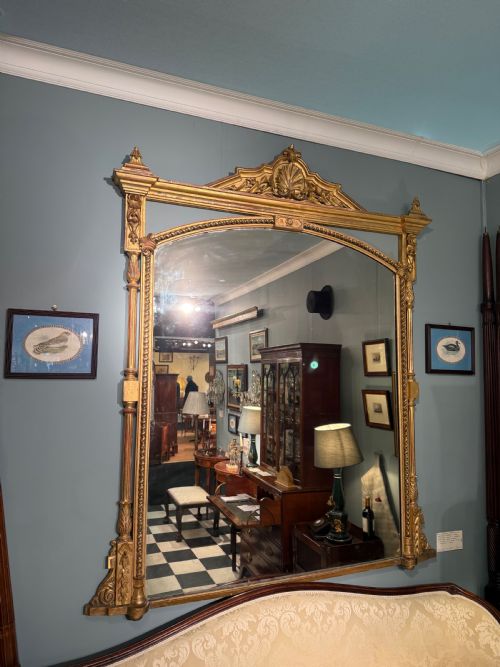
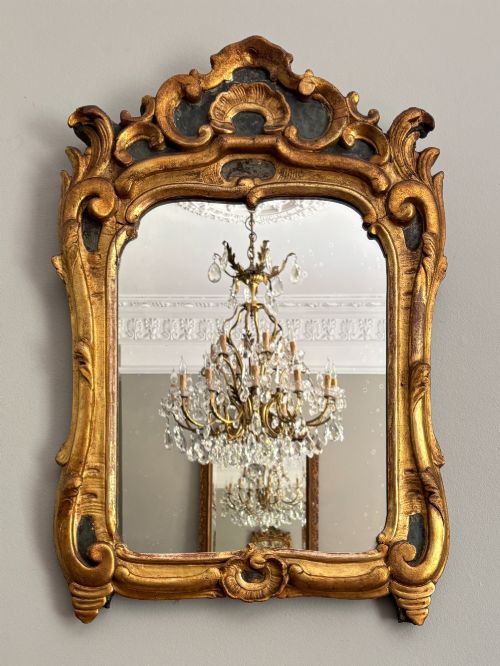
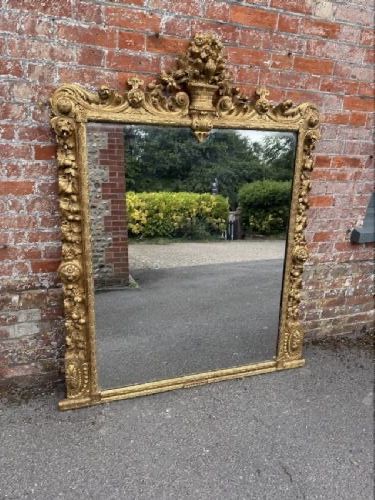
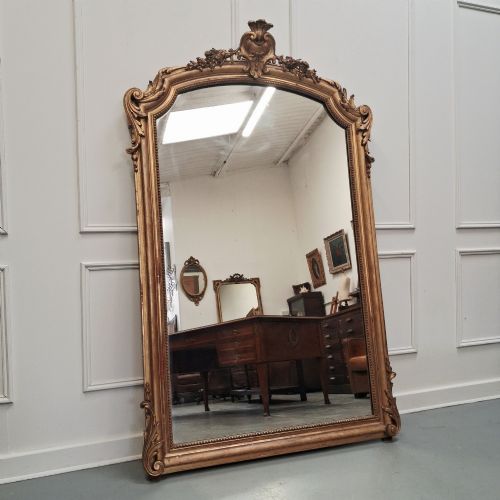
A french carved mantel mirror brings grand architectural presence and reflective light to a room, drawing the eye naturally to its ornate upper frame.
French Carved Mantel Mirror
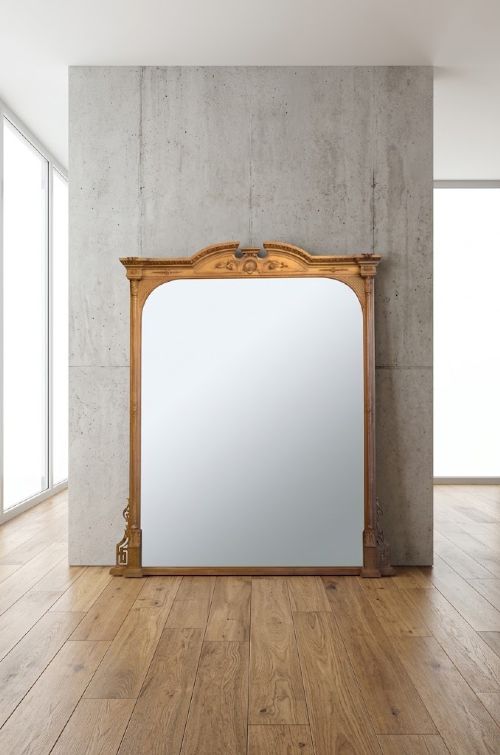
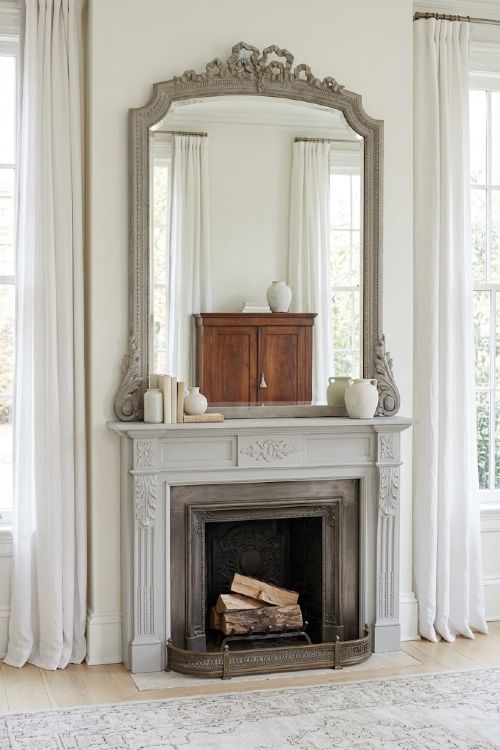
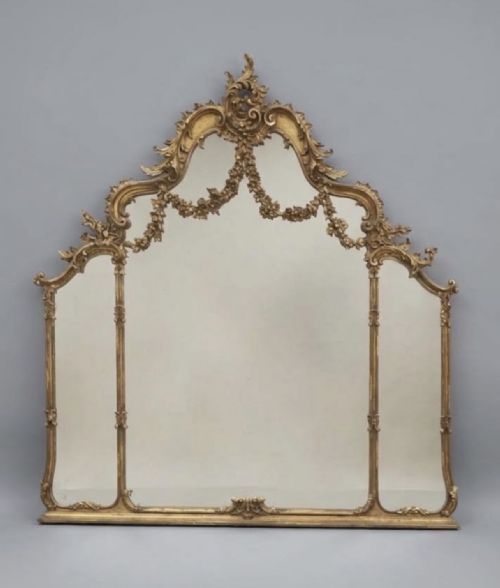
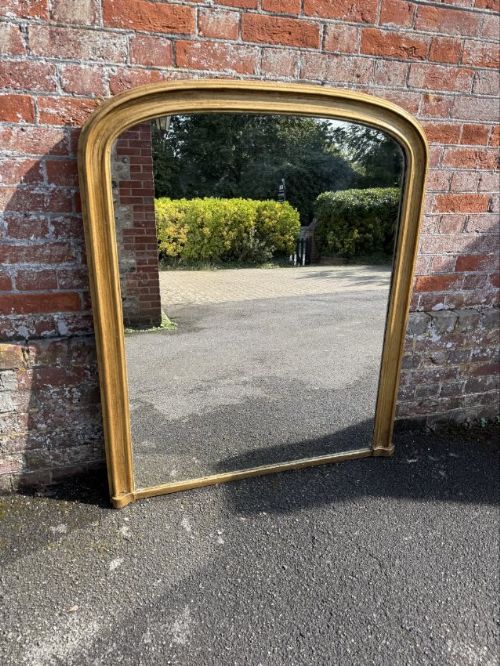
A french carved mantel mirror functions primarily as a grand overmantel or wall mirror, designed to sit above a fireplace hearth and reflect the interior light of a room. These pieces appear frequently in nineteenth-century forms, spanning periods from the early eighteen hundreds through to nineteen twenty, including Victorian and Napoleon III iterations.
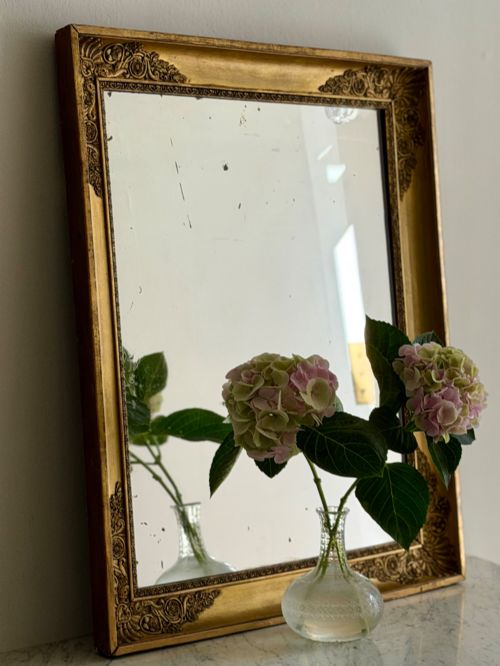
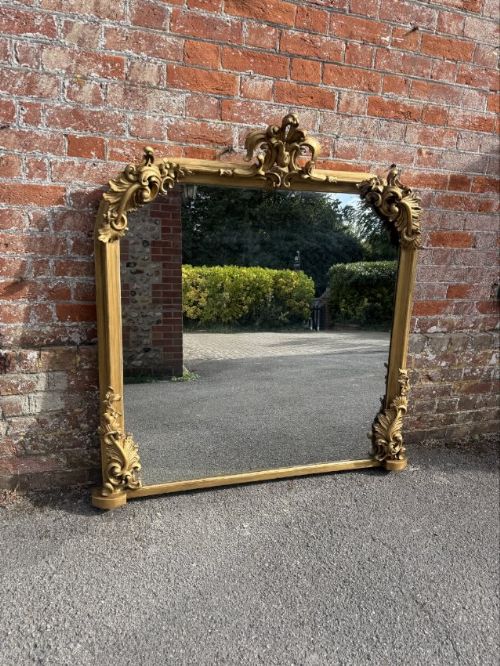
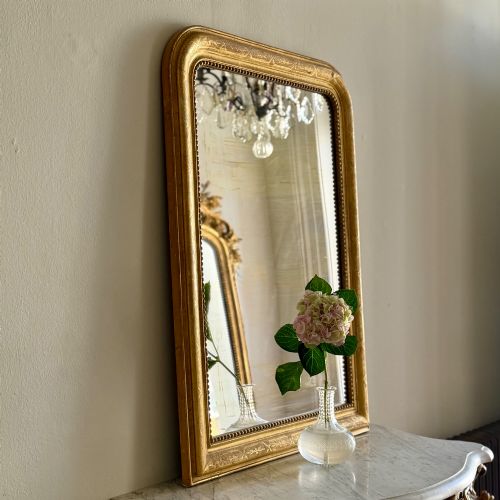
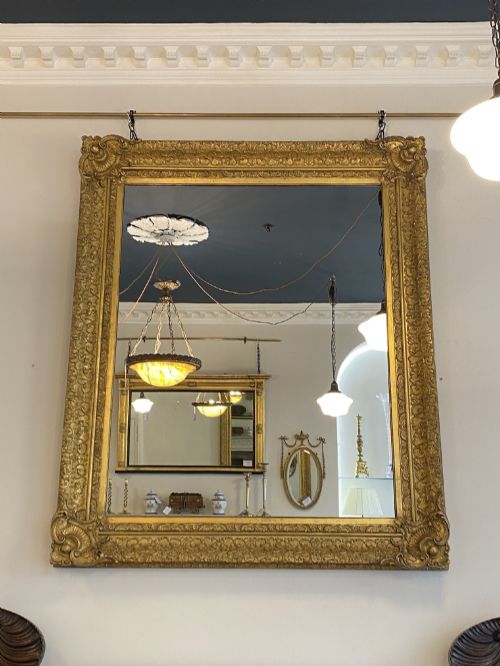
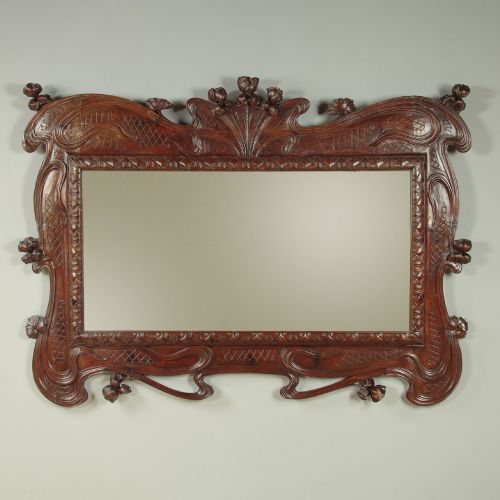
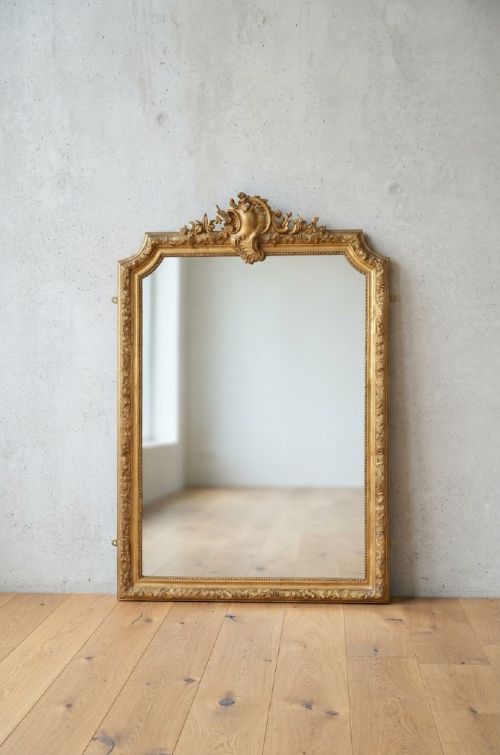
The prevalent shapes on this page include arched tops, rectangular formats, and shaped frames with central cartouches or decorative crests. Buyers encounter both painted wooden finishes and heavily gilded surfaces styled in French rococo, chateau, or neoclassical designs.
Materials and Construction
Makers built the structural frames from carved wood such as oak, walnut, or general timber, applying layers of gesso to build up intricate relief ornamentation. This plaster-like mixture allowed artisans to sculpt fine floral, scroll, and cartouche details before applying gold leaf, metallic silvering, or decorative paint layers.
Mirrors utilise traditional heavy glass plates set within these carved wooden housings, often secured with original backboards. Surface finishes vary between distressed painted palettes, dual-tone black and gold schemes, and bright original gilding.
Listings feature items spanning the eighteenth century, nineteenth century, and early twentieth century, utilising wood, gesso, composition, and mirror glass.
Evaluating Quality
Quality rests in the depth and crispness of the wood carving and the finesse of the applied gesso ornament. Hand-carved elements display sharp undercut details and balanced proportions, whereas lower grades rely on softer moulded composition.
The retention of original mirror glass, authentic period gilding or early painted surfaces, and intact structural joinery dictate the overall integrity of the piece.
Gabriel Viardot
The French Carved Mantel Mirror Glossary
- Overmantel mirror
- A large mirror specifically proportioned to hang on the wall directly above a mantelpiece or fireplace. These items often feature wide horizontal formats or tall arched tops.
- Gesso
- A plaster mixture applied to carved wood frames to create a smooth surface for gilding or painting. Artisans used this compound to model detailed relief scrolls and floral motifs.
- Giltwood
- Timber that has been coated with a thin layer of gold leaf. This technique provides the bright metallic finish seen on many nineteenth-century frames.
- Cartouche
- An ornamental tablet or oval frame design resembling a rolled-up piece of parchment, frequently placed centrally on the crest of a mirror.
- Louis Philippe
- A mid-nineteenth-century French style characterised by simpler, elegant curved arches and restrained ornamentation compared to earlier rococo excesses.
French Carved Mantel Mirror: Frequently Asked Questions
How do I hang a heavy overmantel mirror?
These large framed pieces require robust wall fixings secured directly into masonry or solid structural studs. Professional mirror hangers usually employ heavy-duty brackets to safely distribute the substantial weight of the wood and glass.
Placement should account for the height of the fireplace mantel, ensuring the lower edge sits closely above the shelf to maintain correct visual balance within the room.
Are the mirror plates original?
Many nineteenth-century frames retain their original mercury or early silvered glass plates, which often display characteristic foxing, light spotting, and gentle oxidation. These age marks provide authentic character that distinguishes antique glass from modern replacements.
Buyers can inspect the depth and slight distortion of the reflection to help determine whether the glass dates to the period of the frame's construction.
What is a Napoleon III mirror?
Napoleon III mirrors date from the Second Empire period around the mid-nineteenth century, blending influences from earlier French royal styles. They frequently feature bold crests, rich gilding, or contrasting black and gold finishes.
These pieces were designed to project luxury and opulence in formal nineteenth-century French chateaux and townhouses.
How should I clean an antique gilt frame?
Giltwood and gesso surfaces require delicate maintenance using a dry, soft artist brush or a gentle feather duster to remove surface dust. Moisture and modern chemical cleaners can dissolve historical water-gilding and damage the fragile plaster relief.
Careful handling preserves the original patination and prevents the microscopic flaking of gold leaf from the carved wooden substrate.