
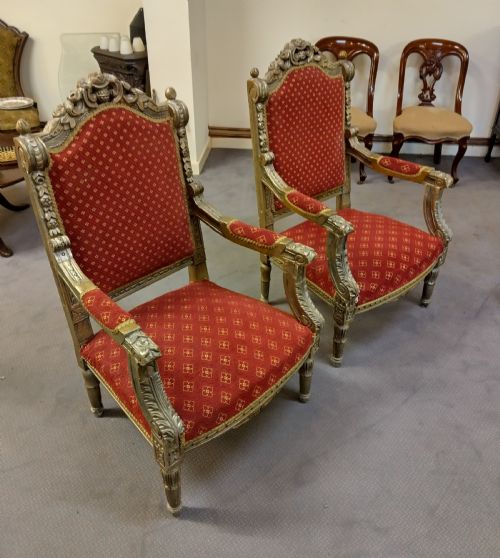


French Carved Elbow Chairs
French carved elbow chairs bring continental elegance to a room, offering generous proportions and ornate woodwork.
French Carved Elbow Chairs
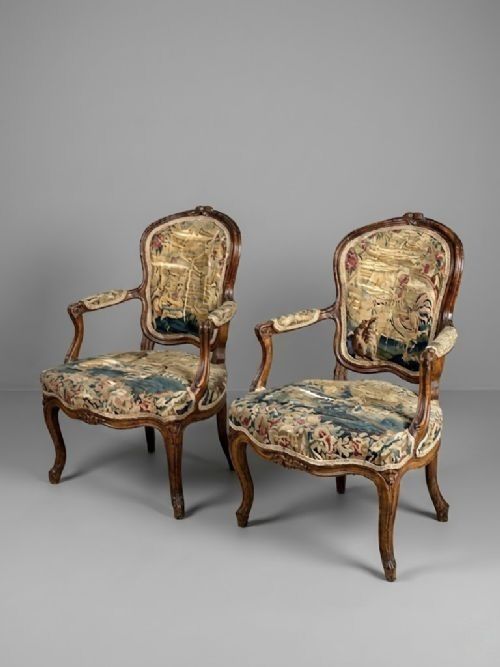
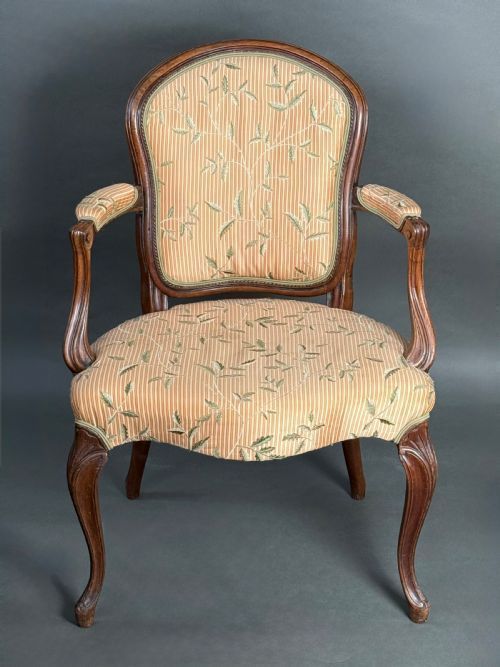
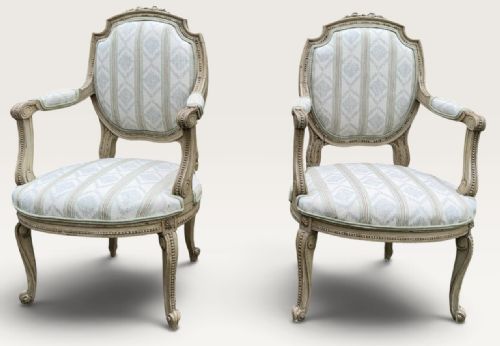
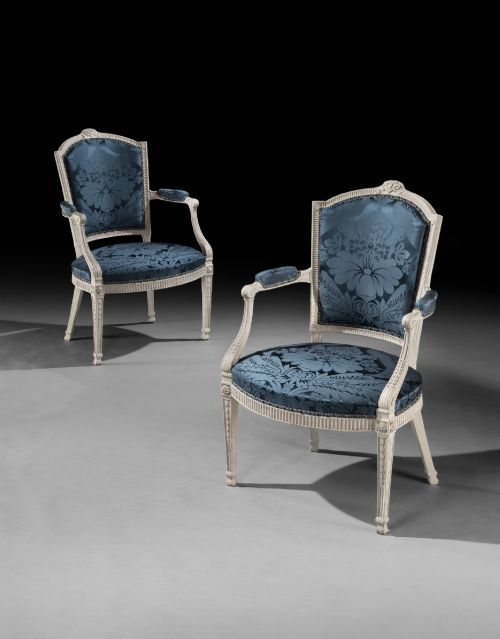
When you search for french carved elbow chairs, you encounter seating developed across the seventeenth, eighteenth, and nineteenth centuries, alongside later revivals. These armchairs appear in forms influenced by Louis XV, Louis XVI, and Baroque styles, often featuring open arms and upholstered elements.
The pieces on offer span walnut, mahogany, and beech frames, frequently accented with giltwood, paint, or gesso. You will find matched pairs and single seating originating from French and English workshops adhering to continental design traditions.
How they were made
Craftsmen shaped solid timbers like walnut, mahogany, and beech using traditional joinery techniques to form the structural frames. Carvers then worked directly onto the wood to create intricate floral, scroll, and foliate motifs.
Surface decoration involved applying gesso, silver or gold gilt, and original paint finishes to enhance the carved details. Upholstery followed, utilising fabrics such as silk, damask, and modern textiles secured over padded foundations.
Early owners frequently requested open arms specifically to accommodate voluminous period dresses without crushing the fabric against the sides.
What varies in quality
The depth and crispness of the wood carving distinguish exceptional examples from simpler production, as skilled carvers achieved sharper undercut details and fluid asymmetry. The quality of the underlying timber frame, whether dense walnut or solid mahogany, dictates structural longevity.
Originality of surface finish, such as untouched paint, patinated gilding, or period upholstery choices, heavily influences the standing of a piece. Finer proportions and balanced structural lines separate masterwork seating from standard revival items.
Louis Majorelle
The French Carved Elbow Chairs Glossary
- Fauteuil
- An open-armed upholstered armchair with wooden armrests, characteristic of French seating design from the seventeenth century onwards.
- Giltwood
- Timber coated with gold leaf over a prepared gesso ground, frequently utilised on decorative armchairs.
- Gesso
- A plaster-like mixture applied to wooden frames to provide a smooth surface for gilding and fine carving.
- Damask
- A reversible figured fabric woven on a jacquard loom, often selected for traditional upholstery.
- Ormolu
- Gilded bronze mounts applied to furniture for decorative enrichment, particularly seen on nineteenth-century revival pieces.
French Carved Elbow Chairs: Frequently Asked Questions
How do I identify a true period piece?
Examine the timber construction, joinery methods, and tool marks visible on the underside and interior frame components. Older chairs display hand-cut joinery and wood ageing consistent with centuries of use rather than mechanical production.
Compare the decorative carvings against documented regional styles and ornamental motifs from specific eras like the eighteenth century. Subtle discrepancies in symmetry and finish often point to authentic historical manufacture rather than later revival work.
Can I use these chairs for daily seating?
Many examples remain structurally robust enough for regular use, provided the internal webbing and padding have been properly restored. Solid hardwood frames in walnut or mahogany offer strong foundations for daily sitting.
Consider the seat height and arm clearance relative to your existing tables or living spaces. Delicate gilt finishes or antique textiles require more careful handling to preserve their surface condition over time.
How should I care for antique wood and gilt surfaces?
Dust the carved wooden elements regularly with a soft, dry brush to prevent dirt accumulation in the crevices. Avoid commercial liquid polishes or harsh chemical cleaners that can strip original wax or damage delicate gesso layers.
Keep the chairs away from direct sunlight and extreme temperature fluctuations to prevent the timber from splitting or warping. Professional conservation is recommended for securing loose gilding or fragile upholstery.