
French Canvas Artwork
When you search for french canvas artwork, you enter a world of oil paintings on stretched fabric spanning centuries of classical, impressionist, and modern vision.
French Canvas Artwork
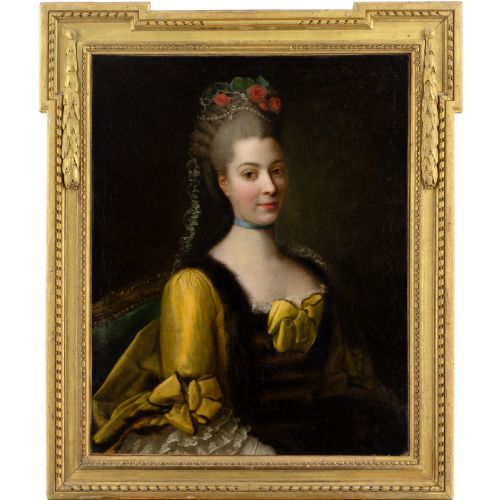
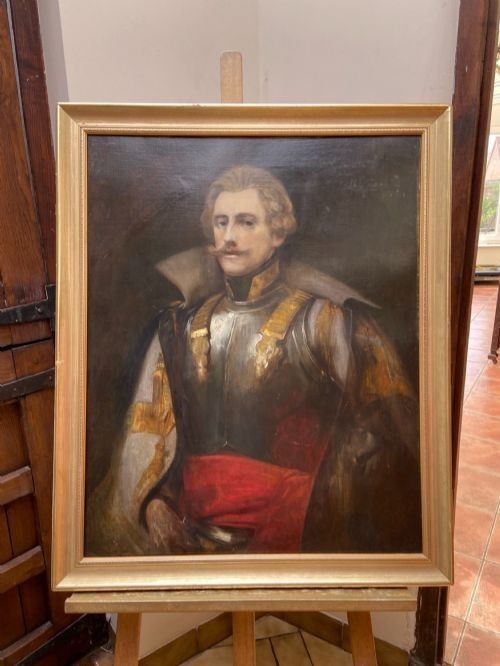
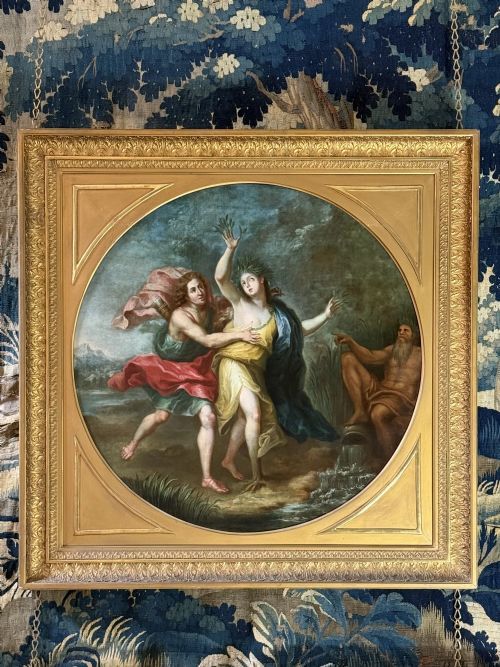
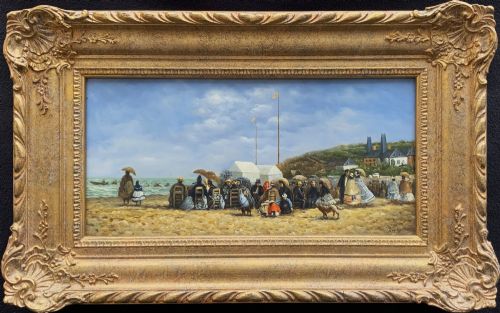
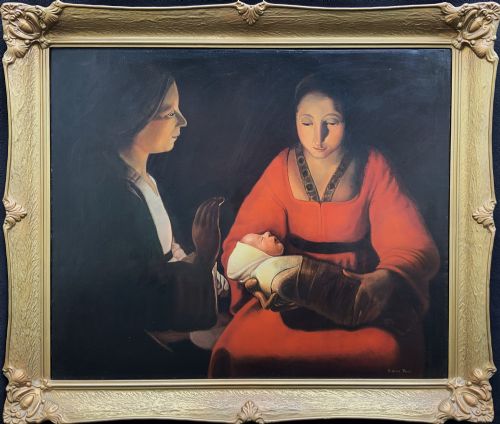
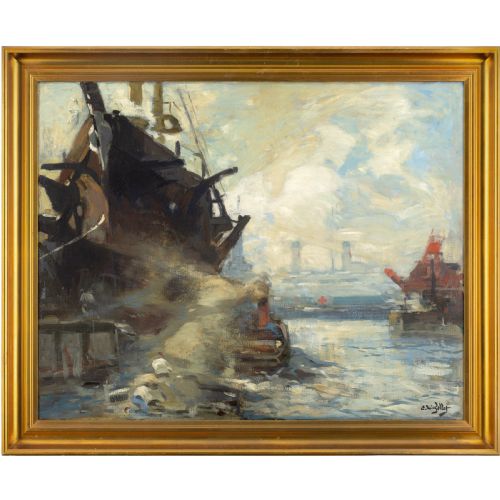
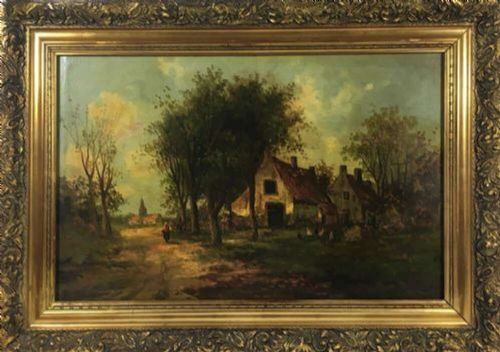
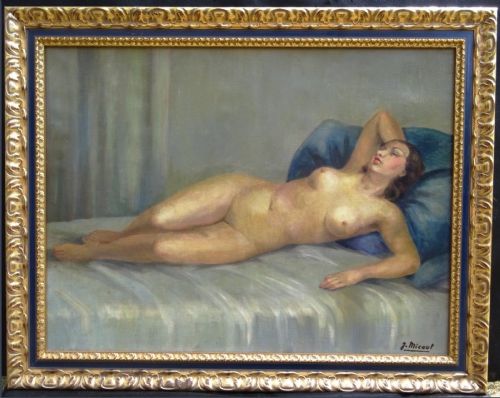
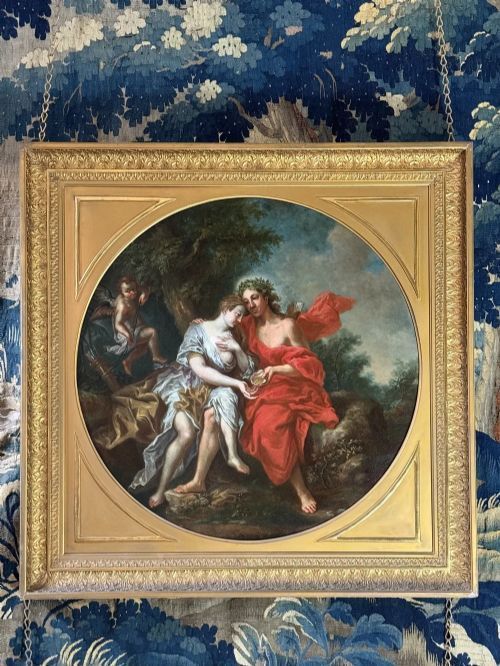
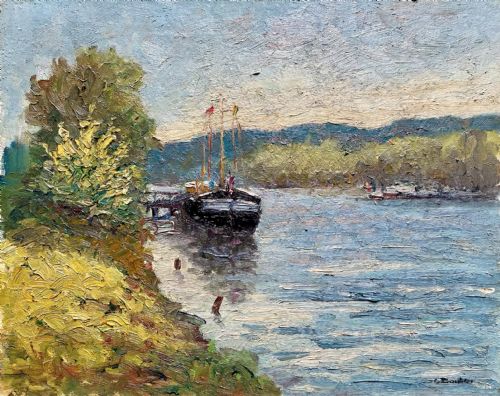
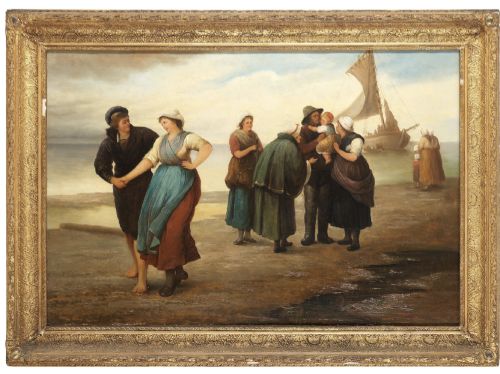
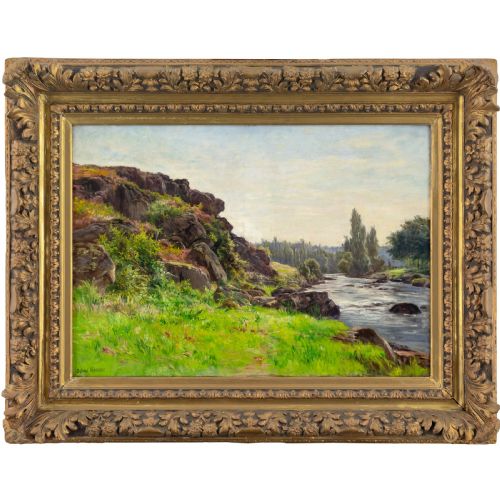
When buyers search for french canvas artwork, they encounter centuries of oil paintings originating from various French schools and movements. The selection ranges from formal eighteenth-century portraits and classical mythological scenes to nineteenth-century landscapes and twentieth-century post-impressionist views.
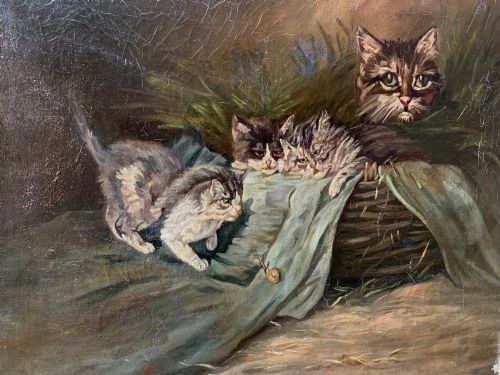
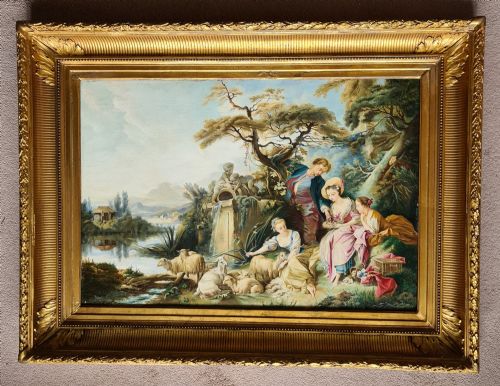
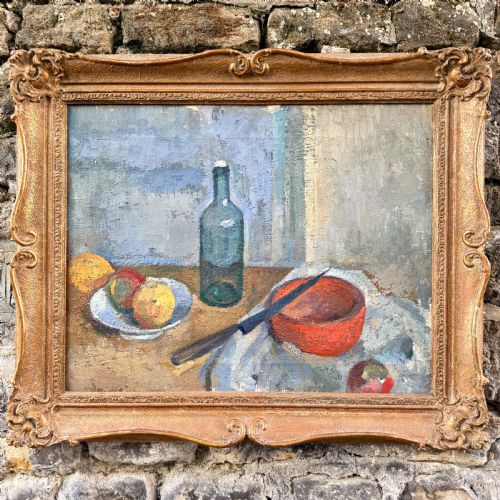
Most pieces met on this page are oil paintings on canvas, frequently housed within period gilt wood and gesso frames. Subjects encompass military officers, rural farmyards, domestic interiors, and serene river landscapes from Normandy and Paris.
The objects span multiple eras, including seventeenth-century court portraits, eighteenth-century pastoral compositions, and mid-twentieth-century naive and impressionist interpretations. Each piece reflects the dominant stylistic sensibilities of its specific decade and regional French school.
Materials and Construction
The physical foundation of these pieces consists of woven plant fibres stretched across wooden stretcher frames, providing a stable support for subsequent layers of oil paint. Artists applied oil-based pigments using bristle brushes, building up rich textures and tonal depths that define the painted surface.
Surrounding the canvases are decorative frames constructed from wood, heavily embellished with carved gesso and finished in applied metal leaf or gilt. These frames were integral to the presentation, protecting the perimeters of the fabric while enhancing the visual impact of the composition.
Listings feature oil paintings on canvas spanning the seventeenth to the twentieth century, alongside carved gilt wood and gesso frames.
Distinctions in Quality
Quality in these oil paintings rests upon the surety of the brushwork, the anatomical or spatial accuracy of the composition, and the expressive handling of light and shadow. Master works demonstrate deliberate control over pigment density and harmonious colour relationships that elevate the subject beyond simple illustration.
The integrity of the original canvas and the preservation of the painted surface dictate the physical standing of a piece. Furthermore, the presence of a period-appropriate gilt wood frame that complements the style and scale of the painting adds significantly to the historical coherence of the work.
Charles-Antoine Coypel·Edouard Pingret·Georges de La Tour·Joseph Vivienne·Erich Mercker
The French Canvas Artwork Glossary
- Gesso
- A plaster-like mixture applied to wooden frames as a smooth base before gilding. It allows for intricate moulded details and ornamentation.
- Giltwood
- Timber that has been coated with a thin layer of gold leaf. This finish provides a luminous border that isolates the painted canvas from its surroundings.
- Barbizon School
- A nineteenth-century French movement focused on realistic landscape painting. Artists painted directly from nature, emphasising atmospheric effects and rural scenery.
- Post-Impressionism
- An art movement extending roughly from the late nineteenth century to the early twentieth century. Painters built upon impressionist light usage while exploring structural form and symbolic content.
- Oil on Canvas
- A traditional technique where pigments bound in drying oils are applied to stretched fabric. This medium allows for rich blending, slow drying times, and enduring flexibility.
French Canvas Artwork: Frequently Asked Questions
What periods do these paintings cover?
The available pieces span from the seventeenth century through to the mid-twentieth century, encompassing centuries of shifting artistic movements and portrait traditions.
Buyers will find works created during distinct eras such as the reign of Louis styles, nineteenth-century academic schools, and twentieth-century modernism.
How should I care for an oil painting?
Oil paintings require stable indoor humidity and protection from direct sunlight to prevent the canvas from sagging and the pigments from fading over time.
Dust the surface gently with a soft, dry brush and avoid using liquid cleaners or chemical solvents on the painted canvas or gilt frame.
Are the frames original to the canvas?
Many pieces retain their period gilt wood and gesso frames, which were often matched to the aesthetic of the era in which the artwork was created.
Framing styles changed alongside artistic movements, helping to place the canvas within its correct historical and decorative context.
What subjects are most common?
Portraits of military officers, nobility, and everyday citizens appear frequently alongside detailed landscape views of French rivers, coastlines, and cityscapes.
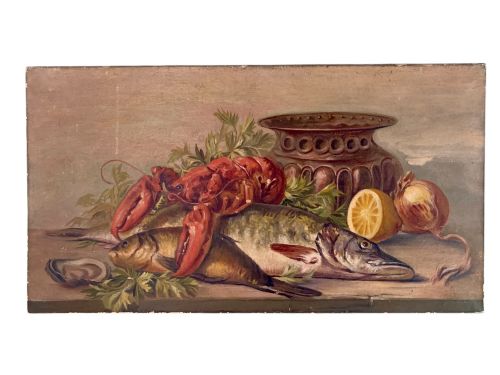
Still life compositions featuring fish, lobsters, and domestic table settings also represent a significant portion of the available painted works.