




Green Glazed Ceramic Painting
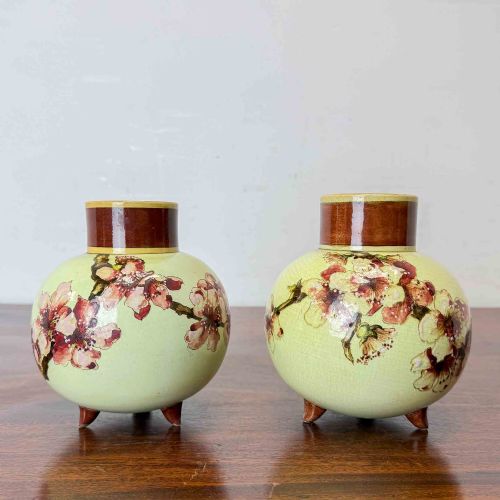
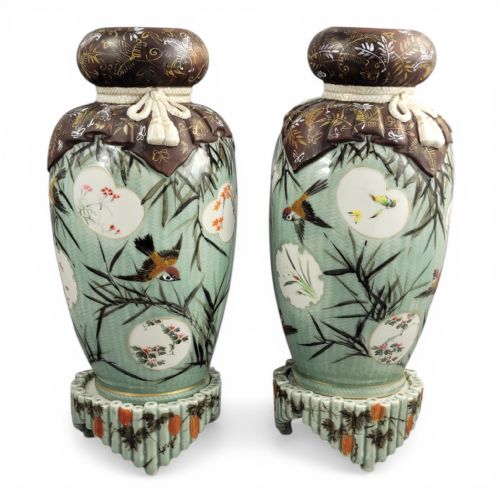
These pieces of green glazed ceramic painting combine colourful lead glazes with earthenware bodies to create decorative works for the mantel or wall.
Green Glazed Ceramic Painting
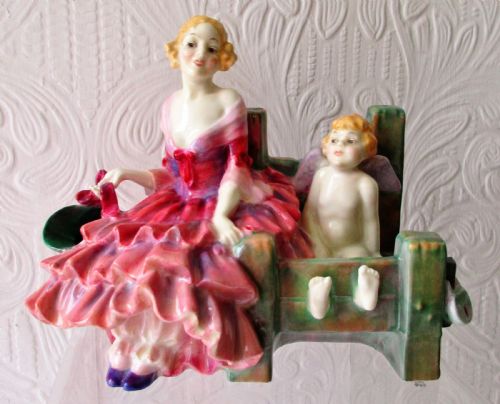
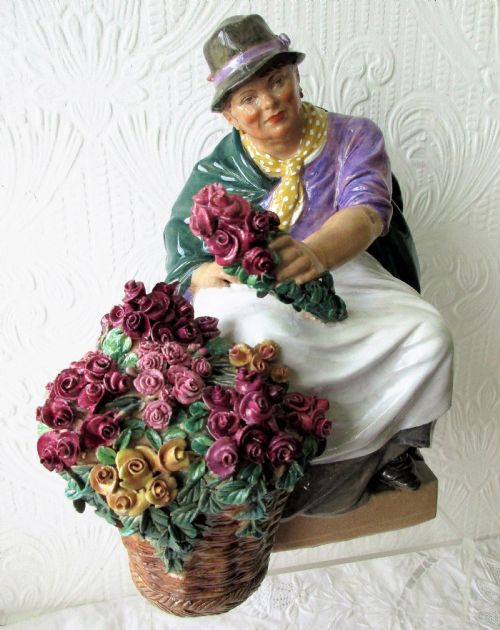
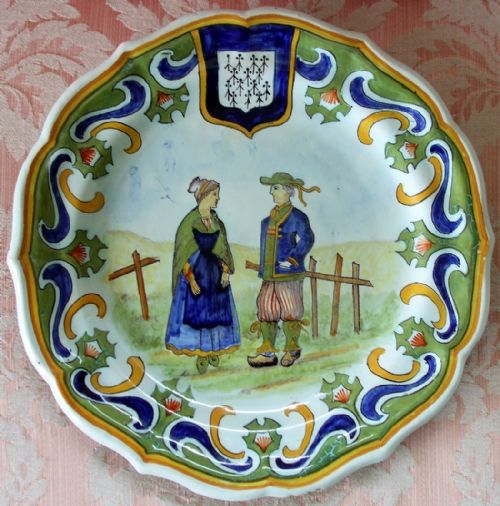
Green glazed ceramic painting encompasses a varied selection of plates, tiles, vases and figurines dating from the eighteenth century through to the art deco period. You will encounter nineteenth century majolica vessels, French faience dishes and tin glaze apothecary jars alongside early Staffordshire figures.
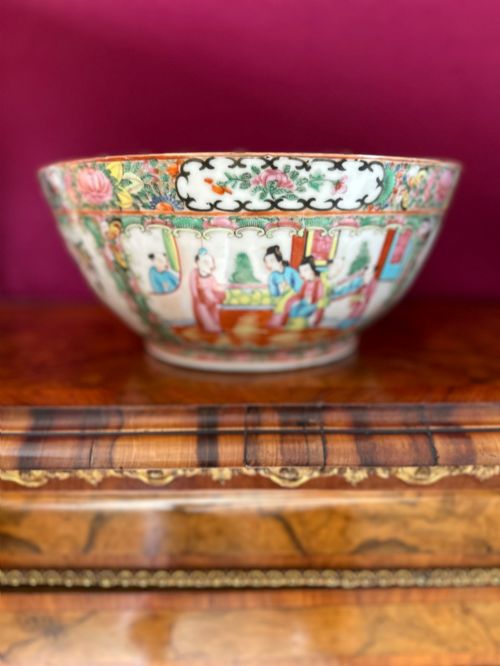
The decorative surfaces rely heavily on coloured glazes and enamel painting applied directly to earthenware, porcelain or stoneware bodies. Examples range from Chinese export porcelain bowls and Japanese imari chargers to English studio pottery and Delftware plates.
Makers and potteries from England, France, Italy, China and Japan dominate the selection, bringing together diverse regional traditions of painted and glazed ceramics. Pieces span multiple design movements including art nouveau, arts and crafts, and renaissance revival.
Materials and technique
Makers utilised earthenware, stoneware and porcelain bodies as the structural base before applying liquid tin glaze, lead glaze or enamel. Tin glazing provided an opaque white or cream background suitable for hand-painted polychrome decoration.
Potters painted motifs onto the unfired or biscuit-fired ceramic using metallic oxides which fused into the glassy surface during kiln firing. Sancai and majolica techniques allowed multiple coloured glazes to pool and run within defined incised boundaries.
St Staffordshire Toby jugs sit proudly alongside monumental Chinese ducks and architectural rose tiles.
Evaluating the standard
Quality rests on the crispness of the hand-painted brushwork and the control demonstrated during the glaze firing process. Superior items exhibit carefully managed colour application without muddying or excessive pooling.
The prestige of the pottery or the individual decorator heavily influences desirability, particularly when factory marks or artist signatures remain clear on the base. Form and moulding definition separate mass-produced wares from monumental or unique studio pieces.
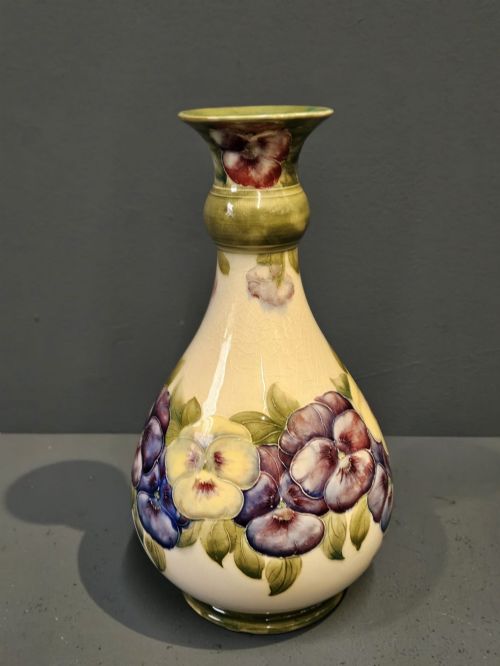
Moorcroft McIntyre·Royal Doulton·Charles Vyse·Doulton Lambeth·Eliza Simmance·Ulisse Cantagalli·Veuve Perrin·William de Morgan
The Green Glazed Ceramic Painting Glossary
- Majolica
- Earthenware decorated with an opaque tin glaze and painted with metallic oxide colours before firing. This technique produces vibrant polychrome surfaces.
- Earthenware
- Porous ceramic fired at lower temperatures than stoneware or porcelain. It requires a protective glaze layer to become completely waterproof.
- Enamel
- Glassy coloured pigment applied over a fired glaze and fixed with a subsequent low-temperature firing. This allows for fine detail and bright hues.
- Stoneware
- Dense, non-porous ceramic fired at high temperatures until the body vitrifies. It is exceptionally durable and resists moisture without glazing.
Green Glazed Ceramic Painting: Frequently Asked Questions
How do I clean antique glazed ceramics?
Dust gently with a soft dry cloth and avoid submerging pieces in water, especially if they have old repairs or delicate enamel work.
Harsh detergents and scrubbing brushes will permanently damage the historic glaze surface.
Are these ceramic paintings waterproof?
Many earthenware and majolica pieces remain slightly porous beneath the glaze and can weep moisture if filled with water.
Use decorative vessels exclusively for dry displays or insert a concealed glass container inside.
How do I identify a tin-glazed piece?
Tin glaze presents an opaque, milky-white background that completely masks the darker clay body underneath.
Chips on the edges or base often reveal the buff or pinkish earthenware beneath the white coating.
What is the difference between majolica and faience?
Majolica typically refers to nineteenth-century British and Italian earthenware covered in colourful, vibrant lead glazes.
Faience more commonly describes earlier French tin-glazed pottery featuring softer painted polychrome palettes.