
French Cabinet Porcelain
These french cabinet porcelain pieces combine fine ceramics with elaborate timber cabinetry, offering a glimpse into continental display traditions.
French Cabinet Porcelain
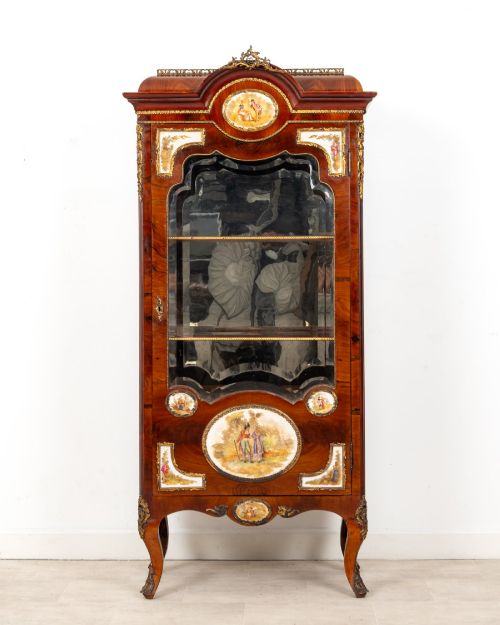
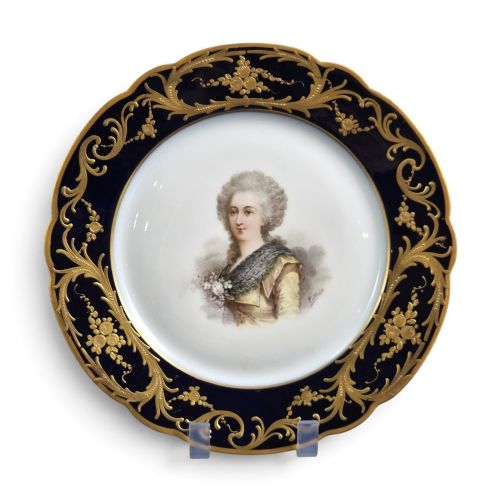
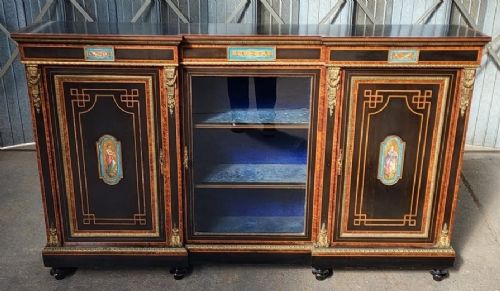
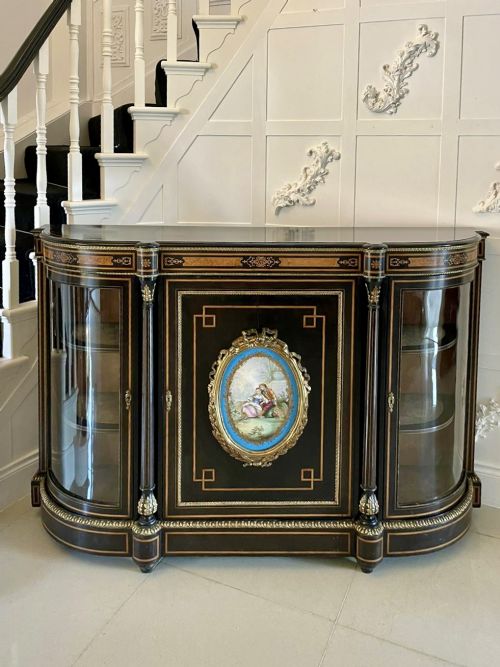
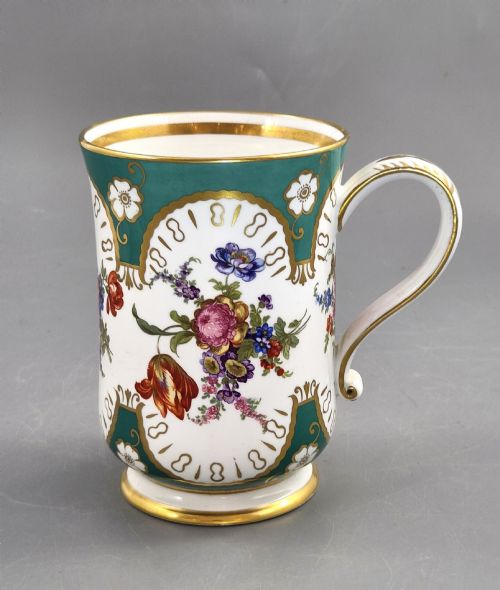
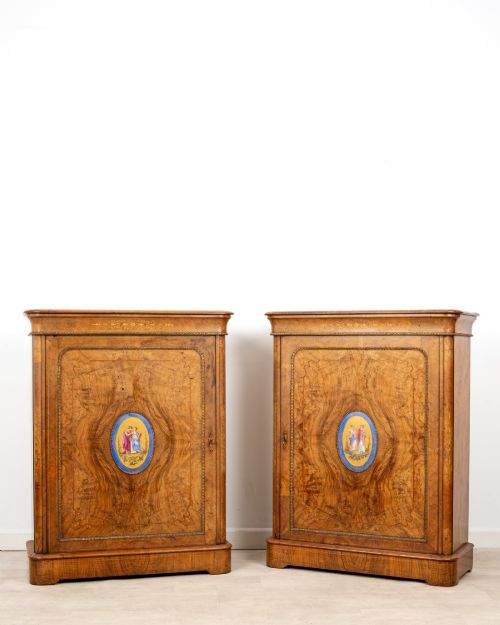
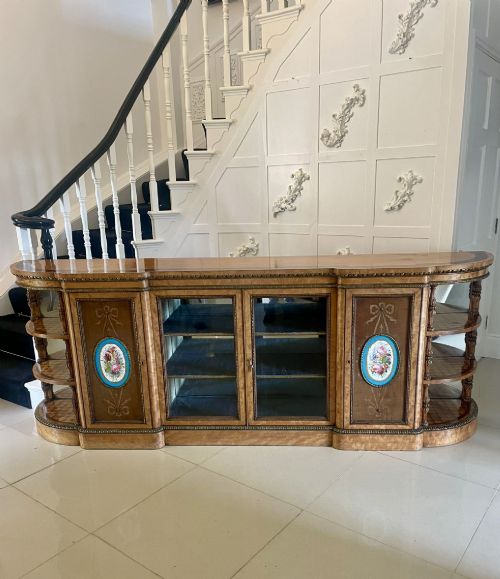
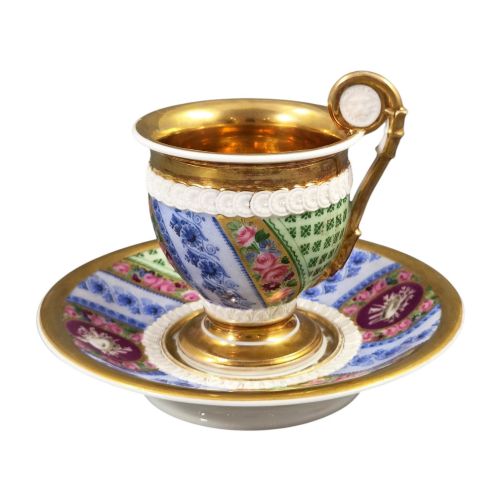
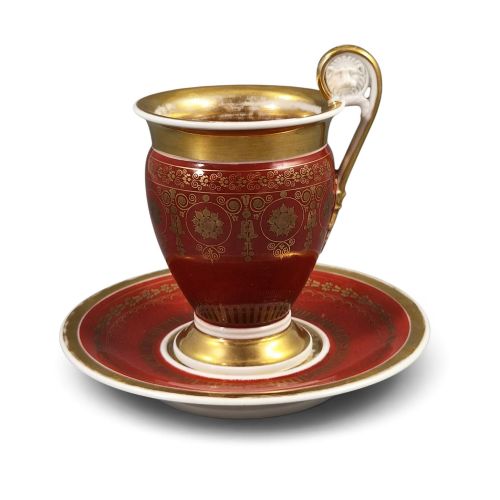
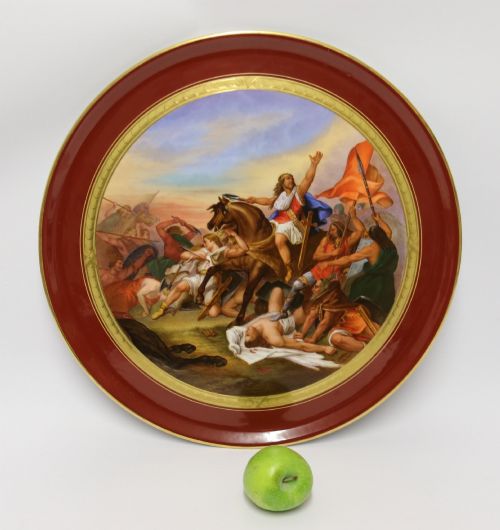
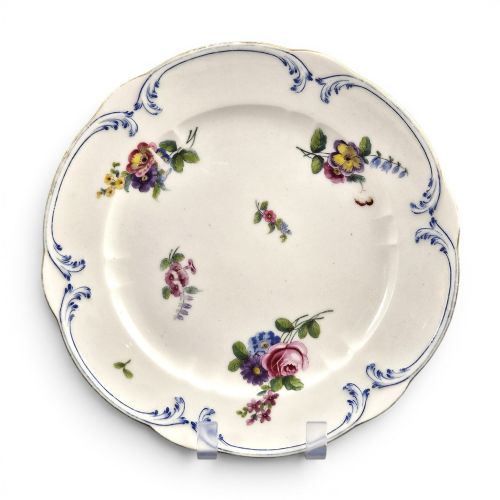
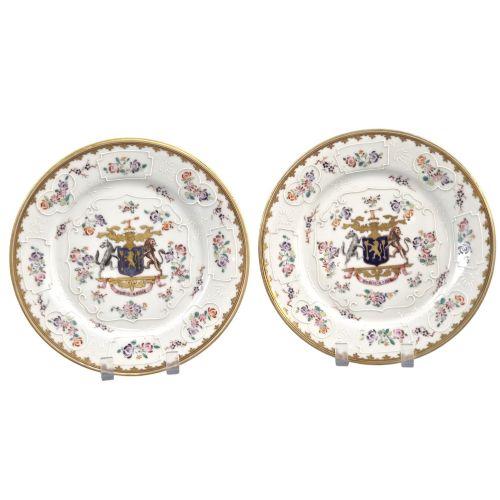
When you search for french cabinet porcelain, you encounter a selection spanning domestic furniture inset with ceramic plaques and independent display plates made for decorative use. The material manifests primarily in side cabinets, credenzas, and writing desks embellished with fired panels, alongside standalone cabinet cups, saucers, and chargers.
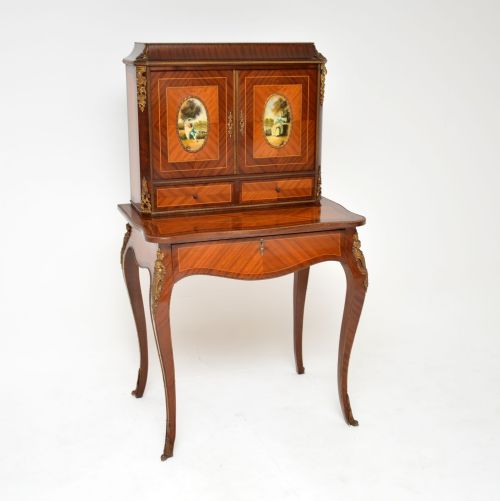
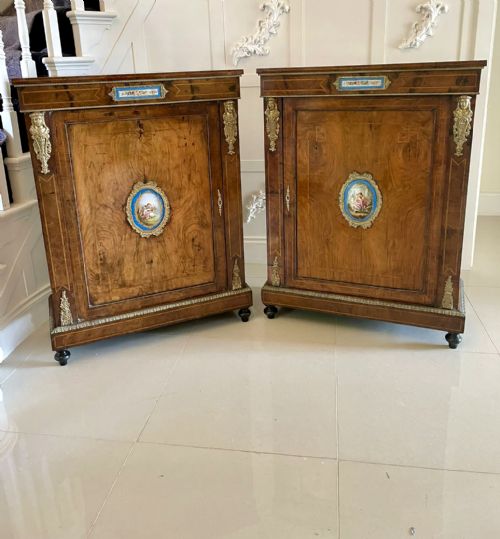
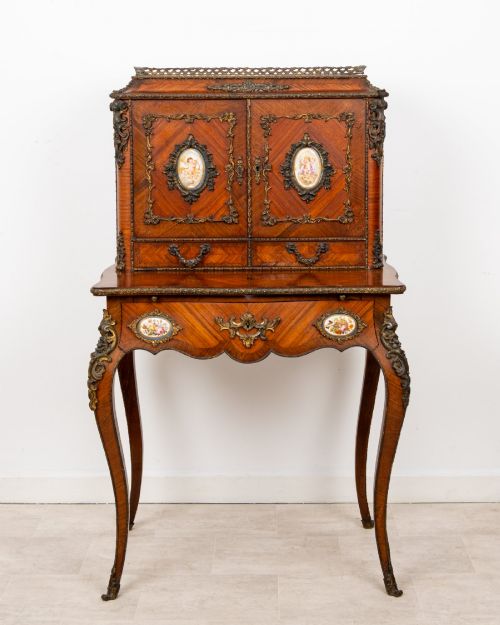
The objects derive largely from nineteenth-century workshops adopting earlier revival styles, though eighteenth-century examples also surface. Pieces range from grand breakfront credenzas and pier cabinets to small bonheur du jour desks housing hand-painted ceramic inserts.
Materials and Techniques
The construction relies on dense timber carcasses built from walnut, satinwood, kingwood, amboyna, and ebonised wood, frequently decorated with marquetry or gold leaf. Ormolu mounts in gilt bronze frame the woodwork and outline the inset ceramic panels.
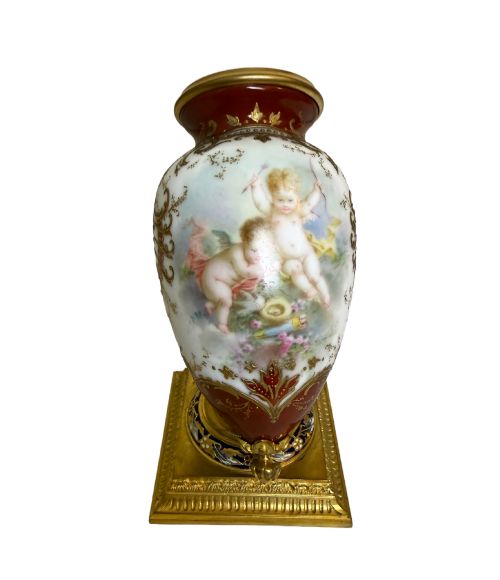
The porcelain elements involve soft-paste and hard-paste bodies painted by hand with portraits, florals, and historical scenes, often bearing factory marks associated with Paris production or Sèvres style methods.
Listings feature eighteenth-century and nineteenth-century periods, utilising porcelain, ormolu, glass, kingwood, enamel, gold leaf, ebonised wood, and burr walnut.
Gradations of Make
Superior execution shows in the precision of the bronze mountings, where chased ormolu sits flush against the timber framing without gaps. The depth and hand-painting detail of the porcelain plaques distinguish standard production from exhibition pieces.
Cabinetry build quality depends on the selection of timber veneers, the integrity of inlaid marquetry work, and the structural weight of the underlying carcase used to support heavy marble or ceramic components.
Edmé Samson & Cie·Darte Brothers
The French Cabinet Porcelain Glossary
- Ormolu
- Gilded bronze used for decorative mounts and furniture trimming. The technique involves applying a gold amalgam to bronze before firing.
- Credenza
- A low dining-room sideboard or display cabinet often fitted with doors enclosing shelves. In nineteenth-century french cabinet porcelain groupings, these frequently incorporate painted ceramic panels.
- Bonheur du jour
- A small light lady's writing desk featuring a small cabinet or set of drawers on the top surface. They frequently display inset porcelain plaques alongside kingwood or satinwood veneers.
- Pier cabinet
- A narrow display cabinet designed to stand against the wall space between windows. These pieces often feature glass doors and porcelain plaque inlays.
- Soft-paste porcelain
- An artificial ceramic body fired at lower temperatures than hard-paste porcelain. It produces a warm glaze texture common in eighteenth-century works.
French Cabinet Porcelain: Frequently Asked Questions
What is french cabinet porcelain?
French cabinet porcelain refers to ceramic items and decorated furniture panels produced in France during the eighteenth and nineteenth centuries. These include wall plates, cabinet cups, and furniture mounted with painted ceramic plaques.
The category spans useful wares intended for display cabinets alongside structural ceramic panels integrated directly into sideboards, desks, and credenzas by cabinetmakers.
How were these cabinets used?
These cabinets functioned primarily as display furniture for wealthy households to exhibit prized ceramics, books, and curiosities. The inset porcelain plaques served purely decorative purposes, advertising the owner's taste and wealth.
Writing desks like the bonheur du jour provided a compact workspace for correspondence, combining small drawers and writing surfaces with ornamental porcelain inserts.
How do I date a piece?
Dating relies on timber types, furniture styles, and ceramic backstamps. Nineteenth-century revival pieces often imitate eighteenth-century Louis XV or Louis XVI designs through machine-sawn veneers and specific ormolu casting styles.
Examining the construction methods inside the cabinet carcase and checking the painted signatures or factory marks on the porcelain assists in narrowing the period of manufacture.
How do I care for timber and porcelain?
Maintain the wood using traditional beeswax applied sparingly, avoiding modern silicone polishes that can degrade nineteenth-century French finishes. Protect ormolu mounts from moisture and abrasive cleaners to preserve the original gilding.
Dust porcelain plaques gently with a soft dry cloth. Avoid using water or liquid solvents on hand-painted enamel surfaces to prevent lifting the pigment.