


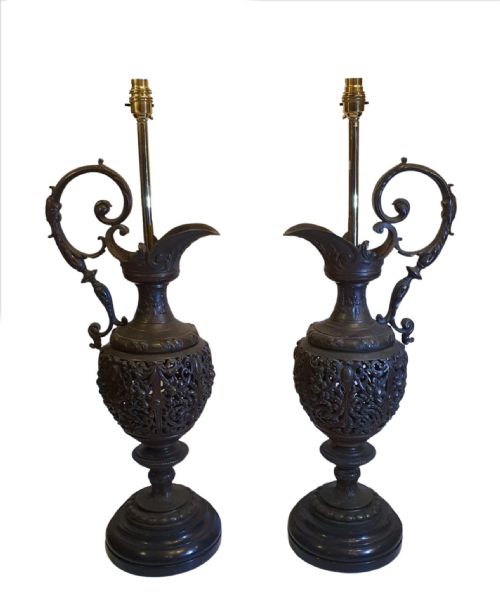

19th Century French Ewer
A 19th century french ewer brings sculptural grace to a room, offering classic form executed in bronze, glass, or porcelain.
19th Century French Ewer
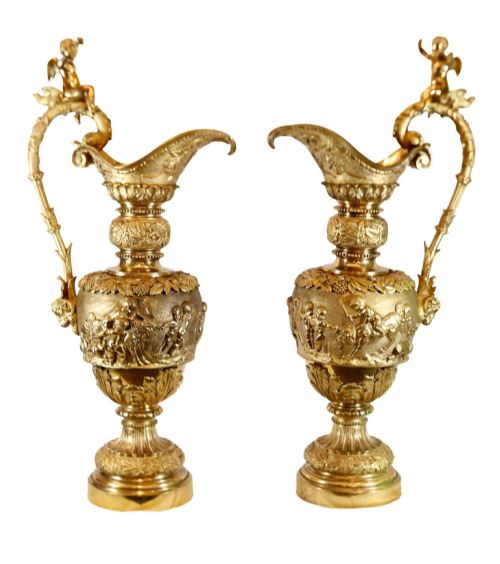
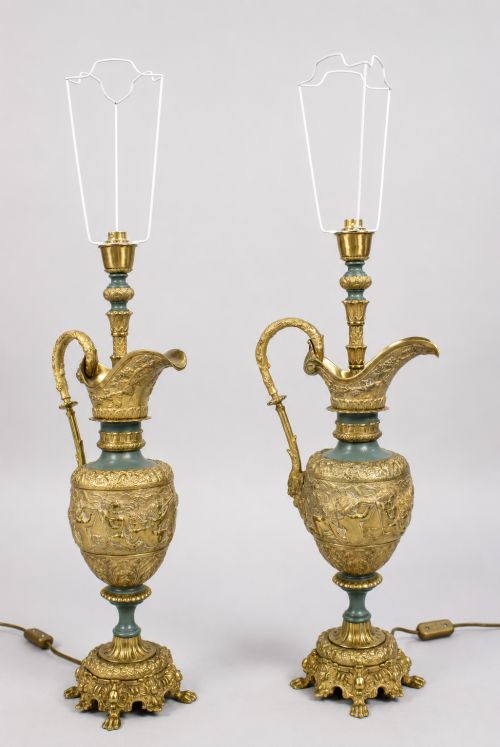
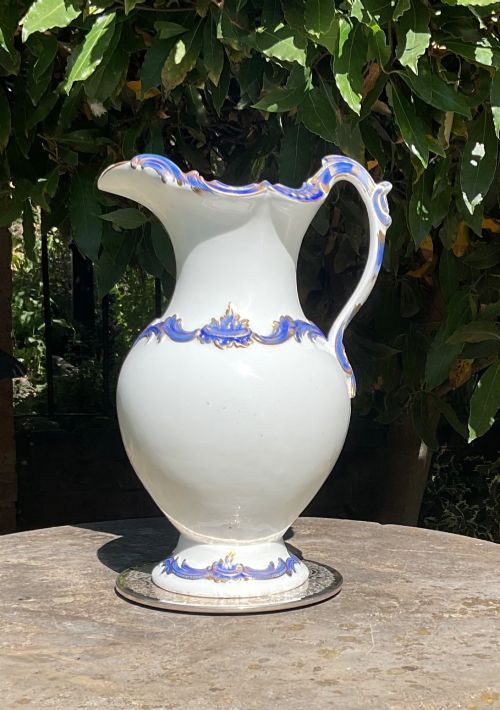
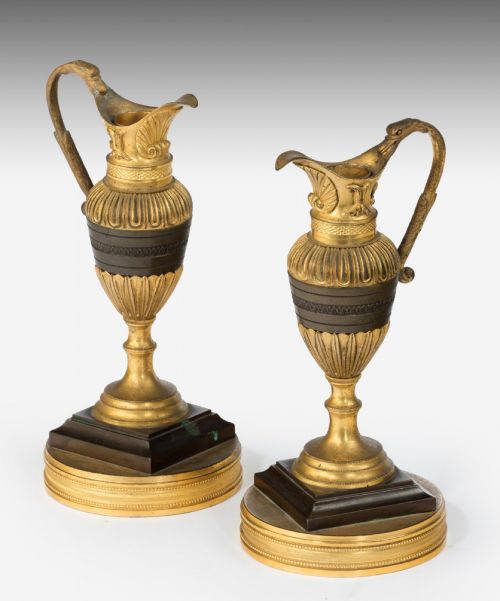
A 19th century french ewer combines traditional water-pouring vessel shapes with ornamental design, appearing across this page as table lamps, decorative objects, and water jugs. Buyers searching this phrase encounter forms ranging from miniature porcelain pieces to large bronze and ormolu examples.
The pieces on this page span the nineteenth century, reflecting periods such as the eighteen-sixties and eighteen-eighties alongside broader nineteenth-century dating. Object types include decorative pitchers and ewers converted to table lamps.
Origins remain firmly French, with specific factory attribution appearing in works from makers like Gien and Baccarat. Styles draw heavily upon Renaissance Revival, French Rococo Revival, and Neo-classical traditions.
Materials and construction
Construction relies upon traditional foundry and ceramic techniques, utilising bronze, ormolu, brass, and gilt metal alongside porcelain, enamel, and crystal glass. Metalwork often involves casting, chasing, and gilding to achieve crisp decorative detail.
Glass vessels incorporate techniques such as white glass latticinio decoration within crystal glass bodies. Ceramic pieces utilise faience and porcelain bodies painted with mythological figures and cherub decoration.
Several ewers found new purpose lighting up rooms after being thoughtfully converted into table lamps.
Assessing quality
Quality depends upon the crispness of the casting in bronze and ormolu elements, where sharp relief and refined chasing distinguish superior work. In ceramic and glass examples, the precision of the painting and the clarity of the material determine the standard.
Proportion and decorative harmony separate standard production from exceptional pieces. The integration of mounts onto glass or porcelain bodies requires careful alignment and balance.
Pierre Alexander Schoenewerk·Gien·Baccarat
The 19th Century French Ewer Glossary
- Ewer
- A large jug with a wide spout and handle, traditionally used for holding water but frequently produced in the nineteenth century purely for decorative display.
- Ormolu
- Gilt bronze, created by applying finely ground gold-mercury amalgam to a bronze base, producing a rich golden finish seen on many nineteenth-century mounts.
- Latticinio
- A glassmaking technique involving opaque white glass threads embedded within clear crystal glass to create intricate patterns.
- Faience
- Tin-glazed earthenware, characteristic of French regional potteries such as Gien during the nineteenth century.
- Renaissance Revival
- An architectural and decorative style popular in the nineteenth century that draws inspiration from sixteenth-century European art and motifs.
19th Century French Ewer: Frequently Asked Questions
How were these ewers used historically?
Originally designed to hold water for washing hands at a basin, many nineteenth-century examples functioned purely as decorative ornaments.
Over time, some ewers were adapted for modern interiors, including conversion into table lamps while retaining their sculptural form.
How do I identify the style of an ewer?
Style identification relies upon examining the decorative motifs, such as cherubs and mythological figures, and the overall silhouette.
Neo-classical and Rococo Revival pieces display distinct ornamental vocabulary rooted in historical French design periods.
What materials are common in these pieces?
Common materials include cast bronze, ormolu, brass, and gilt metal, frequently paired with crystal glass, porcelain, or faience.
Enamel and white glass latticinio decoration also appear across various nineteenth-century examples on this page.
How do I live with a converted ewer lamp?
Placing a ewer lamp on a side table or sideboard allows the bronze, glass, or porcelain body to serve as a sculptural focal point.
Ensure placement accommodates the proportions of the vessel and its electrical fittings safely within the room.