



Charles X Porcelain
These charles x porcelain items are decorative pieces that collectors prize for their fine detailing.
Charles X Porcelain
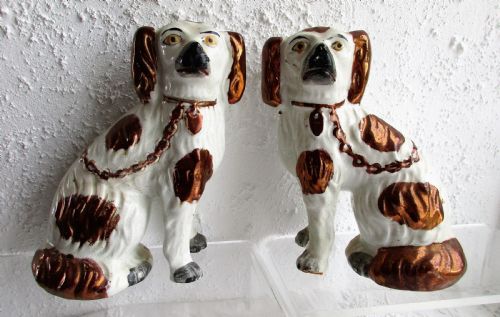
When you search for charles x porcelain, you encounter items from the nineteenth century alongside later periods including Edwardian and Victorian works. The pieces available span ceramic figurines, cabinet plates, decorative vases, and small pitchers.
You are most likely to meet decorative objects and ceramic vessels that reflect traditional European styles and French Restoration influences. These domestic ornaments reveal the enduring popularity of figurative and floral motifs across various decades.
How charles x porcelain was made
Makers utilised porcelain and earthenware as the primary ceramic bodies, shaping them into cabinet plates, ewers, and figurative sculptures. Artisans applied coloured glaze and enamel finishes to the surfaces to create depth and visual contrast.
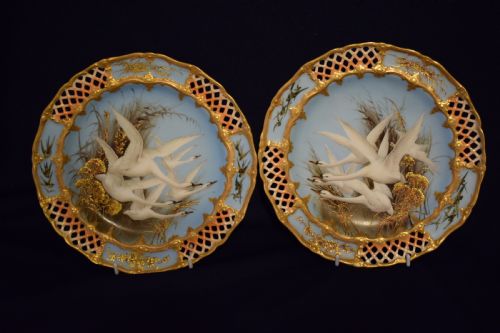
Many pieces incorporate gilt, gold leaf, and delicate gilding to highlight raised details and rims. Skilled painters also applied detailed enamel scenes directly onto the porcelain bodies before final firing.
Swans glide across several cabinet plates and vases, proving that waterfowl make remarkably steadfast companions for porcelain collectors.
What varies in quality
The standard of painting and gilding distinguishes finer pieces from ordinary production. Hand-painted natural subjects demonstrate superior artistic control compared to simpler decorative treatments.
The crispness of moulding in ceramic figurines and pierced cabinet plates reveals the skill involved in the initial manufacturing process. Heavier application of gold leaf and careful finishing separate standard items from superior examples.
The Charles X Porcelain Glossary
- Cabinet plate
- A decorative ceramic plate intended for display rather than dining. These items often feature hand-painted scenes or pierced borders.
- Gilding
- The application of gold leaf or gold powder to ceramic surfaces. This technique adds metallic highlights to rims and decorative motifs.
- Ewer
- A large jug with a wide spout and a handle. Miniature versions serve purely decorative functions in domestic displays.
- Enamel
- A decorative glassy substance fused to ceramic surfaces through firing. It provides durable colour and glossy finish to painted details.
Charles X Porcelain: Frequently Asked Questions
What are charles x porcelain items used for?
These pieces serve primarily as decorative objects for display within cabinets, on mantelpieces, or on side tables.
Collectors historically used cabinet plates and small vases to showcase refined taste and artistic craftsmanship in domestic interiors.
How do I clean charles x porcelain?
Dust these delicate ceramic items gently with a soft, dry brush to prevent the accumulation of dirt on glazed surfaces.
Avoid using water, chemical cleaners, or abrasive cloths, as these substances can damage fragile gilding and hand-painted enamel details.
Are these items purely decorative?
Most objects found under this category, such as cabinet plates and decorative vases, are intended strictly for visual display.
Functional forms like pitchers and ewers generally remain ornamental due to the delicate nature of their historic materials.
How do I identify the period of a piece?
Examine the style of decoration, ceramic body, and any visible maker marks to determine the likely era of manufacture.
Comparing the painting technique and glaze characteristics with documented examples from the nineteenth and twentieth centuries helps establish age.