




French Bronzes and Spelter
French bronzes and spelter bring sculptural weight and decorative metalwork into a room, spanning the nineteenth century through the art deco era.
French Bronzes and Spelter
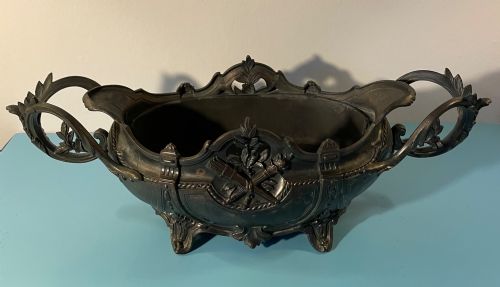
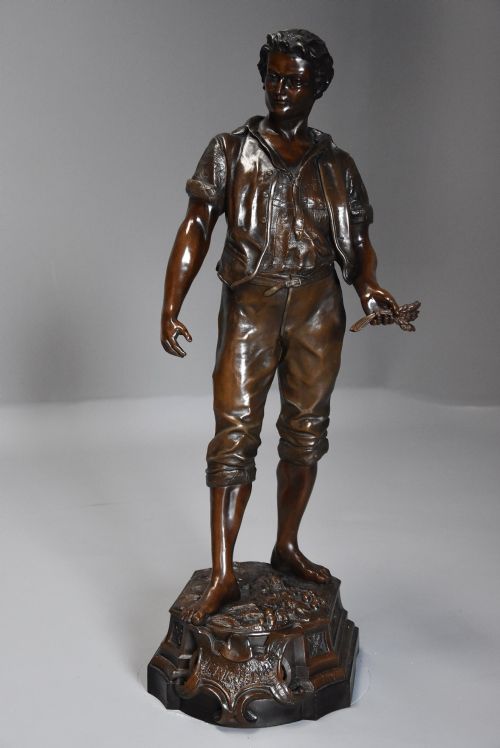
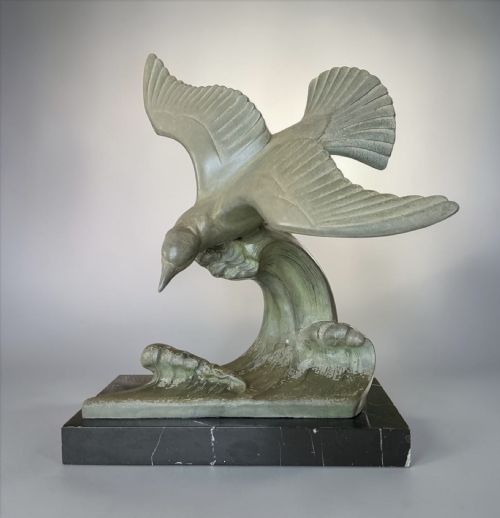
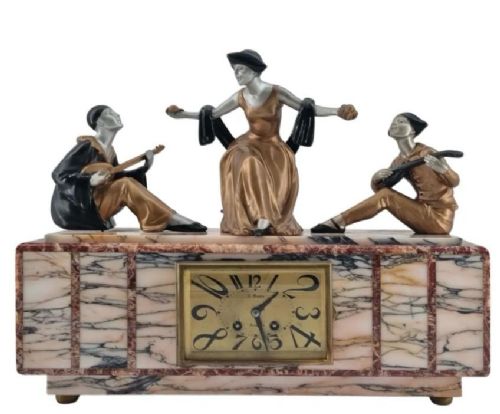
French bronzes and spelter encompass figural sculptures, animals, table lamps, mantel clocks, and bookends originating from France. The items span the nineteenth century, eighteen-eighties, eighteen-nineties, nineteen-hundreds, nineteen-tens, nineteen-twenties, and nineteen-thirties.
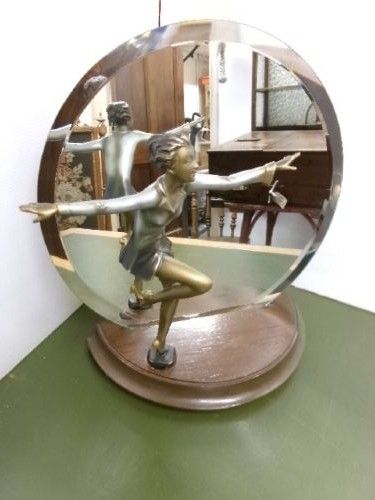
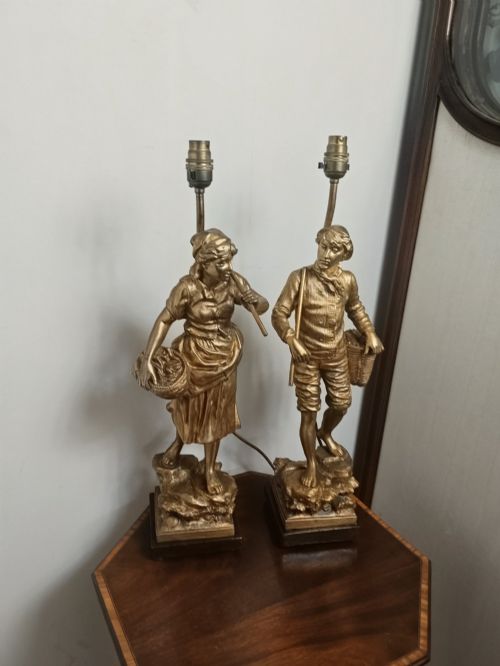
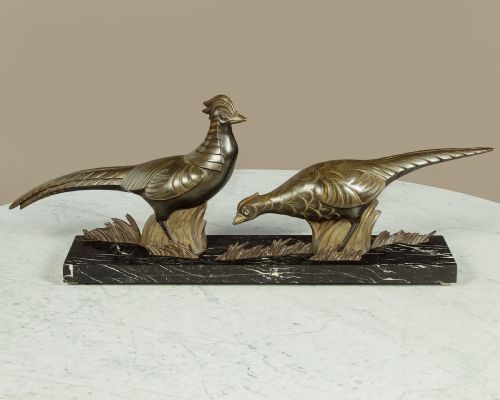
The objects appear in styles such as art deco, art nouveau, french neoclassical, french rococo revival, and french realism. Figures range from dancers, athletes, and farm labourers to animals like deer, panthers, stags, and pheasants.
Compositions often integrate bases made from marble, onyx, or wood to support the metal figures. Functional pieces combine metal casting with lighting fixtures, clock movements, or glass components.
How they were made
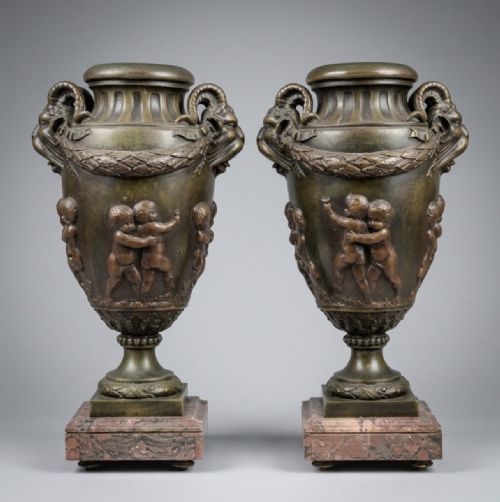
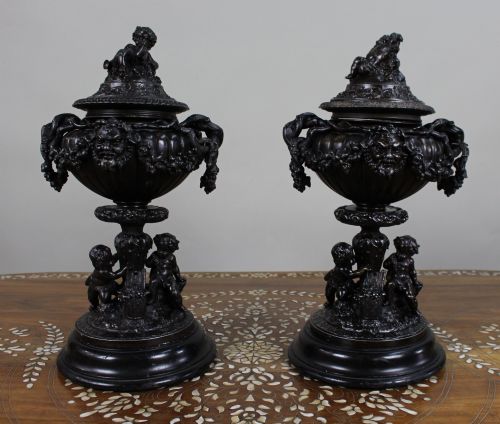
Makers utilised bronze and spelter, a zinc-based alloy, as the primary casting metals for figures and decorative urns. Spelter pieces frequently received a bronzed or gilt surface finish to emulate heavier metal casting.
Mounts and plinths combine natural materials like marble and onyx with the metal sculptures. Additional elements incorporate glass, brass, and wood to complete lamps, clocks, and candelabra.
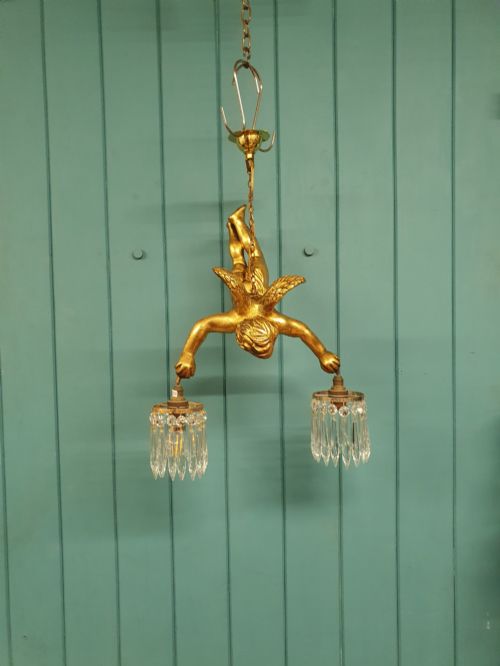
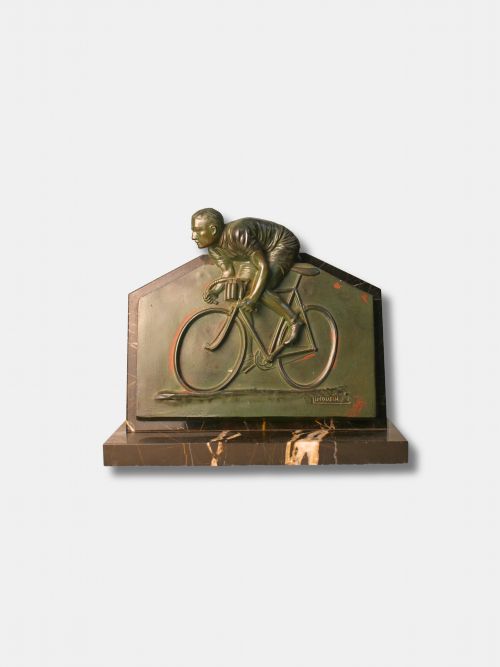
Metal cyclists, flying cherubs, and racing greyhounds capture nineteenth and twentieth-century kinetic energy in unmoving metal.
What varies in quality
The integration of the base material affects the overall balance of the piece, with dense marbles and onyx stones providing stability to larger figural groups. The presence of signatures from known modellers adds distinction to individual works.
E Rousseau·F.Milliot·L & F Moreau·Sega·P. Sega·C Masson·Geo Maxim·H. Bal·Chiparus·Auguste Moreau
The French Bronzes and Spelter Glossary
- Spelter
- A zinc-based alloy used as an accessible alternative to bronze for casting decorative figures and objects. It takes patination well but is softer than bronze.
- Patina
- The surface sheen or coloration developed on metal through age or chemical application. It enhances the visual depth of cast metal figures.
- Garniture
- A set of matching decorative objects, typically comprising a mantel clock flanked by urns or candelabra. These sets form balanced displays on mantelpieces.
- Plinth
- The solid base or pedestal upon which a sculpture or clock rests. Materials like marble and onyx frequently serve this structural purpose.
French Bronzes and Spelter: Frequently Asked Questions
How do I clean spelter?
Dust metal surfaces gently with a soft dry cloth to avoid damaging the applied patina or finish. Moisture and harsh cleaning agents should be kept away from the metal.
Marble and onyx bases can be wiped with a barely damp cloth and dried immediately. Take care around glued joints and signature marks.
Are spelter figures fragile?
Spelter is a softer alloy than bronze, meaning fine protruding details can bend or snap under pressure. Handle sculptures by their heavier structural sections rather than thin limbs or accessories.
Display pieces on stable surfaces where accidental knocks are unlikely. Heavy marble plinths help anchor the top-heavy forms.
How do I date these pieces?
Stylistic indicators point towards specific eras, such as clean geometric lines for nineteen-twenties art deco and organic flowing forms for nineteen-hundreds art nouveau. Materials and mounting styles also align with nineteenth-century or twentieth-century manufacturing practices.
Artist signatures inscribed on the metal or base provide a direct link to active working periods. Clock movements and mounting hardware offer further chronological clues.
Can antique lamps be rewired?
Wiring on older lamps can be updated to meet modern safety standards by a qualified professional. Preserving original fittings and sockets is often desirable where feasible.
Ensure any rewiring preserves the structural integrity of the metal and stone components. The original switchgear and plugs can sometimes be retained on display sides.