
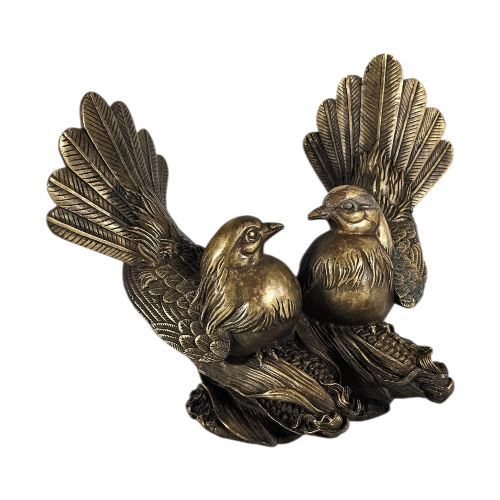
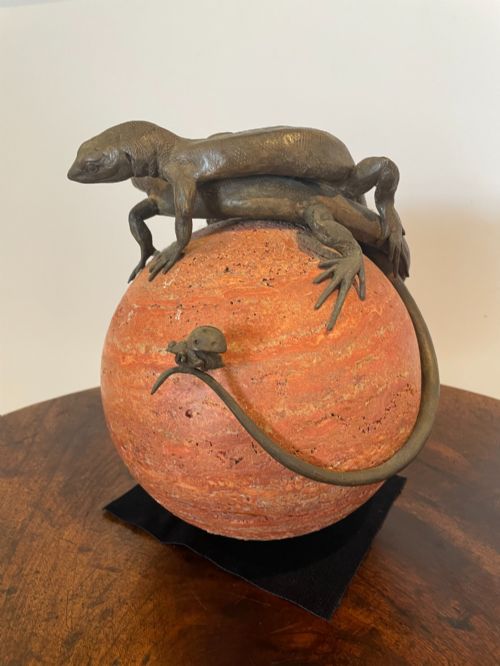
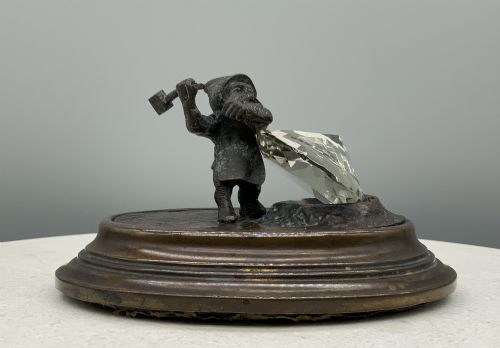
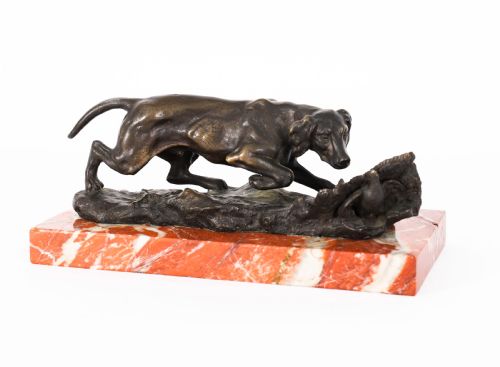
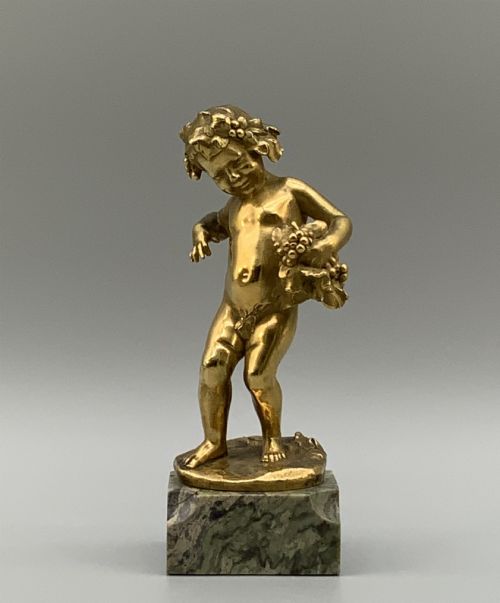
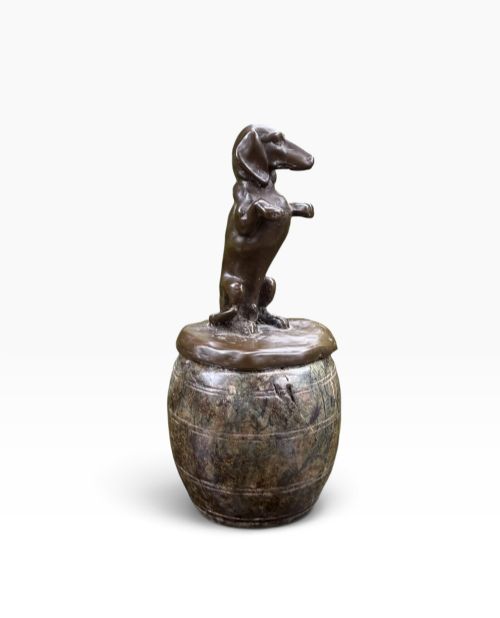

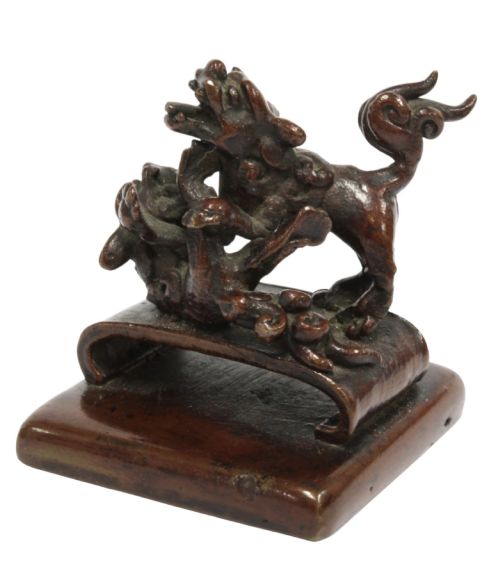
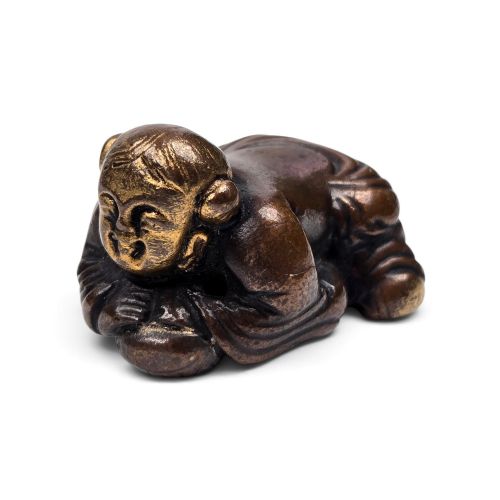
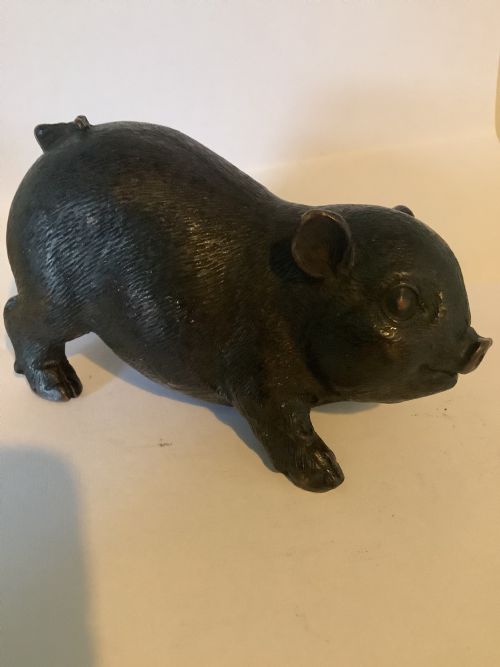
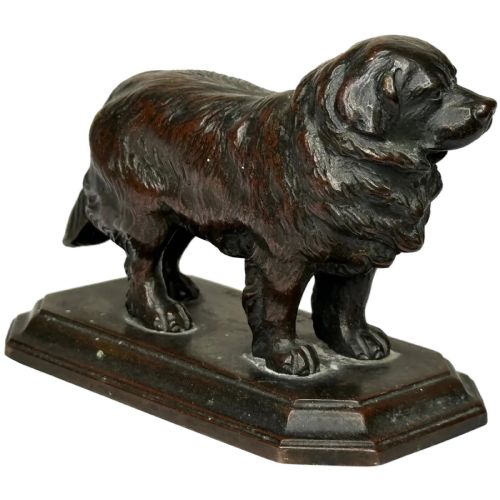
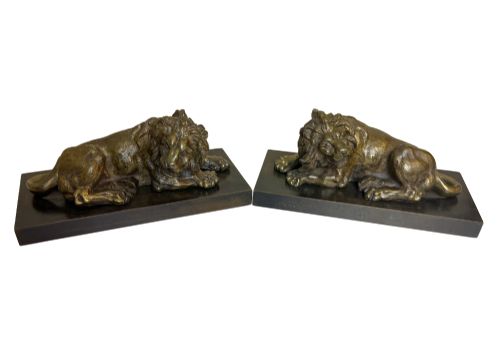
Antique Bronze Paperweight Sculpture
These pieces combine heft and detail to hold loose leaves on a desk.
Antique Bronze Paperweight Sculpture
When you search for antique bronze paperweight sculpture, you encounter small desk ornaments, seals, and figurative studies shaped as animals, mythological creatures, and classical motifs. These items originate predominantly from nineteenth and early twentieth century European and Asian workshops.
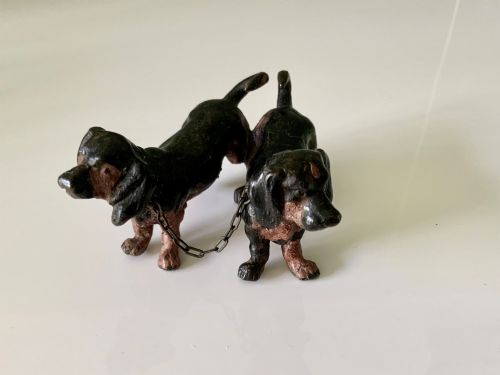
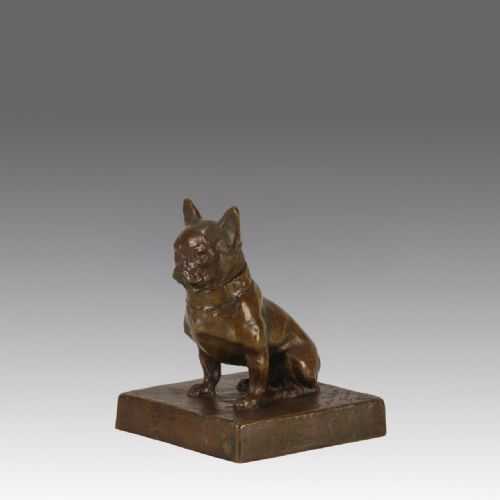
The objects on this page range from cold-painted Austrian fauna and French animalier hound studies to cast bronze Chinese mythical beasts and Italian Grand Tour fragments. Most selections measure small enough to sit upon correspondence while providing substantial weight through solid metal casting.
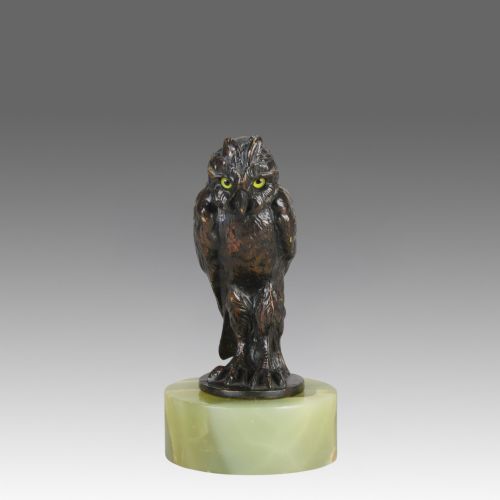
Animal figures dominate the selection, with dogs, birds, and insects modelled with varying degrees of anatomical precision. Many incorporate integrated bases of marble or onyx to anchor the heavy metal sculpture for daily desktop utility.
How they were made
Foundries produced these items using traditional metal-casting methods, predominantly the lost-wax technique for intricate figures or solid-cast moulds for heavier scholars' objects. The resulting bronze takes surface finishes ranging from natural dark patination to selective fire gilding.
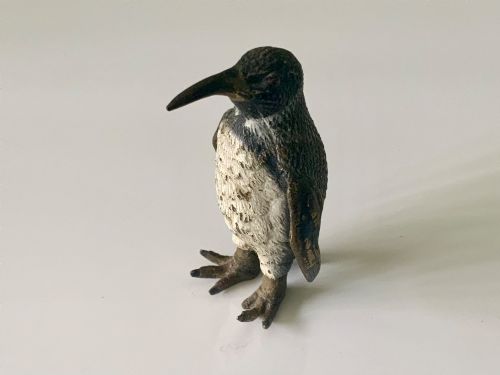
Cold-painted pieces receive polychrome enamel paint applied directly onto the cold metal surface after casting. Artisans working in Viennese and Parisian studios layered pigments by hand to render realistic plumage, fur, and skin tones on small bronze figures.
Mounting often involved securing the cast bronze figure onto a polished slab of green or white marble or banded onyx. This combination provides a contrasting visual base while adding the necessary downward pressure for use as a desk weight.
The selection includes animal studies spanning the Victorian era through the Art Deco period.
What varies in quality
The crispness of the chasing and finishing work separates superior examples from standard production pieces. Skilled chiselling after casting defines musculature, feathers, and facial expressions with sharp, clean lines rather than soft edges.
The preservation of original cold-painted enamel surfaces dictates the desirability of Viennese and continental animal figures. Minimal paint loss and bright, intact polychrome indicate careful handling and storage over generations.
The weight distribution and the quality of the stone base contribute to the overall integrity of the piece. Dense, heavy marble or onyx foundations match the substantial feel of solid-cast bronze without wobbling or shifting.
Carl Kauba·Susse Frères·Franz Bergman·Pierre Jules Mene·Antoine Louis Barye
The Antique Bronze Paperweight Sculpture Glossary
- Animalier
- A nineteenth-century artistic movement dedicated to the realistic portrayal of animals. Sculptors in this tradition focused on the anatomical accuracy and natural behaviour of beasts.
- Cold-painted bronze
- A technique where bronze sculptures are painted with enamel colours without undergoing a high-temperature firing process. This method was widely utilised by Austrian foundries for small animal figures.
- Grand Tour
- Souvenirs and miniature bronze replicas of classical antiquities collected by travellers in Italy during the eighteenth and nineteenth centuries. These items draw inspiration from Roman architecture and sculpture.
- Okimono
- Japanese decorative objects and small carvings placed on display in homes during the Meiji period. They frequently depict realistic insects, animals, and figures cast in bronze.
- Patination
- The natural or artificial chemical alteration of the bronze surface over time. A stable patina protects the underlying metal and provides varied brown, green, or black colour tones.
Antique Bronze Paperweight Sculpture: Frequently Asked Questions
What is an animalier bronze sculpture?
Animalier sculptures depict animals in realistic, dynamic poses, capturing their natural movement and anatomy. This genre gained immense popularity across Europe during the nineteenth century.
Artists focused on wild beasts, domestic pets, and working animals, often casting them in durable bronze with careful attention to texture and form.
What are Grand Tour bronzes?
Grand Tour bronzes are miniature replicas of classical statues, ruins, and architectural elements collected by wealthy travellers touring European cultural sites. These items served as portable reminders of classical antiquity.
They typically feature patinated bronze surfaces and are occasionally mounted on stone bases to emulate museum exhibits.
How were bronze desk paperweights used?
Desk paperweights anchored loose documents, letters, and parchment on writing tables in studies and offices. Their heavy metal construction prevented papers from blowing away in draughty rooms.
Beyond practical utility, they functioned as decorative desk ornaments reflecting the refined tastes of the owner through sculptural subjects.