



Vintage Bronze Figurative Art
Vintage bronze figurative art brings human form and kinetic grace into a room through cast metal figures from the nineteenth and twentieth centuries.
Vintage Bronze Figurative Art
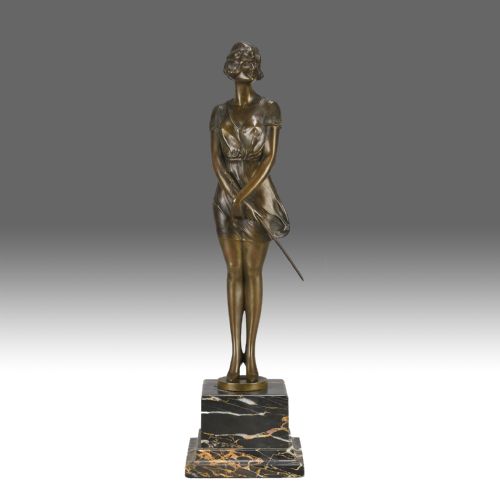
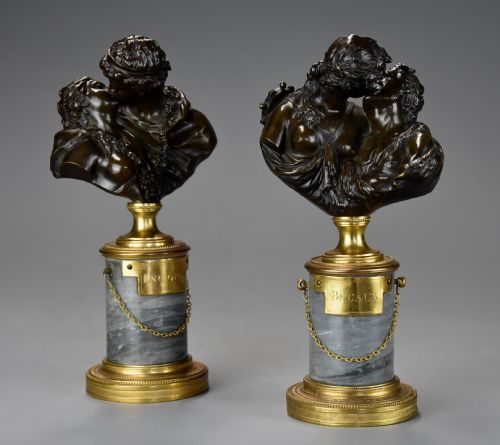
Vintage bronze figurative art encompasses sculptural works, busts, and functional lamps created during periods ranging from the late nineteenth century through the Art Deco era. Buyers seeking these pieces encounter representations of dancers, athletes, and mythological figures cast in metal and mounted on stone bases.
The selection on this page leans heavily toward French production, Art Nouveau styling, and twentieth-century modernism. Works vary from miniature nineteenth-century studies after classical sculptors to full-scale figures by named artists of the nineteen-twenties.
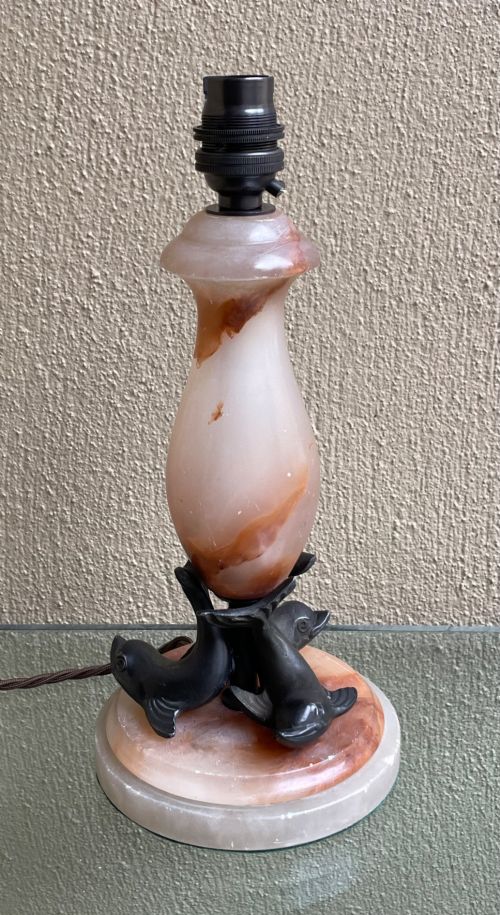
Forms extend beyond standalone sculptures to include illuminated table lamps and night lights where the figurative element interacts with a light source. Marble and onyx bases frequently anchor these heavier compositions, adding weight and contrasting colour to the cast metal.
Materials and construction methods
Foundries produced these figurative works using traditional metal casting techniques, primarily working with bronze or alternative composite metals. Many pieces receive a deliberate surface treatment, creating patinas that range from dark tones to bright gilt highlights.
Sculptures frequently incorporate mixed media elements, mounting the primary metal figure onto bases of carved marble or onyx. Certain lamp designs integrate glass components to diffuse light alongside the metalwork.
Materials documented across the available inventory include bronze, spelter, marble, onyx, ormolu, glass, and mixed metal elements.
Judging quality in figurative castings
Quality reveals itself in the crispness of the chasing and the precision of the surface detail across the human form. Superior castings preserve the subtle musculature and facial expressions intended by the sculptor without softening during the foundry process.
The integrity of the patina and the quality of the stone base significantly influence the overall standard of a piece. Original mounts, undamaged patination, and clear signatures or foundry marks distinguish superior examples from standard production.
Bruno Zach·Josef Lorenzl·Friedrich Goldscheider·Ivan Zaiec·Ferdinand Preiss·Emmanuel Villanis·Charles Anfrie·Antoine Bofill
The Vintage Bronze Figurative Art Glossary
- Patina
- The surface coloration and chemical finish acquired by bronze over time or applied deliberately by the foundry. It enhances the visual depth of the metal.
- Spelter
- A zinc alloy frequently utilised as an economical alternative to bronze in decorative figures and lamps. It is lighter and softer than true bronze.
- Ormolu
- Gilded bronze created by applying finely ground gold to a metal base. This technique adds a rich, reflective golden finish to decorative elements.
- Chasing
- The manual finishing process applied to a metal casting using small punches and hammers. It refines the surface detail after the piece leaves the foundry.
Vintage Bronze Figurative Art: Frequently Asked Questions
How do I distinguish bronze from spelter?
Bronze is a heavy, durable copper alloy that takes a deep, stable patina and rings with a clear tone when tapped gently. Spelter is a softer zinc-based metal that feels lighter and often shows grey metal beneath worn surface finishes.
A magnet will not stick to either material, but careful examination of the underside or areas of wear usually reveals the denser, warmer colour of true bronze compared to the duller grey interior of spelter.
Were these sculptures always part of lamps?
Many figurative works were conceived strictly as standalone sculptures meant for display on mantelpieces or pedestals. However, makers during the Art Nouveau and Art Deco periods frequently adapted figurative bronzes and spelter castings to function as table lamps and night lights.
When evaluating a lit piece, look closely at how the wiring and lamp fittings integrate with the sculpture to determine if the illumination was part of the original design.
How should I clean a vintage bronze figure?
Dust bronze sculptures regularly with a soft, dry microfibre cloth to prevent the accumulation of grit in recessed details. Avoid using water, household detergents, or metal polishes, as these abrasive substances can strip away the original historic patina.
Applying a very light coat of microcrystalline wax by hand can protect the metal surface from atmospheric moisture and handling oils without altering its appearance.
What periods do these figures represent?
The pieces span from the mid-nineteenth century through the early decades of the twentieth century. Nineteenth-century works often reflect classical French revival styles and careful academic studies of the human form.
Early twentieth-century examples embrace the flowing organic curves of Art Nouveau or the sleek, dynamic geometries of Art Deco and the modernist movement.