


French Bronze Paperweight
A french bronze paperweight brings the weight and detail of nineteenth-century animalier sculpture straight to a desk.
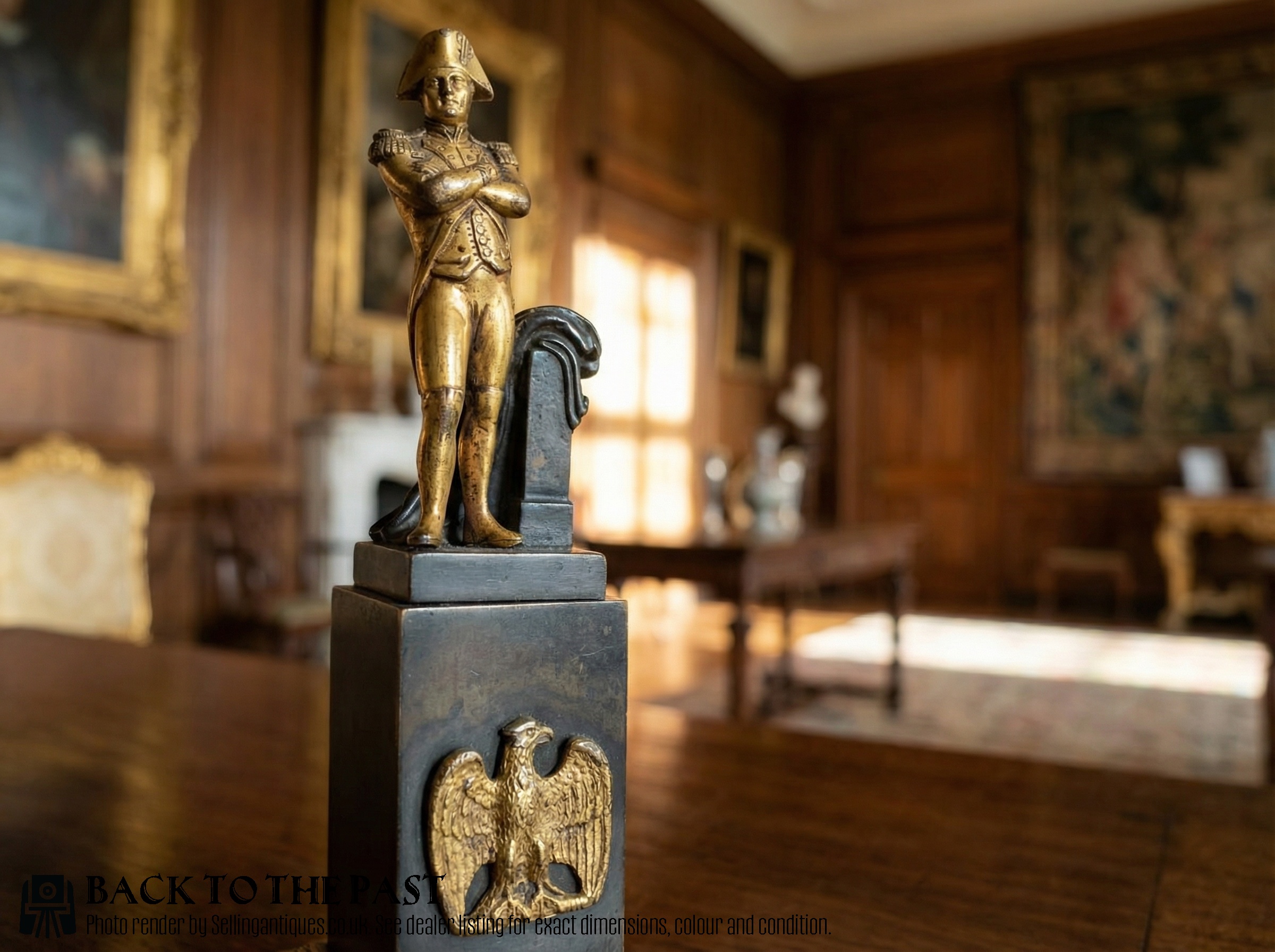
French Bronze Paperweight
When you search for a french bronze paperweight, you encounter small-scale animal studies, architectural models, and figures originating largely in the nineteenth century and the early decades of the twentieth century.
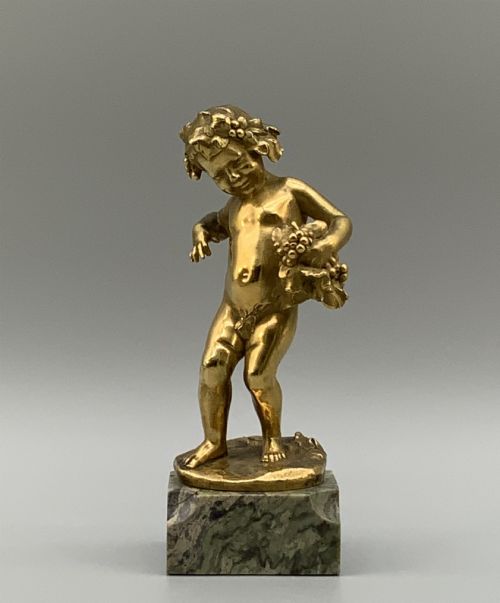
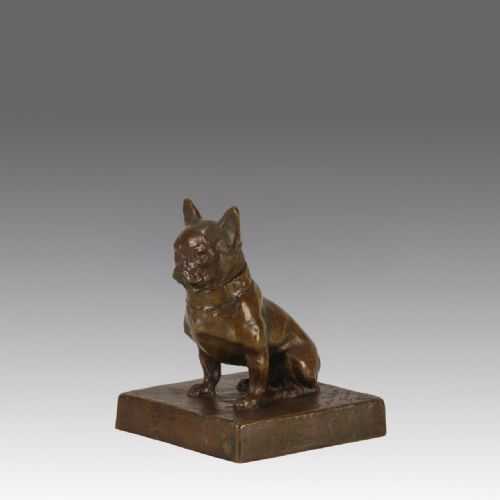
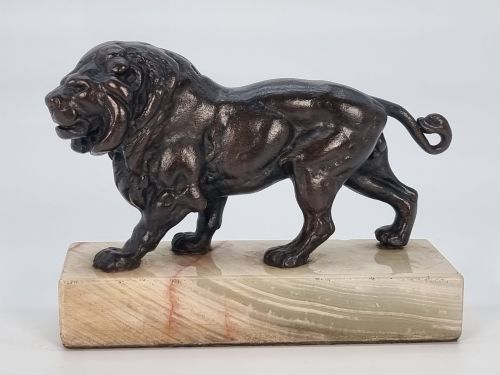
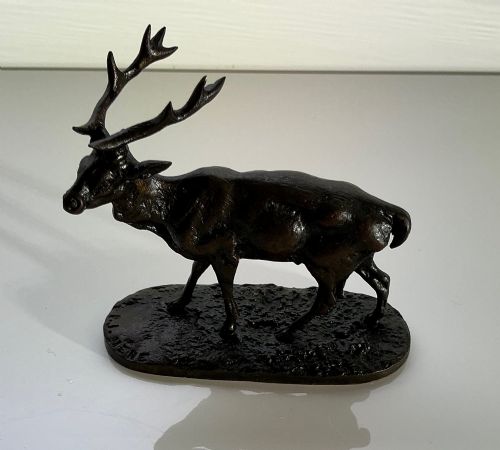
The versions you are most likely to meet on this page feature dogs, rabbits, lions, and stags, often mounted on marble, onyx, or timber bases.
These works bridge the gap between utilitarian desk accessories and fine cabinet bronzes, capturing the vitality of the French Animalier school in miniature.
How they were made
Foundries utilised traditional casting methods to capture minute anatomical details in bronze, patinated bronze, gilt bronze, and ormolu.
Many of these figures were combined with heavy mineral supports, including marble and onyx bases, to provide the necessary heft for anchoring papers.
Selected pieces received cold painted surfaces or rich patination to accentuate the texture of fur, feathers, and architectural stone.
The selection includes architectural models of the Arc de Triomphe alongside animal studies of dogs, rabbits, and stags.
What varies in quality
The distinction between tiers rests upon the crispness of the chase work and the fidelity of the casting after the model.
The choice and integration of the supporting marble or onyx base also signal the care taken by the foundry during assembly.
Charles Louis Malric·Susse Frères·Dora Heber·Pierre Jules Mene·Antoine Louis Barye·Barbedienne·Isidore Jules Bonheur·James Pradier·Ferrand
The French Bronze Paperweight Glossary
- Animalier
- A nineteenth-century artistic movement dedicated to the realistic portrayal of animals. Sculptors in this tradition focused closely on anatomy and movement.
- Ormolu
- Gilt bronze produced by applying a finely ground high-carat gold-mercury amalgam to a bronze object. This technique creates a rich, enduring golden surface.
- Patinated bronze
- Bronze treated with chemical solutions to alter its surface colour. This process produces shades ranging from deep brown to greenish tones.
- Grand Tour
- A cultural journey undertaken by nineteenth-century travellers who collected small bronzes and architectural models as souvenirs. These pieces often represented classical monuments.
French Bronze Paperweight: Frequently Asked Questions
Were these animals meant to hold down paper?
Many small nineteenth-century animal bronzes served dual purposes as decorative cabinet sculptures and functional desk weights for correspondence.
Their substantial metal weight and compact footprints made them ideal for keeping loose documents secure on a writing table.
What is an animalier bronze?
Animalier refers to nineteenth-century sculpture focused on accurate, lifelike depictions of animals in natural poses or motion.
French founders mastered this genre, producing expressive studies of dogs, stags, and big cats.
Why are some mounted on stone?
Foundries frequently attached smaller bronze figures to heavy slabs of marble or onyx to increase their overall mass.
This mounting also provided a clean visual frame that elevated a functional desk accessory into an art object.
How do I spot a nineteenth century piece?
Dating relies on observing the depth of the casting detail, the quality of the chemical patination, and the style of the base.
Signatures from known founders or sculptors, along with period materials like polished onyx and gilt bronze, offer reliable chronological clues.