




Antique Bacchus Statue
An antique bacchus statue brings the classical spirit of wine and revelry into a room through enduring bronze, marble and porcelain forms.
Antique Bacchus Statue
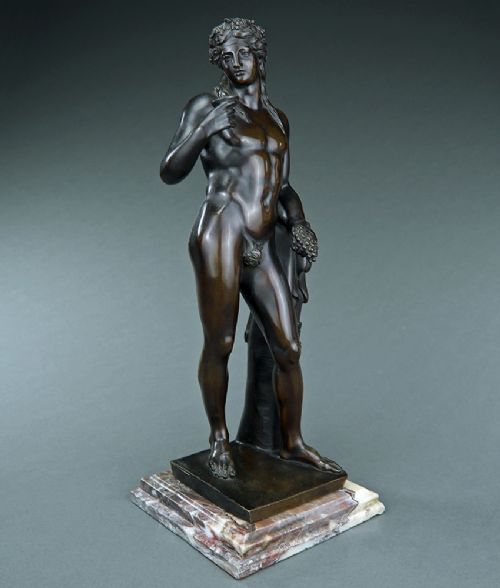
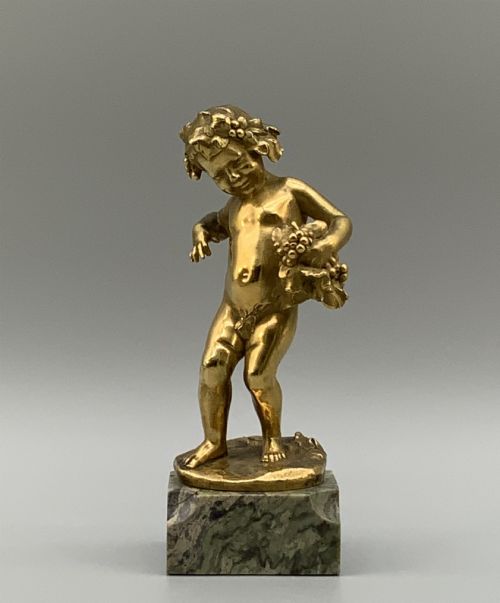
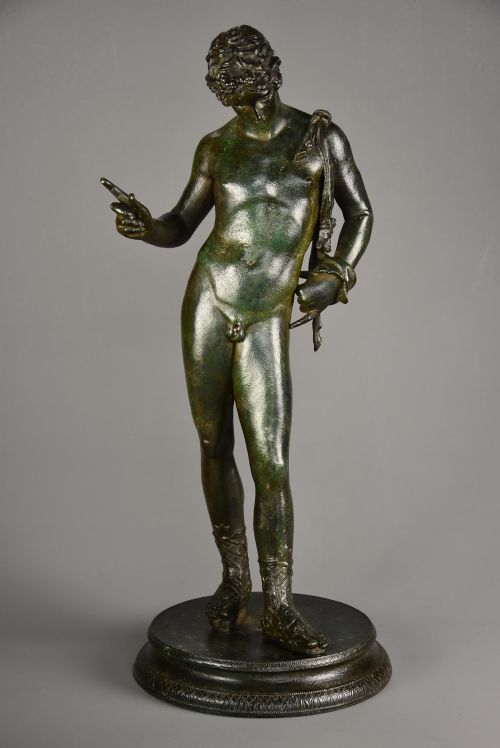
When searching for an antique bacchus statue, collectors encounter sculptural representations of the classical deity of wine, fertility and theatricality alongside closely associated figures like satyrs, fauns and putti. These works draw heavily upon neoclassical taste and Grand Tour traditions, translating ancient archetypes into decorative objects suited for nineteenth-century interiors.
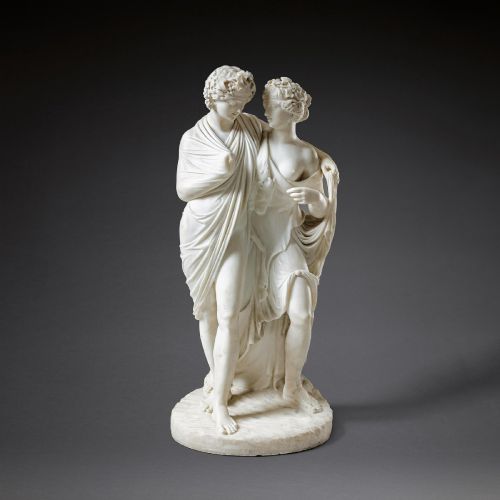
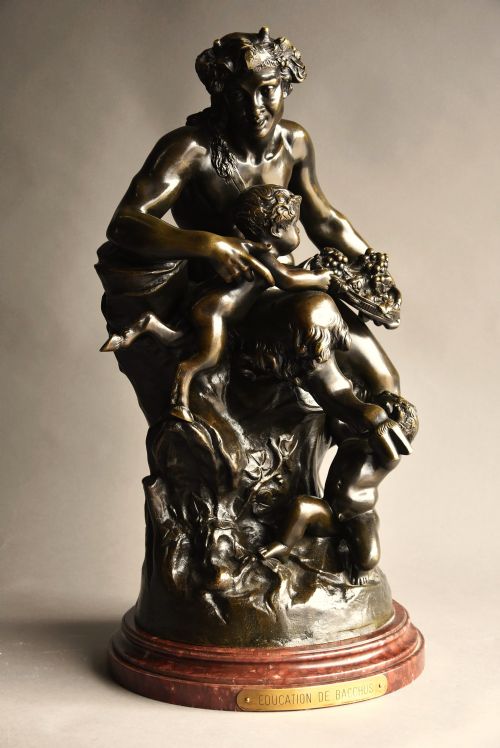
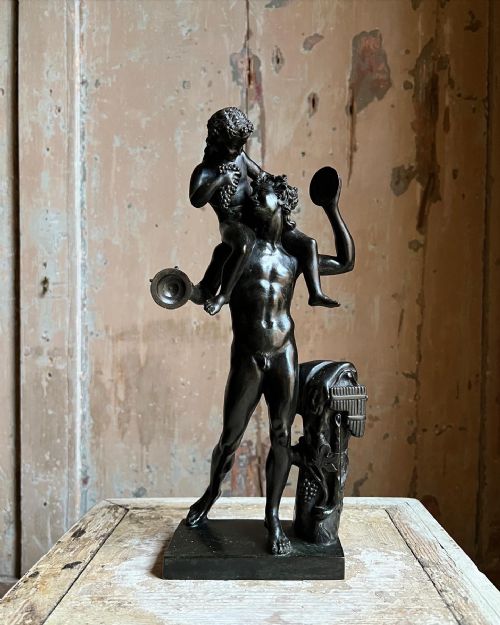
The pieces appearing on this page span several decades of the nineteenth century and extend into the early twentieth century, alongside earlier ceramic examples. Forms range from single standing figures eating grapes to complex sculptural groups involving multiple attendants, maidens and dancing figures.
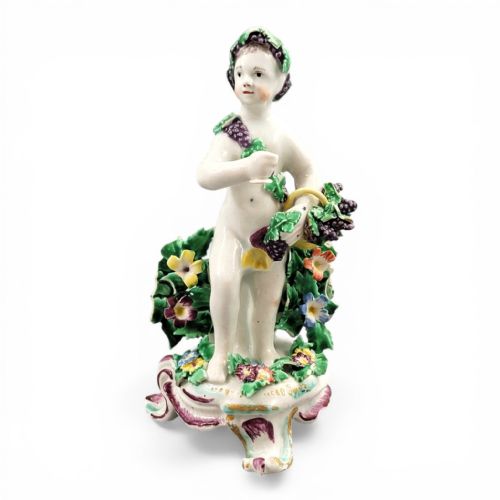
Grand Tour productions dominate the selection, reflecting the demand among travellers returning from Italy with classical souvenirs. Alongside these bronze and marble interpretations, soft-paste porcelain and earthenware figures capture the same mythological themes through glazed and painted ceramic mediums.
Materials and construction methods
Metal sculptures utilise traditional casting methods, often resulting in patinated bronze or gilt bronze finishes that imitate ancient metalwork. Sculptors applied chemical patination treatments to achieve distinctive green or dark brown surface tones.
Marble works employ white and Carrara varieties, carved to emulate classical antiquity through smooth musculature and detailed drapery. Ceramic examples rely on soft-paste porcelain or specialised clay bodies shaped into figures and mounted on prepared bases.
The sculptural forms span Neoclassical, Rococo Revival and Victorian Classical Revival stylistic traditions.
Distinctions in craftsmanship
The depth of patination and the quality of the material preparation further separate standard workshop productions from exceptional pieces. Works associated with named foundries or skilled modellers demonstrate superior anatomical proportion and balance.
Charles Louis Malric·Susse Frères·Carlo Albacini·Claude Michel Clodian·Royal Worcester
The Antique Bacchus Statue Glossary
- Grand Tour
- Souvenirs purchased by affluent travellers touring the cultural sites of Italy and Europe during the eighteenth and nineteenth centuries. These items typically replicated famous classical antiquities in bronze or marble.
- Patinated bronze
- Metal sculpture treated with chemical solutions to produce a coloured surface layer, such as green or deep brown. This finish protects the metal and mimics the appearance of buried antiquities.
- Putto
- A plump, naked male infant, frequently winged, appearing in classical and neoclassical art. In bacchanalian scenes, these figures often assist or play near the god of wine.
- Soft-paste porcelain
- A ceramic composition fired at lower temperatures than hard-paste porcelain, creating a creamy body and a distinctive glaze texture. It was frequently utilised for eighteenth-century figures.
- Neoclassical
- A style reviving the design elements of classical Greece and Rome that influenced European art and architecture from the mid-eighteenth century onward.
Antique Bacchus Statue: Frequently Asked Questions
What distinguishes a Grand Tour bronze?
Grand Tour bronzes were produced in European workshops, primarily in Italy and France, to satisfy the demand for portable souvenirs of ancient sculptures.
They replicate famous archaeological discoveries and often feature specialised patination designed to evoke the appearance of ancient buried metalwork.
How are satyrs related to Bacchus?
Satyrs and fauns are mythological companions of Bacchus, forming part of his rowdy retinue alongside maidens and putti. Sculptures frequently group the primary deity with these attendants to create dynamic narrative scenes involving wine and revelry.
These compositions derive directly from ancient Roman and Greek prototypes uncovered during archaeological excavations.
Where should marble statues be displayed?
Marble statues require stable indoor environments away from direct sunlight and sudden temperature shifts. Heavy stone pieces benefit from secure placement on sturdy pedestals or console tables that can support their substantial weight.
Dusting with a soft, dry cloth is sufficient for routine maintenance without risking the polished stone surface.
How can one identify nineteenth-century casts?
Nineteenth-century metal figures often reveal casting seams, foundry marks, or specific patination techniques characteristic of European metalworking foundries. Examining the underside and the fastening nuts or bolts provides further clues regarding the period of assembly.
Comparing the stylistic handling of anatomy and drapery against documented museum examples helps confirm the date of production.