


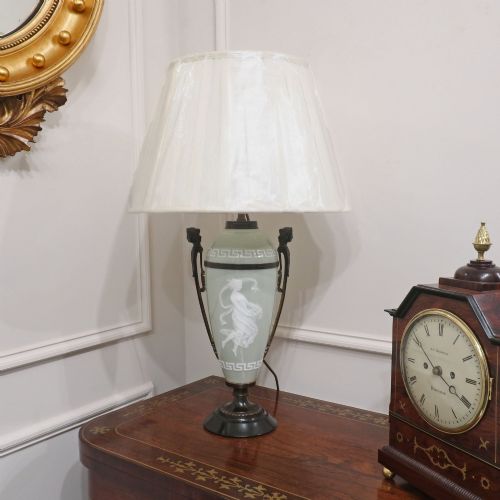
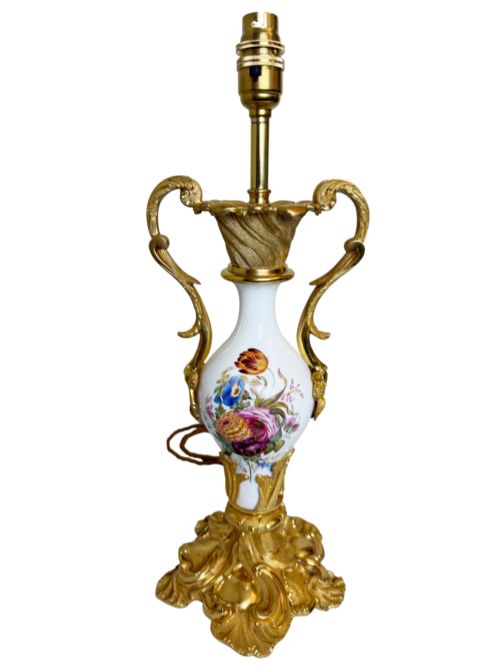
French Bronze Lamps
French bronze lamps bring enduring warmth and classical proportion to a room, uniting patinated metal with refined gilt mounts.
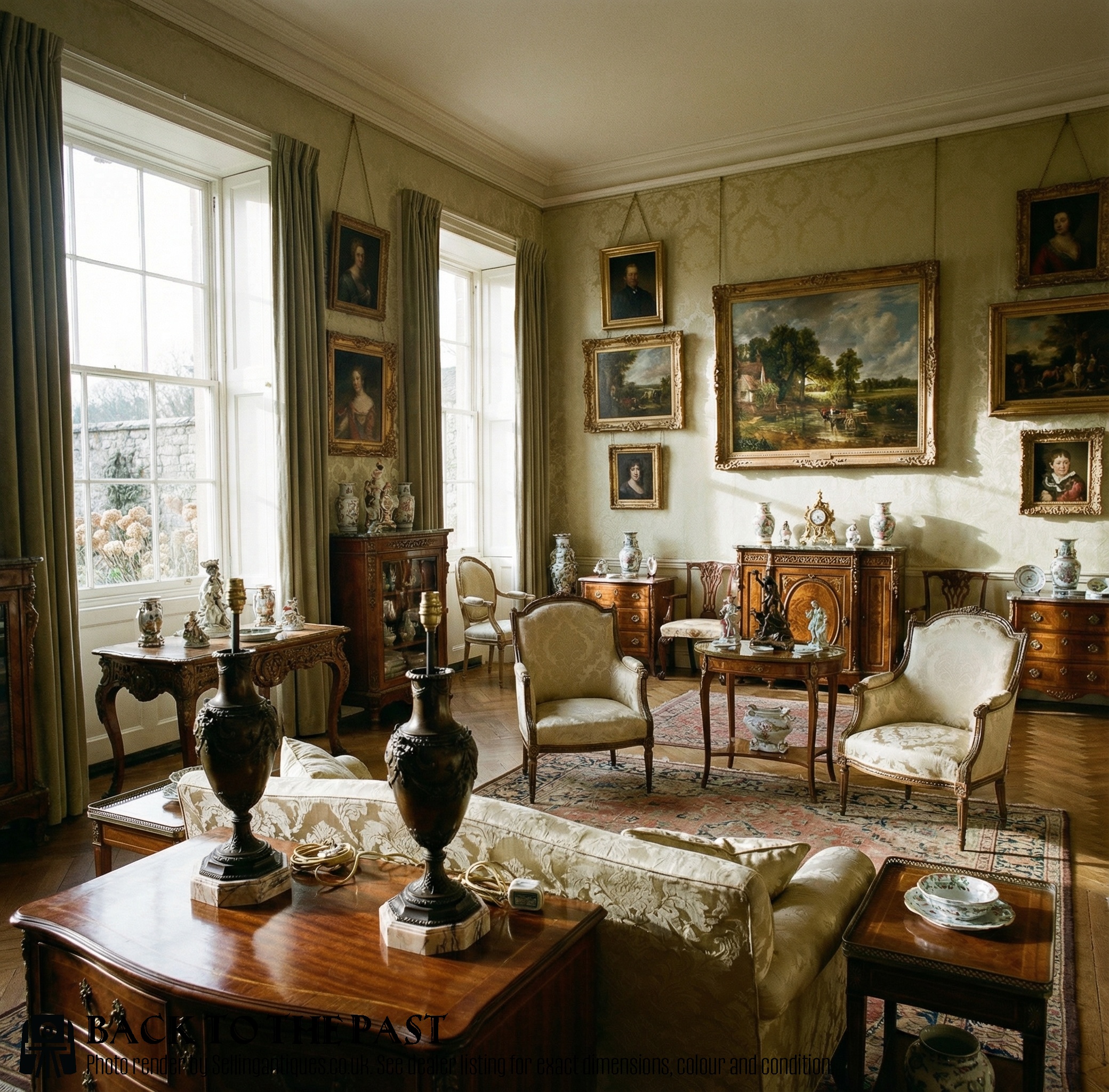
French Bronze Lamps
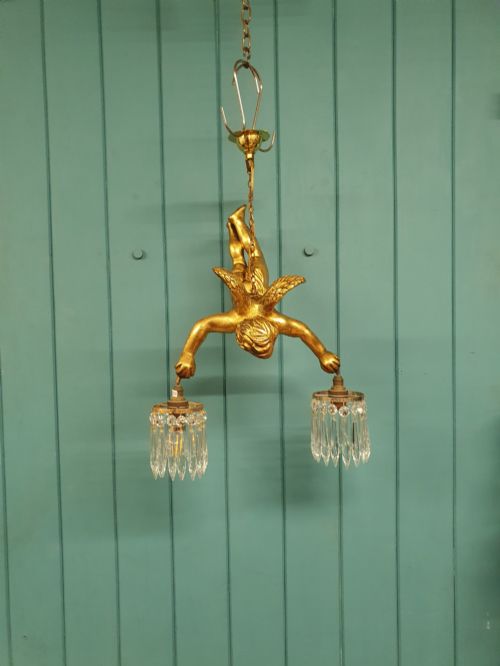
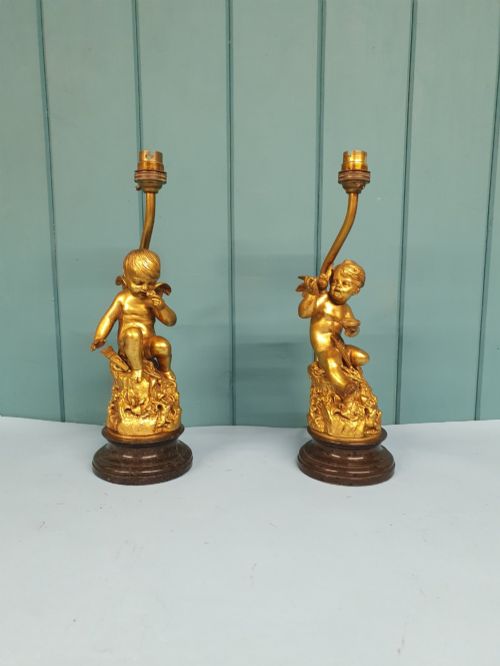
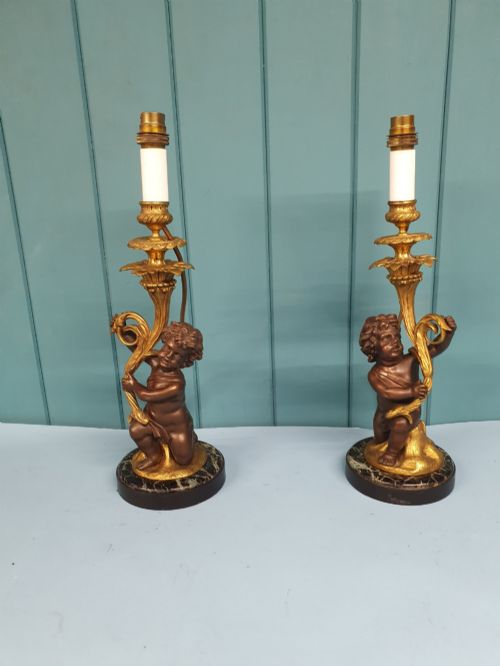
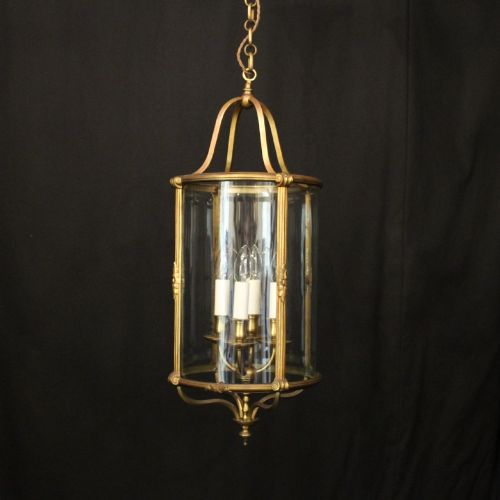
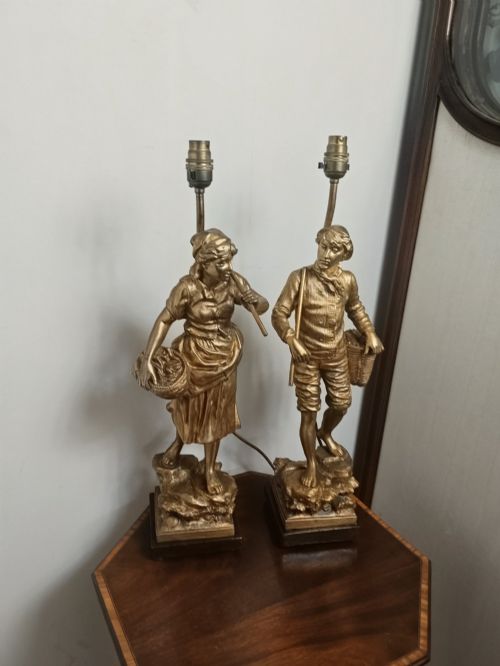
When searching for French bronze lamps, buyers encounter diverse forms ranging from classical urns and figural cherubs to architectural columns adapted for lighting. These pieces span the nineteenth century into the art deco period, reflecting shifting tastes from neoclassical severity to ornate rococo revival.
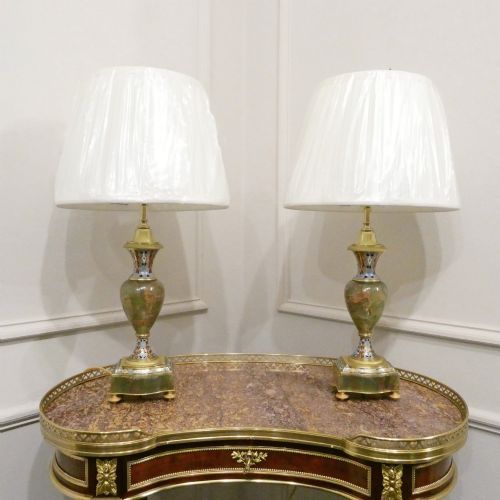
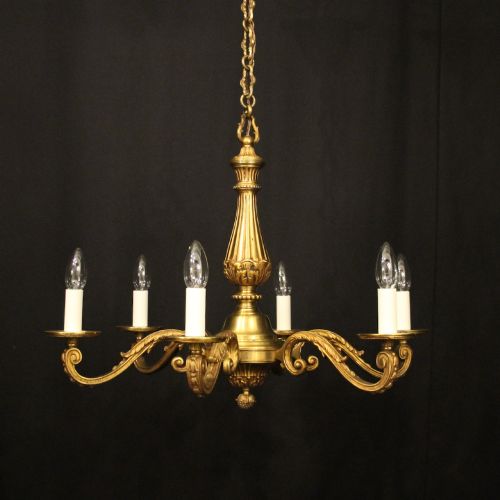
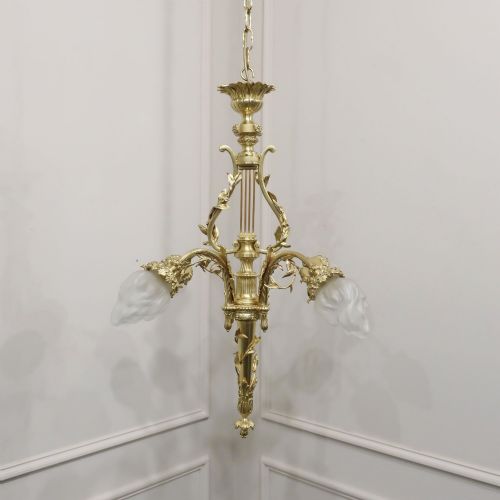
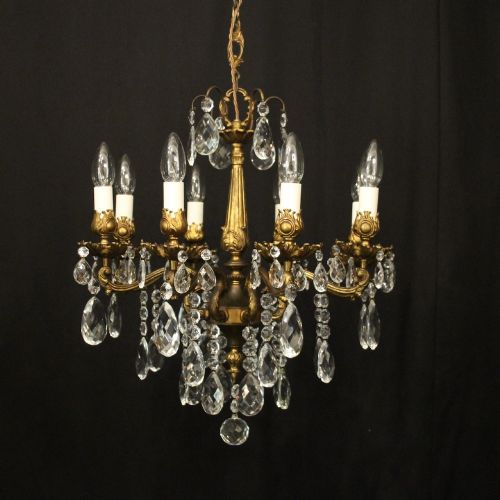
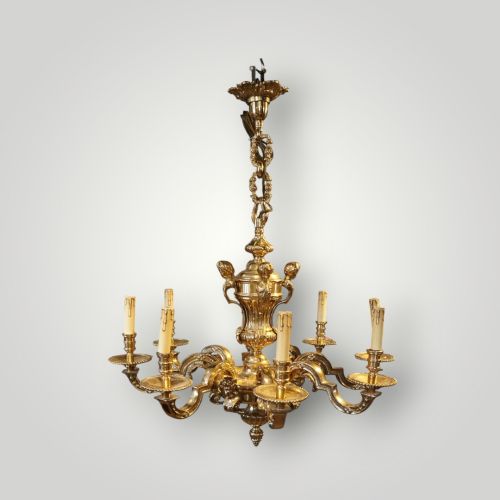
Table lamps dominate the selection, often paired symmetrically for placement on side tables, mantels, or marble consoles. Alongside these portable lights, the inventory includes wall sconces, hanging lanterns, and grand multi-light chandeliers sharing the same metallic vocabulary.
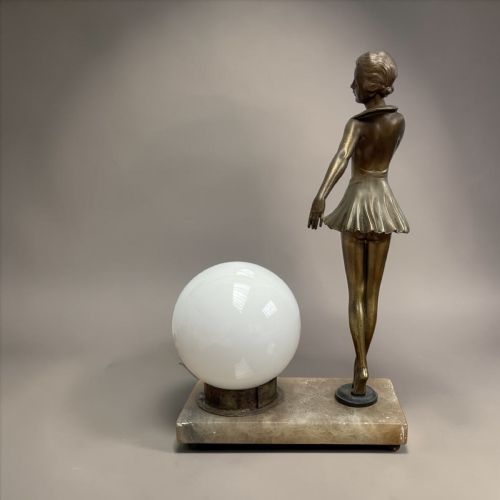
Origins trace through historic French design movements including empire, chateau, and art nouveau styles. The integration of contrasting elements like porcelain bodies, onyx bases, and crystal pendants defines much of what appears on this page.
Materials and construction
Foundry work combined cast bronze and brass with applied surface treatments such as mercury gilding, ormolu, and dark patination. Artisans chased the metal after casting to sharpen details in foliage, drapery, and figural reliefs.
Many examples incorporate secondary materials including rouge marble, onyx, alabaster, and Sevres-style porcelain. These non-metallic components provided substantial weight and colourful contrast to the bronze mounts.
Earlier lighting fixtures, such as candelabra and oil urns, were frequently converted to electricity during later periods while retaining their original structural integrity and hardware.
French Bronze Lamps Retail Price Guide 2026
Typical asking prices for french bronze lamps among the pieces listed under this phrase on Sellingantiques today, from the lower quarter to the upper quarter. They describe what is for sale here now, not the wider market.
Listings feature 19th-century French bronze lamps alongside 1930s art deco variants, utilising materials like marble, ormolu, and porcelain.
Judging quality and execution
The crispness of the chasing separates superior castings from softer production pieces, as master founders retained sharp relief in hair, feathers, and acanthus leaves. Superior examples show meticulous hand-finishing rather than the flat surfaces typical of mass output.
The harmony of materials dictates value, where genuine marble bases, heavy fire-gilded ormolu, and intact porcelain bodies align correctly with the period style. Inferior pieces often substitute lighter metals or synthetic stones that lack the density and temperature of period components.
Proportion and architectural balance govern the best designs, ensuring that mounted figures, urns, and columns relate naturally to the lighting elements they support.
E Rousseau·L and F Moreau
The French Bronze Lamps Glossary
- Ormolu
- Gilded bronze produced through a mercury amalgamation process common in eighteenth and nineteenth-century French manufacturing. This technique yields a deep, warm gold surface that resists tarnishing over decades.
- Patination
- The natural or artificial ageing of the bronze surface through oxidation and handling. It creates subtle variations in tone from deep chocolate brown to greenish highlights.
- Cassolette
- A decorative ornamental vase featuring a reversible lid that functioned to burn perfumes or hold potpourri. Many were later adapted into lamp bases.
- Champlevé
- An enamelling technique where troughs are dug into a metal surface and filled with vitreous paste before firing. It appears frequently on nineteenth-century clock sets and matching lamp bases.
- Gueridon
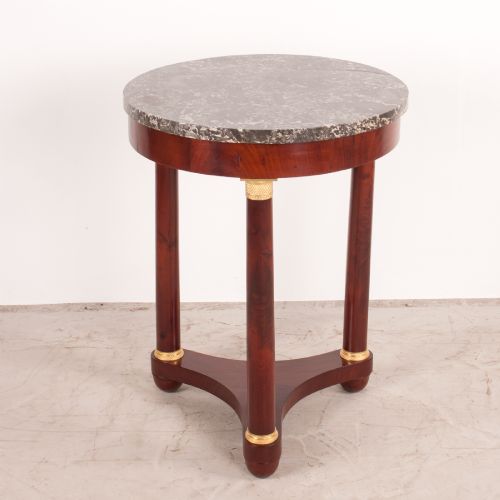
- A small, round occasional table often topped with marble or marquetry. These frequently accompany matching lighting pieces in period interiors.
French Bronze Lamps: Frequently Asked Questions
How do I clean bronze lamp bases?
Dust gently with a soft dry cloth to protect the underlying metal and historic patina. Avoid commercial chemical cleaners or polishes that strip away original gilding and surface age.
Keep moisture away from any incorporated marble, onyx, or porcelain components during routine maintenance. Professional conservation is recommended for deep restoration work.
Are these lamps converted from older fixtures?
Many nineteenth-century examples began life as oil lamps, candlesticks, or decorative urns before receiving modern electrical wiring. This adaptive reuse preserves the original artistic casting while updating functionality for contemporary homes.
Wiring methods vary, so having a qualified electrician inspect internal components ensures safe operation in domestic settings.
How can I date a bronze lamp?
Stylistic indicators such as neoclassical motifs, empire columns, or art deco geometric lines provide the primary chronological framework. Examining construction marks, assembly screws, and the composition of marble or ceramic parts helps confirm the era.
Comparing casting quality and patina against documented examples from the same workshop narrows the manufacturing window further.
Do antique lamps require special bulbs?
Standard modern screw or bayonet fittings usually accommodate contemporary LED bulbs providing low heat output. Low-wattage options protect delicate silk shades and prevent thermal stress on historic lacquered finishes.
Consulting a specialist lighting technician ensures that socket replacements match the original scale without altering antique components.