





French Bronze Foundry
These french bronze foundry pieces bring home the weighty neoclassical elegance and animalier vigour of nineteenth-century Paris workshops.
French Bronze Foundry
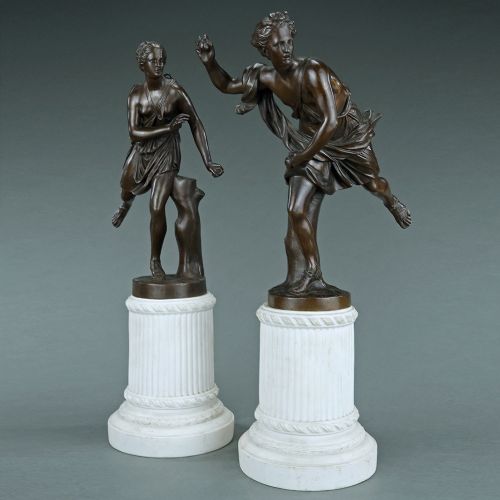
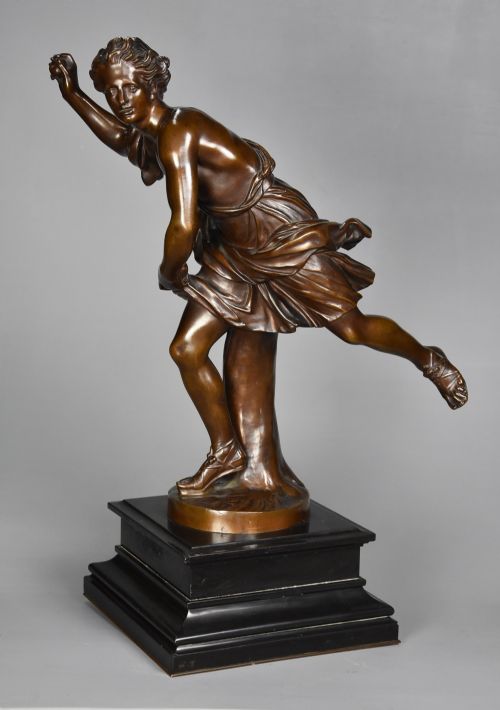
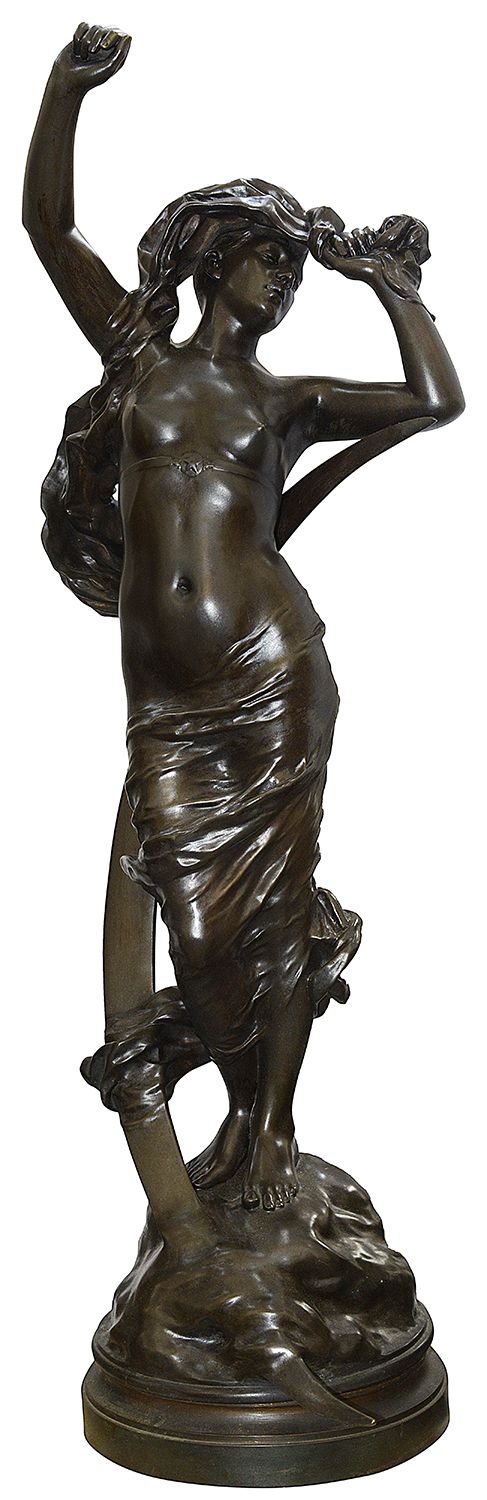
When you search for french bronze foundry, you encounter nineteenth-century sculptures, mantel clocks, and statuettes cast by renowned Paris firms. The selections span classical mythology, animalier subjects, and historical figures.
Most examples date from the nineteenth century, including specific decades such as the eighteen-eighties and eighteen-nineties. Forms range from grand mythological reductions to naturalistic studies of eagles, hares, and panthers.
Originating predominantly from French studios, these works reflect academic traditions, neoclassical revivals, and early twentieth-century impressionist tendencies.
Materials and Casting Techniques
Foundries utilised cast bronze, patinated bronze, and gilt bronze, often mounted upon marble bases or ebonised wood plinths. Surface treatments include dark patinas and parcel-gilt highlights.
Master founders employed careful reduction and sand-casting methods to translate large classical monuments and intricate models into cabinet bronzes. Edges, chosing finishes and signatures were hand-finished by skilled artisans.
Listings feature works in bronze, marble, and ebonised wood across neoclassical and animalier styles.
Evaluating Foundry Production
Quality rests upon the crispness of the chase-work and the depth of the metal patination. Superior casts retain fine anatomical details, sharp garment folds, and clear foundry stamps.
The reputation of the producing foundry and the skill of the original modeller dictate the standing of a piece. Distinct foundry marks and well-defined signatures separate standard commercial editions from workshop masterworks.
Ferdinand Barbedienne·Susse Freres·Siot Foundry·Charpentier Foundry·Victor Paillard
The French Bronze Foundry Glossary
- Animalier
- A term for nineteenth-century art focusing on the realistic depiction of animals. Sculptors such as Antoine-Louis Barye specialised in this observant field.
- Patina
- The chemical or natural surface coloration applied to bronze. Dark patinas and gilt finishes alter the visual depth of the metal.
- Grand Tour
- A nineteenth-century educational journey across Europe that generated demand for small bronze reductions of classical antiquities. These souvenir pieces replicate famous museum sculptures.
- Reduction
- A mechanical or skilled process of casting a smaller version of an existing large-scale sculpture. Ferdinand Barbedienne popularised this technique for classical monuments.
- Ormolu
- Gilt bronze mounted on decorative objects such as mantel clocks. The technique involves applying gold amalgam to cast brass or bronze.
French Bronze Foundry: Frequently Asked Questions
What is a foundry mark?
A foundry mark is an engraved or stamped signature left by the workshop that cast the bronze. These stamps verify the commercial origin of the edition.
Locating these marks usually involves inspecting the base or lower edge of the bronze sculpture.
How do I care for bronze?
Bronze requires minimal maintenance beyond gentle dusting with a soft, dry cloth. Avoid chemical polishes that can strip the original patina.
Keeping pieces away from direct moisture and extreme temperature changes preserves the metal surface.
What are animalier bronzes?
Animalier bronzes depict animals in naturalistic poses, often showing predators and prey in dynamic action. Artists like Antoine-Louis Barye led this genre.
These sculptures emphasise accurate anatomy over classical human subjects.
Why are some bronzes gilt?
Gilt bronzes feature a gold coating applied to highlight specific decorative elements or entire figures. This technique was common in mantel clocks and formal salon pieces.
The gold layer adds brilliance and protects the underlying bronze from oxidation.