


Grand Academic Bronze
Grand academic bronze works bring classical history and literature into the home through finely cast figures, portraits, and mythological studies.
Grand Academic Bronze
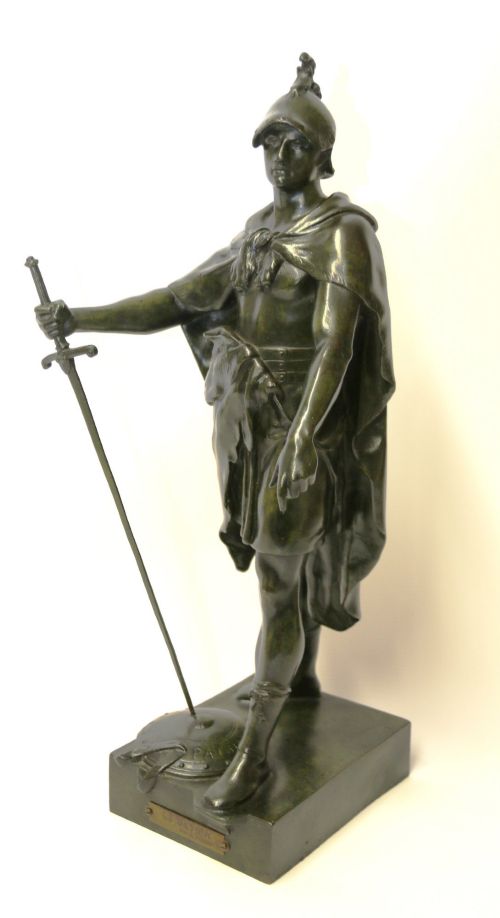
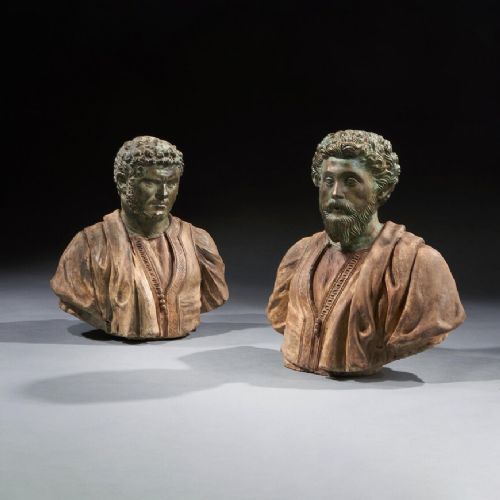
When you search for grand academic bronze, you find sculptural works rooted in classical antiquity, Neoclassical ideals, and nineteenth-century academic training. These pieces range from full-length figures of victorious soldiers and youthful heroes to portrait busts of ancient philosophers, emperors, and poets like Dante Alighieri.
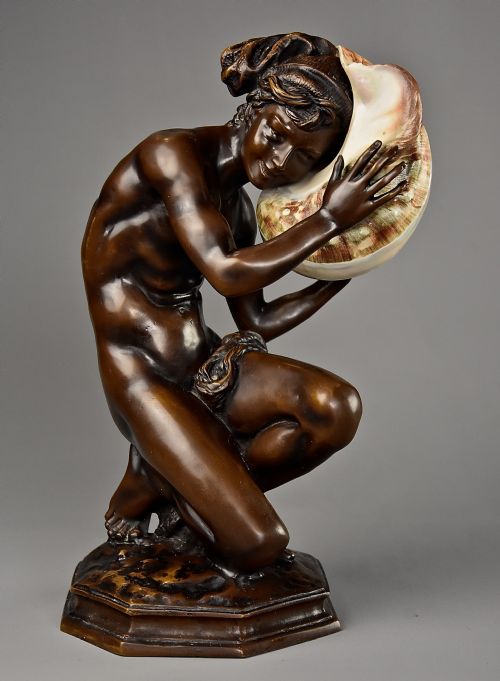
The objects on this page largely originate from nineteenth-century France, reflecting the rigorous output of the period's academic sculptors and the tastes of Grand Tour travellers. You encounter subjects such as Roman soldiers, classical scholars, and figures after renowned sculptors like Jean-Baptiste Carpeaux.
Forms vary between substantial portrait busts and dynamic standalone figures, frequently mounted on marble bases. These sculptures served as scholarly ornaments for libraries, studies, and drawing rooms, designed to display intellectual appreciation and classical learning.
How they were made
These sculptures rely on traditional metal casting techniques, primarily utilising bronze to capture intricate muscle structure, drapery, and facial expression. The metal is then treated to achieve specific finishes, including dark patination and verdigris effects that enhance the depth of the casting.
Many works incorporate contrasting materials, pairing the cast bronze with pedestals and plinths of Sienna marble. This combination provides both stability and a formal architectural setting for the figures and busts.
Marcus Aurelius and Caracalla keep a stern, imperious watch over your bookshelf.
What varies in quality
The choice and execution of the base material also influence the piece, with dense, finely grained marble mounts adding to the overall weight and presence of the work. The fidelity to anatomical proportion and classical iconography distinguishes the finest studio output from standard commercial production.
Émile Louis Picault·Jean-Baptiste Carpeaux·Edouard Drouot·Jean Jules Salmson
The Grand Academic Bronze Glossary
- Patina
- The surface coloration and sheen developed naturally over time or applied chemically by the foundry. This finish protects the metal and defines the visual texture of the sculpture.
- Neoclassical
- An artistic movement drawing inspiration from the classical art and culture of ancient Greece and Rome. It dominates the design ethos of nineteenth-century academic bronzes.
- Grand Tour
- A traditional trip through Europe undertaken by upper-class young European men of means to flourish their education. Travellers frequently acquired small bronzes and busts as souvenirs.
- Terracotta
- Baked red clay used for preparatory models or finished sculptural objects. It appears alongside bronze within the broader scope of academic studio work.
- Bust
- A sculpted representation of a person from the chest up. Portrait busts of classical figures and emperors are a prominent form in academic bronze casting.
Grand Academic Bronze: Frequently Asked Questions
What is a grand academic bronze?
A grand academic bronze is a nineteenth-century sculpture depicting historical, mythological, or classical subjects created within European academic traditions.
These pieces reflect rigorous training in anatomy and classical history, often taking the form of figures, muses, or portrait busts.
Where did these sculptures originate?
The majority of these works originate from nineteenth-century France, where academic sculptors produced exhibition pieces and cabinet bronzes.
Many other pieces were acquired by travellers undertaking the Grand Tour across Italy and other classical sites.
How do I display a bronze bust?
Bronze busts and figures require a stable, level surface capable of supporting their considerable weight, particularly when mounted on marble bases.
Position them away from direct heat sources and strong moisture to preserve the metal patina and the integrity of any stone elements.
How do I clean an antique bronze?
Dust the surface gently with a soft, dry brush or microfibre cloth to prevent the accumulation of grit within the recesses of the casting.
Avoid using water, chemical polishes, or abrasive cleaners, as these can strip away the original historical patina.