

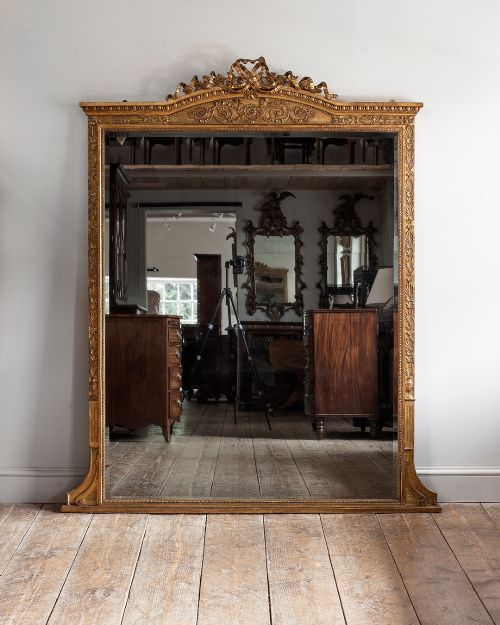
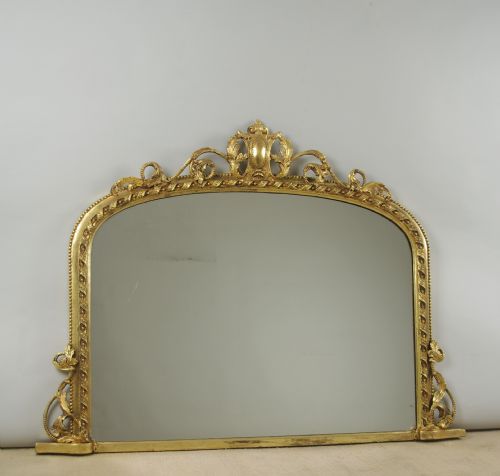

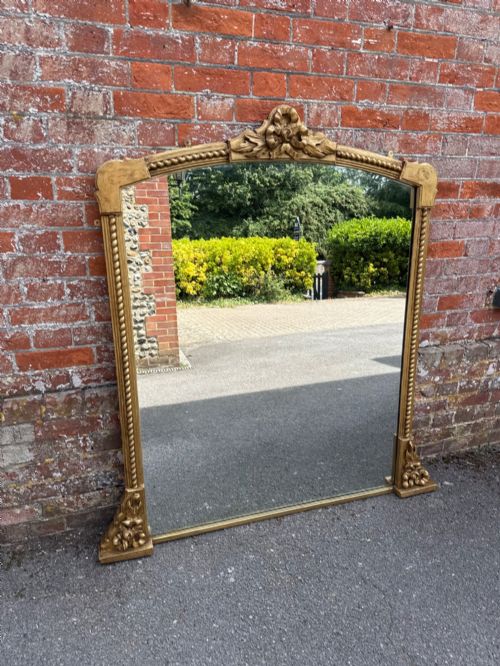
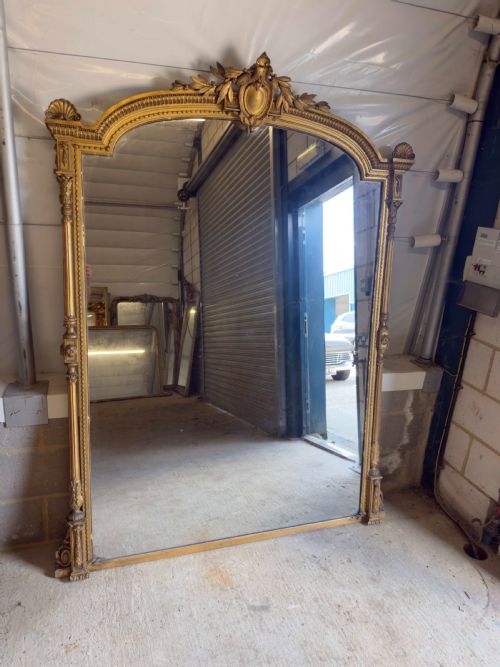

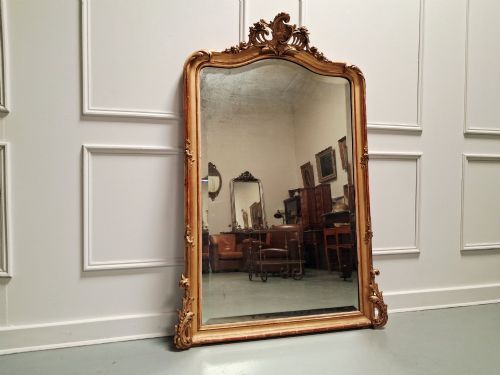
French Arched Top Mirror
A French arched top mirror anchors a room with its sweeping curves and period presence, bringing light and historical depth to a mantelpiece or wall.
French Arched Top Mirror
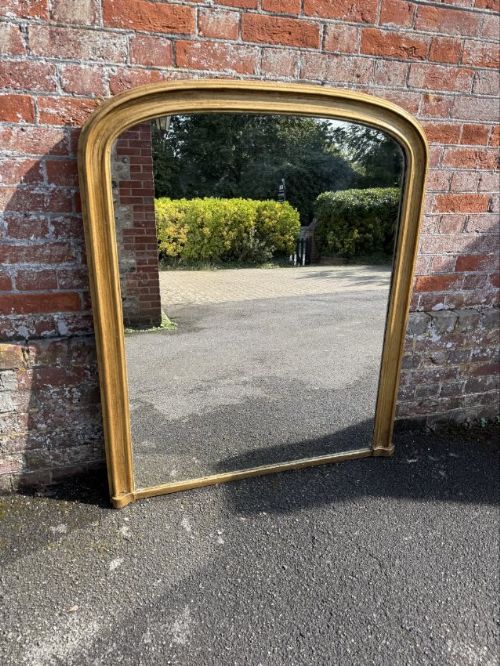
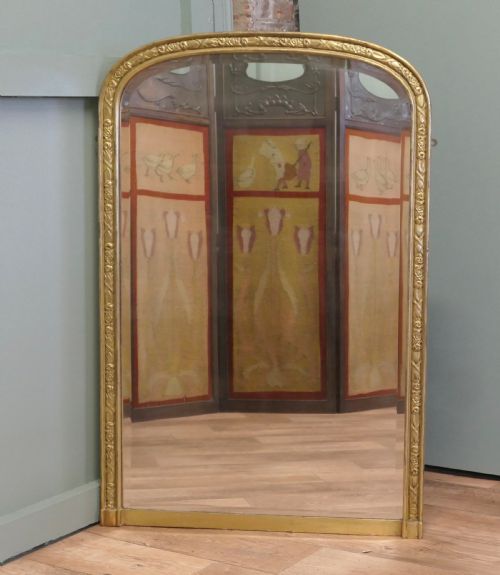
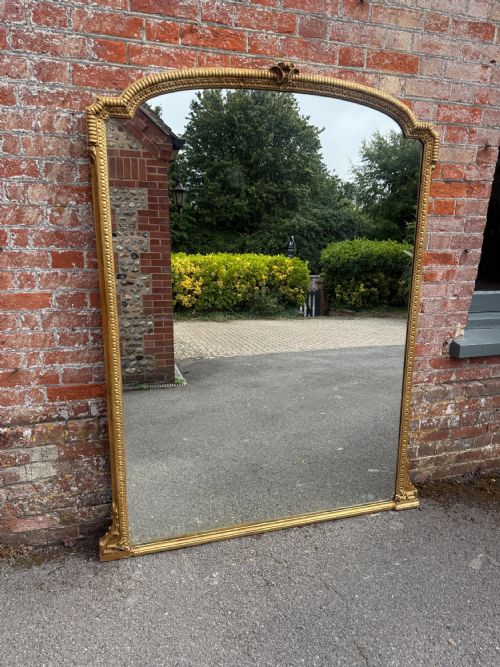
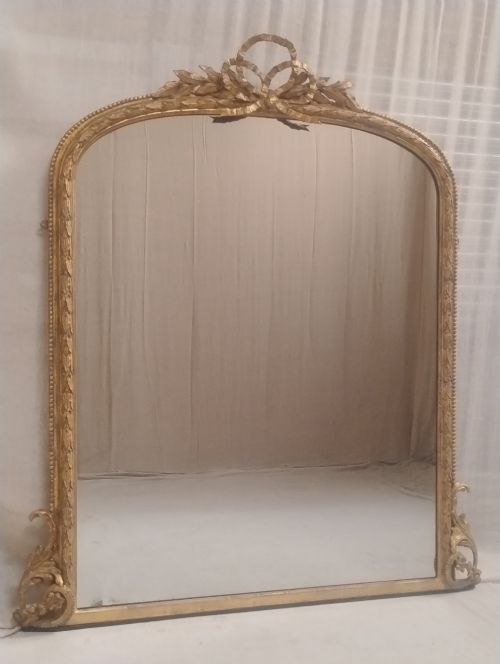
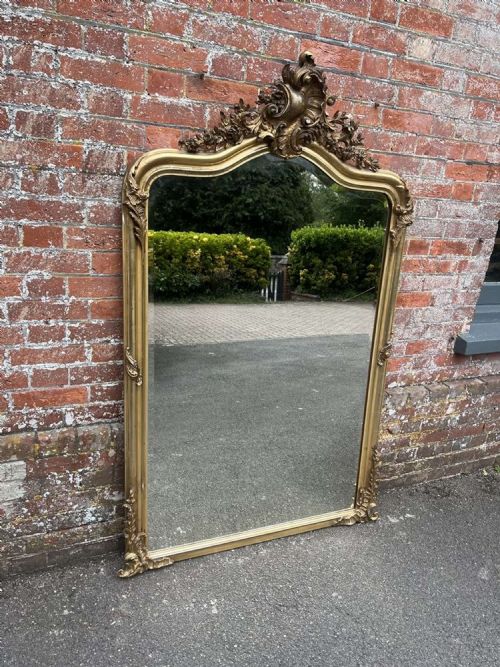
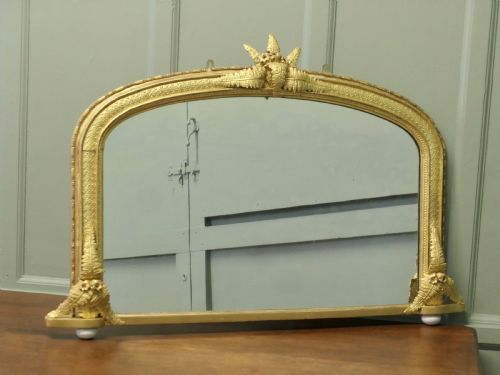
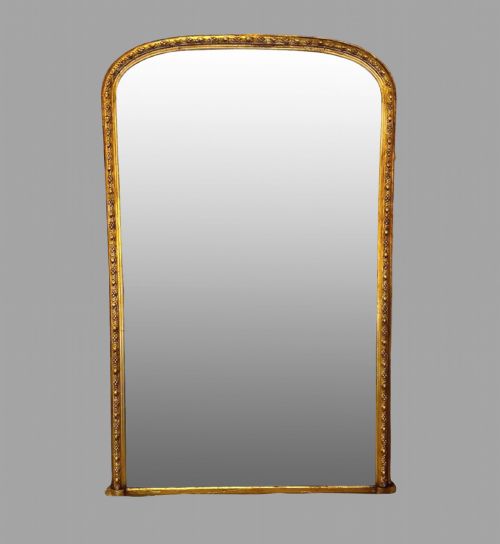
A french arched top mirror functions primarily as a grand wall hanging or an overmantel piece, designed to reflect light and expand the visual boundaries of a room. These items date predominantly from the nineteenth century, encompassing Victorian and Louis Philippe designs originating from France and England.
How They Were Made
Craftsmen built the underlying frame using timber such as pine or walnut, applying a layer of gesso over the carved wood to create a smooth surface for gilding or painting. Gold leaf or paint was then applied to finish the decorative exterior of the frame.
The reflective surfaces consist of mirror glass, occasionally displaying period characteristics like foxed mercury glass resulting from age. Frames frequently incorporate structural elements shaped through traditional woodworking and carving techniques.
Listings feature items spanning the nineteenth century, including Victorian, Georgian, and Louis Philippe periods.
What Varies in Quality
The standard of carving and the crispness of the gesso ornamentation separate standard examples from finer pieces. Deeply defined motifs like laurel leaves and rope twists demonstrate superior artisan skill during the production process.
The preservation of original gilding and the condition of the glass significantly influence the character of the mirror. Retaining original painted or gilded surfaces alongside authentic mirror plates maintains the historical integrity of the item.
The French Arched Top Mirror Glossary
- Gesso
- A plaster-like mixture applied to wood frames to provide a smooth base for gilding or painting. This material is carved and shaped to form intricate decorative details.
- Giltwood
- Timber that has been coated with a thin layer of gold leaf. This finish provides a bright metallic sheen characteristic of period frames.
- Louis Philippe
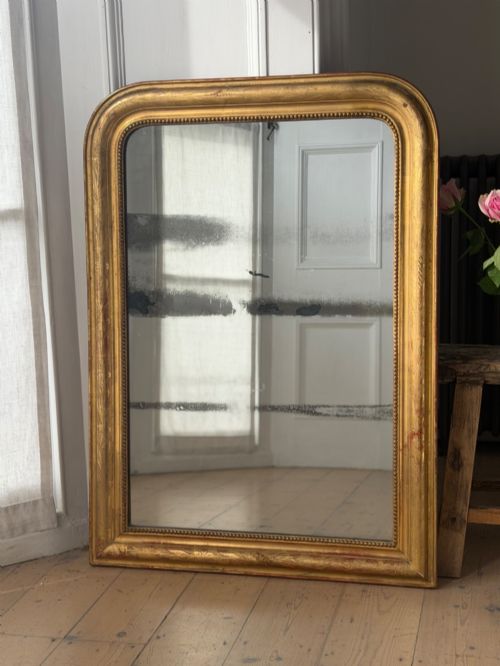
- A French stylistic period dating from the mid-nineteenth century characterised by understated elegance and simple arched frames. These pieces often feature minimal ornamentation compared to heavier rococo designs.
- Overmantel Mirror
- A large mirror specifically designed to be hung above a fireplace mantel. They typically feature wide proportions suited to the span of a hearth.
- Foxed glass
- Mirror glass that shows spots, clouding, or discoloration due to the degradation of the backing over time. Collectors often value this ageing as an indicator of authenticity.
French Arched Top Mirror: Frequently Asked Questions
Where should I hang an overmantel mirror?
These mirrors are traditionally positioned directly above a fireplace mantel to draw the eye upward and reflect interior lighting across the room.
Ensure the wall fixings are secure and rated to support the substantial weight of carved wood and glass frames.
How do I identify a Louis Philippe mirror?
Louis Philippe mirrors typically feature a simple arched top combined with clean lines and restrained decorative carving around the frame.
They often lack the heavy ornamentation found in later Victorian or rococo revival styles.
What is foxed glass?
Foxed glass refers to mirror plates that have developed dark spots or mottled patches due to the chemical breakdown of the backing over decades.
This natural ageing process is common in nineteenth-century mirrors and is appreciated by collectors for its authentic character.
Are these mirrors heavy?
Nineteenth-century mirrors constructed from solid timber, gesso, and thick glass carry considerable weight that requires proper structural wall support.
Professional installation using appropriate fixings is recommended for safe hanging.