




Vintage French Mantle Mirror
A vintage french mantle mirror brings grand architectural scale and reflective light to a room, drawing the eye naturally to the fireplace below.
Vintage French Mantle Mirror
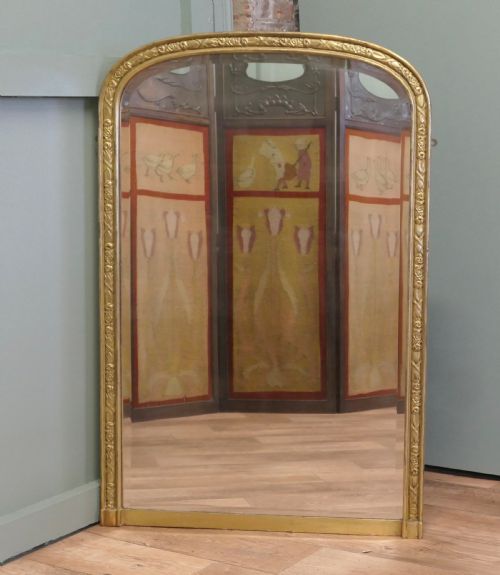
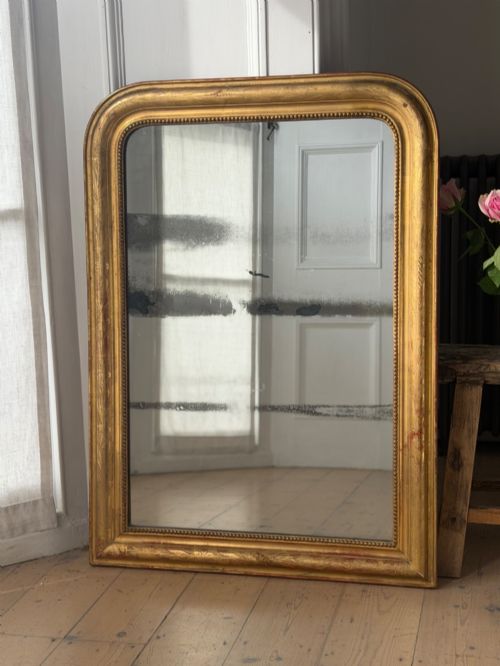
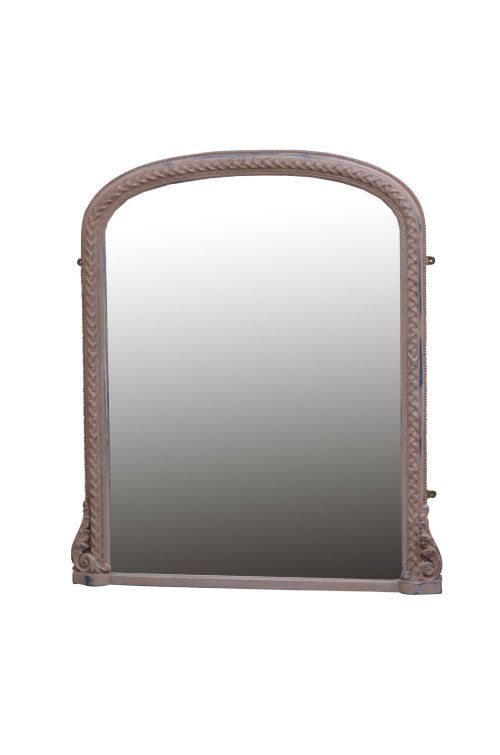
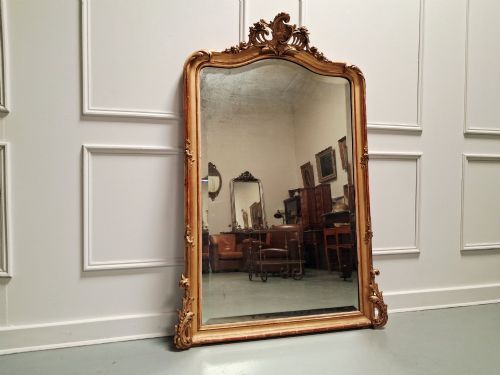
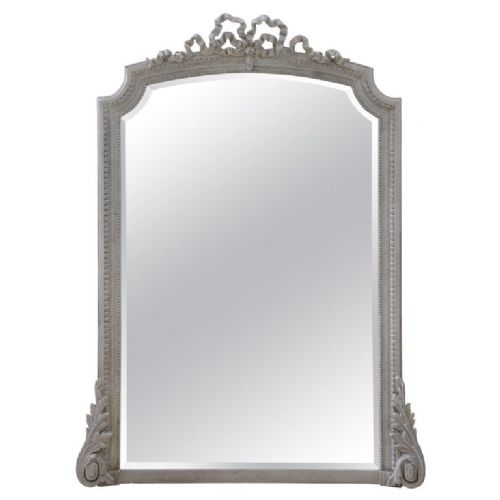
A vintage french mantle mirror sits directly above a fireplace, anchoring the chimney breast with generous proportions and decorative presence. These pieces emerge from periods spanning the eighteenth century through to the early twentieth century, taking the form of large overmantel mirrors and wall mirrors.
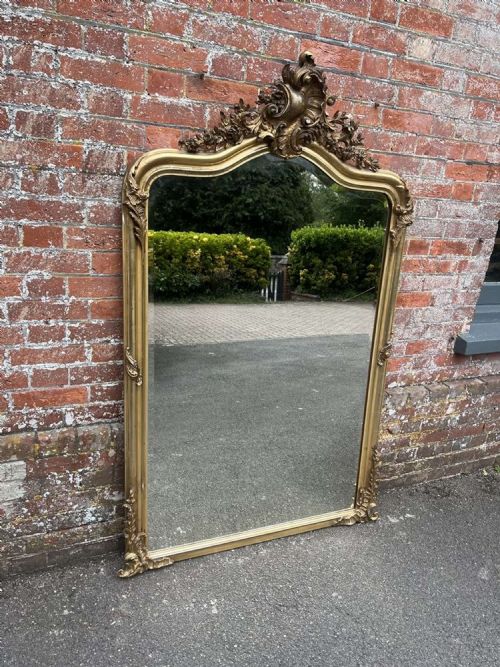
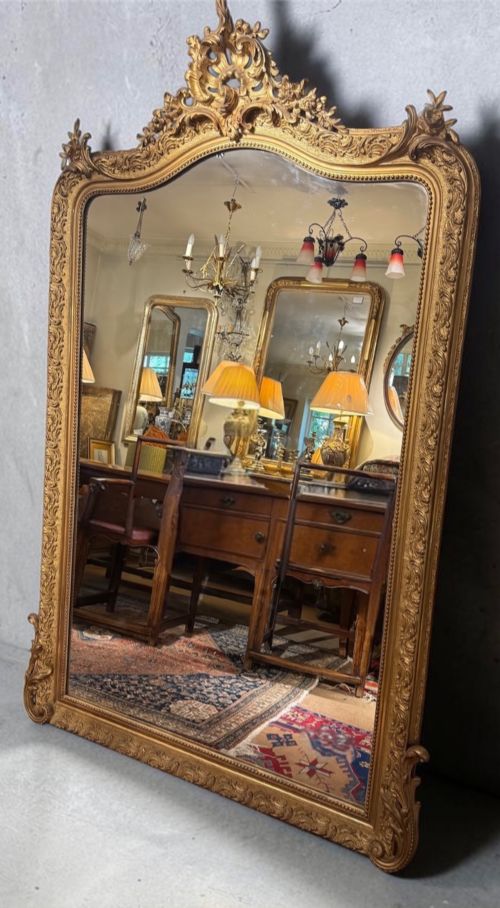
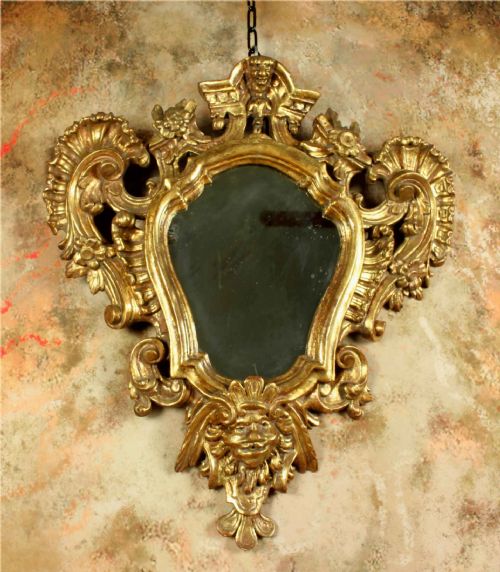
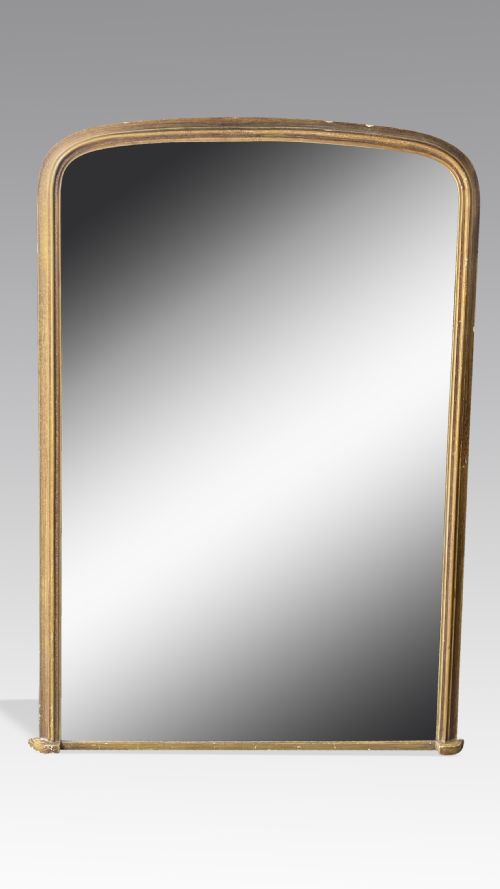
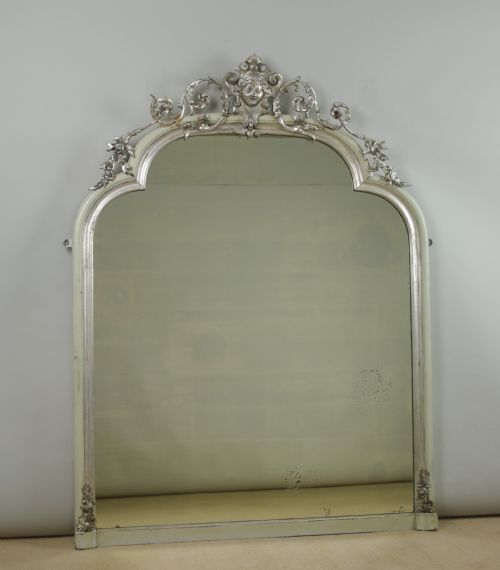
Louis Philippe models and Rococo Revival designs dominate the selection, bringing restrained ogee arches or exuberant scrolling foliage into the interior. Oak, walnut, and carved wood frameworks appear alongside painted finishes, offering both natural timber grains and heavily gilded surfaces.
Makers shaped these plates to fit specific architectural settings, resulting in substantial heights and widths designed to bounce natural daylight across a high-ceilinged room. Such pieces function equally well on living room chimneypieces or mounted as tall wall mirrors in grand hallways.
How they were made
Carved wood and gesso provide the sculptural foundation for gilded frames, allowing artisans to build up crisp relief work before applying gold leaf. Composition ornaments moulded from putty are frequently found applied to wooden backbones to accelerate the production of intricate floral and scroll motifs.
Mercury glass plates, utilised in earlier examples, achieve their characteristic mottled appearance through a chemical amalgamation of tin and mercury behind the glass. Later nineteenth-century manufacturing shifted towards silvered glass techniques, whilst framing timbers relied on traditional joinery methods like mortise and tenon joints.
Some frames conceal secret carved animal motifs and whimsical floral masks waiting to be spotted by anyone dusting the gilt edges.
What varies in quality
Depth and sharpness in the wood and gesso carving separate standard frames from superior examples, where hand-tooled undercut details catch the light differently. The quality of the gilding itself, whether matte or burnished gold leaf over bole, dictates how richly the frame ages over generations.
Original glass plates retain distinct optical distortions and foxing that modern replacements lack, preserving the authentic visual weight of the period. The structural integrity of the heavy wooden backboards and original iron strapwork further determines the longevity of these substantial hanging frames.
The Vintage French Mantle Mirror Glossary
- Louis Philippe
- A mid-nineteenth century French style characterised by simple, elegant ogee curved frames with minimal corners and restrained ornamentation. This aesthetic provides a quieter alternative to heavily carved Rococo designs.
- Gesso
- A plaster mixture applied to wood frames to create a smooth, pliable surface for carving or gilding. Artisans build up layers of this substance before striking crisp decorative motifs.
- Foxing
- The natural age-related spots and discoloration appearing within the silver or mercury backing of older mirror glass. Collectors value this patination for the soft, historic character it imparts to the reflection.
- Overmantel
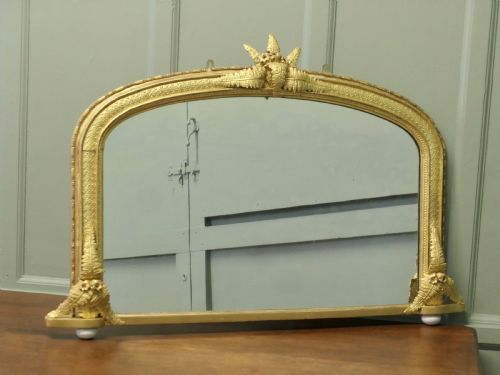
- A large mirror specifically proportioned to hang on the wall directly above a fireplace mantelpiece. These pieces often feature horizontal or arched formats designed to match the width of the hearth.
- Giltwood
- Timber carved and coated with a thin layer of gold leaf or gold paint to simulate solid precious metal. This technique was widely utilised across eighteenth and nineteenth-century decorative frames.
Vintage French Mantle Mirror: Frequently Asked Questions
How do I hang a heavy overmantel mirror safely?
These substantial frames require secure fixing directly into masonry or robust wall studs using heavy-duty mirror plates and rated wall anchors. Professional installation is strongly advised given the significant weight of large wood and gesso structures.
Weight distribution must be calculated carefully so that the hanging wire or integrated brackets bear the load evenly across the structure without straining the antique wooden frame joints.
What is the difference between a Louis Philippe and a Rococo mirror?
Louis Philippe mirrors feature clean, rounded top corners and subtle ogee moulded frames that suit understated interiors. They rely on proportion rather than dense ornamentation for their visual impact.
French Rococo revival pieces display asymmetrical scrolling leaves, shell motifs, and exuberant floral crests carved deeply into the gesso and wood. These later nineteenth-century interpretations offer a much busier, theatrical silhouette.
Why do some antique mirrors look speckled?
Speckling or foxing occurs when air and moisture interact over decades with the metallic backing behind the glass plate. This chemical breakdown creates dark patches and silvery cloudiness.
Far from being a fault, this natural ageing process proves the glass is of considerable age and provides a gentle, distorted reflection prized by interior designers.