
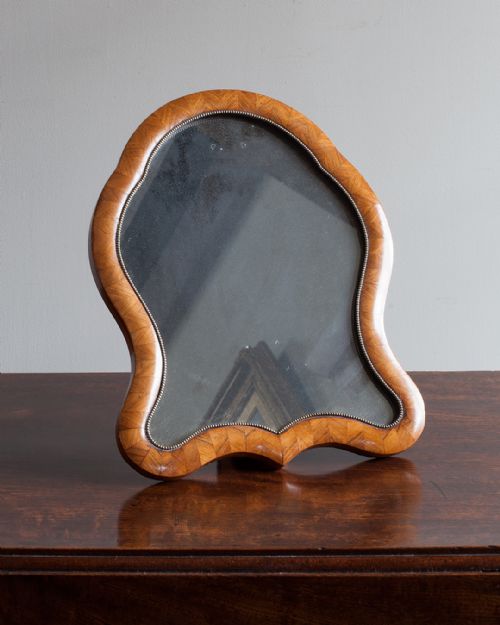


Freestanding Dressing Table Mirror
A freestanding dressing table mirror brings practical reflection and period craft to a surface, offering the flexibility of adjustable plates and varied wood frames.
Freestanding Dressing Table Mirror
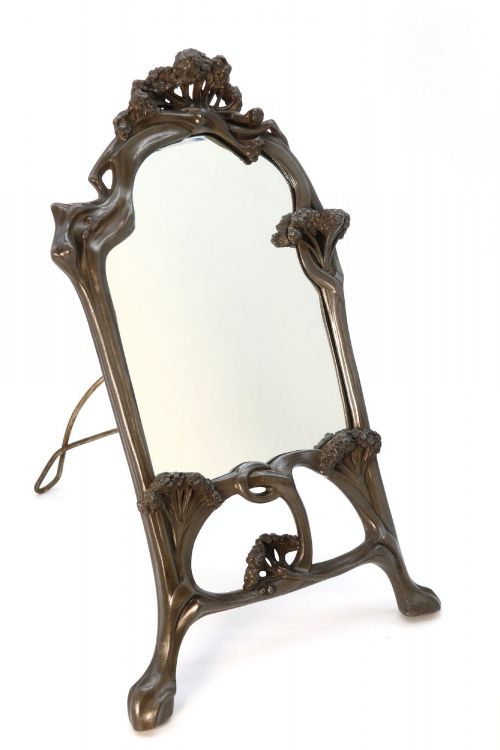
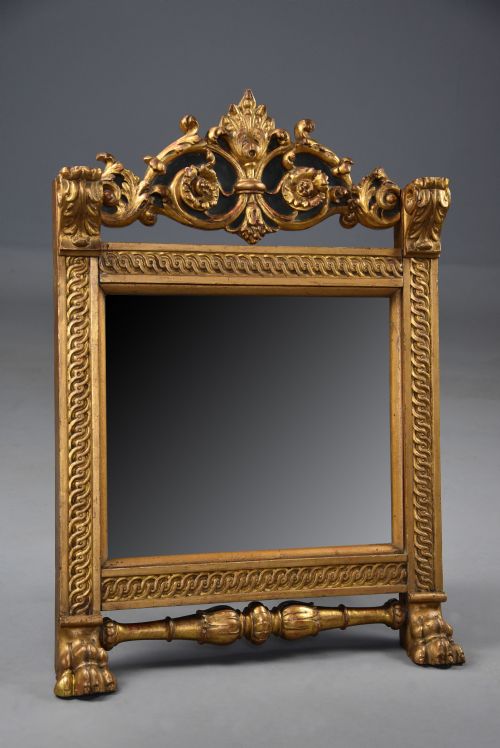
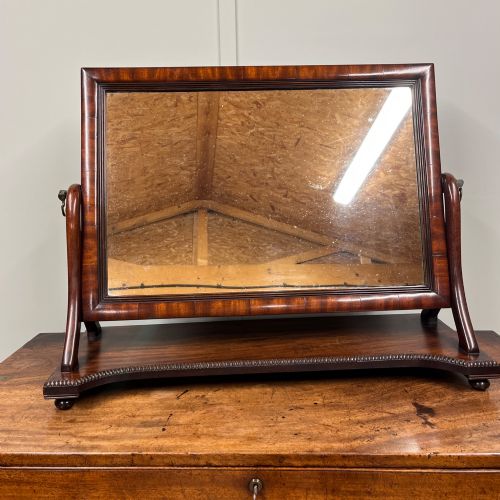
A freestanding dressing table mirror sits directly upon a chest, table, or dressing surface without permanent wall fixings. When searching this phrase, buyers encounter formats ranging from compact toilet mirrors to tall cheval designs and specialised shaving stands.
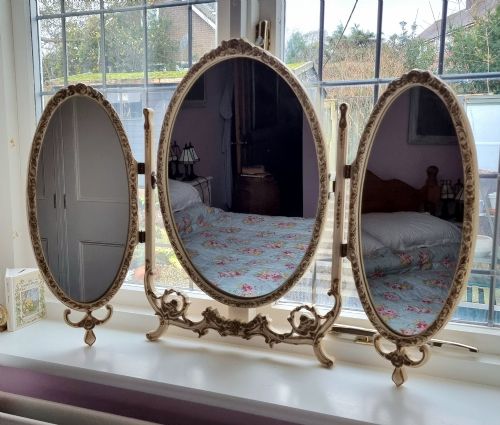
The pieces appearing here span the Victorian, Edwardian, and Art Deco eras, alongside the nineteenth century. Common manifestations include swing mirrors mounted on upright supports, triptych trios, and easel backs.
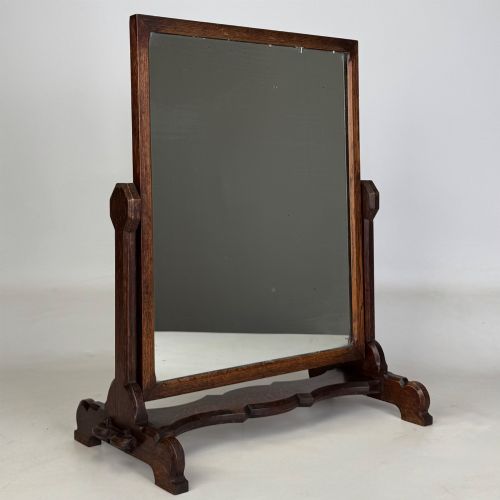
Makers utilised diverse timber frames and pivoting mechanisms to let users tilt the glass plate to the desired angle. The resulting objects served daily grooming needs while displaying the prevailing decorative taste of their period.
Materials and construction methods
Cabinet makers constructed frames primarily from solid hardwoods and veneers such as mahogany, walnut, oak, and satinwood, occasionally incorporating brass fittings, gesso, or silver plating. Timber components were joined using traditional cabinet-making techniques to support the weight of the pivoting glass.
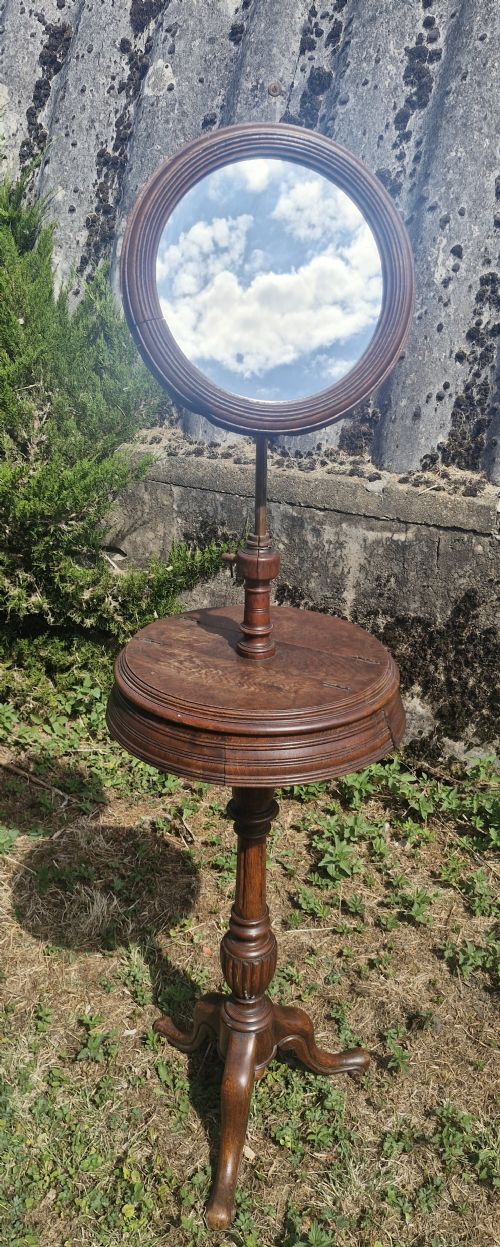
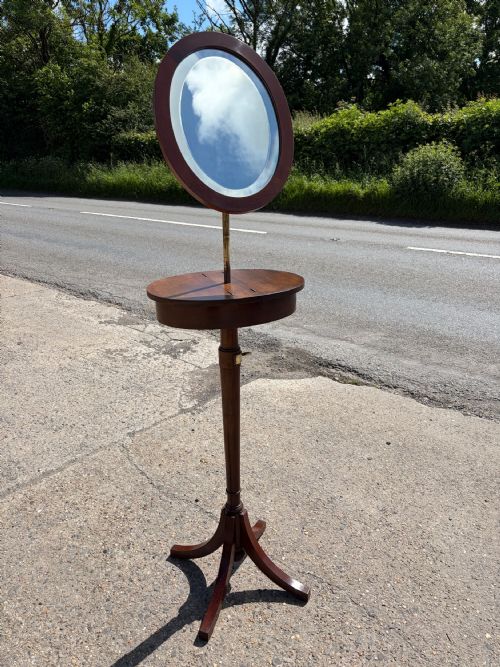
Mirror plates utilised glass set into frames with adjustable thumbscrews, brass pivots, or telescopic stems. Shaving stands and tripod bases integrated turned wooden columns and metal mechanisms to allow height and angle modification.
One exceptional piece listed is an early Victorian boot maker's mirror, designed to help tradesmen inspect their footwear creations.
Factors influencing quality and execution
Quality reveals itself in the selection of timber grain, the precision of carved ornamentation such as Rococo scrolls or Arts and Crafts motifs, and the robustness of the brass pivot hardware. Finer examples display careful joinery and well-balanced proportions that maintain stability when the mirror plate is adjusted.
The sophistication of the mechanism distinguishes standard utility pieces from exceptional commissions. Smoothly operating telescopic stems, heavy cast brass supports, and secondary timbers of equal grade indicate superior workshop production.
Louis Auguste Moreau·Henry Matthews·Whytock & Reid
The Freestanding Dressing Table Mirror Glossary
- Toilet mirror
- A smaller dressing mirror designed to sit atop a dressing chest or table. These typically feature a swing frame mounted on upright box bases or drawers.
- Cheval mirror
- A full-length freestanding mirror supported by a frame with vertical posts and side pivots. They allow the user to view their entire outfit.
- Triptych mirror
- A three-panel mirror where two hinged side wings flank a larger central plate. This configuration allows angled views from multiple directions.
- Shaving stand
- A specialised freestanding mirror combined with an adjustable stem, tripod base, or small platform. Gentlemen utilised these for daily grooming.
- Gesso
- A plaster-based material applied to wood frames before gilding or painting. Artisans carved intricate relief decorations into this surface.
Freestanding Dressing Table Mirror: Frequently Asked Questions
How do I date a dressing mirror?
Dating relies on observing the timber species, construction methods, and decorative style characteristic of specific eras. Victorian examples often feature heavy mahogany frames, whereas Edwardian pieces incorporate lighter inlaid woods.
Art Deco and 1930s variants introduce streamlined geometry, chrome plating, or triptych folding panels. Examining the bevel and backing of the glass plate also provides clues to the period of manufacture.
Where should I place a table mirror?
These mirrors suit dressing tables, chests of drawers, sideboards, or console tables in bedrooms and hallways. Their portable nature allows placement wherever surface reflection is required.
Ensure the supporting furniture is deep and stable enough to bear the footprint of the frame and the weight of the pivoting glass.
What is the difference between a toilet mirror and a cheval mirror?
A toilet mirror is compact and sits on top of a table or chest, often incorporating small drawers in its base. A cheval mirror is a tall, floor-standing piece supported by a dedicated frame.
While toilet mirrors focus on upper-body reflection for grooming at a desk, cheval mirrors provide a full-length view of the standing figure.