


Franz Bergman Bronze Statue
A franz bergman bronze statue brings the vivid colour and meticulous detail of the Vienna foundry tradition directly into your interior.

Franz Bergman Bronze Statue
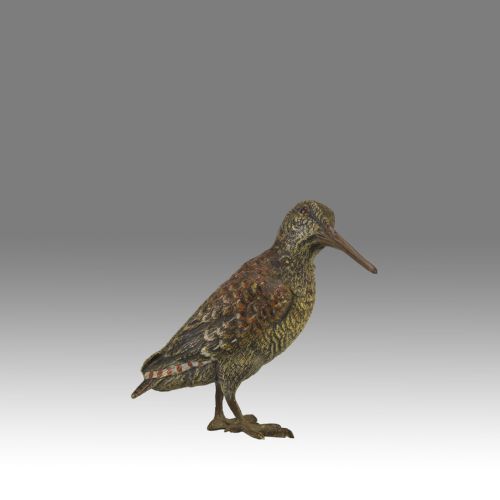
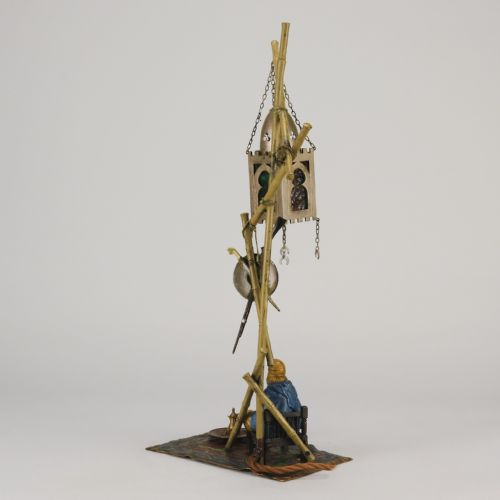
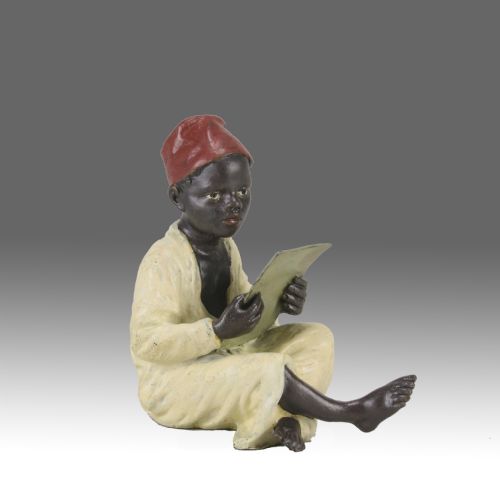
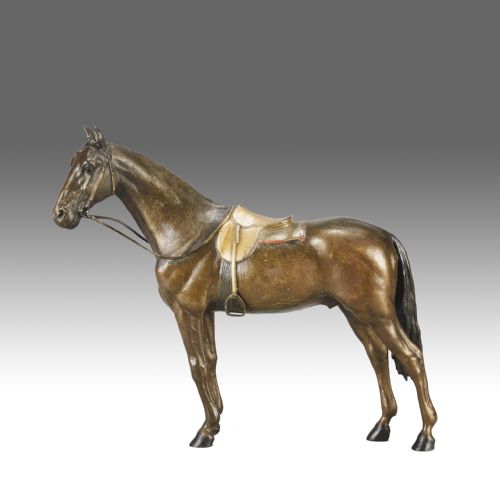
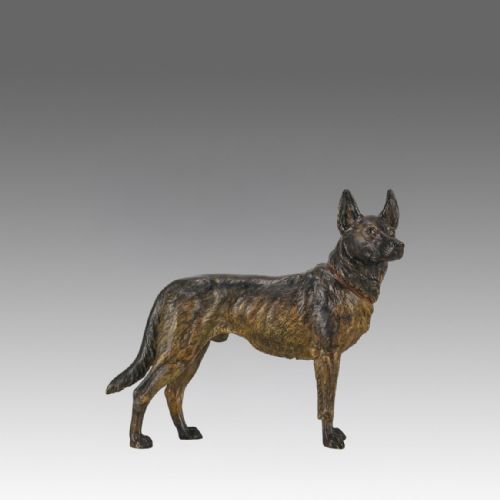
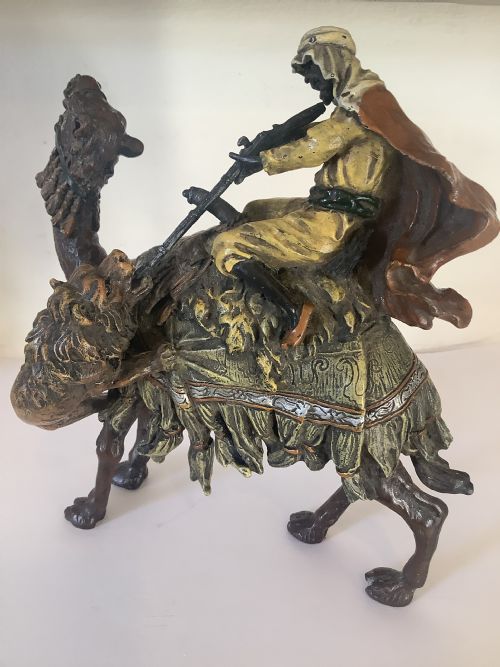
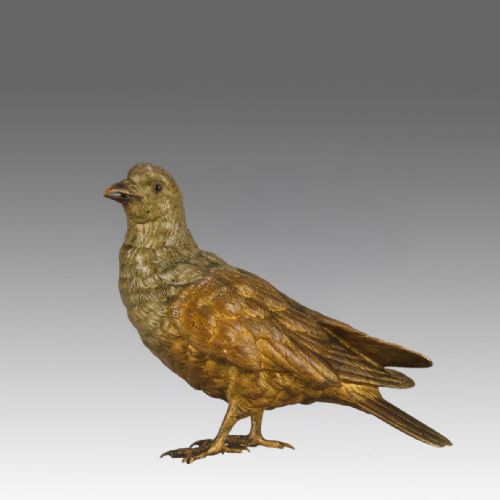
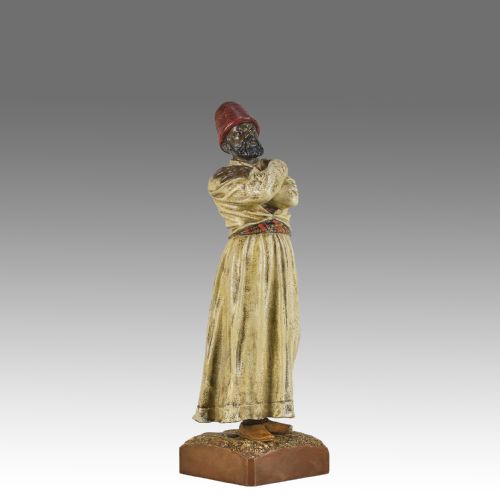
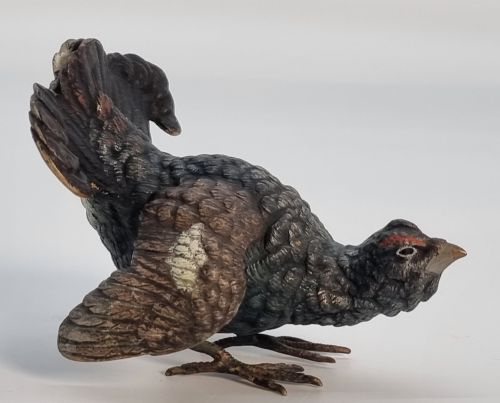
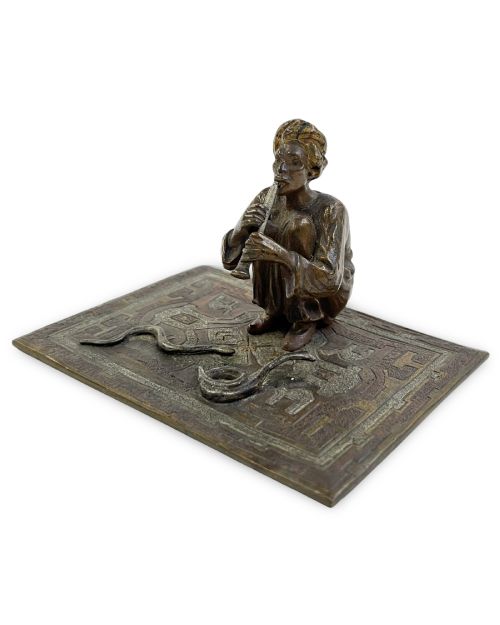
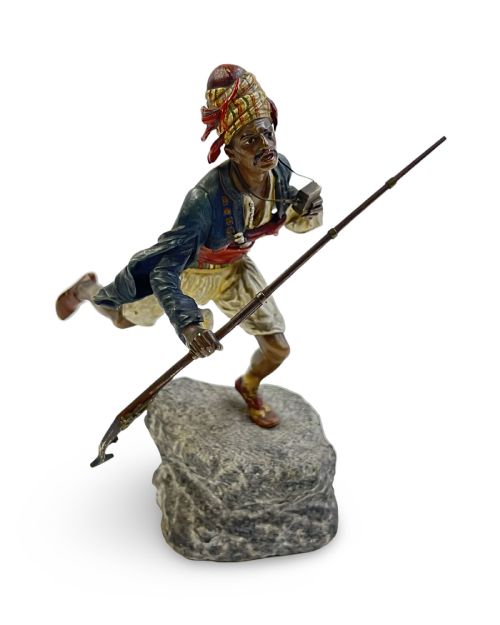
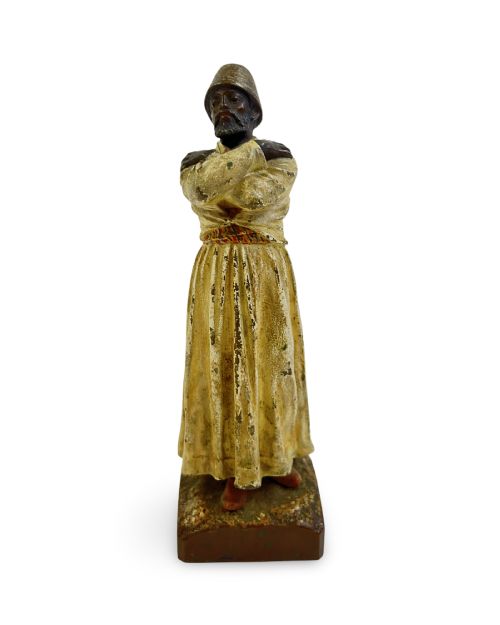
When searching for a franz bergman bronze statue, a buyer encounters figurative works produced in Austrian workshops during the late Victorian era and the early twentieth century. The selection on this page centres on subjects spanning Orientalist figures, such as Arab leaders and snake charmers, alongside naturalistic animal studies including birds, dogs and horses.
These pieces manifest as table lamps, small figurines, and complex sculptural groups incorporating marble or glass elements. Most items belong to the wider Vienna Bronze tradition, reflecting the distinct aesthetic of Austrian Orientalism and Art Nouveau design.
Materials and casting methods
The fabrication of a franz bergman bronze statue begins with a cast bronze base, produced using traditional foundry methods. Artisans then apply layers of polychrome paint over a metallic ground, a specific technique known as cold-painting that avoids high-temperature firing.
Enamel paint and specialised oil colours build up the intricate patterns on garments, animal feathers, and architectural details. Selected pieces integrate additional materials like marble bases or glass inserts to support table lamps and complex figural scenes.
Certain figures conceal hidden erotic scenes inside hinged sarcophaguses or carpets, revealing Bergman's playful approach to Victorian propriety.
Evaluating craftsmanship
Quality in a franz bergman bronze statue rests primarily on the preservation of the delicate cold-painted surface and the sharpness of the underlying metal casting. Superior examples retain their original polychrome pigments with minimal loss, showing crisp facial expressions and detailed tooling on textiles and feathers.
The complexity of the subject matter also influences standing, with multi-figure groupings and articulated mechanisms representing higher technical ambition than single animal studies. Foundry stamps, Bergman urn marks, and signature ciphers provide further indication of origin.
Franz Bergman·Franz Xaver Bergman
The Franz Bergman Bronze Statue Glossary
- Cold-painted bronze
- A sculpture technique where oil paint or enamel is applied to a cold metal surface rather than fired in a kiln. This method allows for high polychrome detail but remains vulnerable to flaking if handled improperly.
- Vienna Bronze
- A term for small-scale bronze sculptures produced in Austrian foundries during the late nineteenth and early twentieth centuries. These works are celebrated for their humorous, erotic, or Orientalist subject matter.
- Orientalism
- An artistic style depicting themes and subjects from the Middle East and North Africa. In bronze sculpture, this style manifests in figures of Arab merchants, warriors, and tent scenes.
- Animalier
- A nineteenth-century artistic movement dedicated to the realistic portrayal of animals. Bergman bronzes in this category focus on birds, dogs, and horses modelled with close attention to anatomy.
Franz Bergman Bronze Statue: Frequently Asked Questions
What is a cold-painted bronze?
A cold-painted bronze is a metal sculpture decorated with unfired paint layers applied directly to the surface. This technique permits a high degree of colourful realism.
Artisans built up patterns on robes, feathers, and furnishings using oil or enamel mediums without placing the piece in a kiln.
How do I clean my bronze statue?
Maintenance requires only gentle dusting with a soft, dry brush to protect the fragile painted surface. Moisture and chemical cleaners will damage the polychrome finish.
Keeping the sculpture away from direct sunlight preserves the original pigment colours over decades of display.
Where were these sculptures made?
These works originated in Vienna during the late nineteenth and early twentieth centuries. Austrian foundries employed skilled modellers and painters to produce these decorative objects.
The workshop output catered to international markets seeking exotic subjects and finely detailed animal figures.
Are these figures signed?
Many pieces carry foundry marks or the Bergman urn cipher stamped into the bronze base. Signatures sometimes appear in the form of initials or Bergman's full name.
Absence of a visible mark does not preclude authenticity, as many smaller or earlier casts relied on paper labels or were unsigned.