


Framed Watercolour Sporting Painting
A framed watercolour sporting painting captures the dynamic energy of hounds, horses, and country pursuits on paper.
Framed Watercolour Sporting Painting
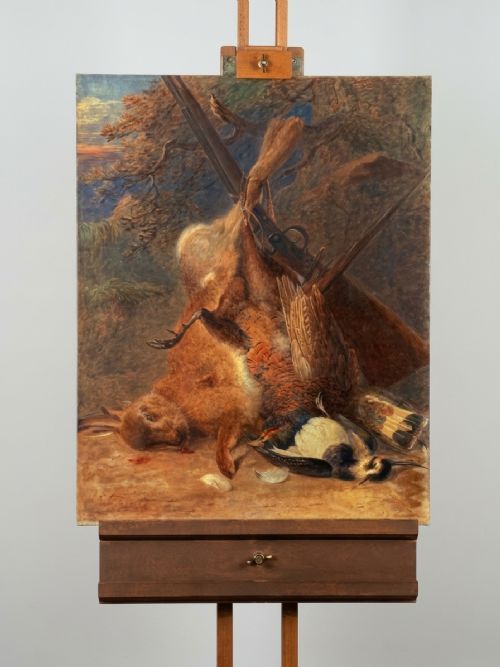
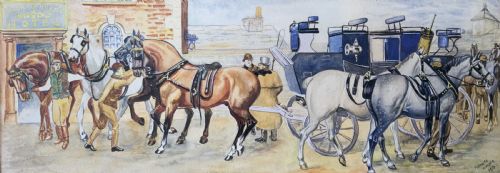
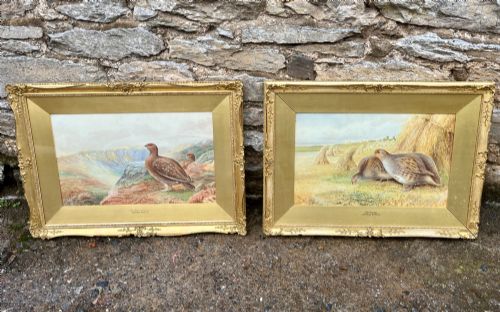
A framed watercolour sporting painting depicts traditional subjects including horse racing, hunting scenes, coaching events, and game animals. These works capture specific moments of rural action and field sports across various periods.
The selections on this page span from the Georgian and Victorian eras through the Edwardian period and into the mid-twentieth century. Buyers frequently encounter works by notable sporting artists alongside pieces from the nineteenth and early twentieth centuries.
Common formats include single framed watercolours, matched pairs, and sequential sets depicting hounds, horses, and country gentlemen. Paper works are typically housed beneath glass within wooden or gilt frames.
How they were made
Artists executed these works using watercolour paint, bodycolour, gouache, and pastel applied directly onto paper sheets. These water-based pigments allowed for swift application of tone and detail, suited to capturing rapid movement in the field.
Finished paintings are protected beneath glass and mounted within traditional wood frames, often finished with gilt details or constructed from oak. This framing protected the delicate paper surface from moisture and atmospheric damage over generations.
Materials recorded across the current selection include paper, watercolour paint, bodycolour, gouache, pastel, glass, wood, gilt, and oak frames.
What varies in quality
The distinction between standard works and exceptional examples lies in the artist's ability to render anatomical movement and atmosphere with precision. Master practitioners convey the energy of a hunt pack or a three-horse race with assured, economical brushwork.
Provenance and documentation influence the standing of a piece, particularly when bearing signatures or attributions to established sporting masters. The preservation of the paper support and the originality of the historic frame contribute significantly to the character of the work.
George Sydney Shepherd·George Rankin·John Rattenbury Skeaping·Arthur Wardle·Basil Nightingale·J F Marie Huet Villiers·Harry Davis·John Sanderson Wells·John Atkinson·Charles Johnson Payne Snaffles·Arthur Alfred Davis·Frank Dadd·Charles Ashmore·Archibald Thorburn
The Framed Watercolour Sporting Painting Glossary
- Watercolour
- A paint consisting of pigment suspended in a water-based solution, applied to paper to create transparent washes of colour. It is the primary medium for these works.
- Bodycolour
- An opaque watercolour paint mixed with white pigment to create solid areas of colour and highlights. Artists used it alongside transparent washes to add depth.
- Gouache
- A heavy, opaque water-based paint similar to bodycolour that provides flat, dense areas of colour. It appears frequently in mid-century sporting works.
- Gilt
- A thin layer of gold leaf applied to wood framing to provide a decorative metallic finish. Many period sporting frames utilise this technique.
- Pastel
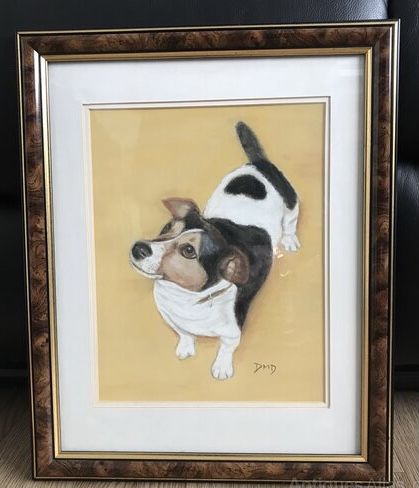
- A dry pigment medium stick used alone or combined with watercolour to build texture and tone. It is seen in works depicting dogs and rural subjects.
Framed Watercolour Sporting Painting: Frequently Asked Questions
What subjects appear in these paintings?
The subjects focus primarily on British field sports, including fox hunting packs, horse racing, coaching scenes, and game birds.
Artists also depicted country gentlemen, dogs such as hounds and setters, and rural equestrian scenes.
How should I hang watercolour art?
Watercolour paintings require protection from direct sunlight to prevent the pigments and paper from fading over time.
Display them in rooms with stable humidity levels and away from direct heat sources to preserve the paper and frame.
Are these works original paintings?
The selection consists of original hand-painted watercolours, gouaches, and mixed media works created directly by the artist.
Historical prints and reproductions are identified specifically when they appear alongside the original paintings.
How do I identify the period?
Dating relies on the artist's recorded working dates, stylistic markers of the Victorian or Edwardian eras, and framing materials.
Signatures, inscriptions on the reverse, and the type of paper support provide further clues to the decade of creation.