


Vintage Equestrian Illustration
These vintage equestrian illustration pieces capture horse and hound across periods from the nineteenth century to the mid-century.
Vintage Equestrian Illustration
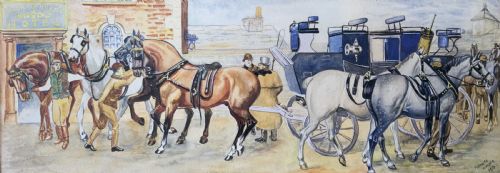
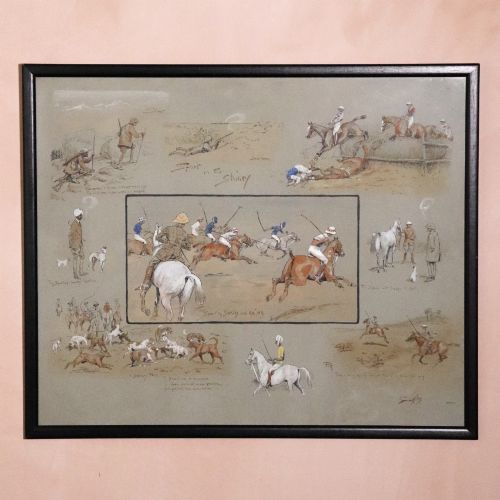
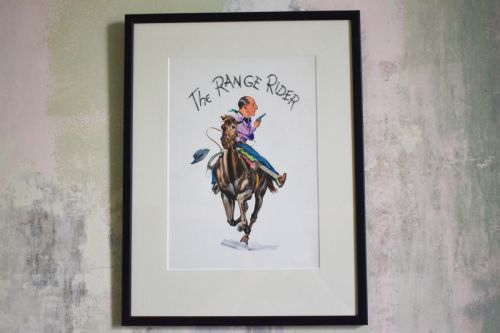
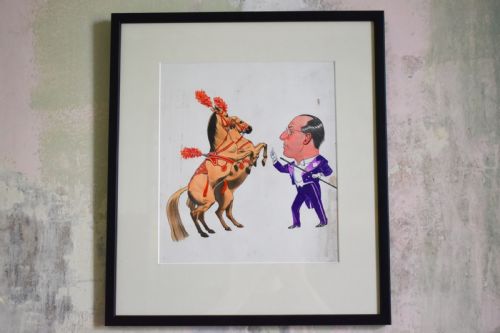
Vintage equestrian illustration encompasses framed artwork, wall art, and paintings depicting horses, riders, and rural sports. A buyer browsing this selection encounters original watercolours, ink drawings, and period prints.
The objects span Victorian, Edwardian, and mid-century eras, reaching back into the nineteenth century. Common subjects include hunting scenes, racing subjects, and coaching depictions.
Framed works frequently utilise oak or walnut frames to enclose paper works executed in watercolour, chalk, or pencil. The range includes single framed pieces as well as complete sets.
Materials and techniques
Works are executed on paper using watercolour, ink, pencil, and chalk. Artists applied washes and lines to capture movement in subjects such as trotting horses and galloping racehorses.
Framing relies on wood, notably oak and walnut, to protect and present the paper works. Glazing in glass guards the delicate pigment and ink from atmospheric damage.
Horses peer out from walls where they have watched rooms change from gaslight to electricity without blinking an eye.
Judging quality
The standard of an artwork rests upon the sureness of the draughtsmanship and the vitality of the line. Works by named hands demonstrate superior handling of equine anatomy and movement.
Condition of the paper and the preservation of the original pigments determine the visual impact. Original framing, particularly period oak or walnut surrounds, adds integrity to the piece.
Snaffles·Cecil Charles Windsor Aldin·Michael Lyne·Alken·Charles Clifford Turner·William J Hodgson
The Vintage Equestrian Illustration Glossary
- Watercolour
- A painting method where the pigments are suspended in a water-based solution. It allows for transparent washes of colour on paper.
- Chalk
- A dry drawing material made from powdered minerals. It provides soft lines often utilised in preliminary sketches and finished drawings.
- Pen and ink
- A linear drawing technique utilising fluid media applied with a nib. It creates crisp, permanent outlines visible in historical illustrations.
- Framed print
- A mechanical reproduction of an original artwork placed behind glass within a border. These items bring period imagery into domestic settings.
Vintage Equestrian Illustration: Frequently Asked Questions
What periods do these pieces date from?
The selections span from the nineteenth century through the Victorian and Edwardian eras into the mid-twentieth century. Pieces reflect the prevailing artistic styles of each decade.
Datings range from early Victorian drawings to mid-century sporting art, offering a broad chronology of equestrian depiction.
How are these artworks framed?
Many examples are presented in period wooden surrounds, specifically utilising oak or walnut frames. Glass protects the paper surfaces of the drawings and watercolours.
Original framing helps preserve the context of the artwork, keeping the paper secure behind glazing.
What subjects appear in these works?
Common themes include hunting scenes, racing horses, coaching depictions, and portraits of animals. Artists recorded hounds, riders, and carriages in action.
Scenes range from full cry hunts to military battle depictions and satirical cartoons.
Are these original works or prints?
The selection includes both original hand-painted watercolours, drawings in ink and chalk, and period printed works. Individual listings specify the exact medium used.
Buyers find unique paintings alongside published prints and complete sets of illustrations.