



Framed Hunting Scene Prints
Framed hunting scene prints capture the energy and tradition of historic field sports, offering a rich glimpse into nineteenth-century sporting life.
Framed Hunting Scene Prints
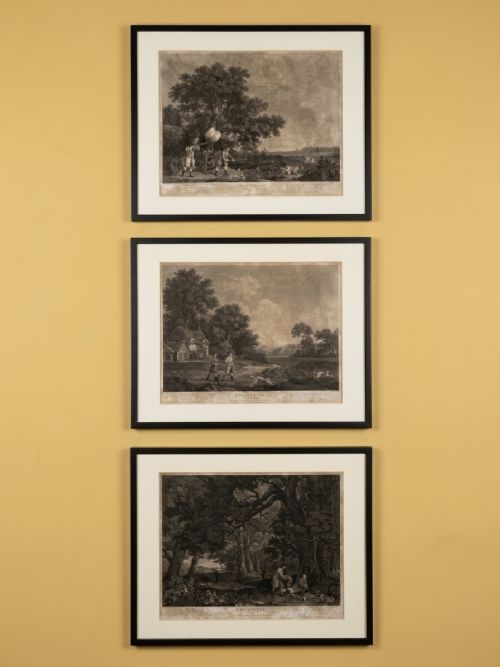
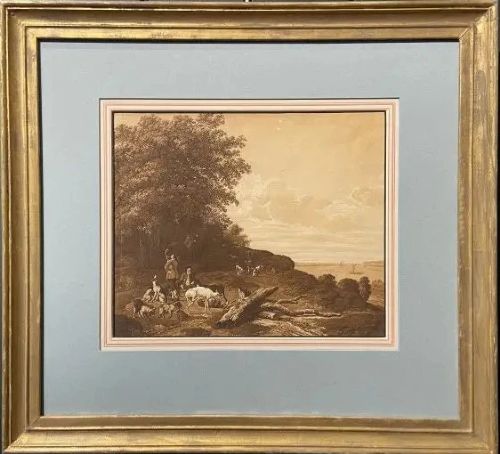
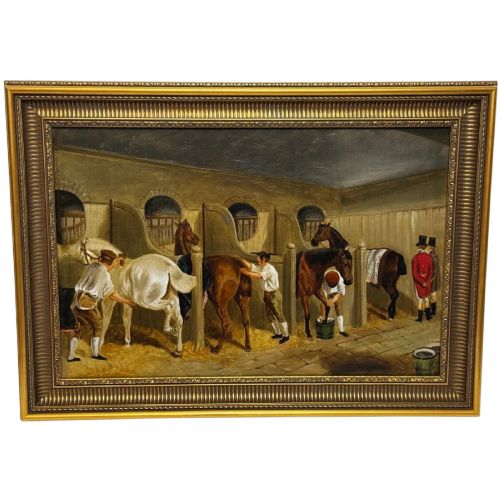
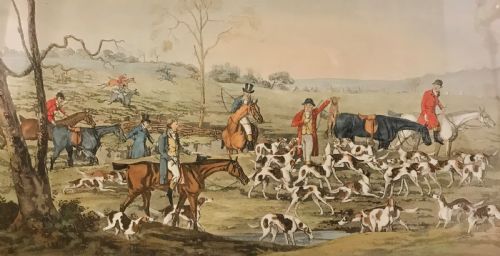
When you search for framed hunting scene prints, you encounter a selection spanning the seventeenth to the early twentieth century, including Victorian works and eighteenth-century French engravings. These pieces capture field sports through varied mediums such as lithographs, watercolours, and oils on canvas.
The most common examples on this page are nineteenth-century engravings and prints depicting subjects like the Berkeley Hunt, chases at Haddon Hall, and shooting scenes. Many arrive preserved behind glass within wooden, giltwood, or gold leaf frames that complement their traditional aesthetic.
Materials and techniques
Works in this category utilise paper for engravings, lithographs, and watercolours, alongside oil on canvas for painted compositions. Hand colouring frequently enhances printed lines to add vibrancy to historical depictions.
Framing materials incorporate wood and giltwood, often accented with gold leaf, protecting the paper and canvas beneath glass for long-term preservation.
Framed Hunting Scene Prints Retail Price Guide 2026
Typical asking prices for framed hunting scene prints among the pieces listed under this phrase on Sellingantiques today, from the lower quarter to the upper quarter. They describe what is for sale here now, not the wider market.
Materials documented across the collection include paper, glass, wood, watercolour, ink, oil on canvas, gold leaf, and giltwood.
What separates the tiers
Quality rests upon the clarity of the impression in engravings and the immediacy of the hand in original watercolours and oils. Masterful draughtsmanship and well-preserved pigments distinguish distinguished works from standard decorative items.
The integrity of the period framing, including original giltwood and glass, supports the overall character and historical weight of the piece.
Johannes Lingelbach·Charles Faulkner·C de Falens·Charles Hunt·Francis Calcroft Turner·Frank Dadd
The Framed Hunting Scene Prints Glossary
- Engraving
- A printmaking process where an image is incised into a metal plate, holding ink to transfer fine, precise lines onto paper. This technique allowed multiple detailed copies of sporting scenes to be distributed.
- Lithography
- A planographic printing method based on the chemical repulsion of oil and water, commonly used to reproduce nineteenth-century sporting art. It captures smooth gradations and tonal shifts effectively.
- Giltwood
- Wood carved and coated with gold leaf or a metallic finish, frequently utilised for traditional frames. It provides a luminous border that complements historical artworks.
- Hand coloured
- The manual application of watercolour or tint to a printed image to enhance visual appeal. Many nineteenth-century engravings received this treatment before framing.
Framed Hunting Scene Prints: Frequently Asked Questions
How do I care for framed hunting prints?
Keep prints away from direct sunlight to prevent the fading of paper and hand-coloured details. Stable indoor humidity protects both the antique paper and the wooden frames.
Ensure that the glass remains intact and seals properly to prevent dust or moisture from damaging the surface over time.
Are these prints original period pieces?
The selection includes genuine nineteenth-century engravings, eighteenth-century French works, and original watercolours from various periods. Each listing details the specific era of creation.
Checking the paper texture, printing technique, and framing style helps confirm the historical context of the artwork.
What subjects do these artworks depict?
The scenes range from fox hunting meets and equestrian studies to shooting scenes and landscape chases. Works often capture specific historical hunts and traditional sporting gatherings.
Artists document these events with detailed portrayals of riders, hounds, and countryside settings characteristic of British and European sporting art.
How do I distinguish different printing methods?
Engravings display crisp, indented lines where the metal plate pressed into the paper under heavy pressure. Lithographs present smoother tonal transitions without deep plate marks.
Magnification reveals the fine ink distribution characteristic of hand-pulled historical prints compared to modern mechanical reproductions.